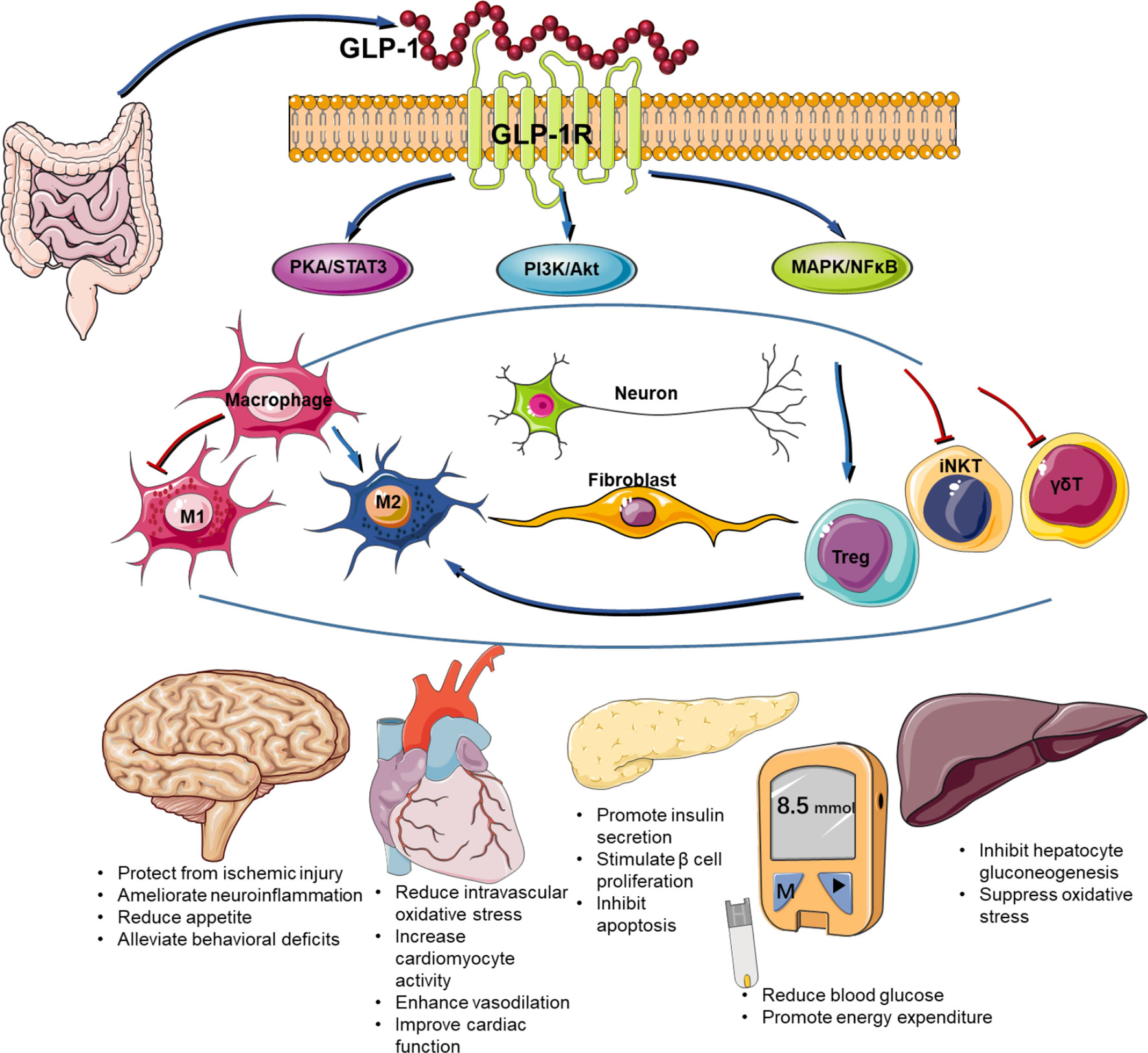
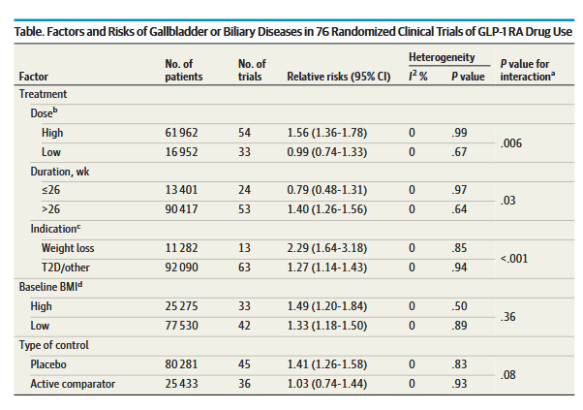
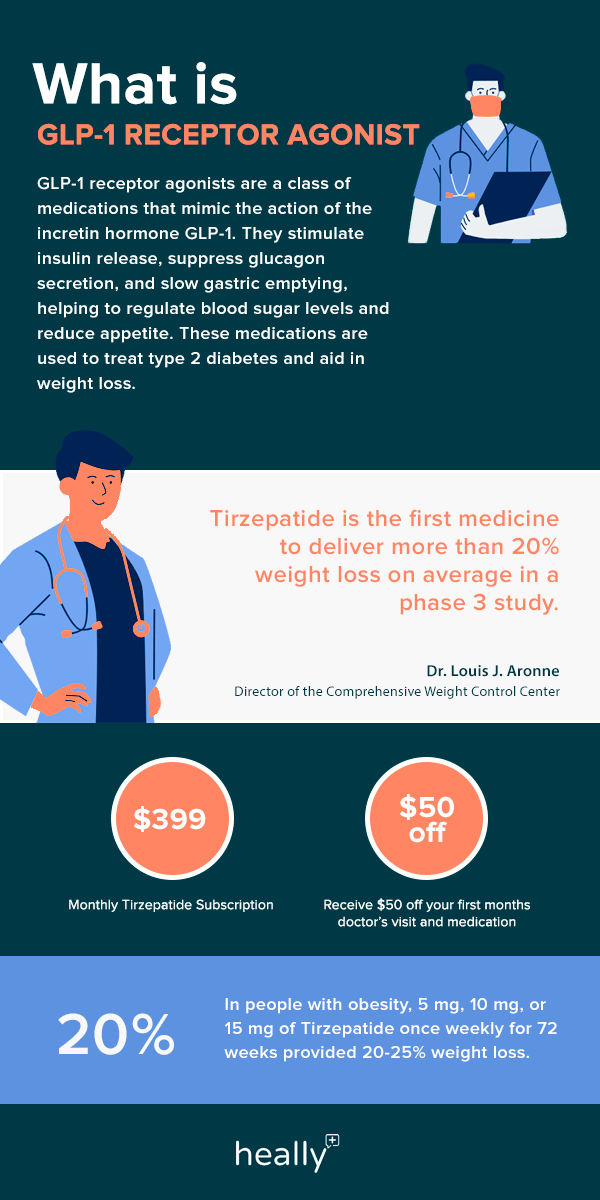
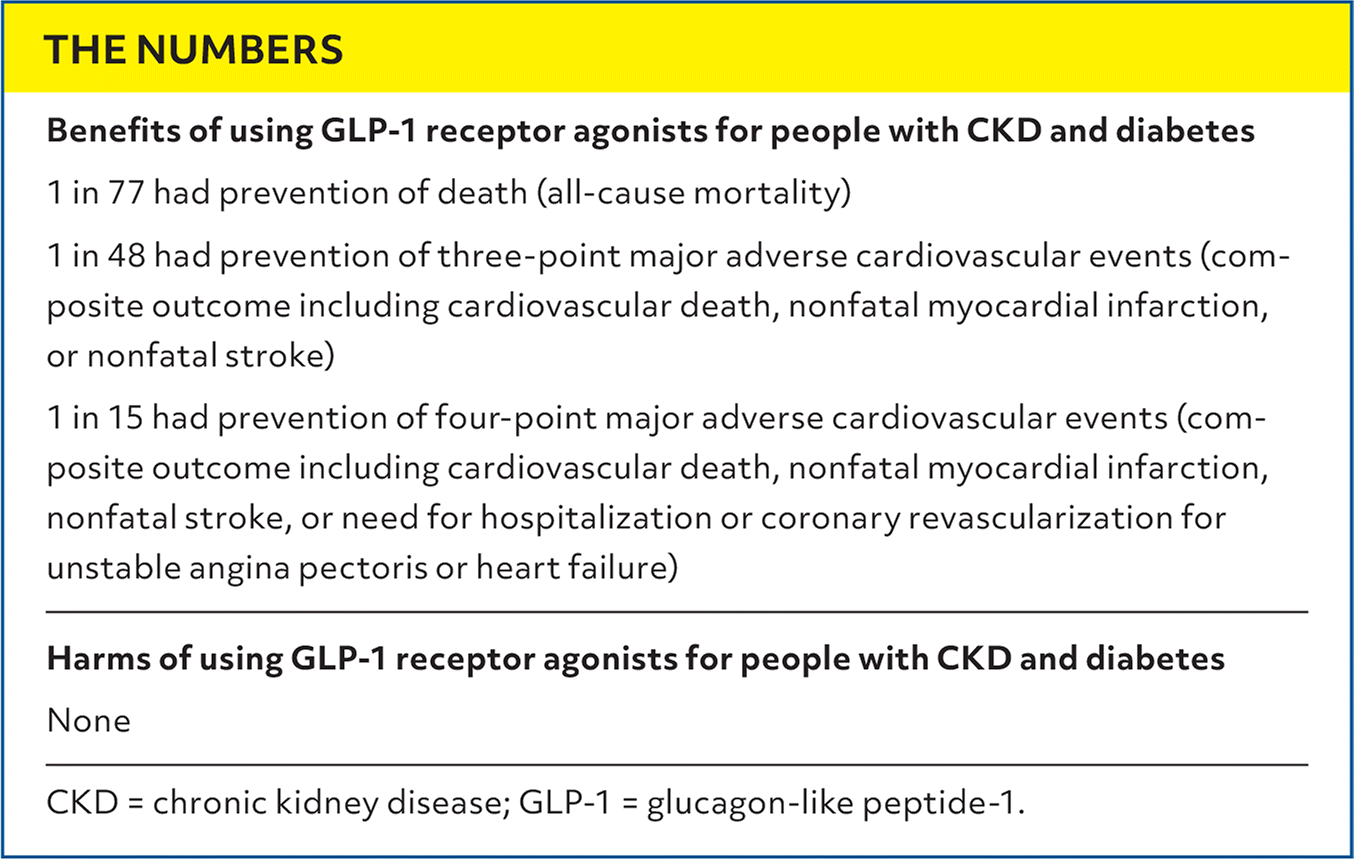
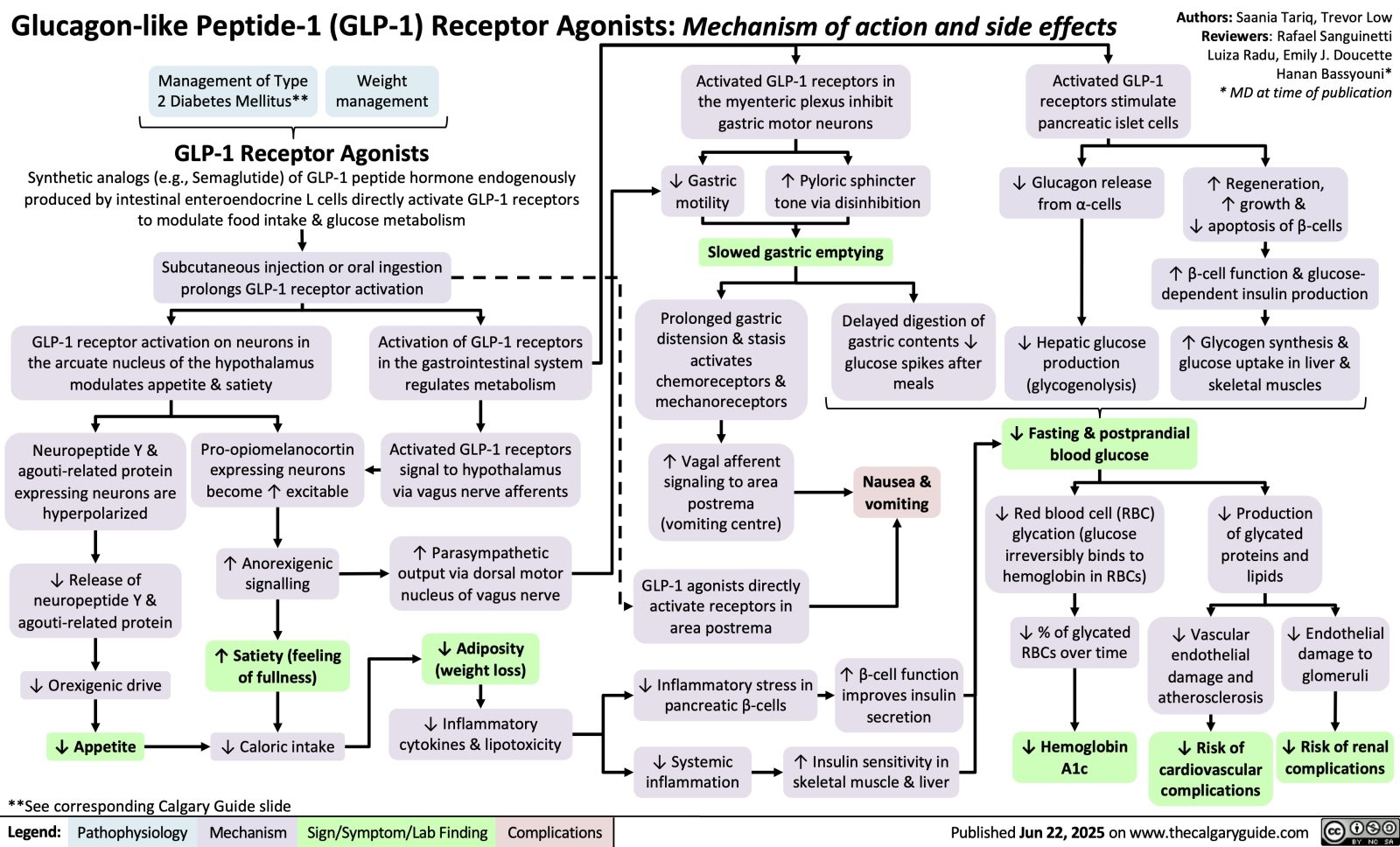
The potential harms associated with GLP-1 receptor agonists can be broadly categorised into those that are well known, rare events in which the causal association is weaker or uncertain, and emerging side effects or those with hypothesised links that are still being investigated.
dverse side effects from GLP-1 receptor agonists are mostly gastrointestinal but may also include loss of muscle and bone mass.

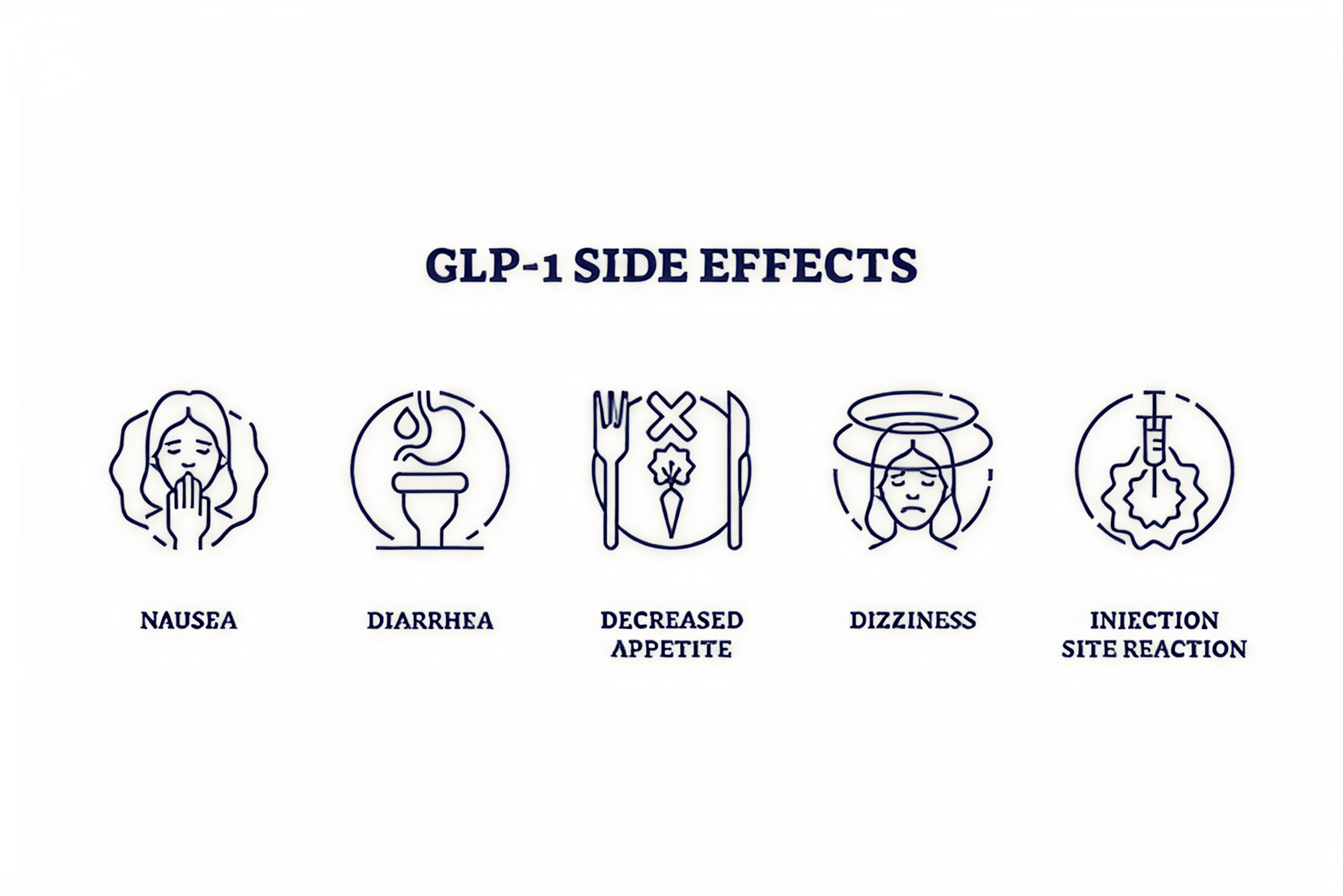
GLP-1 drugs can cause side effects, such as nausea, vomiting, and diarrhea. Starting on a lower dose and increasing it gradually can help.

Moving forward, it's essential to keep these visual contexts in mind when discussing Glp-1 Receptor Agonist Side Effects And Complications.
GLP-1 medications have a range of side effects. Read on to learn about GLP-1 side effects, including common, rare, and long-term side effects, and how to manage them.
Furthermore, visual representations like the one above help us fully grasp the concept of Glp-1 Receptor Agonist Side Effects And Complications.
The most common side effects are gastrointestinal (GI) and include nausea, diarrhea, vomiting, constipation, and, less frequently, abdominal pain. Nutritional deficiencies may occur, and there is a risk of muscle and bone loss with rapid weight loss.