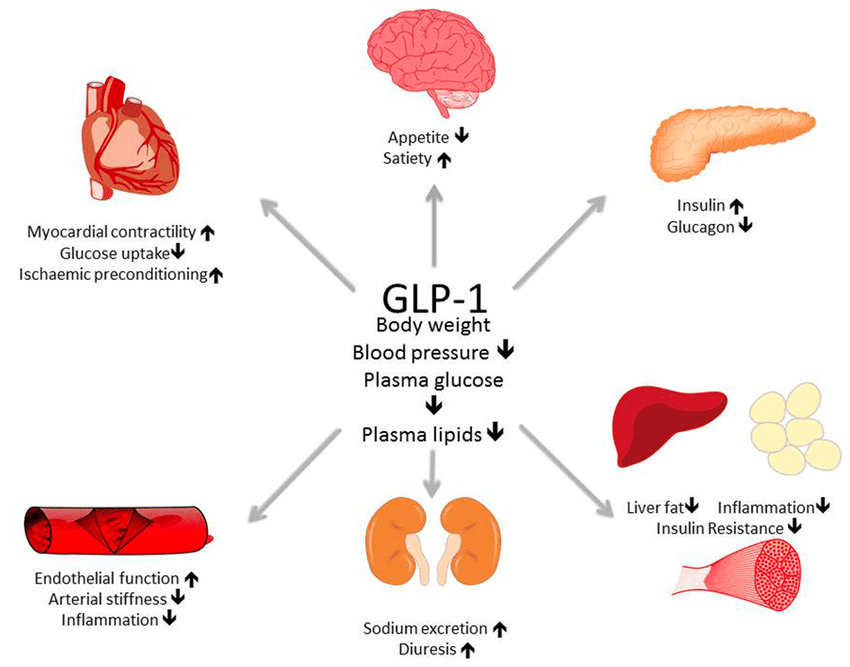
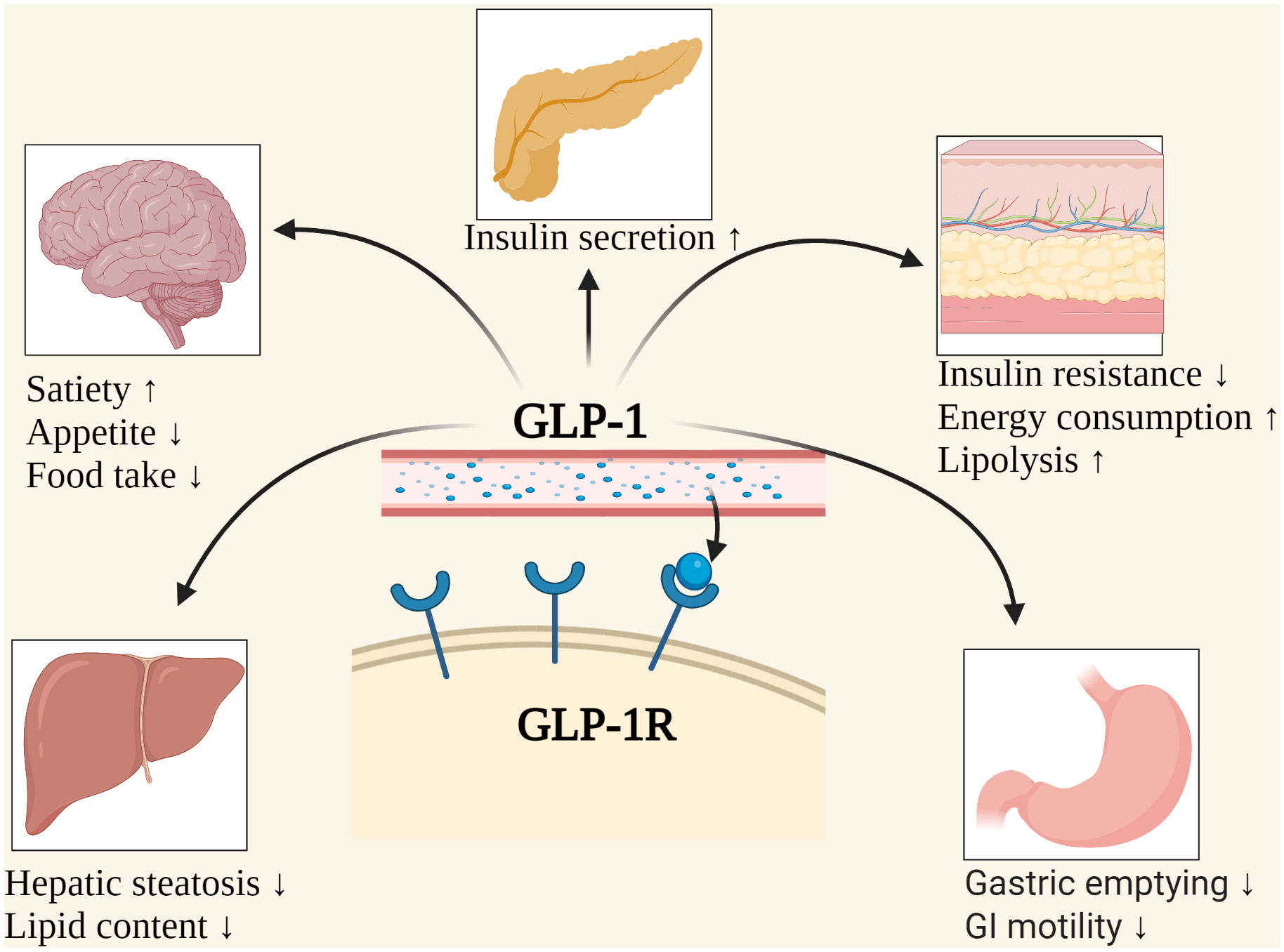
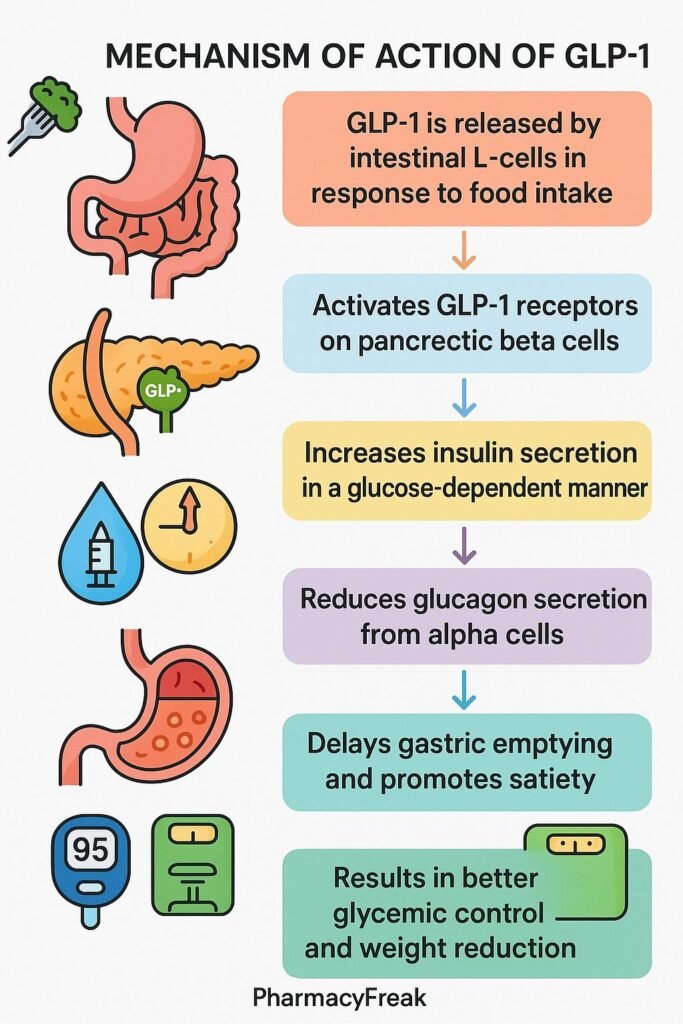
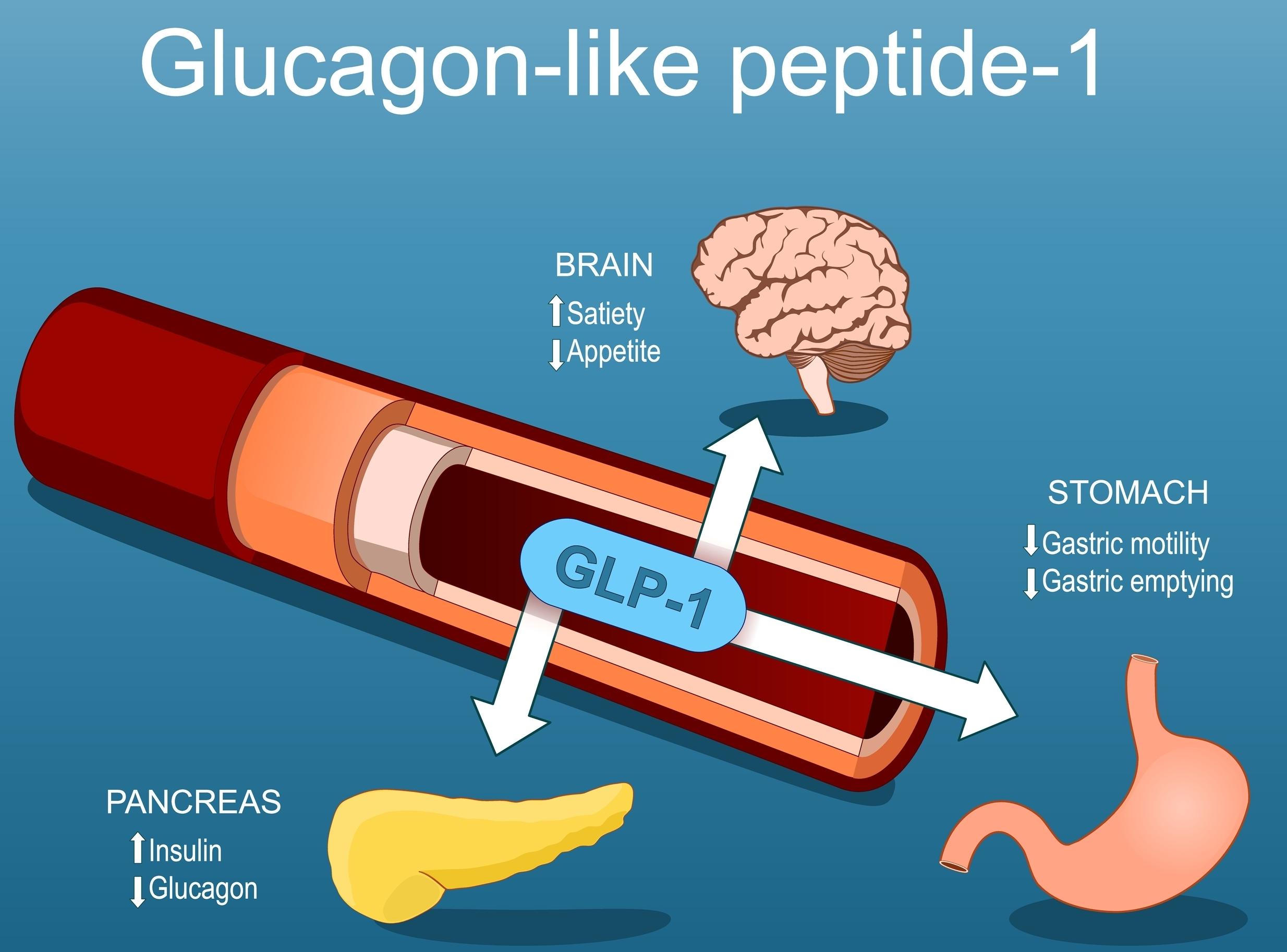
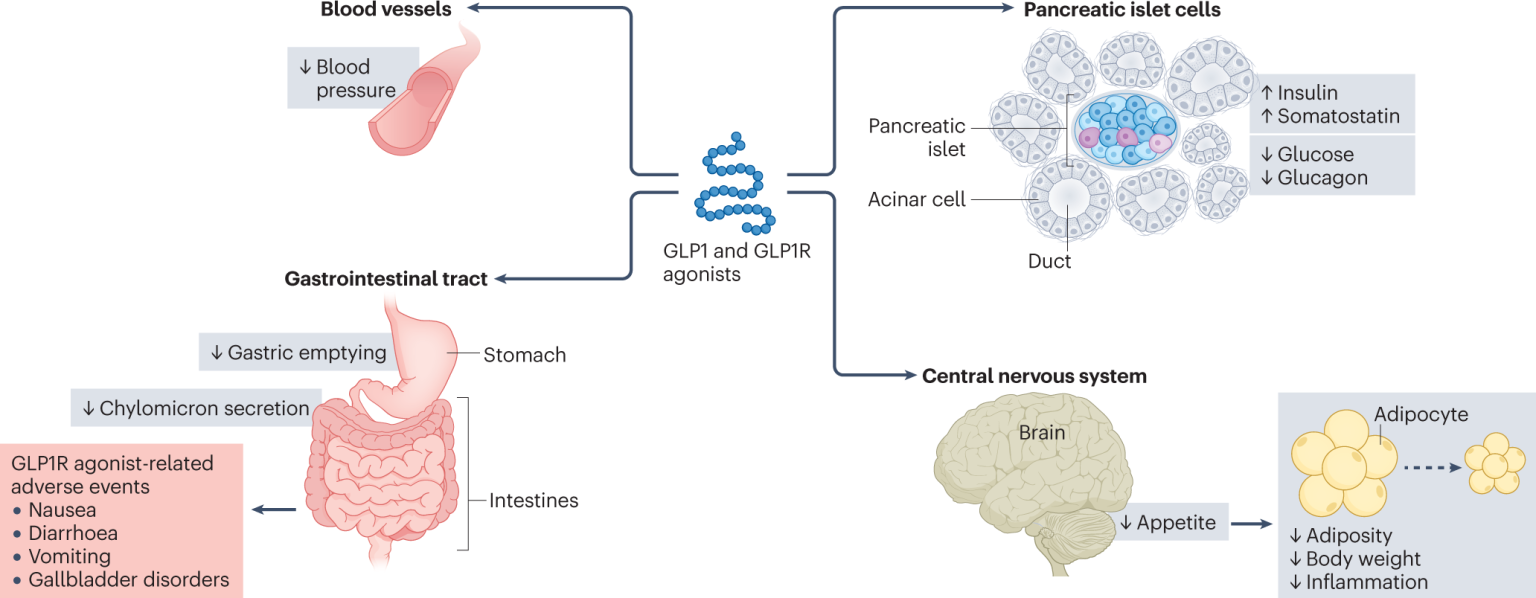
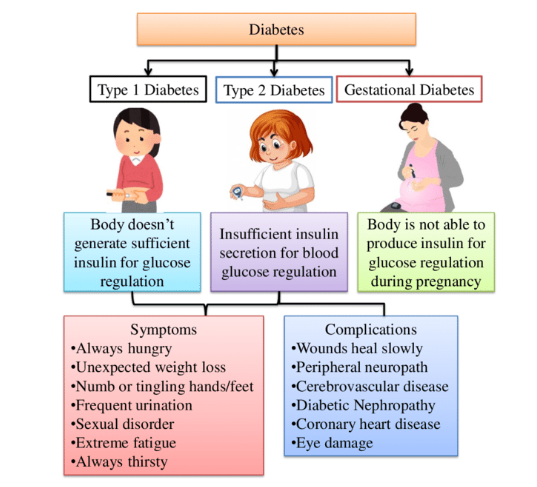
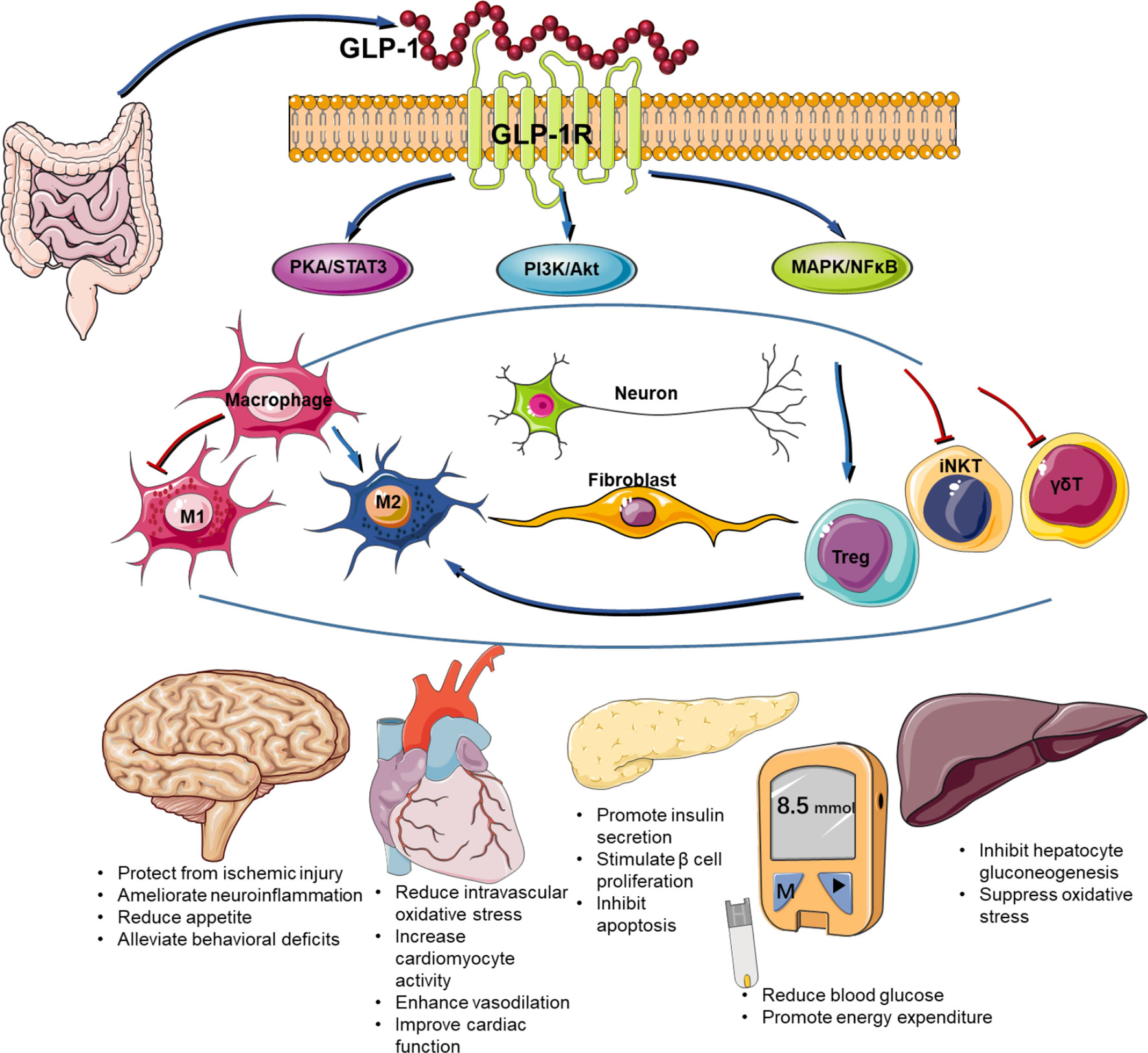
This review delves into the physiological roles of GLP-1, exploring its impact on glucose homeostasis, insulin secretion, and satiety. We examine the compelling evidence supporting GLP-1 receptor agonists (GLP-1RAs) in managing type 2 diabetes (T2D), obesity, and other diseases.
This bidirectional action of GLP-1RAs on metabolic and immune modulation is a desirable therapeutic rationale with a global perspective to target the intertwined mechanisms of immune and metabolic dysregulation in insulin resistance.
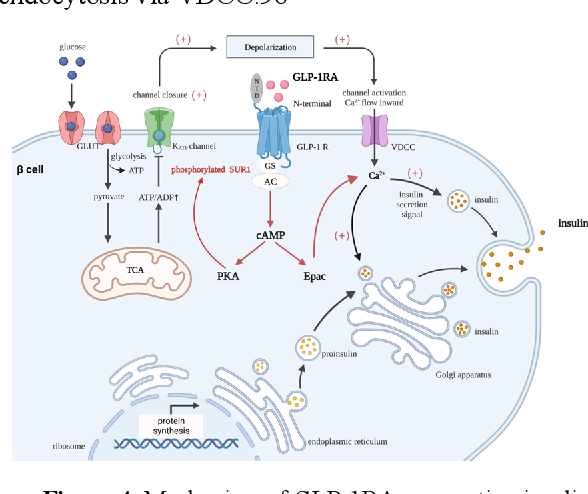
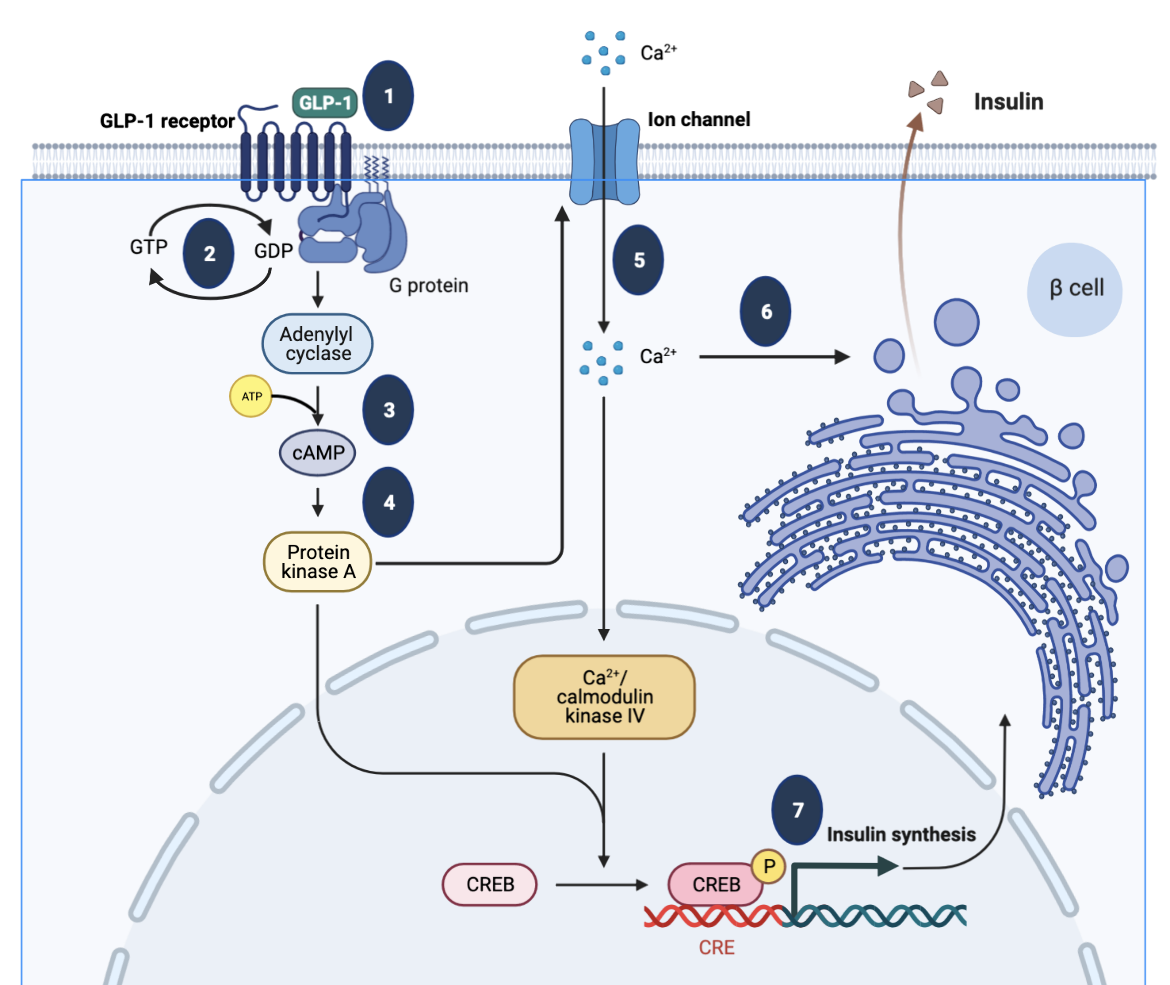
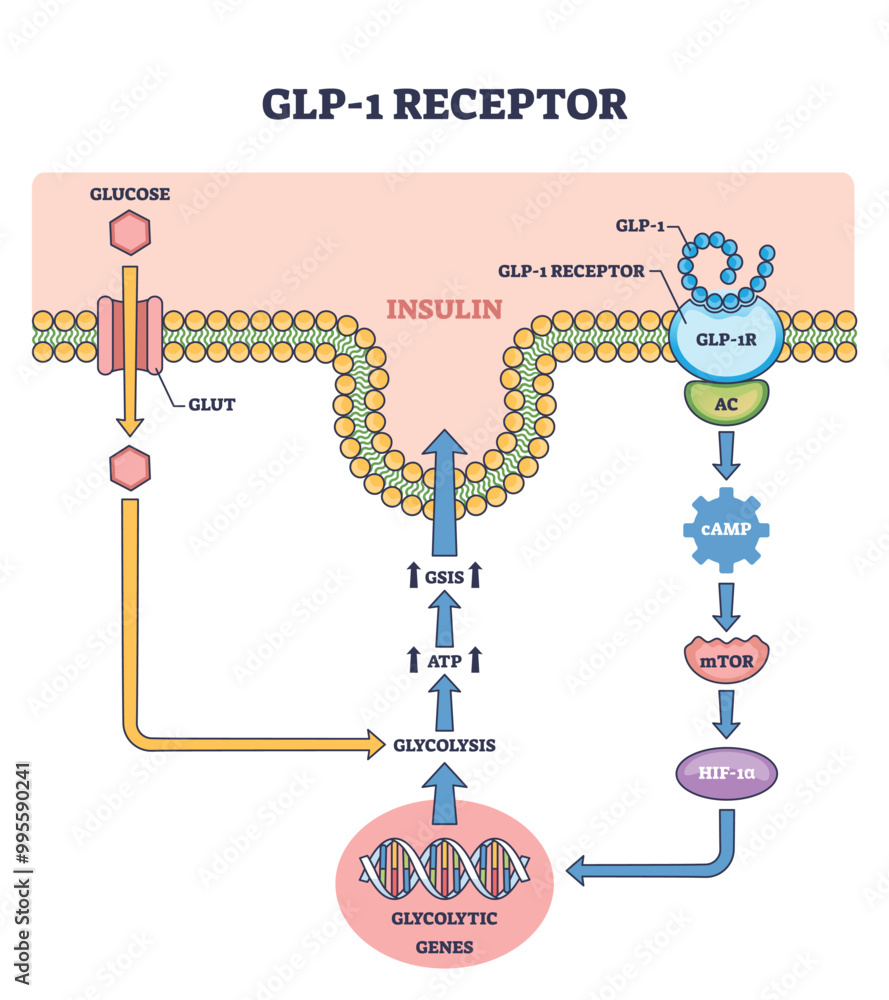
GLP-1 and its analogs enhance insulin secretion, but the specific intracellular mechanisms in -cells remain unclear. Key intracellular mediators including calcium, glutamate, -aminobutyric acid, serotonin, and urocortin-3 are modulated by GLP-1 signaling with variable and sometimes contradictory effects.

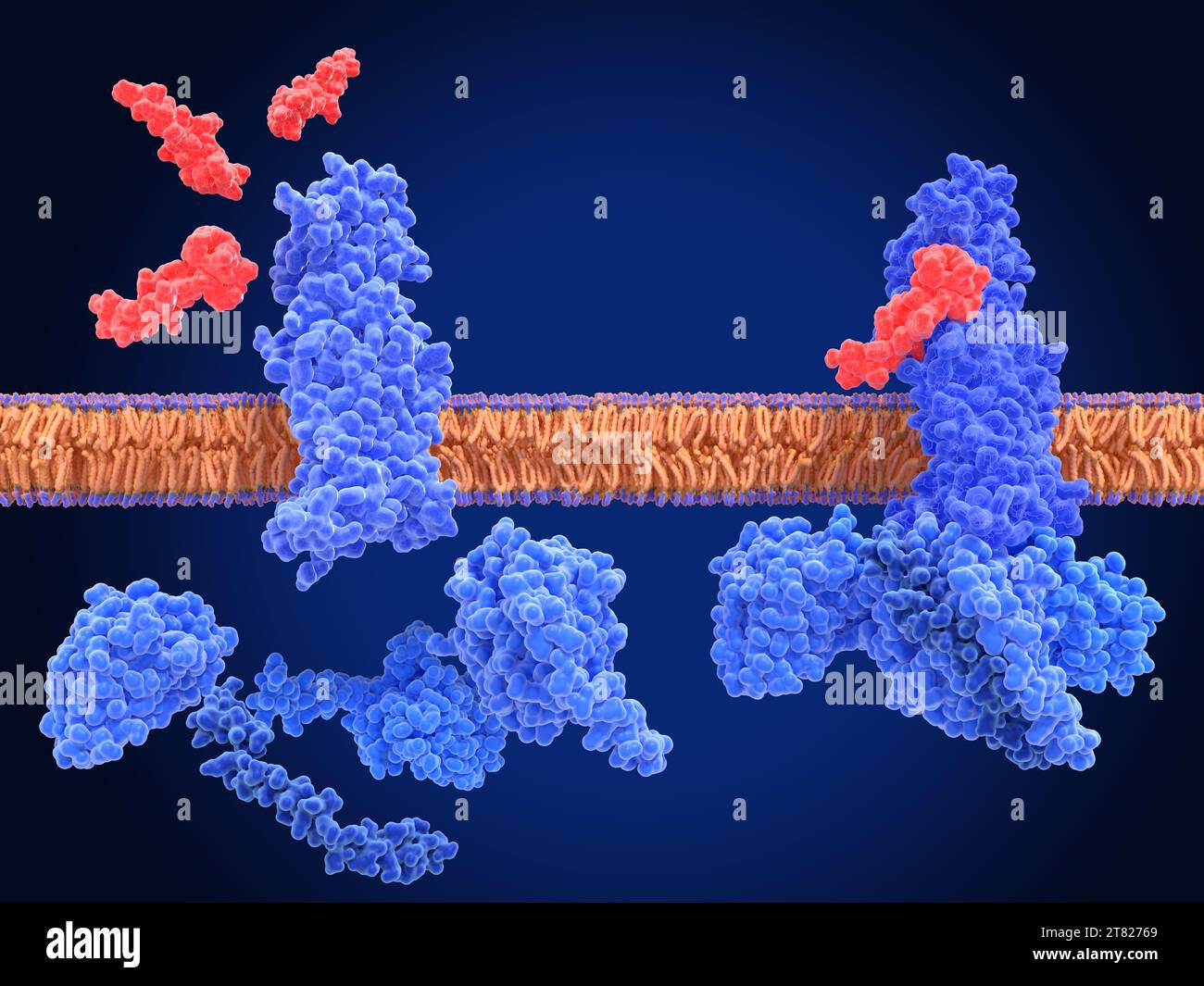
This particular example perfectly highlights why Glp-1 Receptor Modulation And Insulin Action is so captivating.
The receptor agonists for GLP-1 and ghrelin have been developed and are now used to treat metabolic diseases, in which insulin plays a key role. However, underlying action mechanism and possible interplay of these hormones have remained elusive. Here, we describe that GLP-1 and ghrelin reciprocally regulate the insulin system.
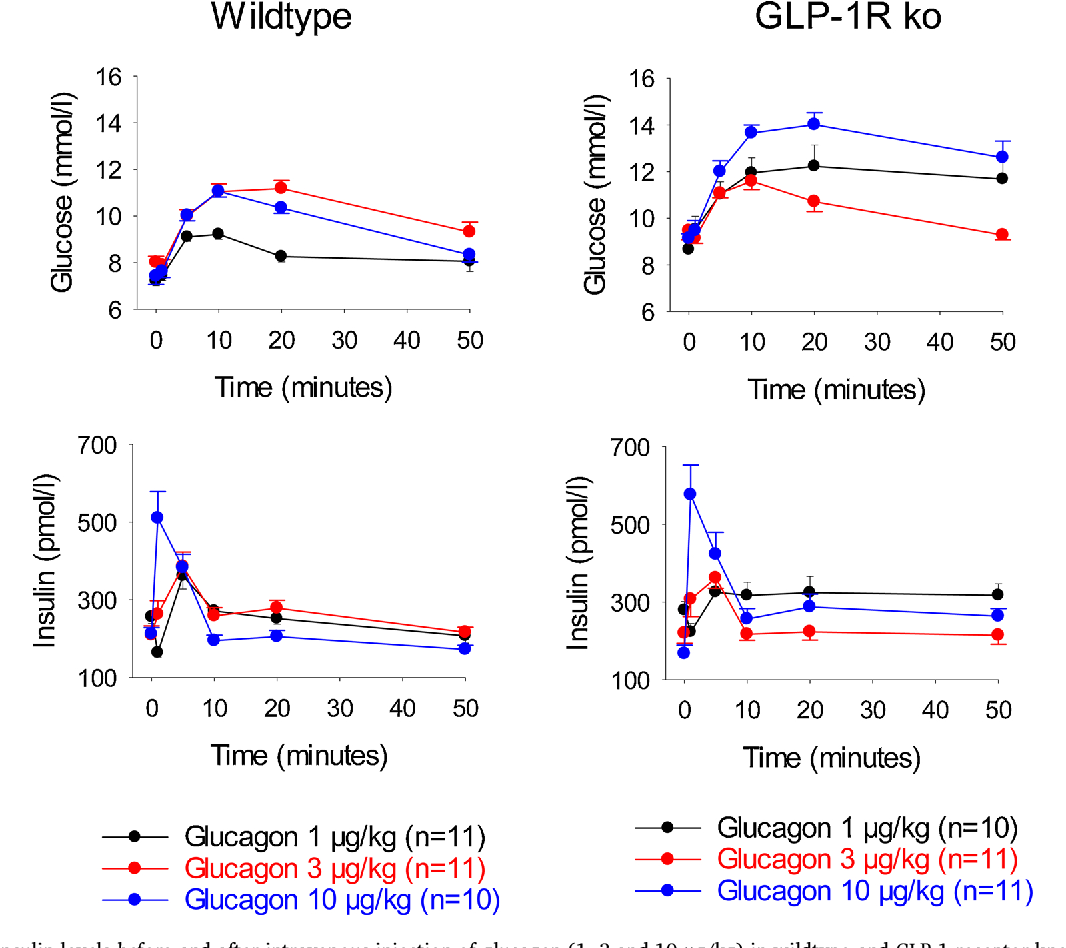
ims/hypothesis Unimolecular peptides targeting the receptors for glucagon-like peptide-1 (GLP-1), glucose-dependent insulinotropic polypeptide (GIP) and glucagon (GCG) have been shown to improve glycaemic management in both mice and humans. Yet the identity of the downstream signalling events mediated by these peptides remain to be elucidated. Here, we aimed to assess the mechanisms by which ...