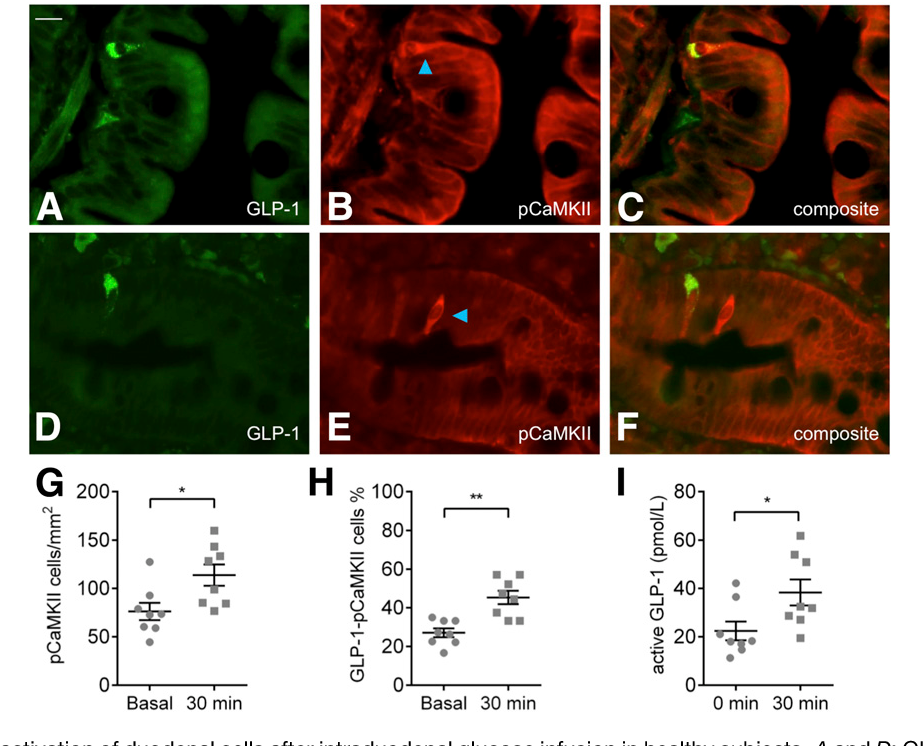
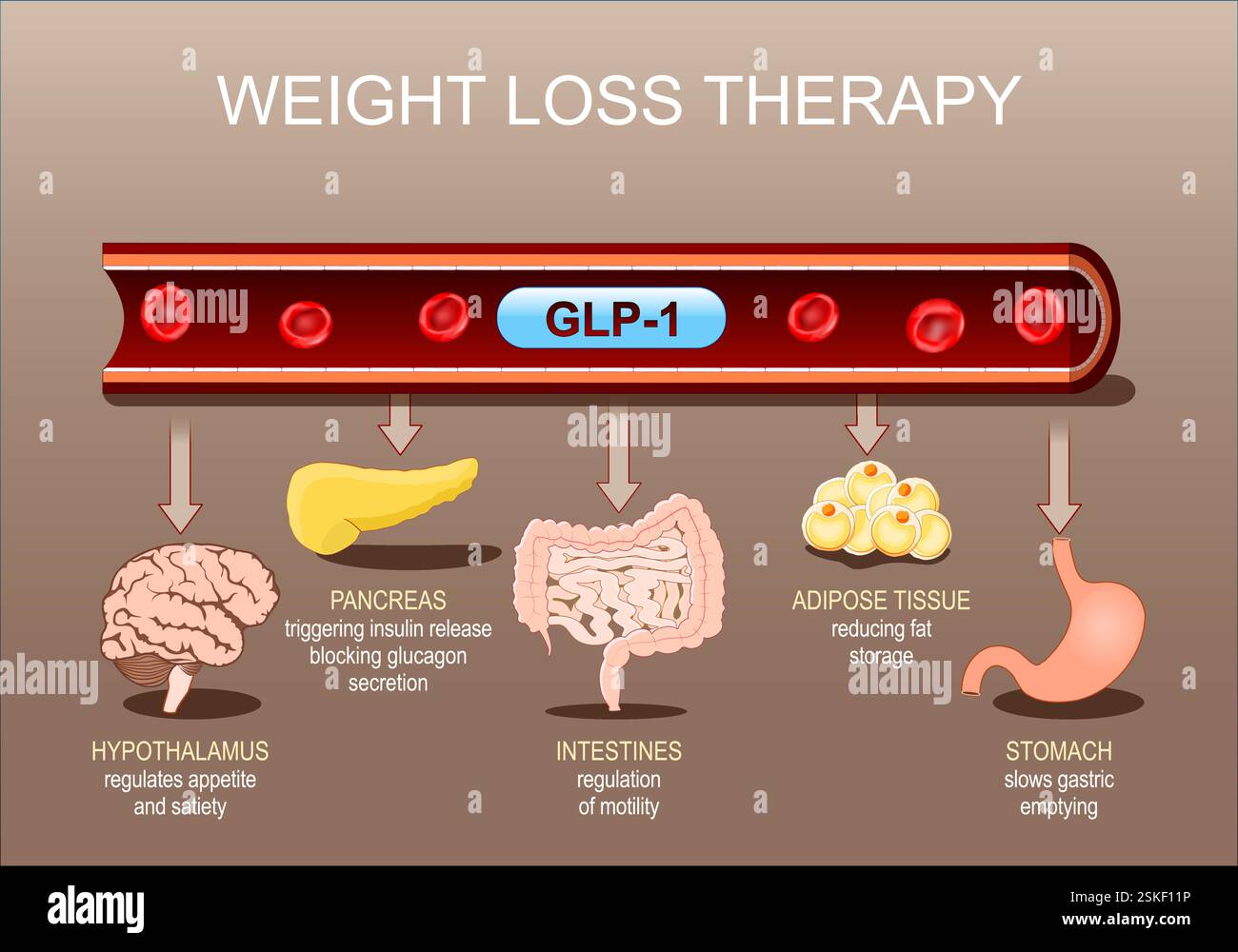
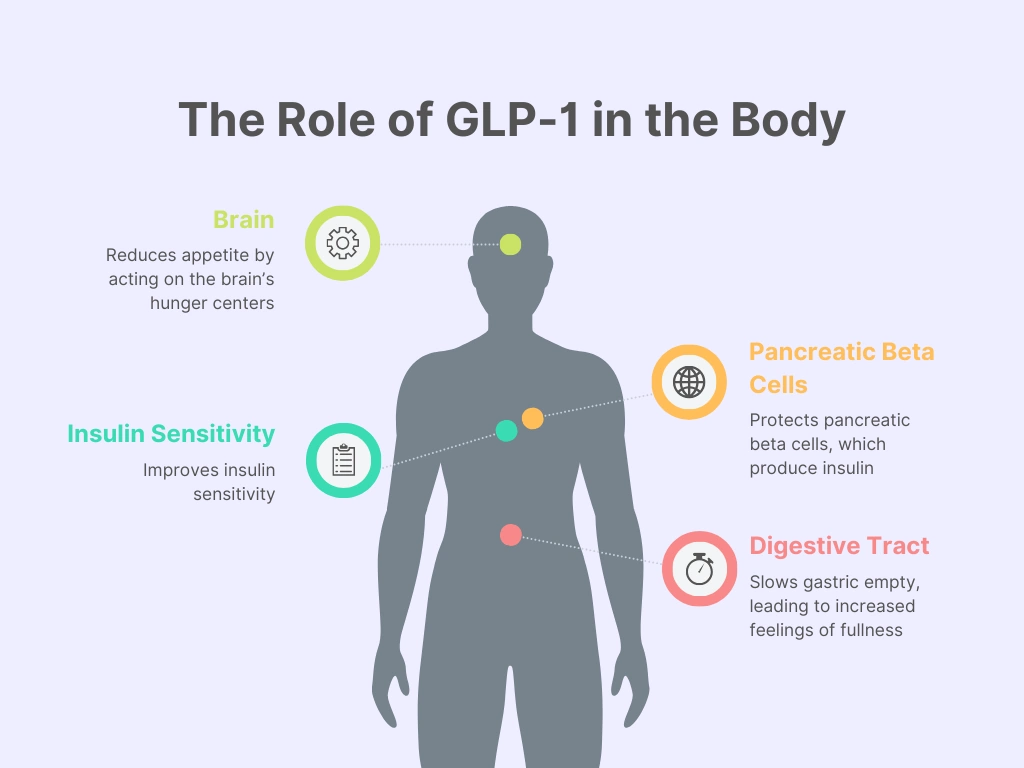
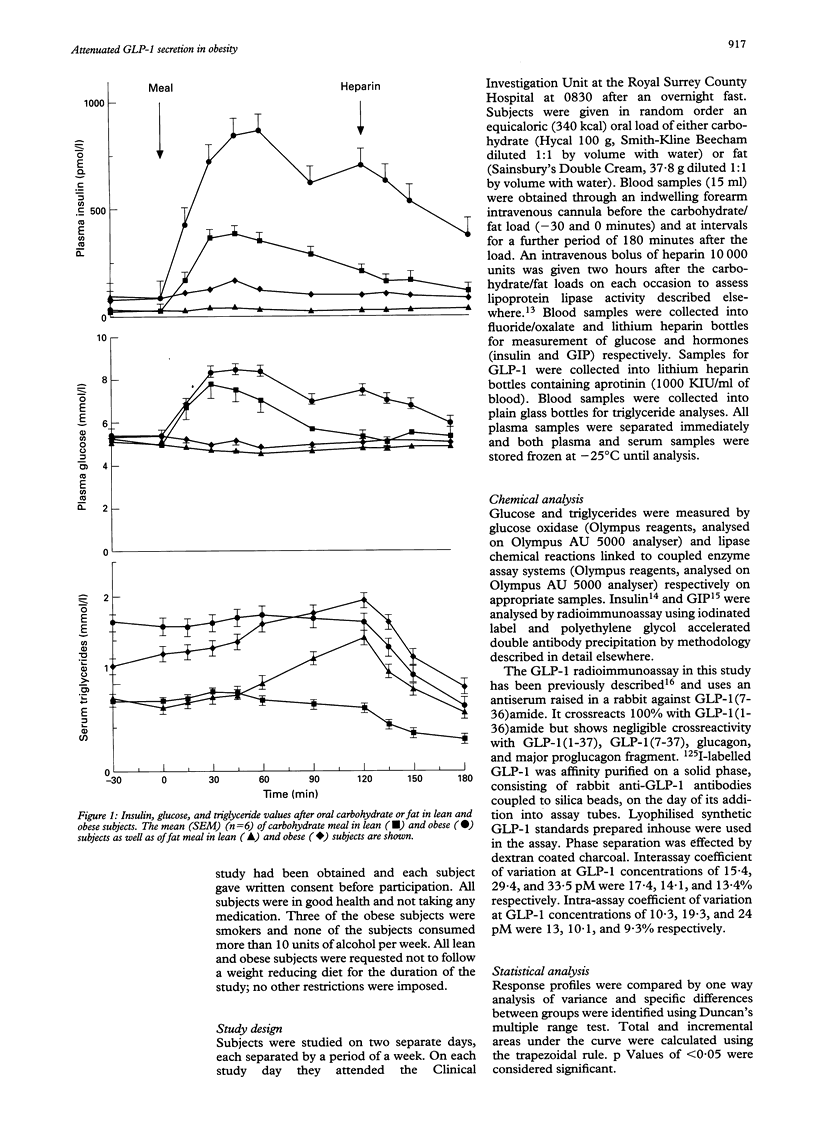
The gut hormone glucagon-like peptide-1 (GLP-1) holds significant therapeutic interest for glycaemic and appetite control, but an endocrine role has been questioned, since GLP-1 is broken down rapidly in the bloodstream.
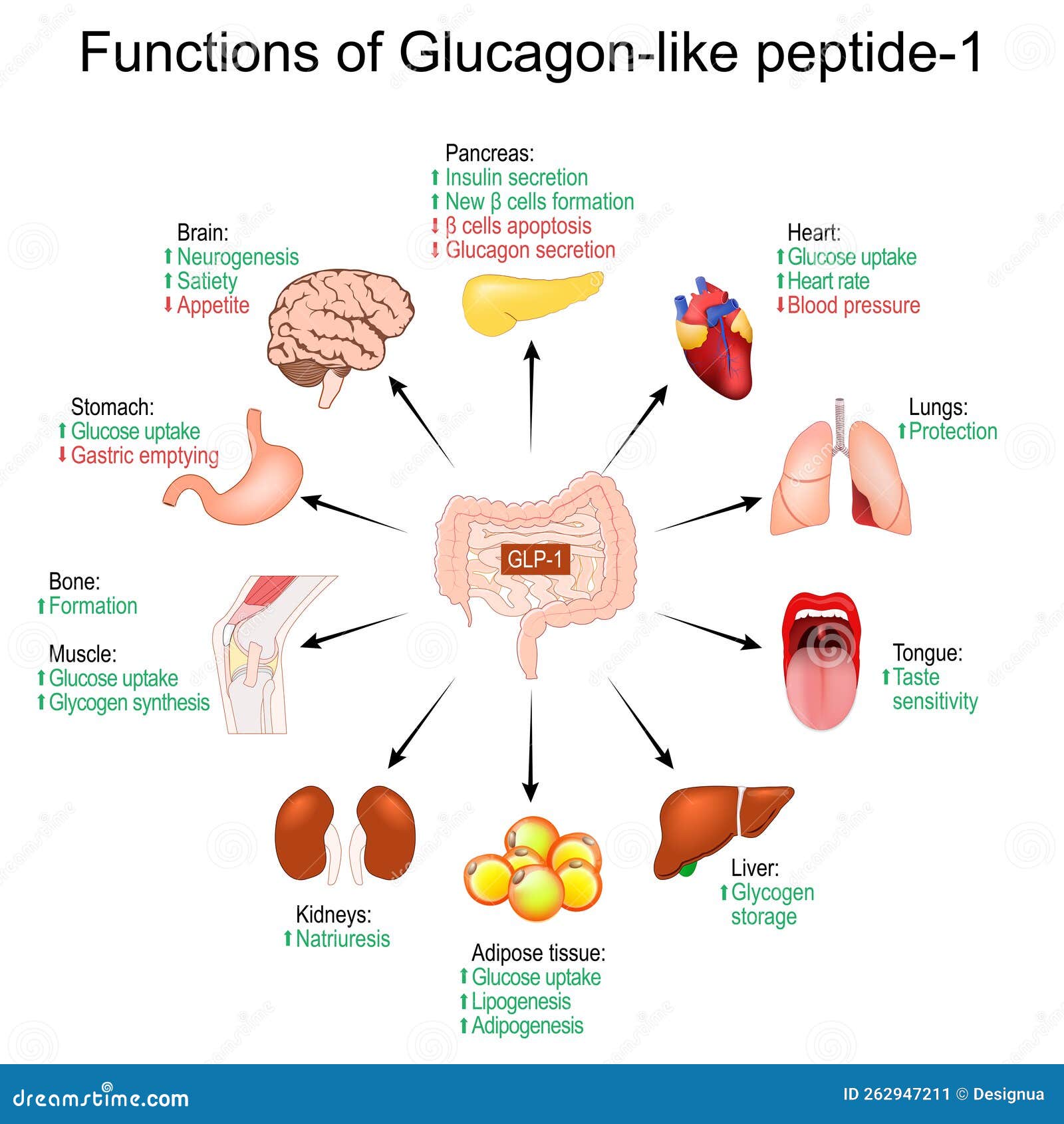
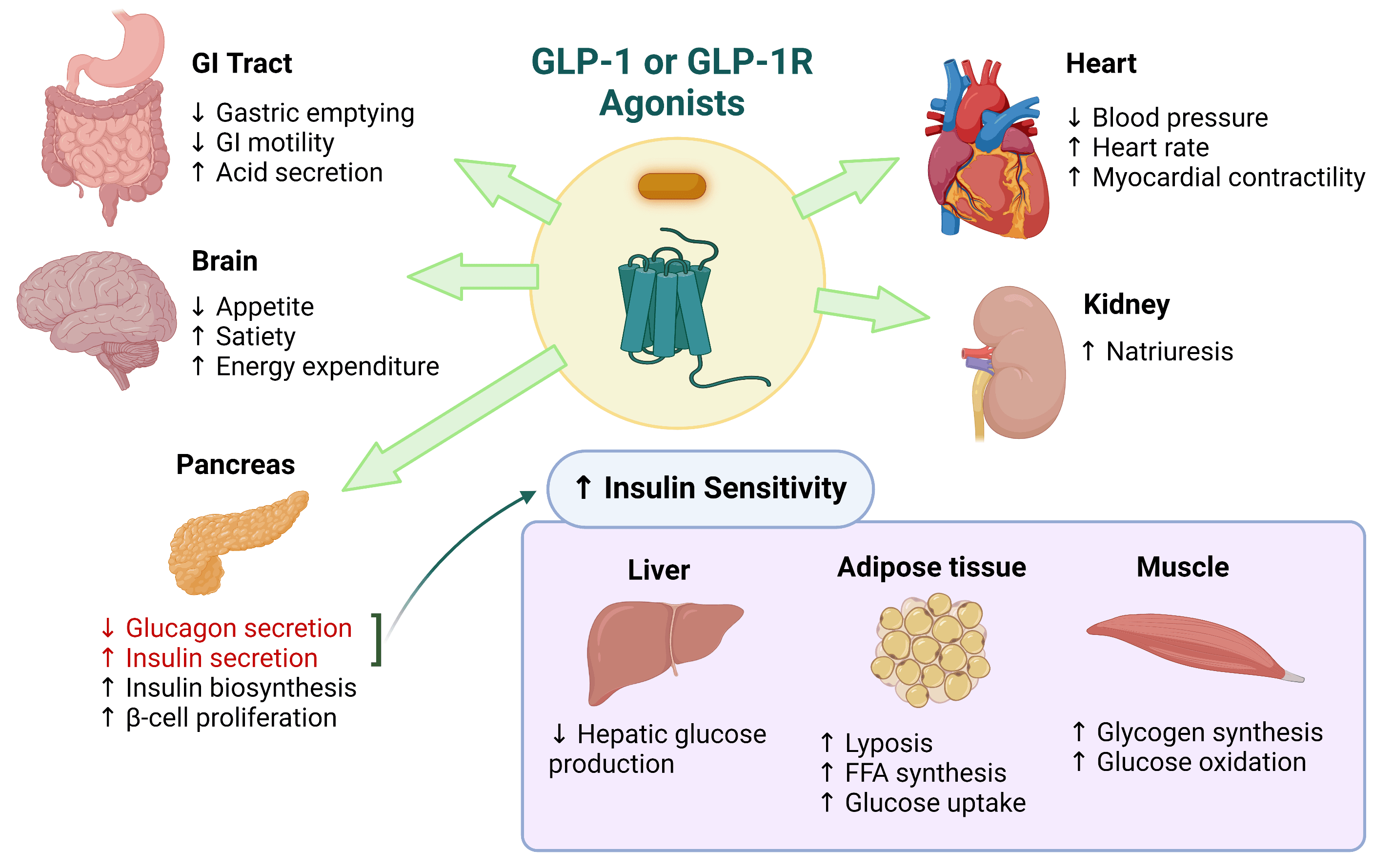
GLP-1 is secreted from neurons in the solitary tract nucleus of the brainstem, from enteroendocrine L cells, and from pancreatic cells. Each source acts on different target tissues, with a range of physiological effects.

Moving forward, it's essential to keep these visual contexts in mind when discussing Glp-1 Secreted By Ileal L Cells Weight Loss.
This review focuses on the role of appetite-regulating factor (Glucogan-like peptide 1) and inflammatory factor (Interleukin-6) in the gut and brain in individuals with obesity and draws insights from the current literature.
Within this pathway, cell-specific activation of discrete neuronal populations caused systemic GLP-1-like effects. These molecularly identified, delimited enteric circuits may be targeted to ameliorate the abdominal bloating and loss of appetite typical of gastric motility disorders.
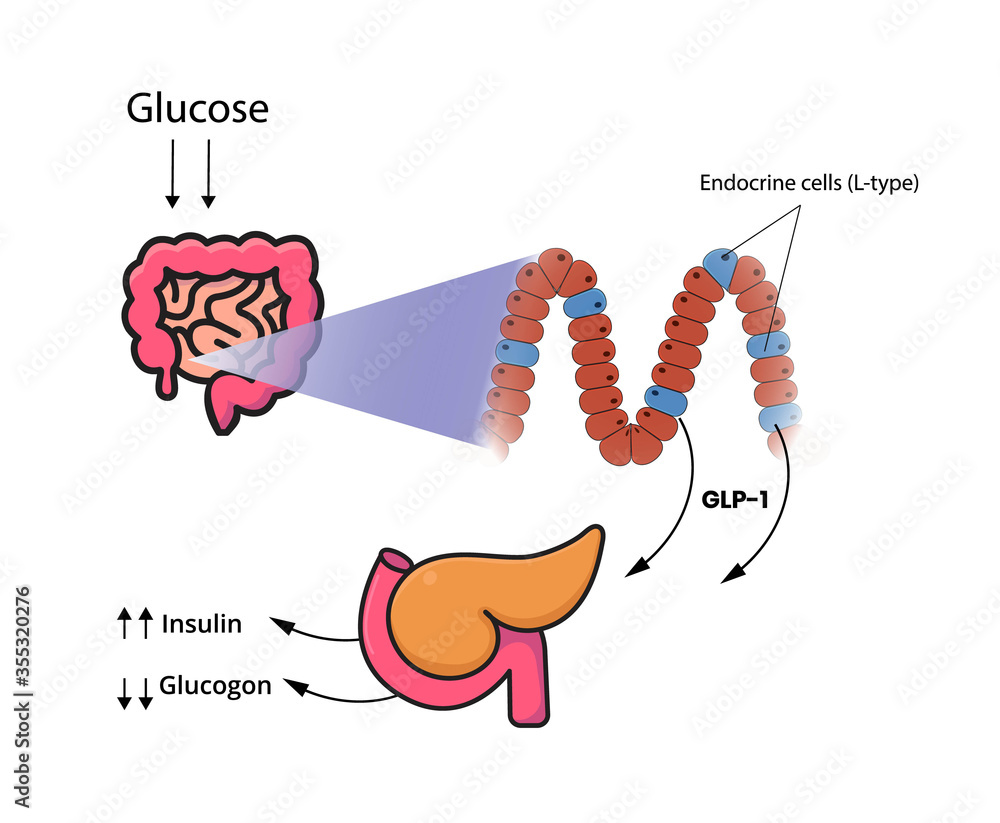
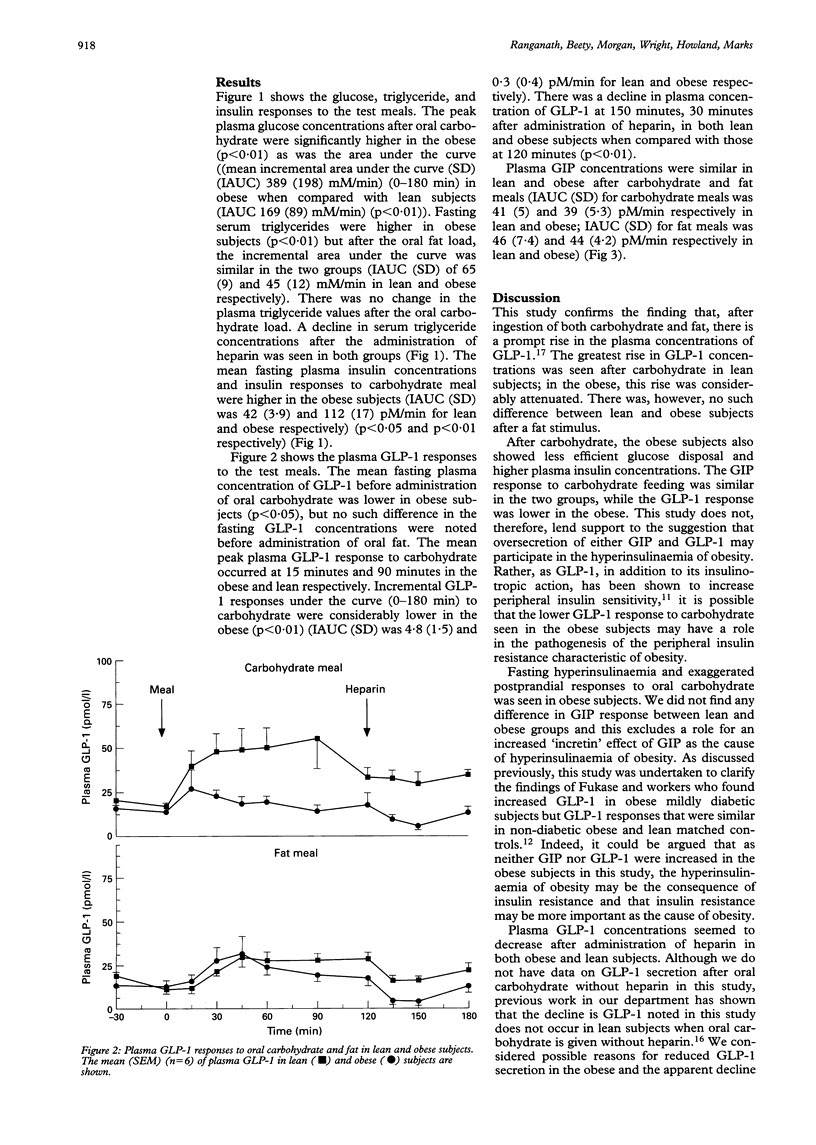
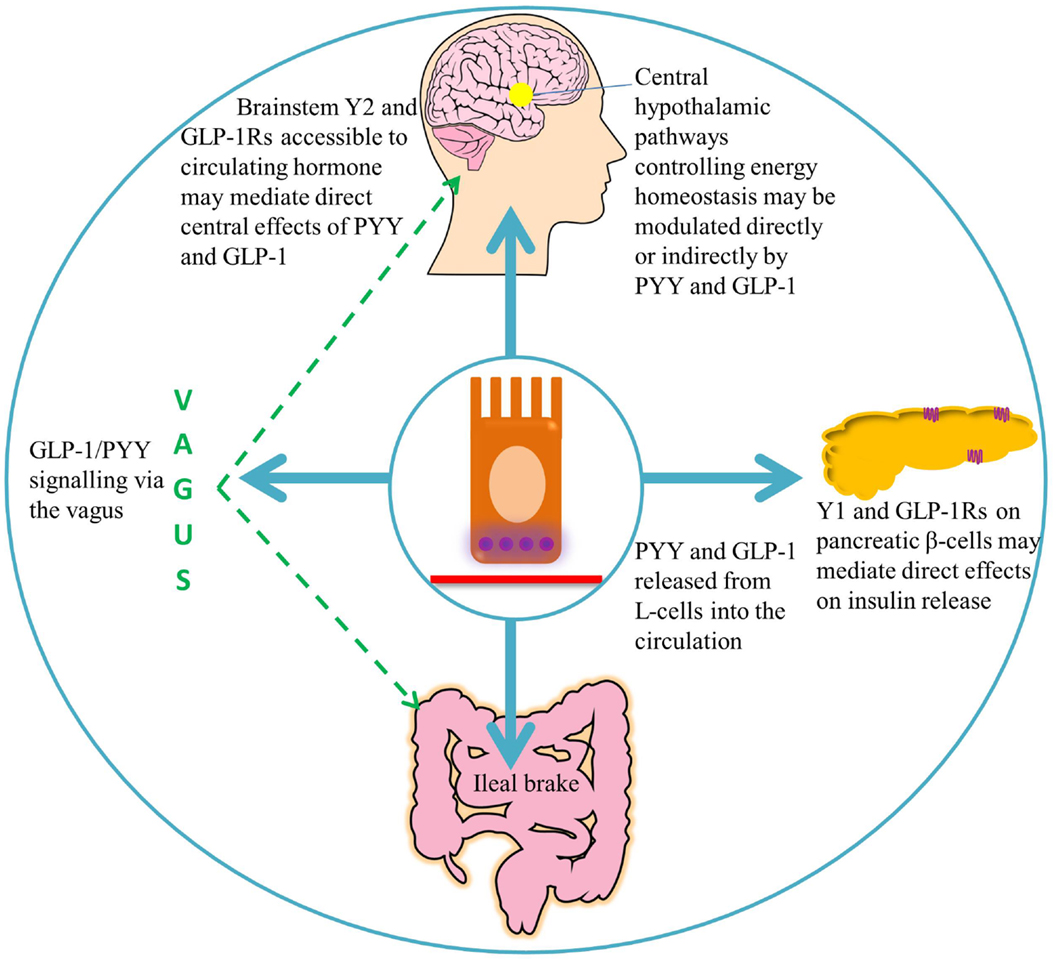
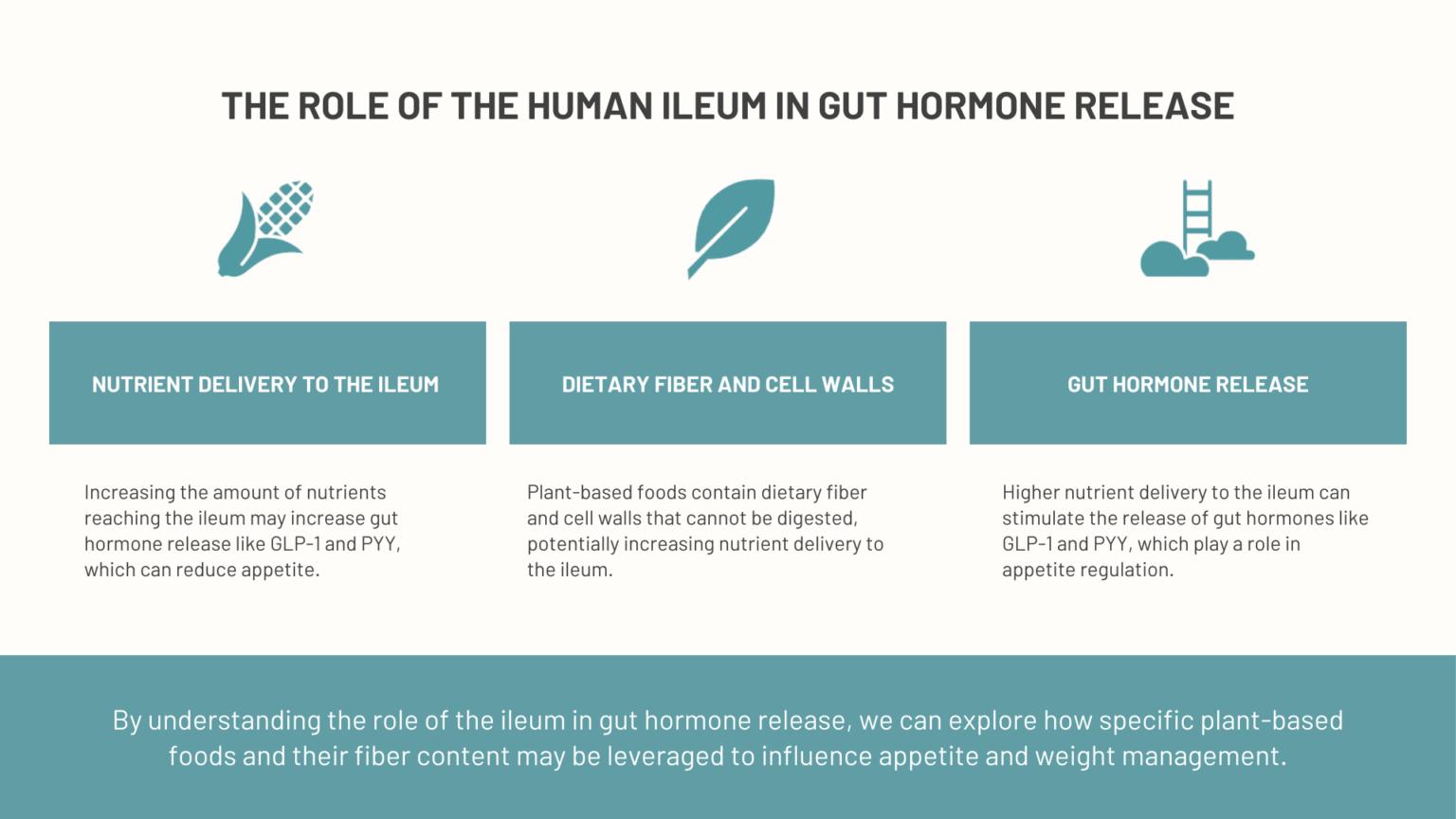
Representing an important part of the gutbrain axis, enteroendocrine L-cells secrete the anorectic peptide hormones glucagon-like peptide-1 (GLP-1) and peptide YY (PYY) in response to the ingestion of food.