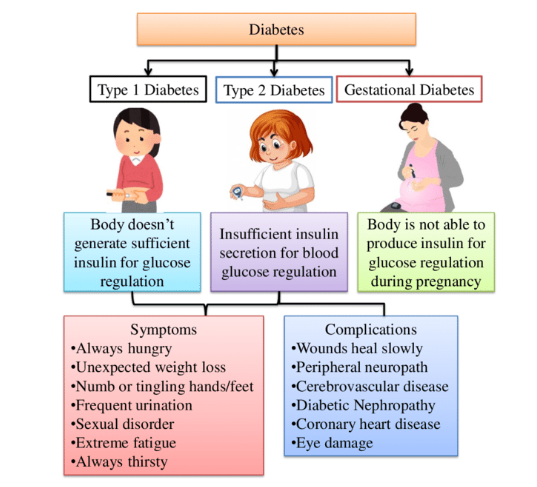
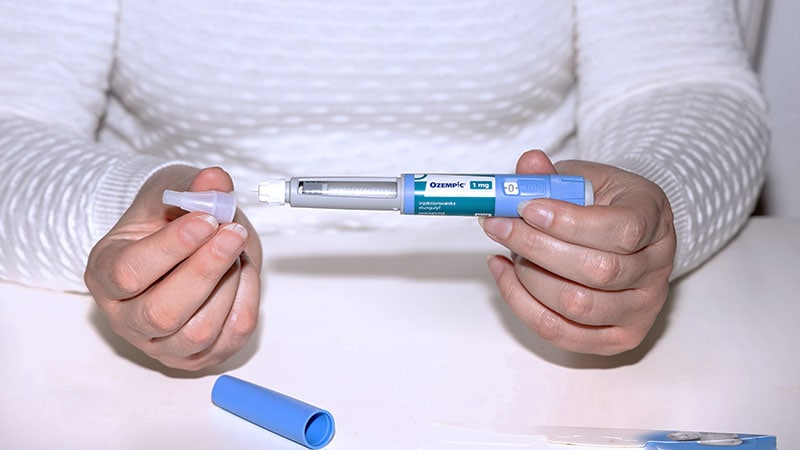
recent large, observational, population-based cohort study examined 938 pregnancies affected by type 2 diabetes mellitus and compared outcomes from periconceptional exposure to glucagon-like peptide-1 receptor agonists and insulin.
Our meta-analysis suggests that exposure to GLP-1 RAs during and before pregnancy may be associated with improved overall maternal outcomes, particularly a reduced risk of preterm birth.

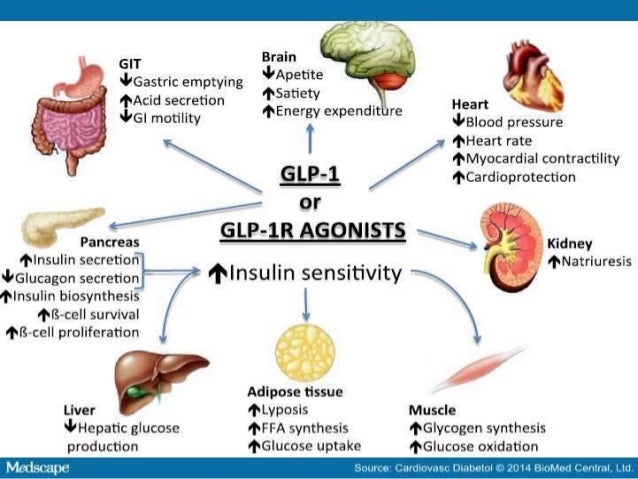
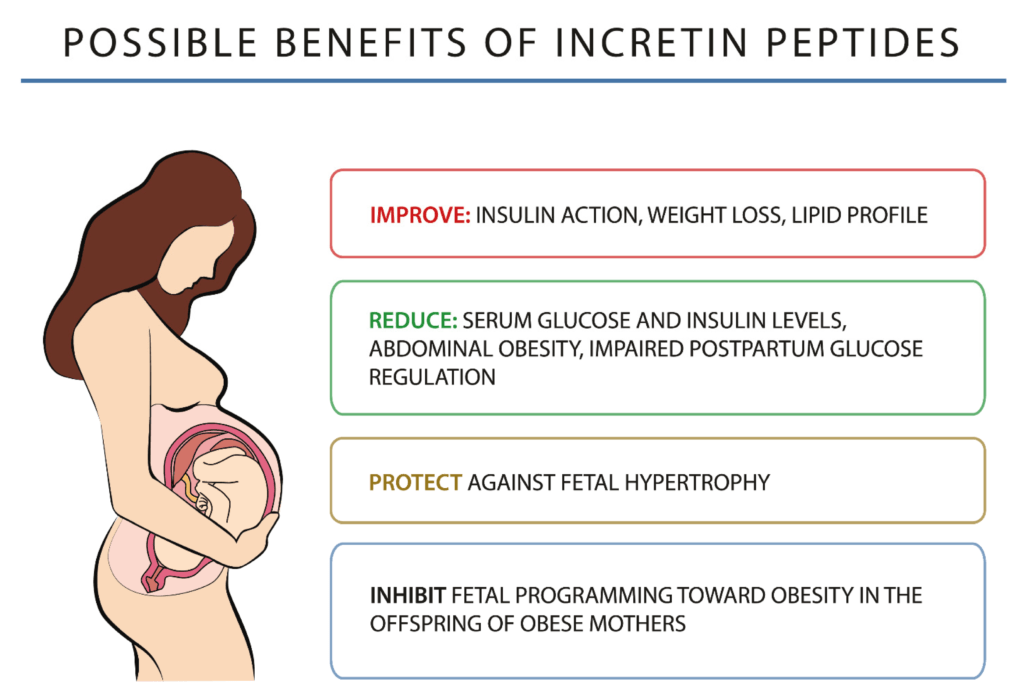
Glucagon-like peptide-1 (GLP-1) receptor agonists, initially developed for type 2 diabetes, have shown promise in managing GDM by improving glycemic control, enhancing insulin sensitivity, and assisting in weight management. However, safety and efficacy data in pregnancy remain limited.
For healthcare professionals managing diabetes and metabolic disease, understanding the reproductive implications of GLP-1 therapy is now essential. This article reviews current evidence and offers practical guidance on fertility, pregnancy safety, contraceptive planning, and care coordination.
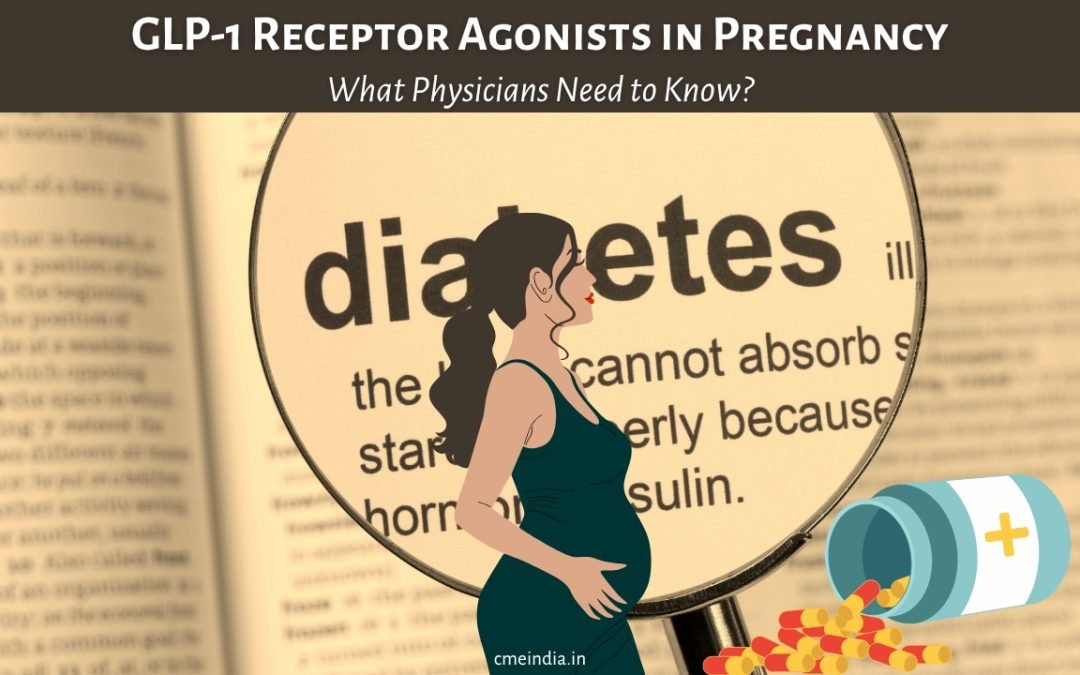
To evaluate the maternal and fetal clinical outcomes after exposure of GLP-1 RAs in a T2D first-trimester pregnant population. This retrospective cohort was based on a global database of electronic health records (EHRs) of more than 140 million patients.
For patients with T2DM who are planning pregnancy or who are already pregnant, the guideline-recommended treatment has traditionally been insulin and metformin.