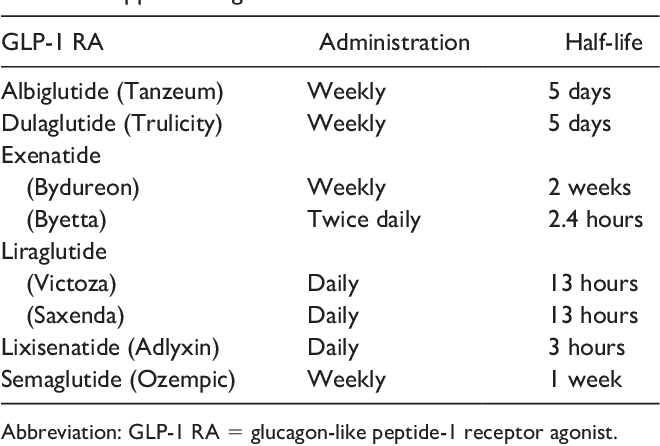
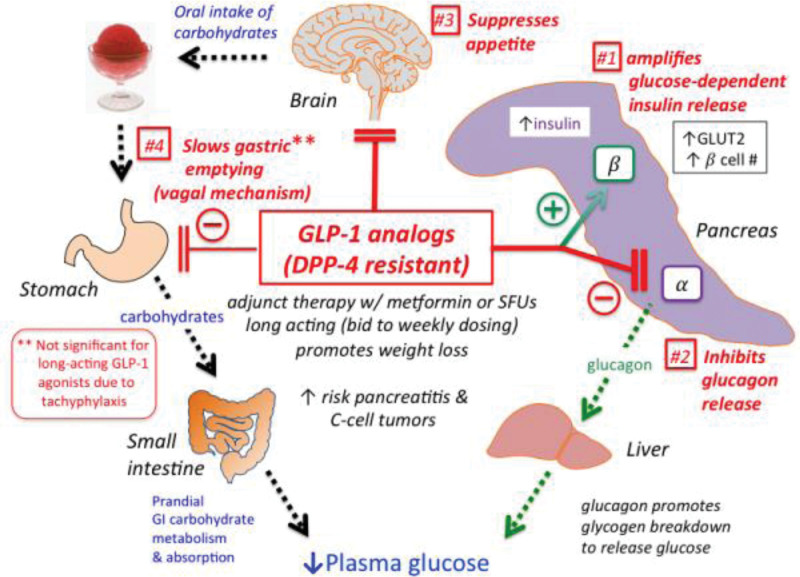
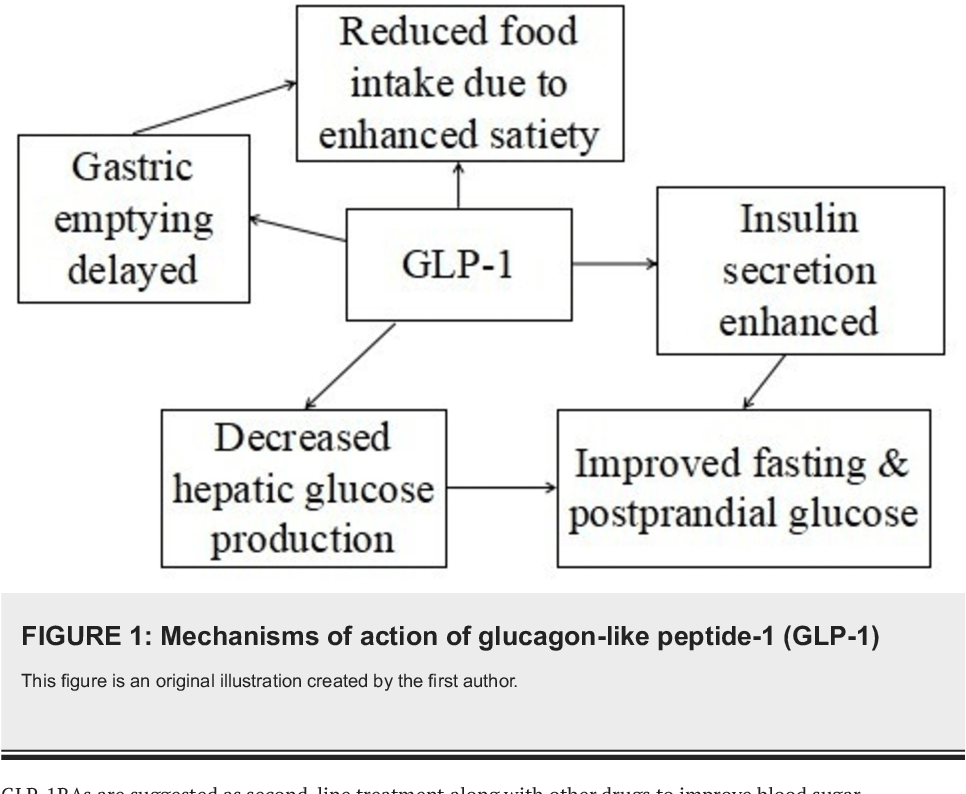
Glucagon-like peptide 1 receptor agonists (GLP1RAs) are used in the treatment of diabetes and obesity. Their slowing effect of gastric emptying might change oral drug absorption, potentially affecting pharmacokinetics, particularly in the case of medications with a narrow therapeutic index.
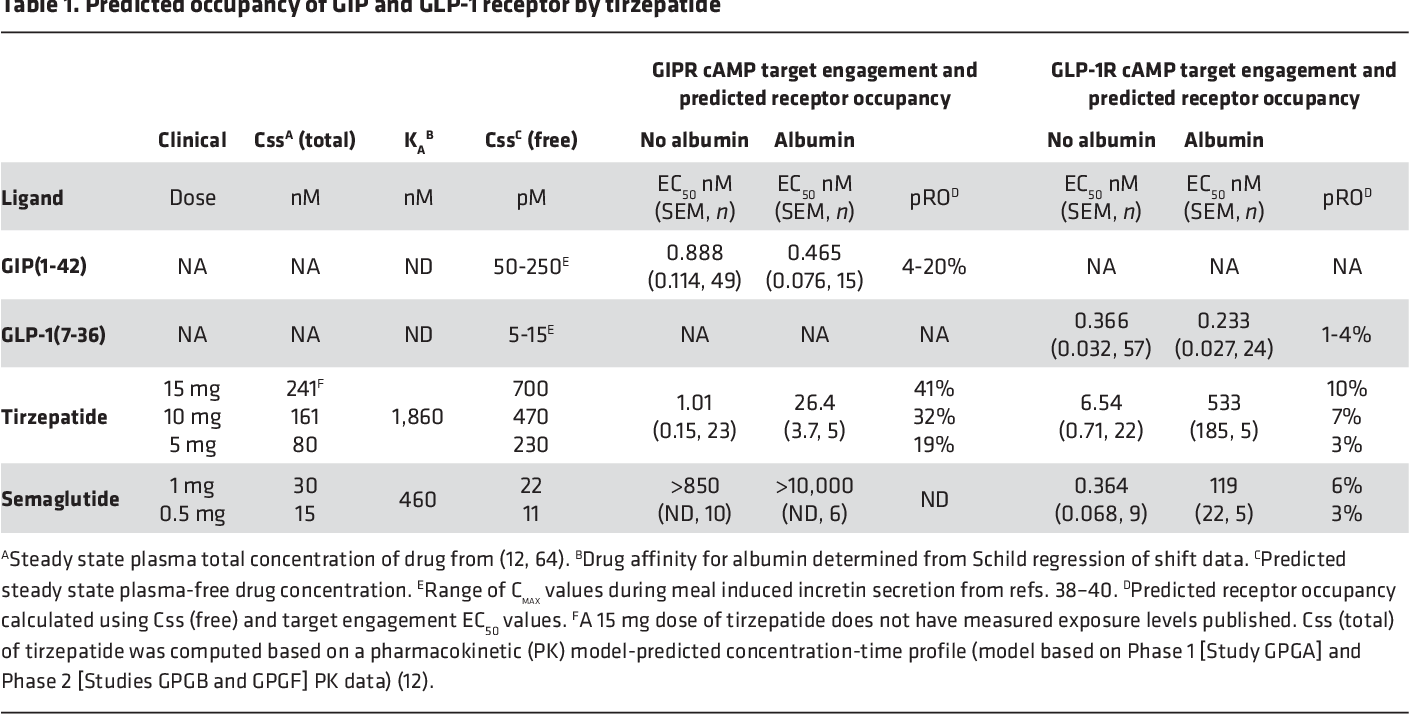
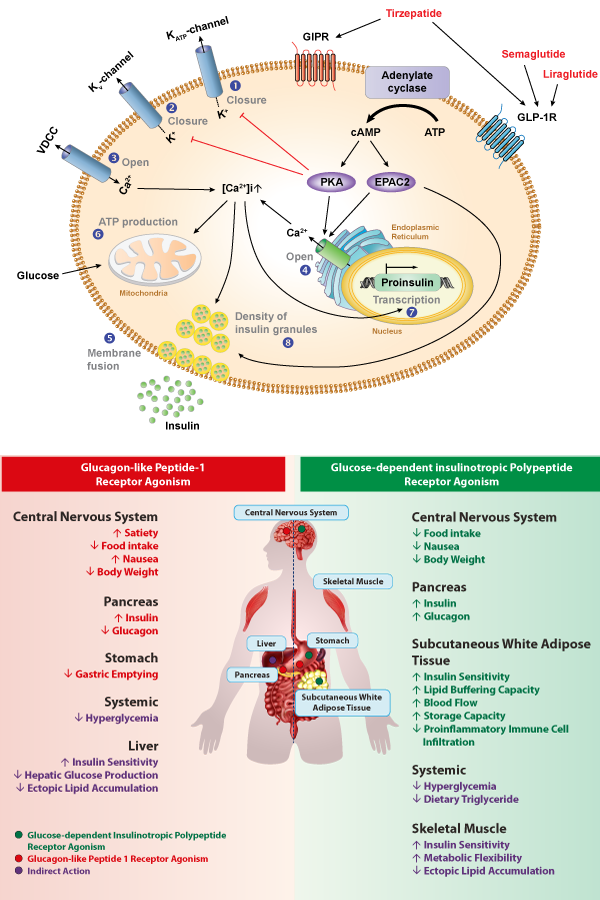
The novel dual glucose-dependent insulinotropic polypeptide and glucagon-like peptide-1 (GLP-1) receptor agonist tirzepatide transiently delays gastric emptying similarly to selective long-acting GLP-1 RAs.

We specifically focused on studies on the relationship between GLP-1 and gastric emptying and pre-operative management of individuals on GLP-1 receptor agonist-based therapy.

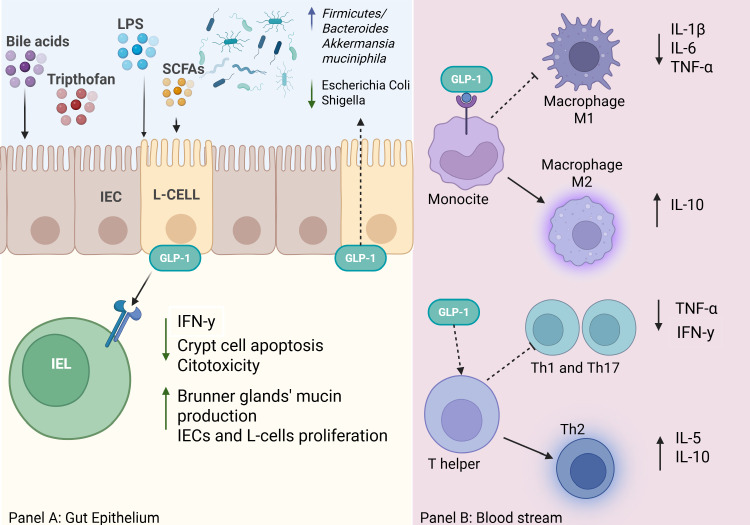
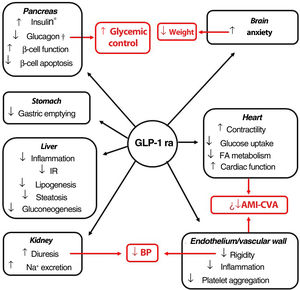
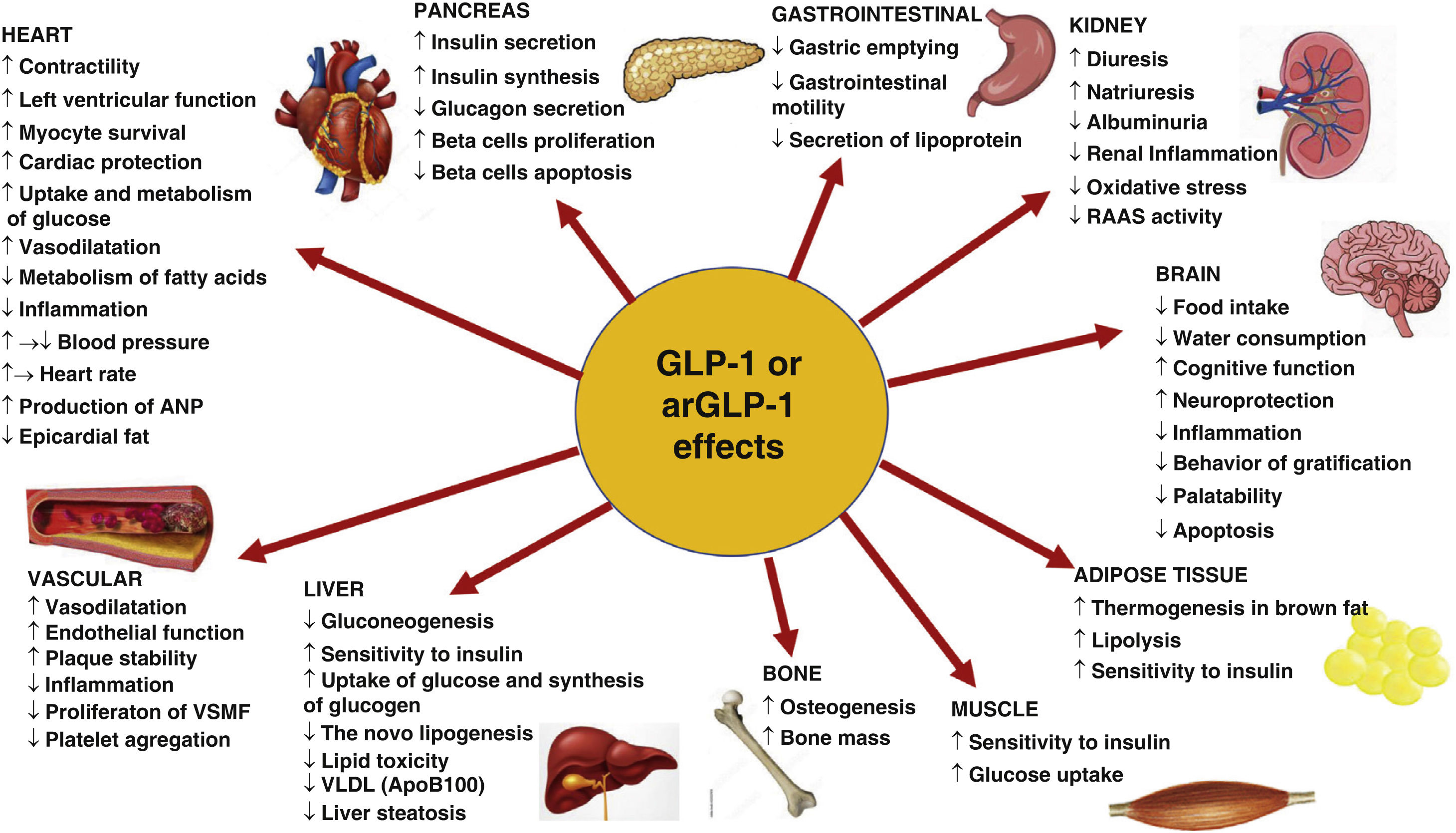
In this review, we summarize the effects of GLP-1 and incretin-based therapeutics on gastric, biliary and small intestinal function. An improved understanding of these effects will optimize the use of these drugs.
Notably, uncontrolled diabetes itself can delay gastric emptying, and as GLP1-RA treatment may exacerbate these symptoms, a shared decision-making approach acknowledging these potential AEs must be implemented.