Products such as grape juice, jelly, leaves, grape seed oil and wine have not been associated with toxicosis, likely because processing removes or reduces tartaric acid. Because tartaric acid content can vary widely and sensitivity differs between dogs, the exact toxic dose or number of ingested grapes that can cause harm is not entirely known.
Pathogenesis of Grape, Raisin, and Tamarind (Vitis spp, Tamarindus spp) Toxicosis in Dogs Ingestion of grapes, raisins, and Zante currants, all members of the Vitis genus, has occasionally been associated with development of renal failure in dogs.
That natural variation could explain why some grapes seem more dangerous than others and why individual cases look so different. Dogs appear uniquely unable to process this compound the way humans and many other animals can.
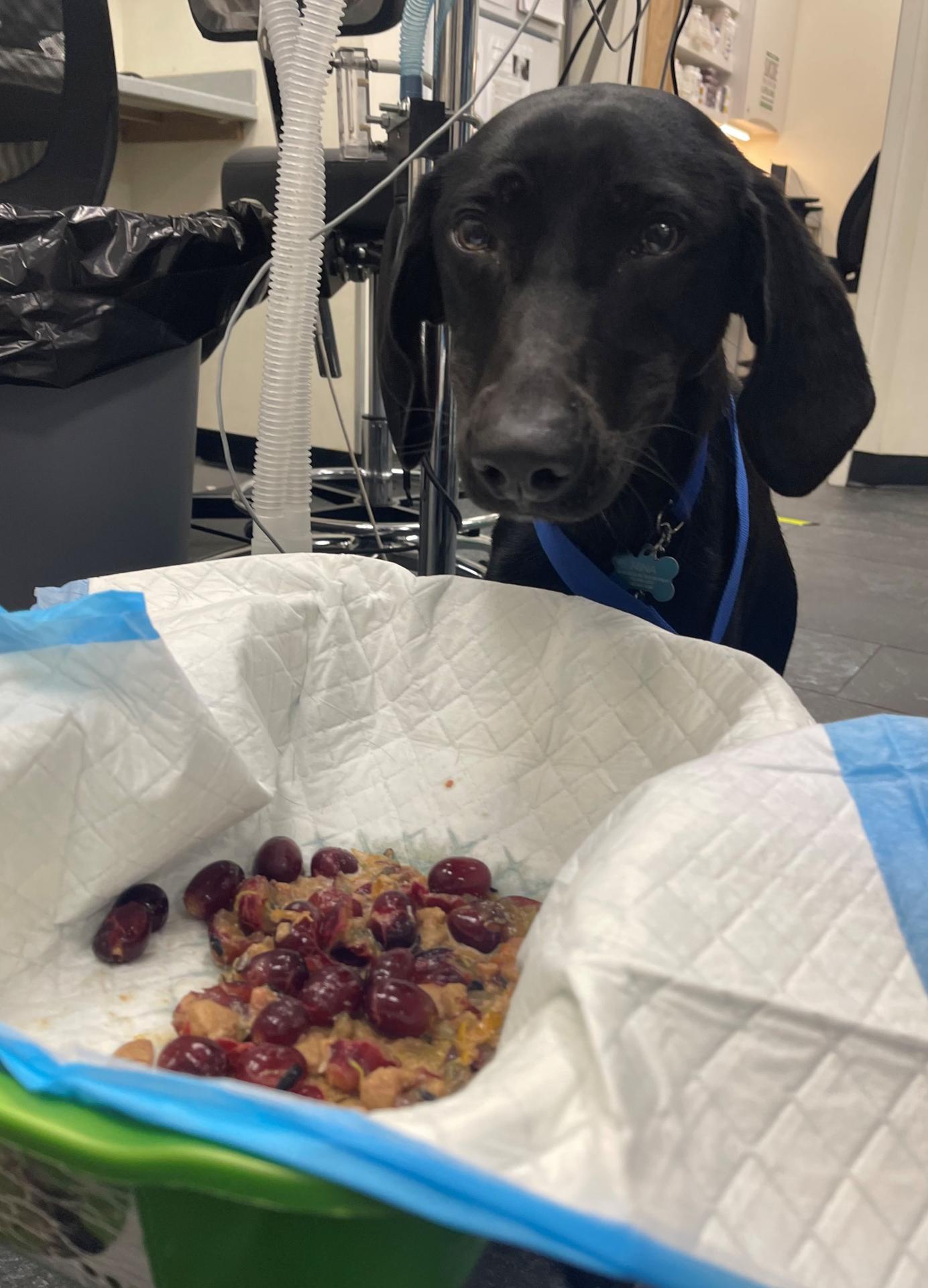
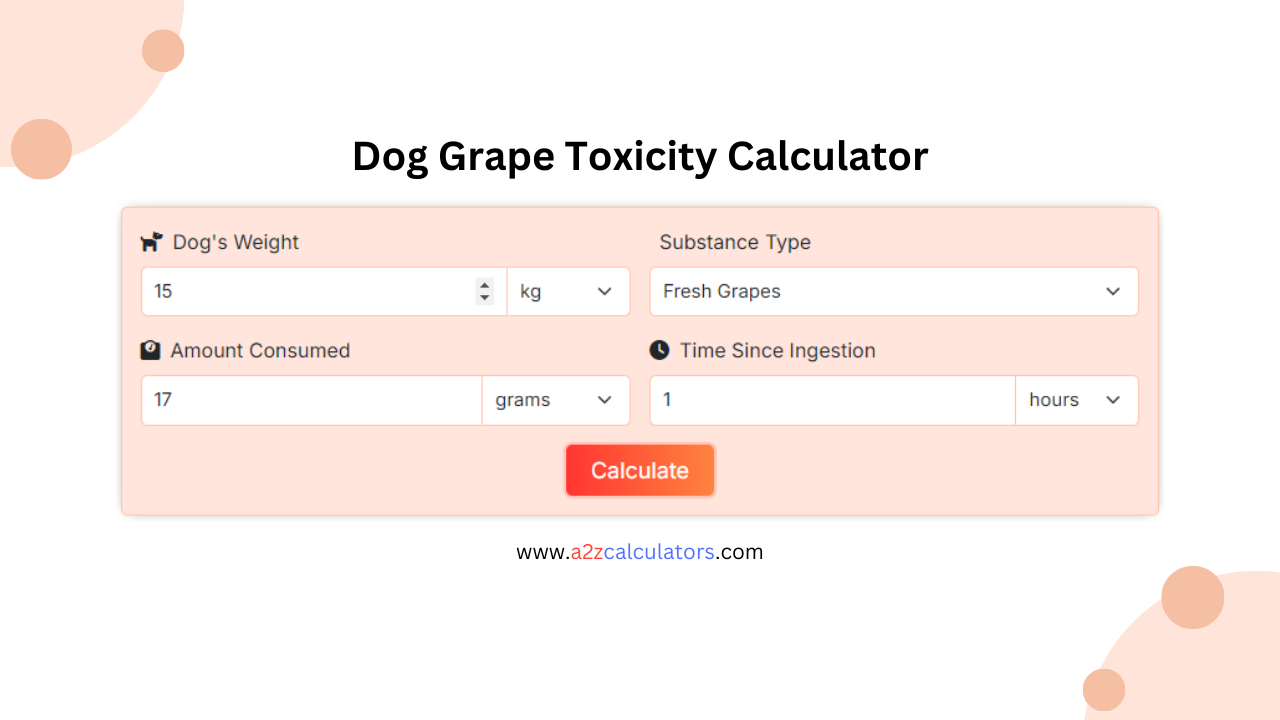
How Much Grape Juice Is Toxic To Dogs Grapes and grape products, such as grape juice, are a popular and refreshing treat for many people. However, when it comes to our furry friends, grapes can be extremely toxic to dogs. Even a small amount of grape juice can be harmful and potentially fatal to our canine companions. Grapes can be toxic to all dogs, regardless of breed, size, or age, and the quantity of grapes ingested is not always a clear predictor. Ingestion of grape juice, grape vines, or grape pressings from wineries may also be toxic for dogs. This calculator helps you determine whether your dog is at risk after accidentally ingesting grapes or raisins. By inputting your dogs weight and the number of grapes or raisins consumed, the tool estimates toxicity risk levels, provides guidance on urgent veterinary care, and helps you act quickly. Are grapes toxic to dogs? Grapes are toxic to dogs, though the exact substance causing harm is still not fully identified. Consider: Unknown toxin: While the mechanism remains unclear, tartaric acid is a leading suspect in current research. Universal risk: All forms, grapes, raisins, jam, juice, currants, can cause poisoning, regardless of seed content or colour. What is the dog grape toxicity calculator? The Dog Grape Toxicity Calculator is an essential online tool for pet parents who want to act quickly when their dogs ingest grapes or raisins. While grape toxicity remains unpredictable, weight-based calculations provide valuable risk assessments and guide owners in making urgent decisions. Can a dog eat grape juice? Products such as grape juice, jelly, leaves, grape seed oil and wine have not been associated with toxicosis, likely because processing removes or reduces tartaric acid. Because tartaric acid content can vary widely and sensitivity differs between dogs, the exact toxic dose or number of ingested grapes that can cause harm is not entirely known. What happens if a dog eats a grape? Dogs following ingestion of grapes or raisins may develop vomiting, lethargy, dehydration, or signs of kidney dysfunction. High concentrations in grapes, possibly including tartaric acid, are believed to cause toxicity in affected dogs. While dogs may also suffer mildly in some cases, others have died even after consuming a single grape. What role do veterinarians play in treating grape toxicity in pets, and how can pet owners work with them to ensure the best possible outcome? Veterinarians play a critical role in treating grape toxicity in pets, as they are responsible for diagnosing the condition, developing a treatment plan, and providing ongoing care and management.
This calculator helps you determine whether your dog is at risk after accidentally ingesting grapes or raisins. By inputting your dogs weight and the number of grapes or raisins consumed, the tool estimates toxicity risk levels, provides guidance on urgent veterinary care, and helps you act quickly.