Applications submitted on or after re required to meet Version 4 of the Toronto Green Standard. Tier 1 performance measures must be met and compliance is reviewed through the planning approval process.
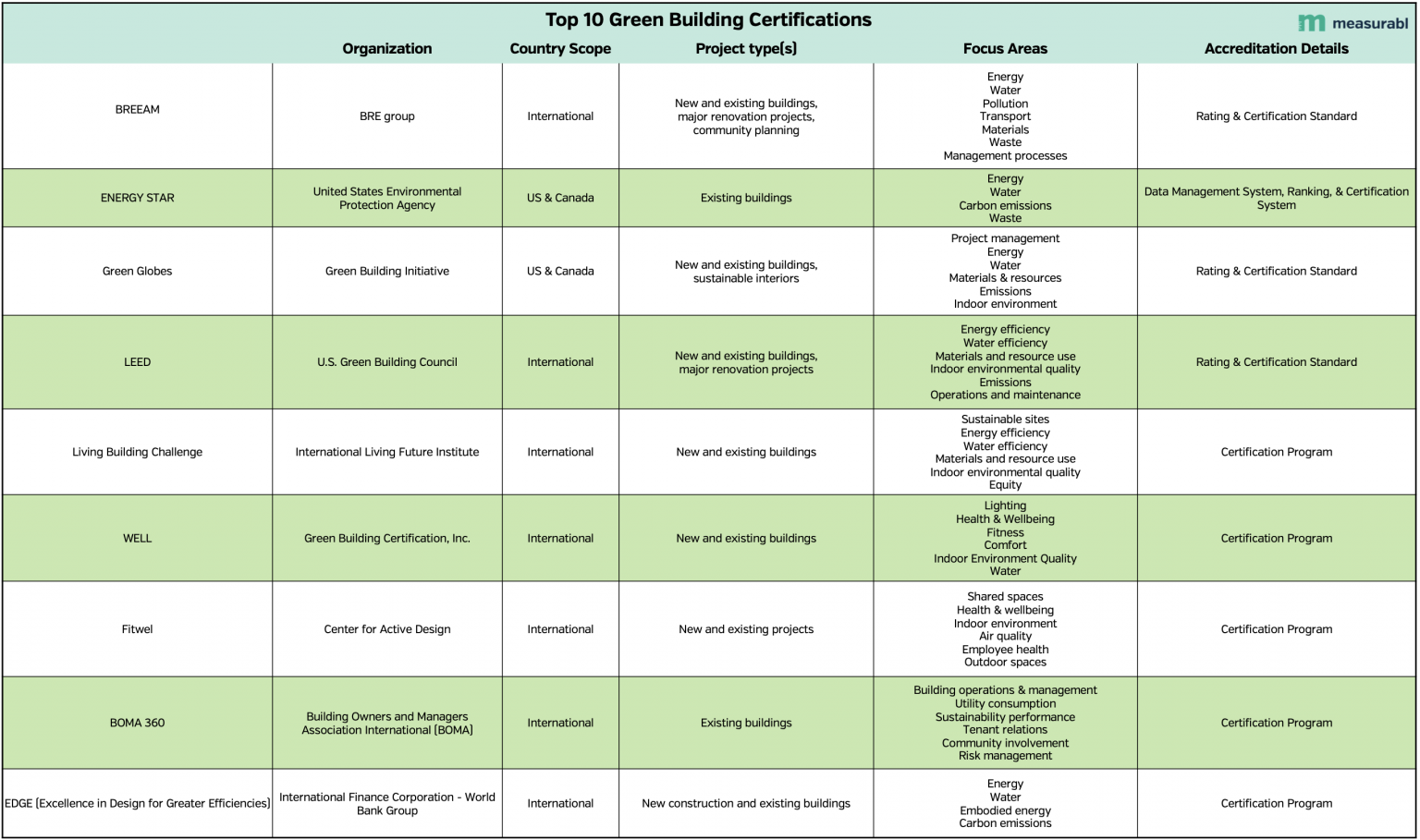
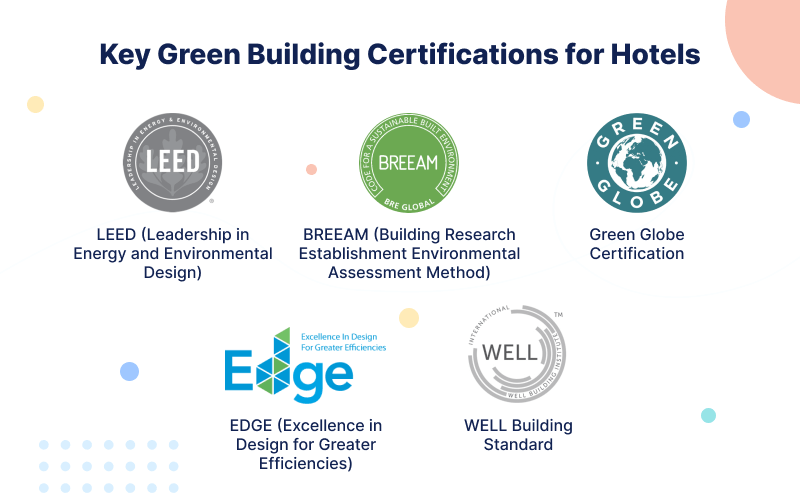
A standard is a set of guidelines and criteria against which a product can be judged. Common standards related to building practices are created through consensus processes by organizations such as ANSI, ASTM, or ASHRAE. Supporting the governance of standards and certifications is the International Standards Organization (ISO), which defines and de... See full list on wbdg.org Green building codes continue to be developed and adopted in the U.S. and abroad that seek to push the standard of building design and construction to new levels of sustainability and performance. Codes come in two basic formats: prescriptive and performance, with outcome-based becoming a developing third option. A Prescriptive path is a fast, defi... See full list on wbdg.org A certificationis a confirmation that a product meets defined criteria of a standard. ISO defines certification as: "any activity concerned with determining directly or indirectly that relevant requirements are fulfilled." Green product certifications are intended to outline and confirm that a product meets a particular standard and offers an envir... See full list on wbdg.org Both standards and product certifications will play a role in determining the level of sustainability or performance of a product. However, each must be considered as part of a larger process, integrating them into the overall project goals to ensure the entire project is sustainable. Green building rating or certification systemsbroaden the focus ... See full list on wbdg.org The following table and the expanded information directly below it outlines several of the most commonly used and respected green building rating and certification systems in the U.S. marketplace. See full list on wbdg.org Certification systems for high-performance green buildings (as defined at 42 U.S.C. 17061) assess occupant health, economic, and/or environmental aspects of buildings as a whole. They may include, but are broader than, consideration of specific products, materials, and ecolabels. Read One Click LCA's comprehensive guide covering the Toronto Green Standard and learn how to comply with TGS v4 design and performance requirements. Explore the LEED project directory to view LEED-certified project profiles, including project details, a credit scorecard, and photos. LEED is the most widely used green building rating system. The National Green Building Standard (NGBS) is an ANSI-approved, third-party certified, residential building standard that provides a flexible and affordable way to verify your green construction practices in your single-family, multifamily, remodeling and land development projects.
Certification systems for high-performance green buildings (as defined at 42 U.S.C. 17061) assess occupant health, economic, and/or environmental aspects of buildings as a whole. They may include, but are broader than, consideration of specific products, materials, and ecolabels.
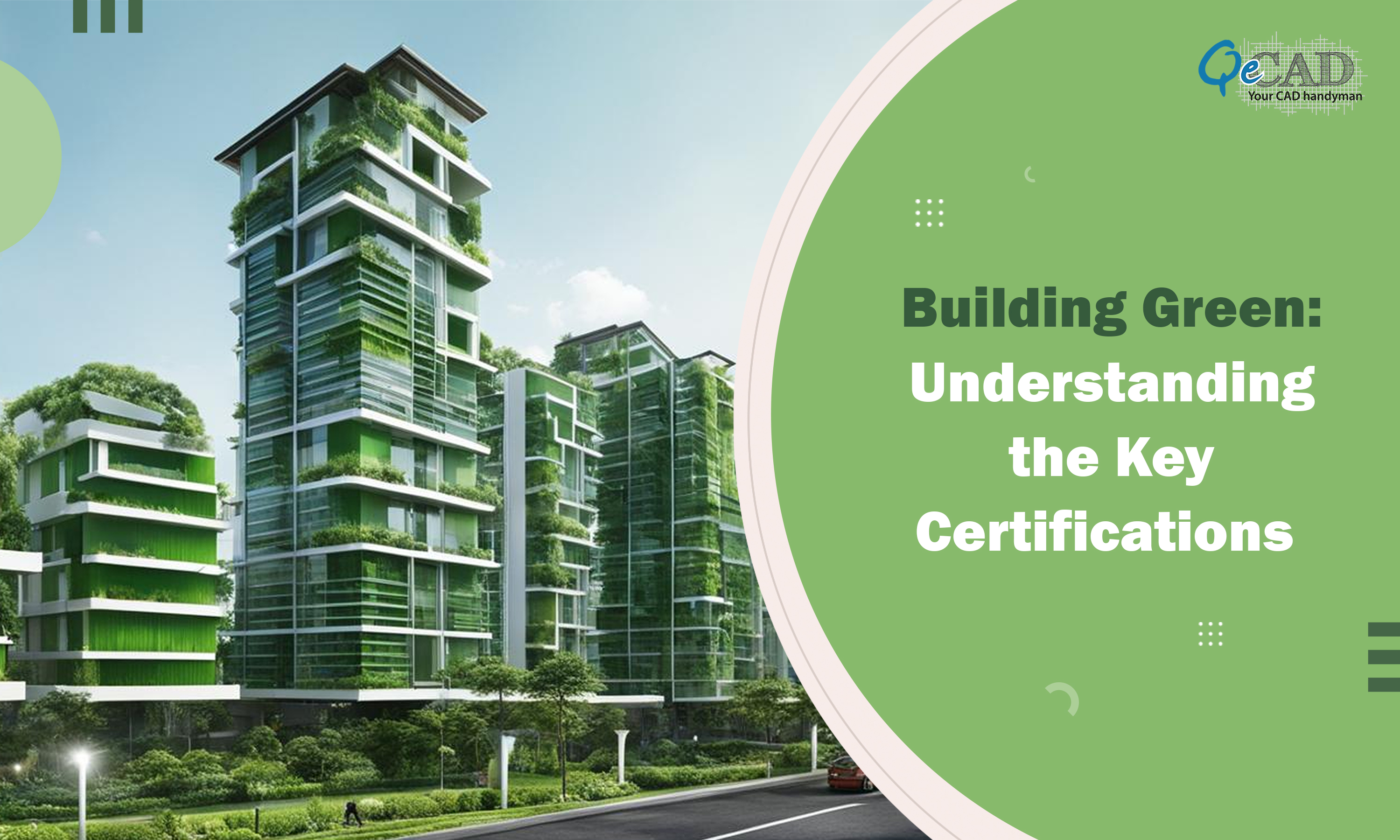
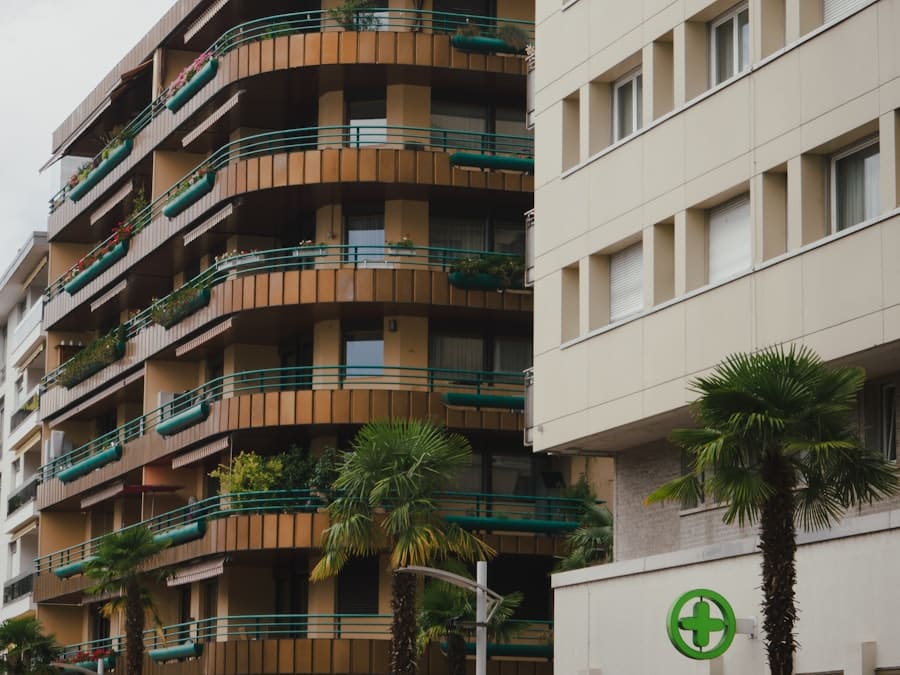
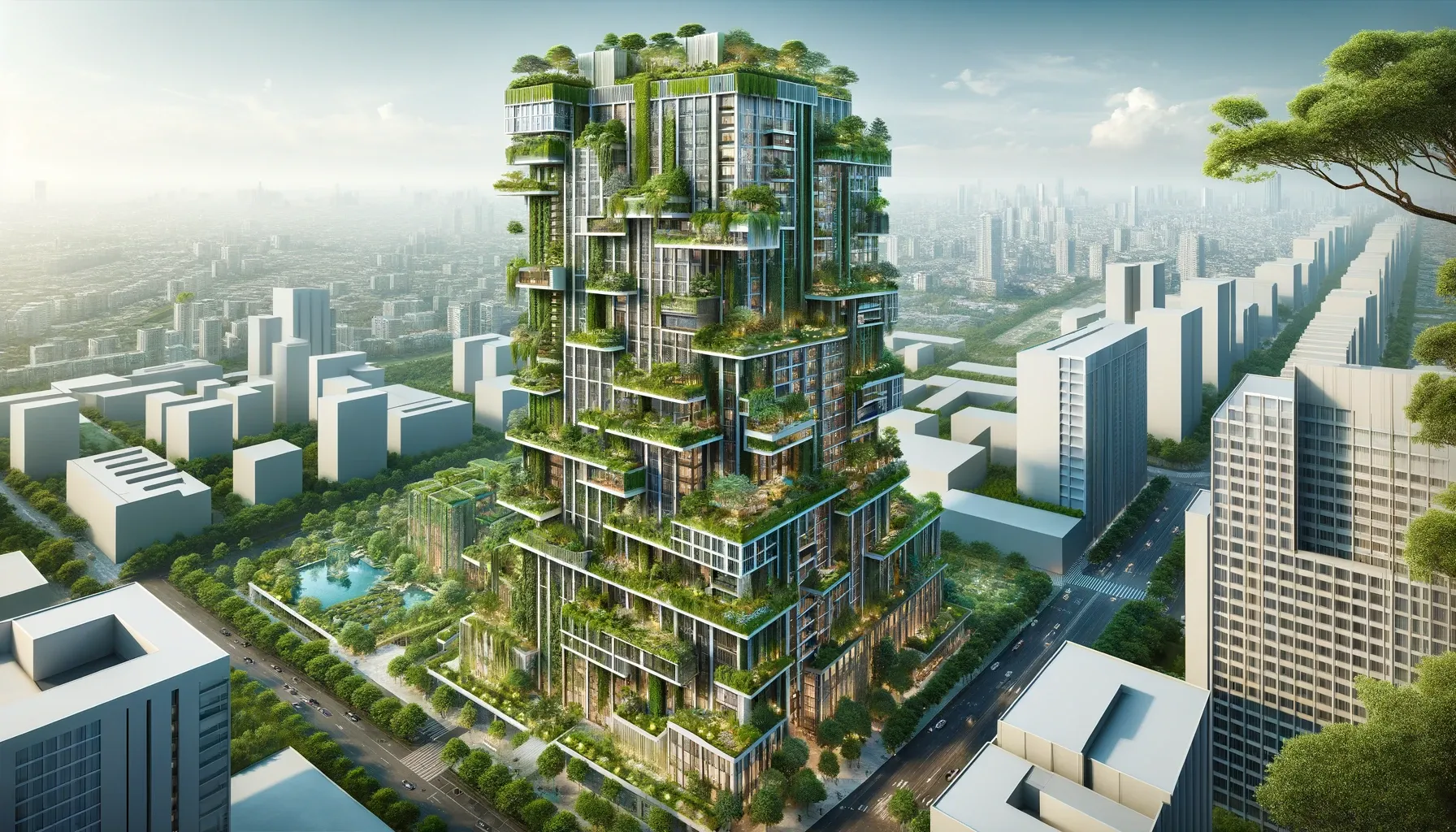
This particular example perfectly highlights why Green Building Certifications For High-Rise Apartment Buildings is so captivating.
Read One Click LCA's comprehensive guide covering the Toronto Green Standard and learn how to comply with TGS v4 design and performance requirements.
The National Green Building Standard (NGBS) is an ANSI-approved, third-party certified, residential building standard that provides a flexible and affordable way to verify your green construction practices in your single-family, multifamily, remodeling and land development projects.
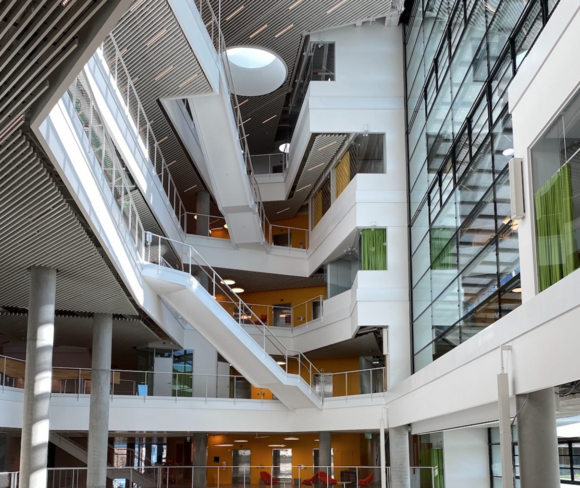
As we can see from the illustration, Green Building Certifications For High-Rise Apartment Buildings has many fascinating aspects to explore.
A new green multifamily building or the residential portion of a mixed-use building can earn Bronze, Silver, Gold, or Emerald certification. The level depends on the number of green practices successfully incorporated in its design and construction.