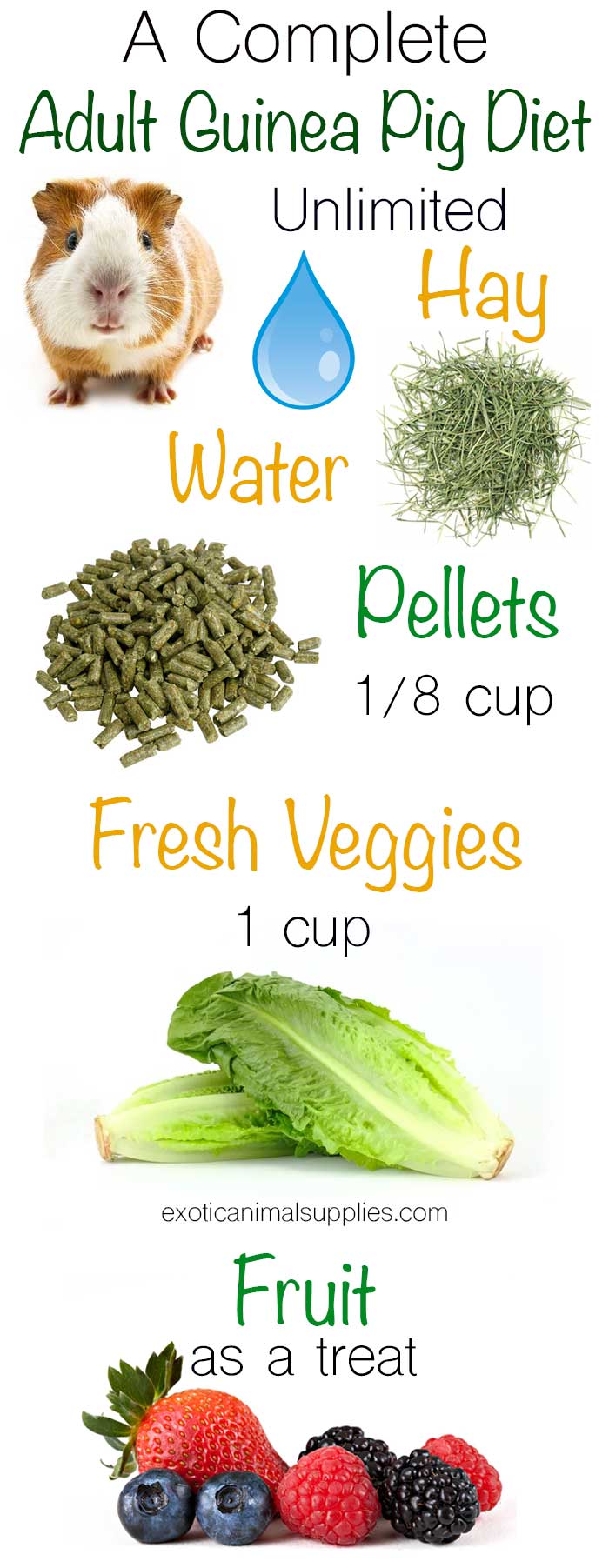
Ask your veterinarian for pellet recommendations. Guinea pigs are often picky and form food preferences early. When getting a new guinea pig, try to maintain the diet its used to, or introduce new foods slowly. Offer a variety of high-fiber pellets, small amounts of vegetables, and limited fruit to broaden its diet.
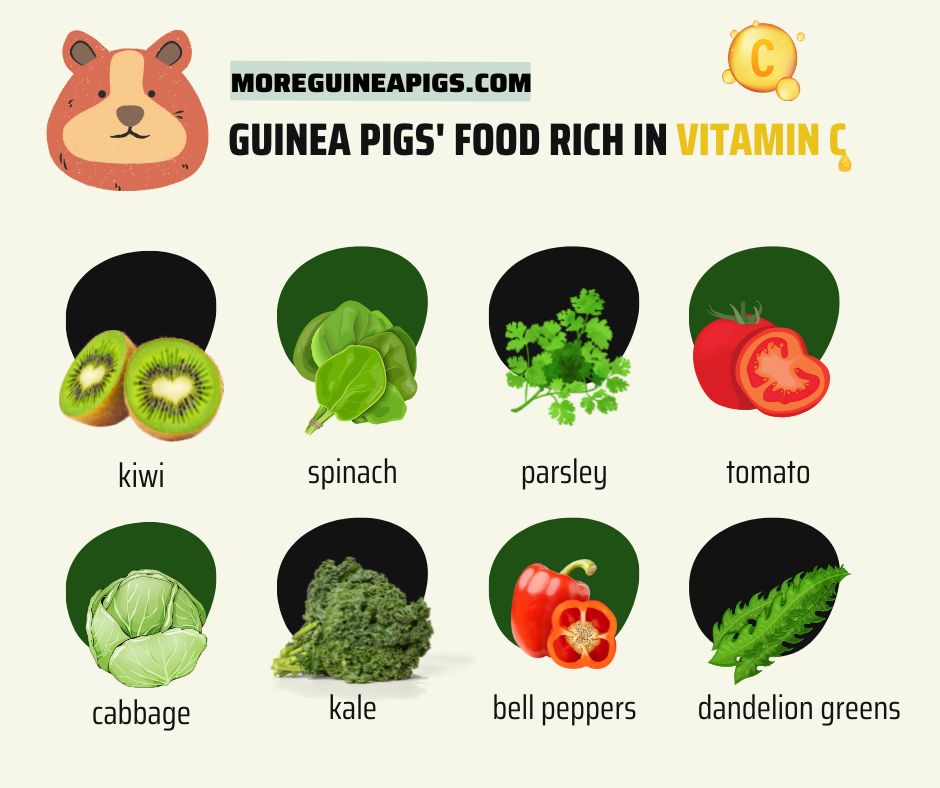
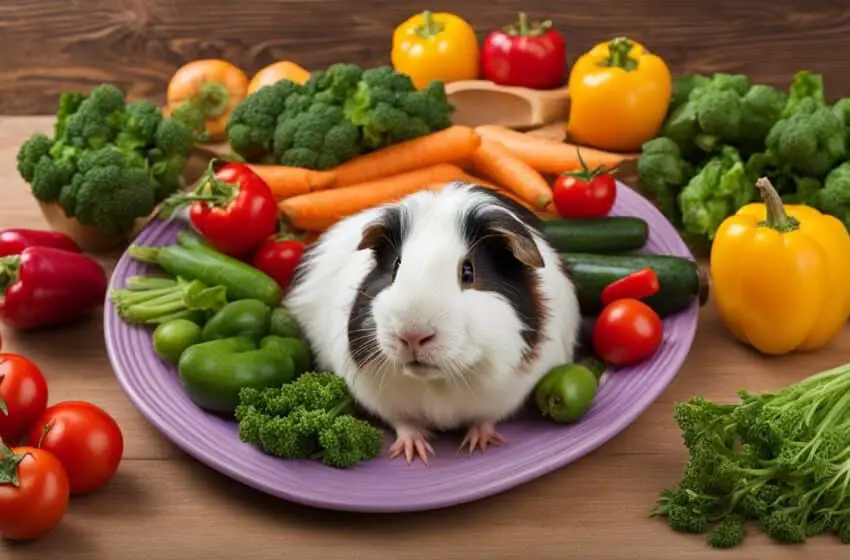
Try to include at least one high vitamin C veggie in your guinea pigs diet daily. Calcium content is also a crucial component in your guinea pigs diet. Piggies are prone to bladder stones, so be sure to balance each high-calcium food with 2-3 mid to low-calcium veggies.
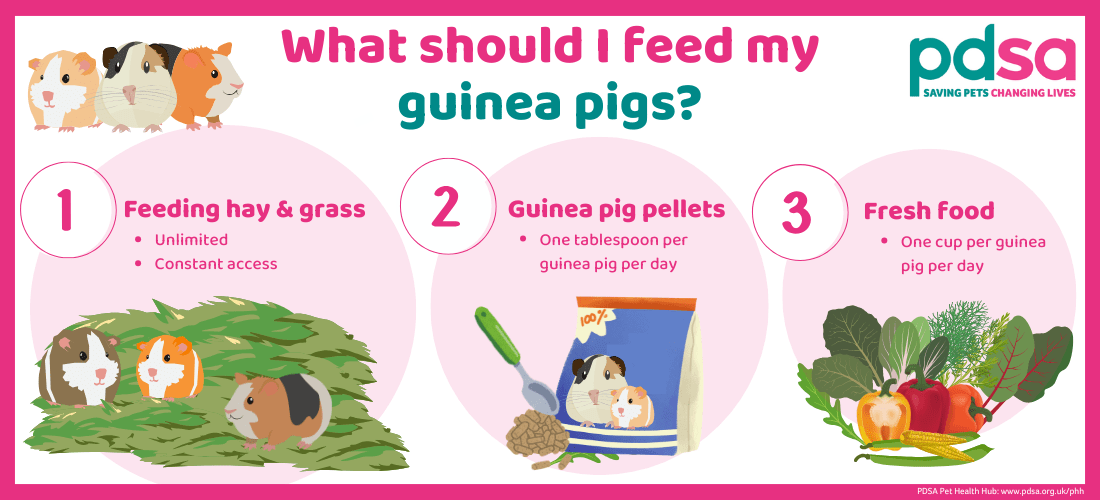
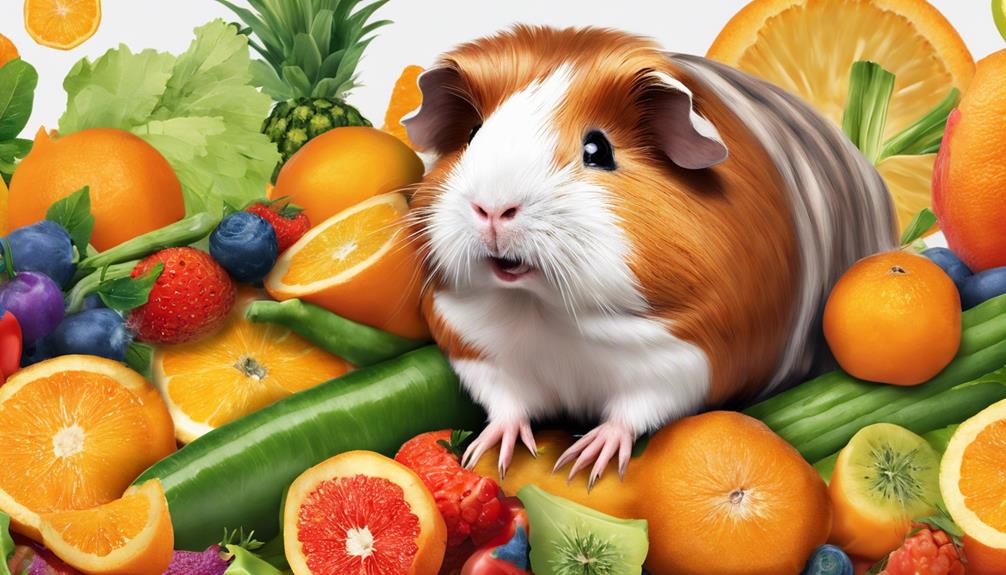
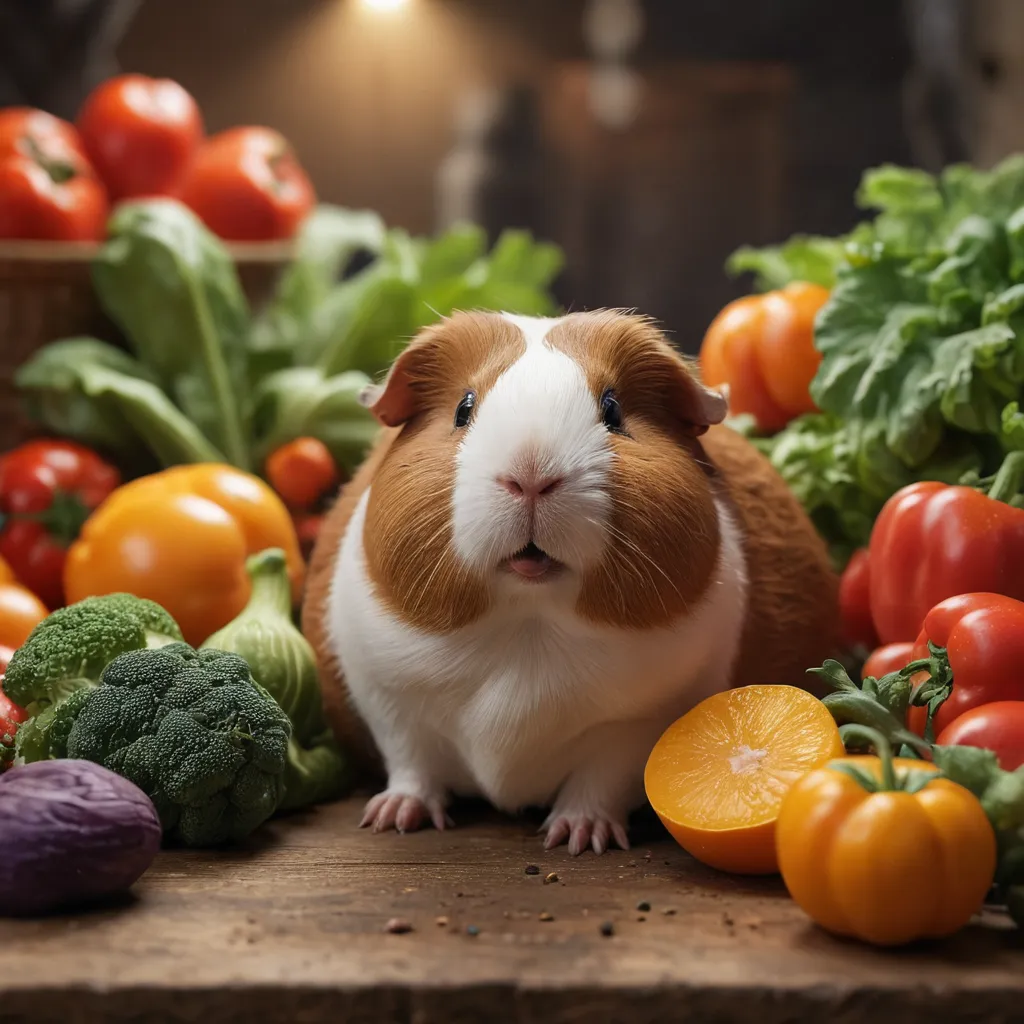
As we can see from the illustration, Guinea Pig Food And Vitamin E Sources has many fascinating aspects to explore.
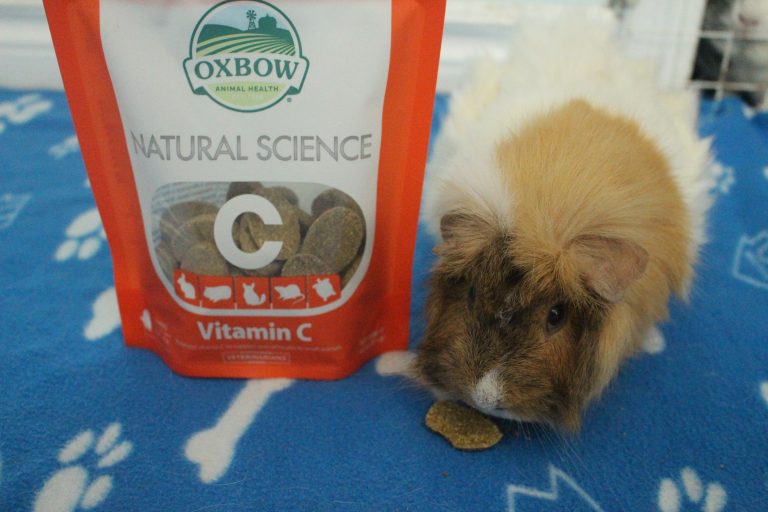
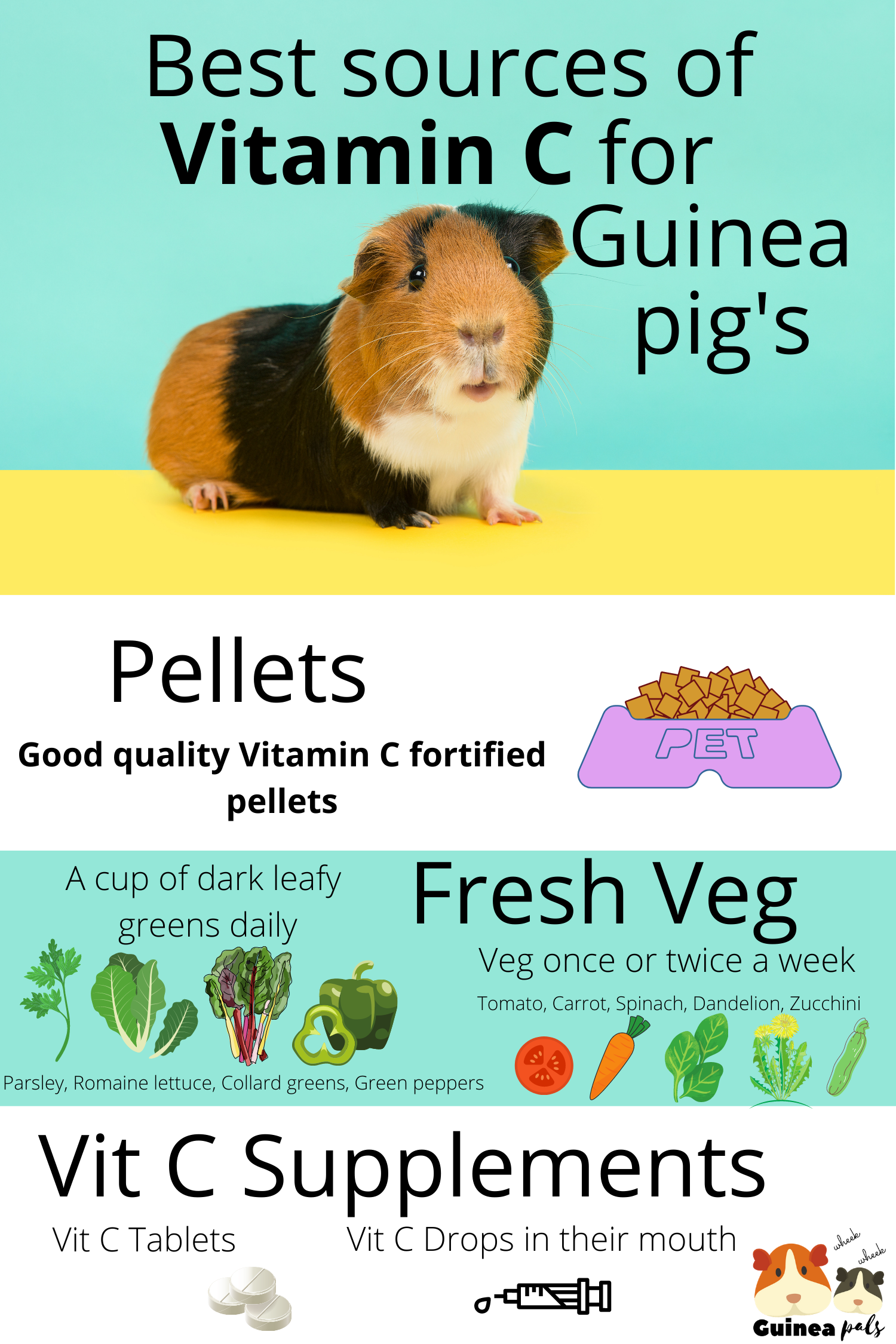
What can guinea pigs eat? And how much? Guinea pigs don't usually overeat, but it's important to provide the proper balance of pellets, hay and fresh vegetables. Like human beings, guinea pigs cannot make their own vitamin C, so they require vitamin C-rich foods in their daily diet. Inadequate vitamin C can lead to scurvy, signs of which include a weakened immune system, abnormal bone and ...
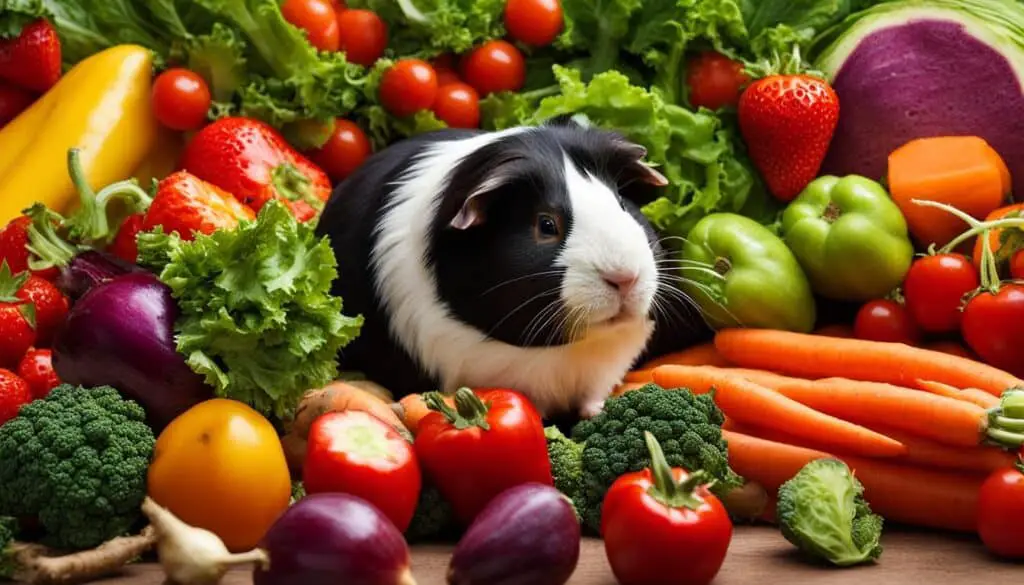
Furthermore, visual representations like the one above help us fully grasp the concept of Guinea Pig Food And Vitamin E Sources.
Vitamin E is especially important for a healthy heart and good physical condition of pregnant guinea pigs. When breeding, sows can have vitamin E oil; it can be added to the diet should the commercial guinea pig food be less than 50mg of vitamin E per kilogram of food.
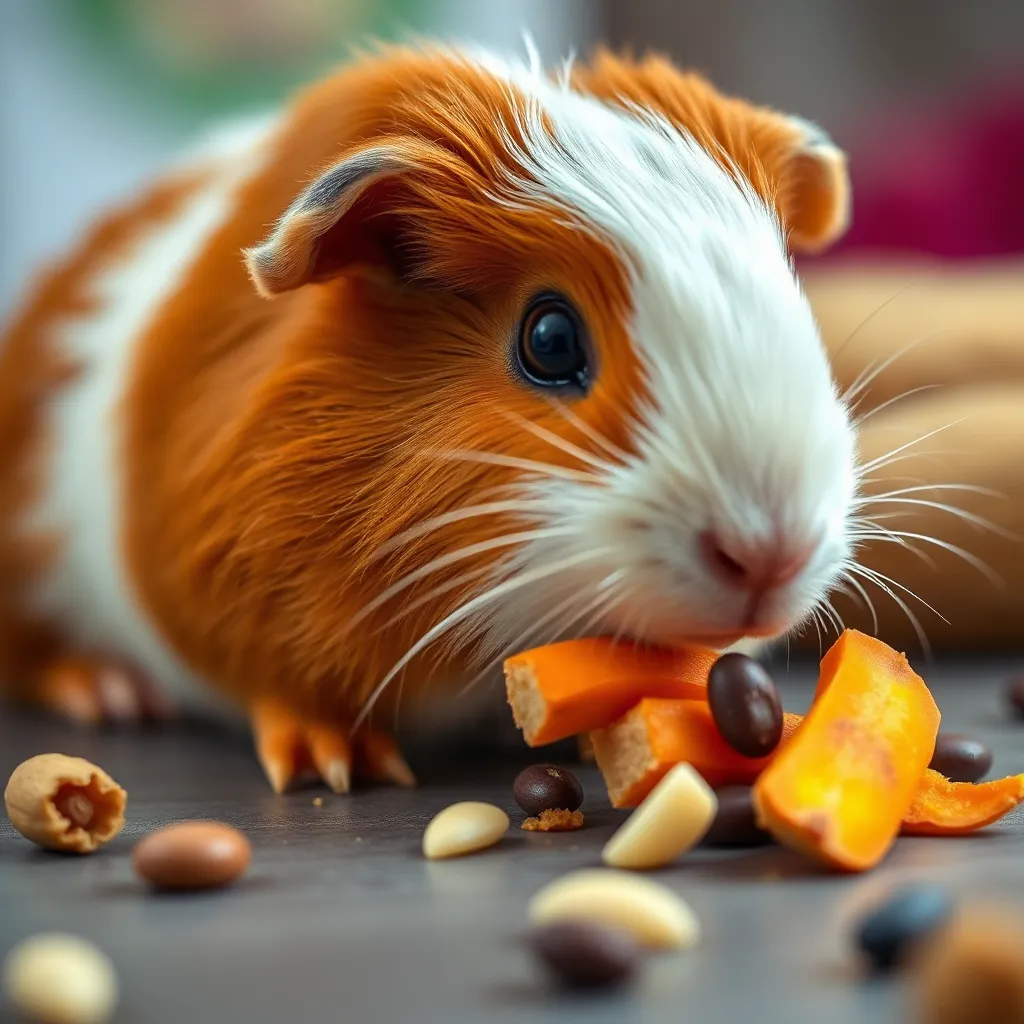
What do guinea pigs eat? Learn the full food list, dangerous mistakes to avoid, safe fruits and veggies, and expert-backed feeding tips that help your guinea pig stay healthy and happy.