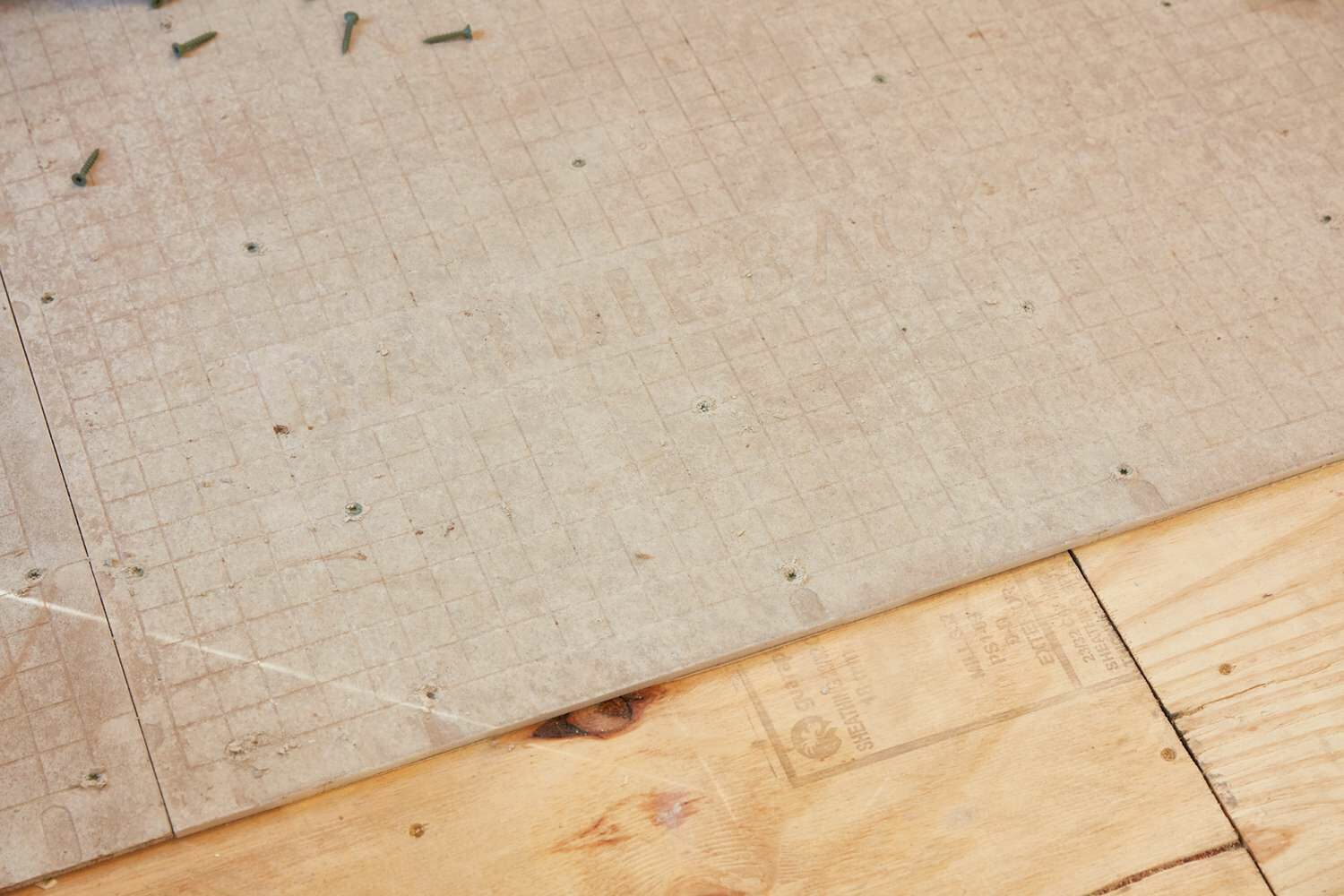
Ensure a squeak-free subfloor installation by understanding code-compliant spacing rules, proper fastener selection, and precise calculation methods.
The Hardwood Flooring Installation Guidelines manual is an indispensable tool offering industry-accepted standards for hardwood flooring installations. Topics range from evaluating jobsite conditions, to subfloor preparation, to proper installation techniques.
Preparing your subfloor for hardwood flooring installation is a crucial DIY project that requires the right tools for a successful outcome. Having the correct equipment not only ensures a professional finish but also safeguards against future problems like squeaking or unevenness.

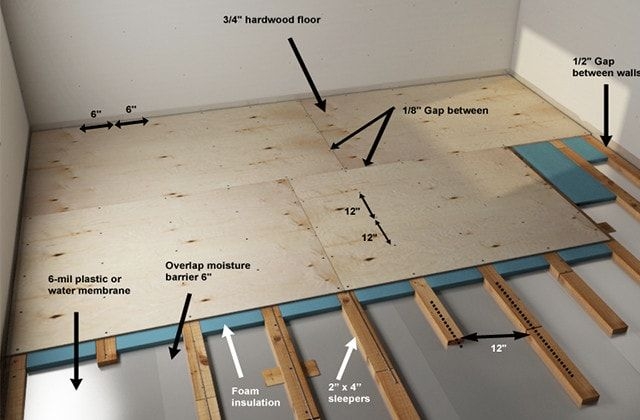
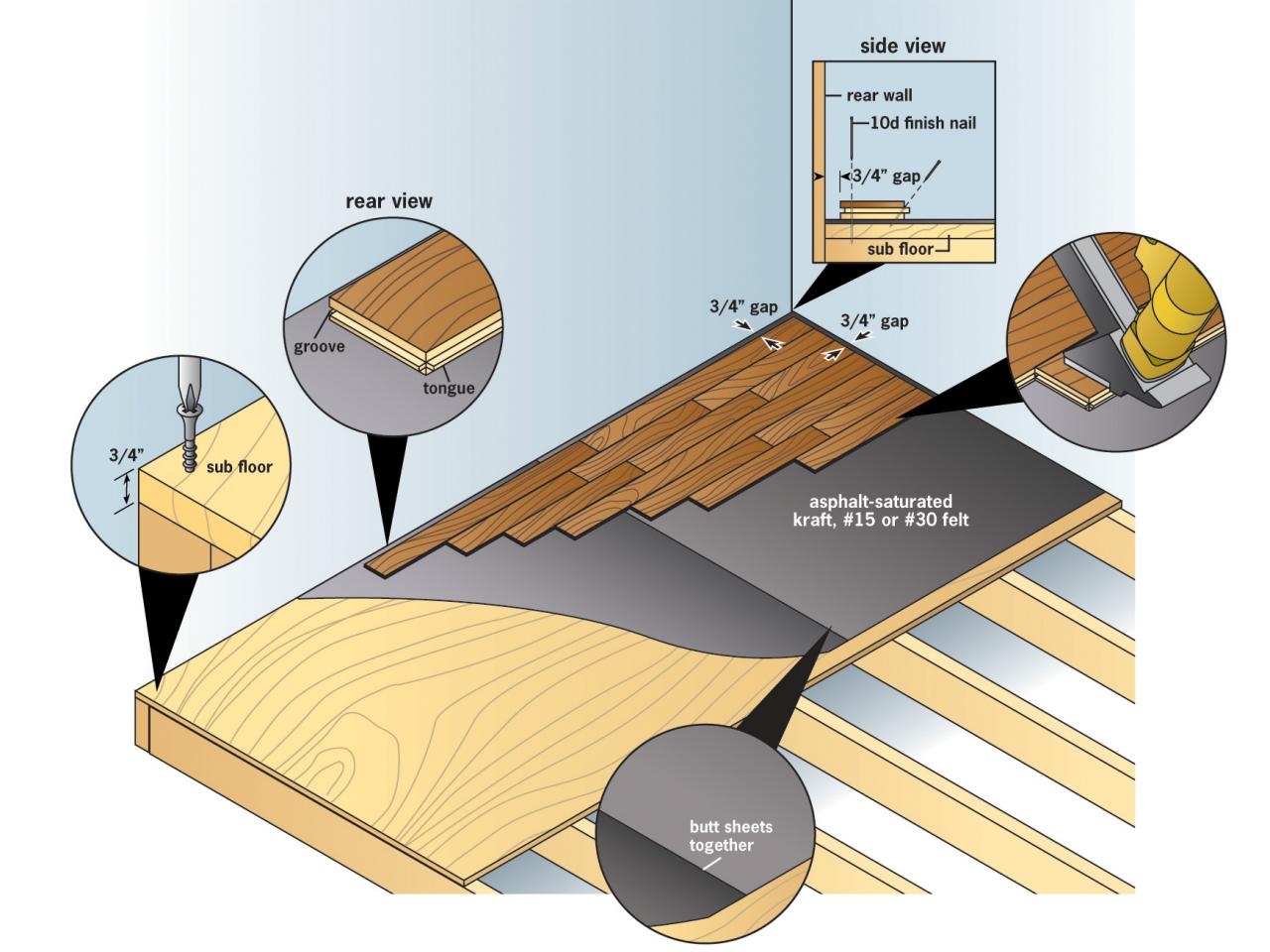
As we can see from the illustration, Hardwood Floor Installation Requirements For Subfloor Fasteners has many fascinating aspects to explore.
Wood flooring may be nailed down over most wood subfloors (except particleboard), as long as they meet the minimum requirements as detailed in the Wood Subfloors chapter.
Any finished flooring installation whether hardwood, vinyl, tile, carpet, or engineered plank depends on the subfloor's flatness, rigidity, moisture content, and fastening integrity to meet manufacturer warranties and code compliance.

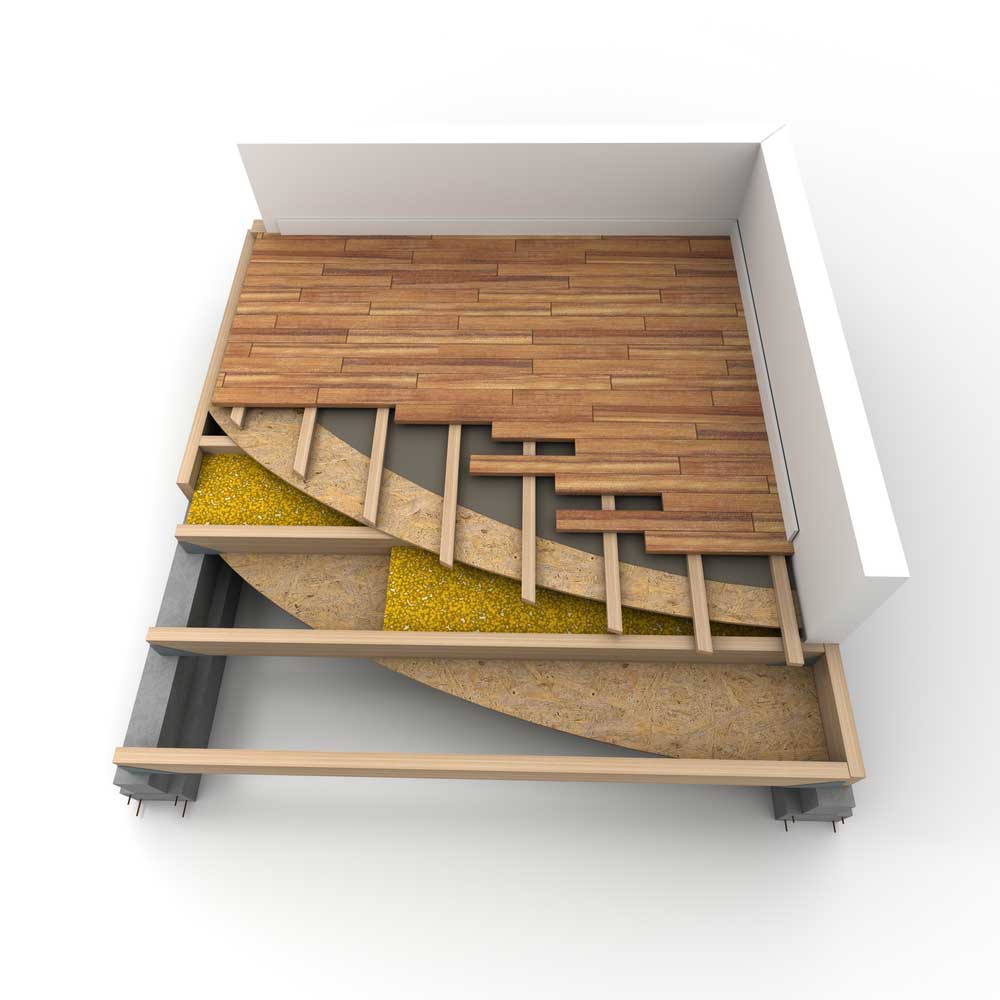
Moving forward, it's essential to keep these visual contexts in mind when discussing Hardwood Floor Installation Requirements For Subfloor Fasteners.
Ceramic, terrazzo, resilient tile and sheet vinyl, and other hard surfaces are suitable as a sub-floor for engineered hardwood flooring installation. The above tile and vinyl products should be level and permanently bonded to the sub-floor by appropriate methods.