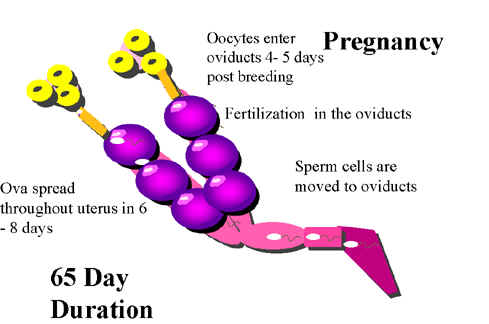
Pregnant cats should be vaccinated before pregnancy, checked for worms, and fed a special high-calorie diet. Most cats will deliver their entire litter of kittens within six hours. How Long Are Cats Pregnant? The cat gestation period is around two months (averaging 63 65 days).
Learn about the 4 stages of cat pregnancy, from implantation to labor and delivery. Understand feline reproduction, identify early signs of pregnancy, and prepare for litter arrival.
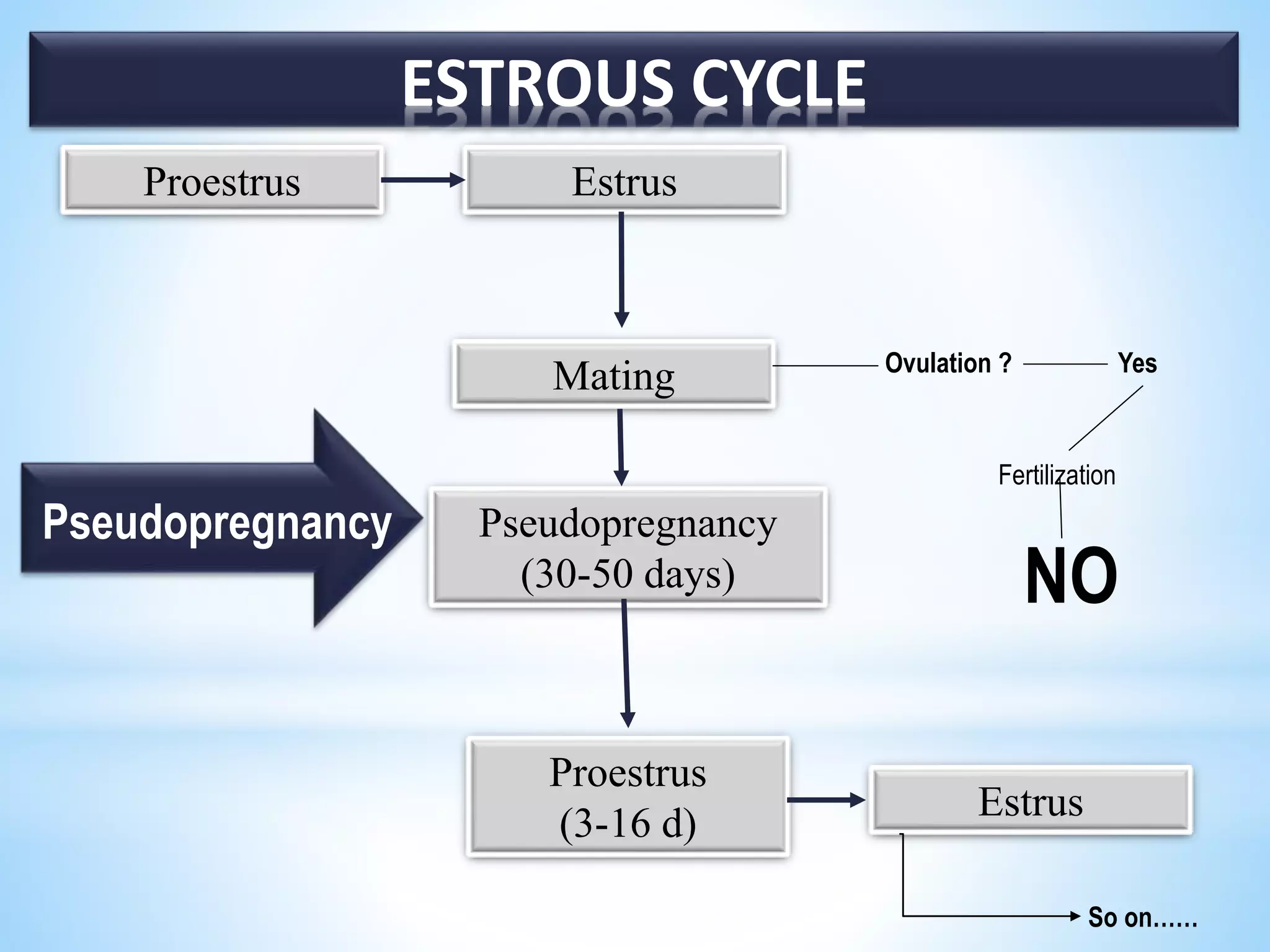
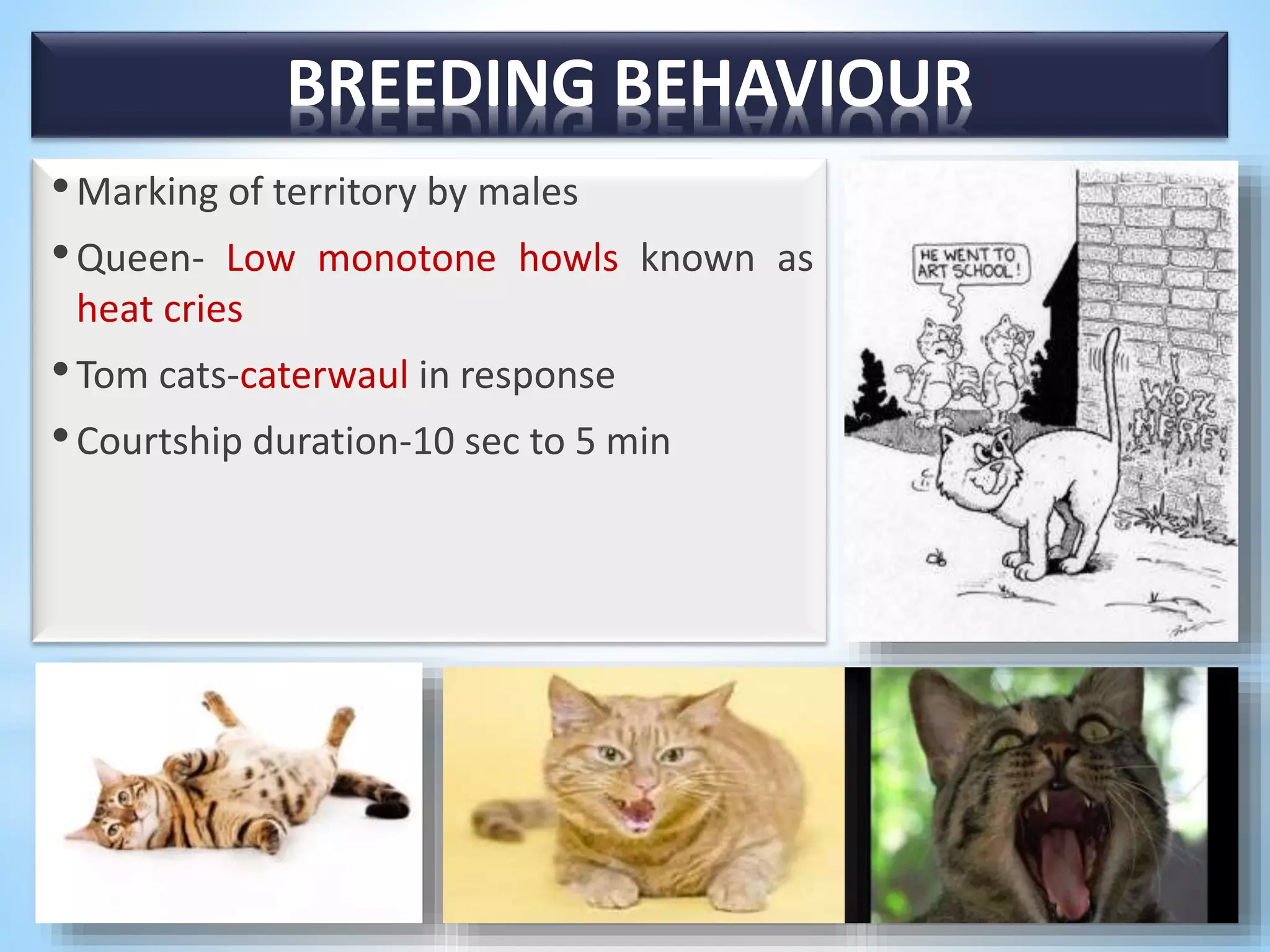
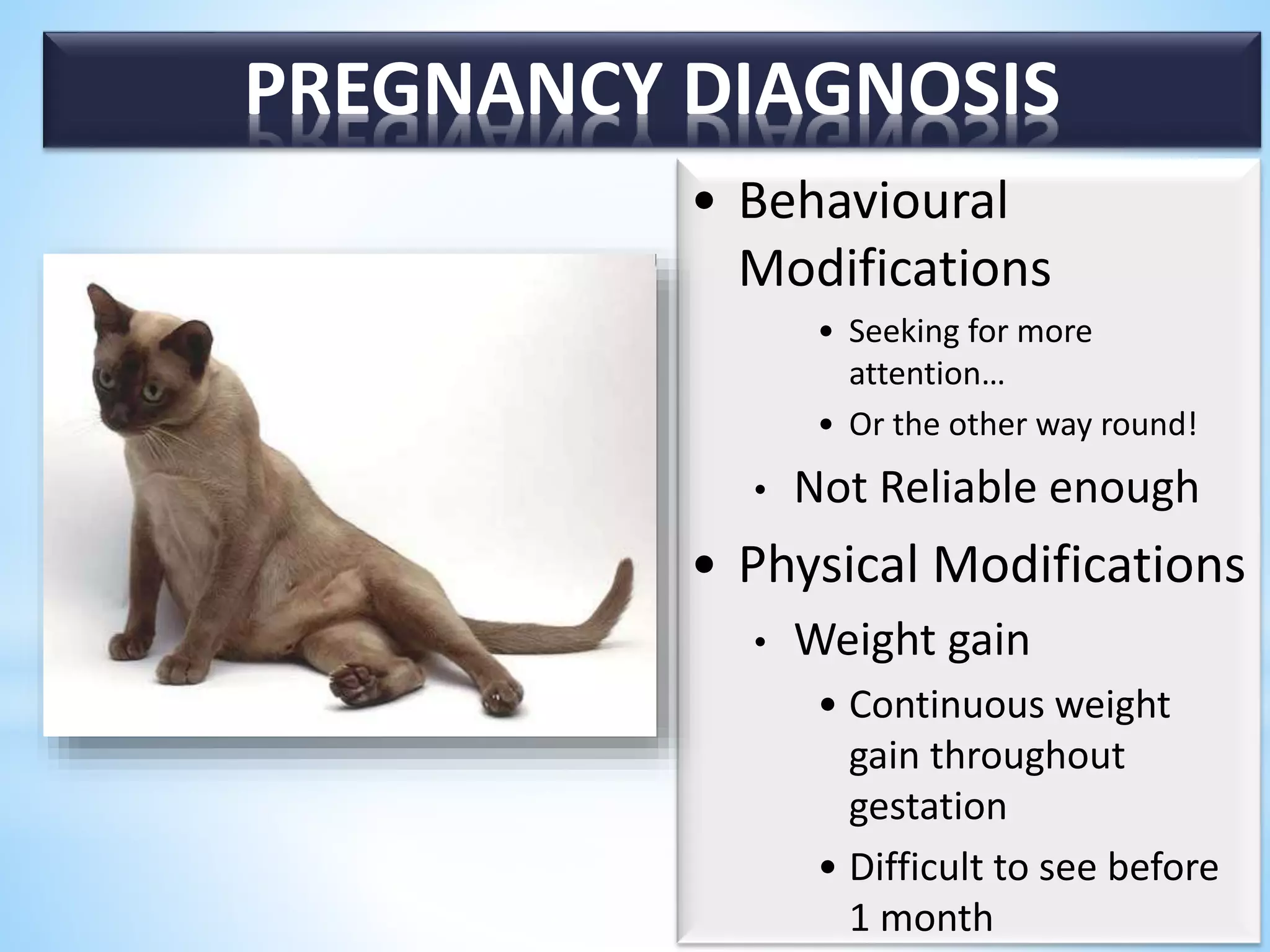
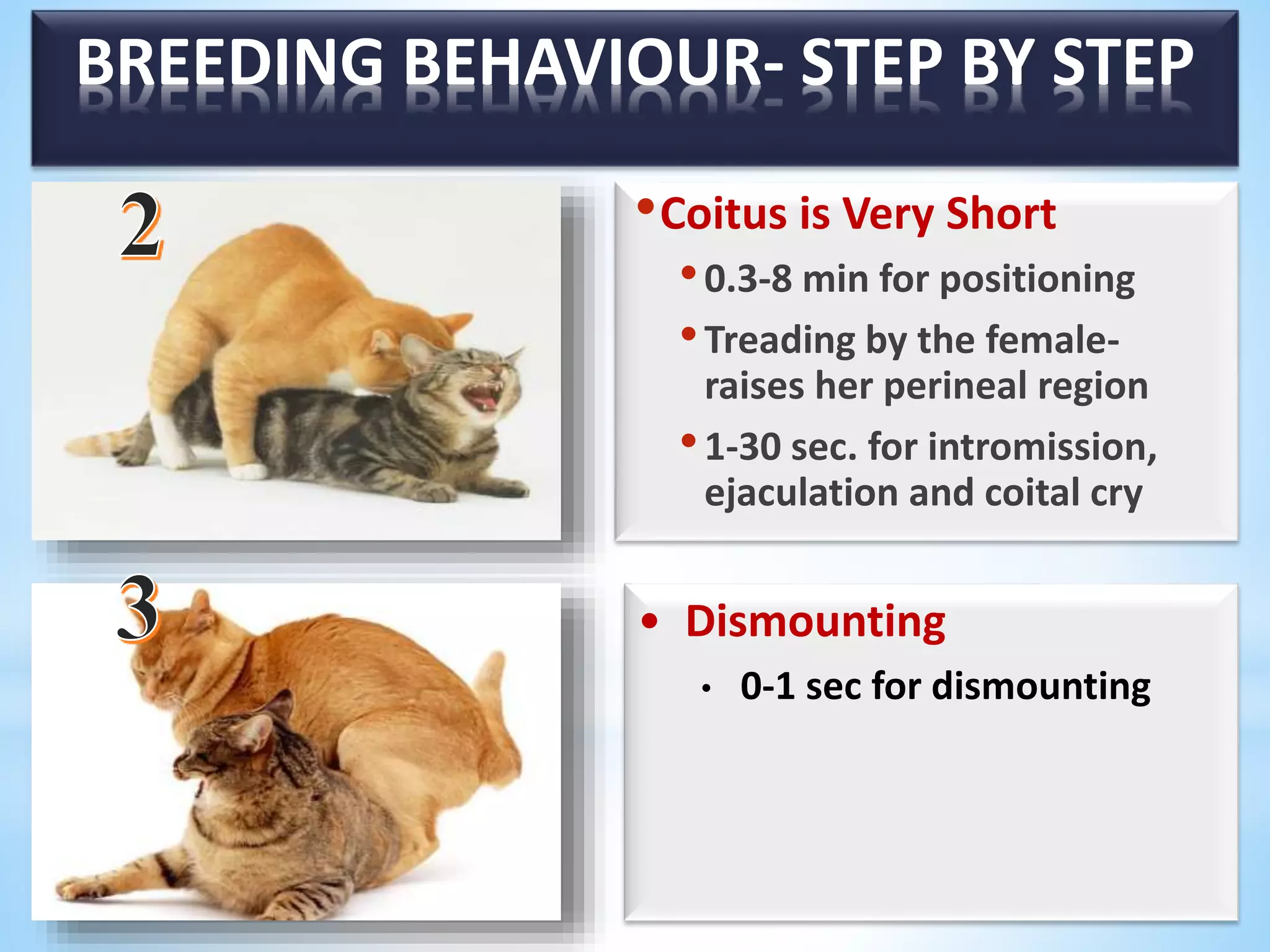
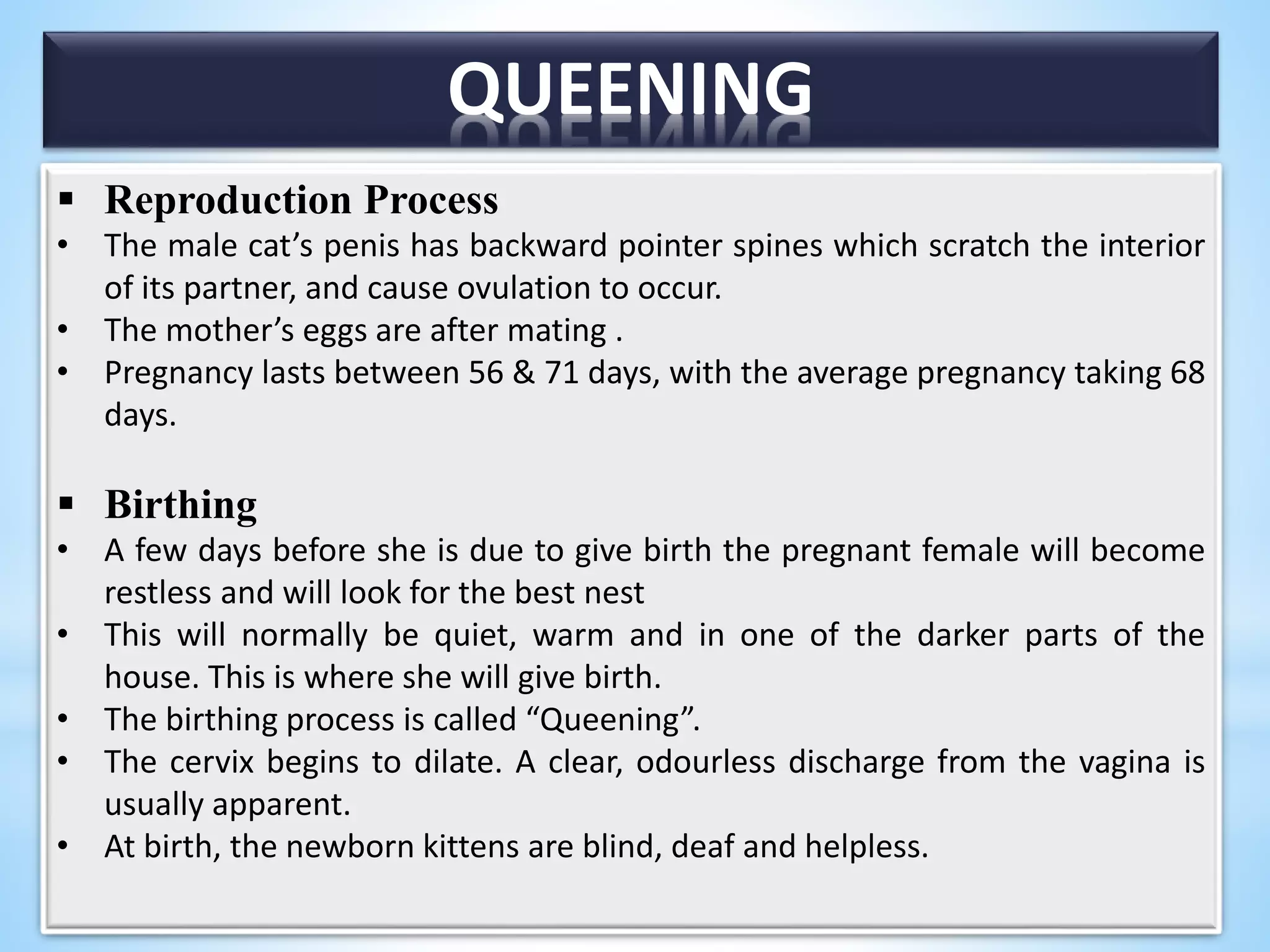
Queens (intact female cats) come into heat (estrus) many times a year. Cats in estrus become very affectionate and vocal, demanding attention and rolling frequently. When stroked, they raise their rear quarters and tread the ground with their back legs. These behavioral changes can confuse an inexperienced owner, who may interpret the behavior as a... See full list on vcahospitals.com A queen is an induced ovulator, meaning her eggs are released from her ovaries in response to mating or sexual contact. During mating, the male cat holds the queen's scruff in his teeth and when he ejaculates, the queen cries out and frequently becomes aggressive. Although it appears violent, this is normal mating behavior. After mating, she will g... See full list on vcahospitals.com During pregnancy, the queen's nutrient requirements will reach one-and-a-half times her pre-pregnancy level. By the time of weaning, it may exceed twice the pre-pregnancy level. It will be necessary to increase the number of meals given and feed a diet formulated for pregnant females or kittens, to provide the additional nutrients required for preg... See full list on vcahospitals.com During pregnancy, the cat's behavior alters very little, although some cats become more loving, and a few become aggressive. During the final week, the queen may search for a suitable kittening bed or nest. The pregnant cat should be confined indoors at this time. It is important that you are able to monitor your cat closely to witness any complica... See full list on vcahospitals.com The kittening bed can take many forms, but a cardboard box lined with newspaper, old sheets, or towels is ideal. The bed should be warm, cozy, and private, but must be observable. It can be helpful to know how many kittens your cat is carrying, so you know for certain when all the kittens have been born. This can be done by your veterinarian. At ar... See full list on vcahospitals.com First stage laboris essentially the relaxation of the cervix and vagina and the start of intermittent contractions in the uterus. The pelvic muscles slacken, and the area between the anus and the vulva (the perineum) becomes looser and longer. At this stage, the uterine contractions are not yet visible as straining, although you may see or feel mov... See full list on vcahospitals.com Dystociaor difficult birth can occur. You should be concerned and immediately seek veterinary attention if: 1. Twenty minutes of intense labor does not produce a kitten. 2. Ten minutes of intense labor does not expel a kitten that can be seen at the queen's vulva. 3. Gentle pulling on a trapped fetus causes the queen pain. 4. The queen is depressed... See full list on vcahospitals.com See full list on vcahospitals.com Warmth is essential for the newborn. Kittens cannot control their own body temperature for the first couple of weeks of life. In nature, kittens stay warm by direct body contact with their mother and littermates in the enclosed nest bed. A wet newborn kitten loses heat very rapidly, so it is very important to make sure it dries off quickly. If the ... See full list on vcahospitals.com Occasionally, kittens will be born prematurely. They will be small, thin, and have little or no hair. These kittens require intensive nursing care. Premature kittens often fail to nurse, and need to be fed with a syringe, bottle, or stomach tube. They also need to be kept warm if the queen rejects them. A normal healthy kitten, when warm and dry, n... See full list on vcahospitals.com Many questions concerning feline pregnancy are still open; therefore, older and more recent scientific findings were collected and combined in a comprehensive review, highlighting what has been achieved so far and where more science is needed. Discover how to maintain your cats reproductive health with our comprehensive guide covering stages of reproduction, pregnancy and birth, nutrition, and environmental factors. Understanding what happens in your cats body each week of pregnancy allows you to support her properly, from early development to labor. A typical cat pregnancy lasts 6365 days, or roughly 9 weeks. What happens if a cat is pregnant? During pregnancy, the cat's behavior alters very little, although some cats become more loving, and a few become aggressive. During the final week, the queen may search for a suitable kittening bed or nest. The pregnant cat should be confined indoors at this time. When can a cat get pregnant? Cats can get pregnant as young as four months old, although 56 months old is most common. To avoid unwanted pregnancy, female kittens should be kept separate from intact male cats until theyre spayed. How long does it take a cat to give birth? Cats are pregnant for 6365 days. What should I do if my cat is pregnant? During the final week, the queen may search for a suitable kittening bed or nest. The pregnant cat should be confined indoors at this time. It is important that you are able to monitor your cat closely to witness any complications. What should a pregnant cat eat? Pregnant cats need a high-calorie diet to support the growth of healthy kittens. To ensure adequate nutrition, feed a commercial cat diet labeled either specifically for pregnancy and lactation or labeled for kittens (growth). A good food for pregnant cats is Royal Canin Mother & Baby Cat dry food and wet food. Welcome to our comprehensive guide on the feline reproductive cycle, where we explore everything you need to know about cat pregnancy.
Discover how to maintain your cats reproductive health with our comprehensive guide covering stages of reproduction, pregnancy and birth, nutrition, and environmental factors.
Understanding what happens in your cats body each week of pregnancy allows you to support her properly, from early development to labor. A typical cat pregnancy lasts 6365 days, or roughly 9 weeks.
Moving forward, it's essential to keep these visual contexts in mind when discussing Healthy Reproductive Feline Pregnancy.
Normal pregnancy and abnormalities of pregnancy are studied in domestic cats both for their value to veterinarians working with cat breeders and as models for studying reproductive physiology of non-domestic cats.
How cats mate: A comprehensive guide to understanding feline reproduction, including mating behavior, heat cycles, pregnancy, and kitten development.
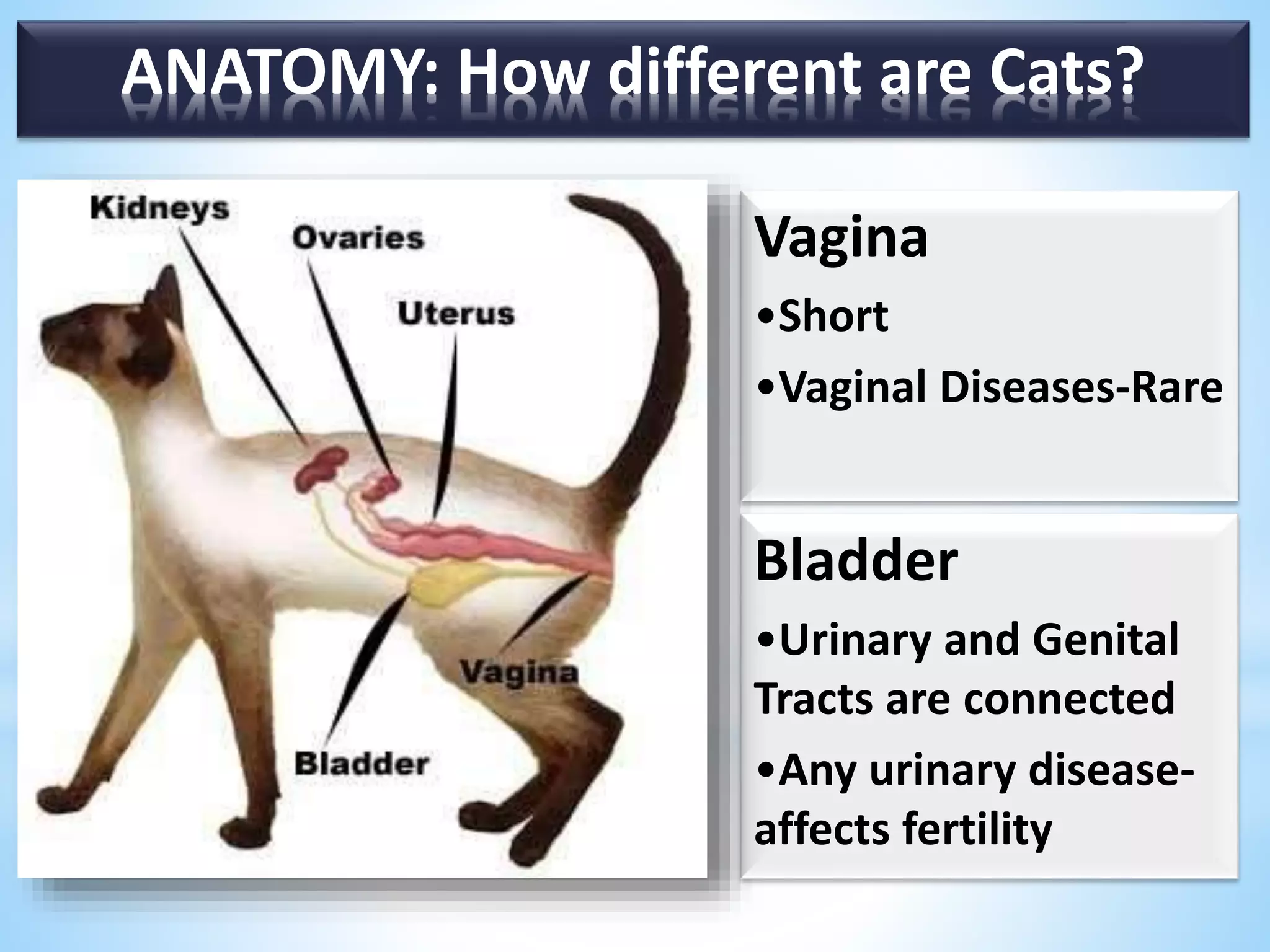
The female canine and feline reproductive system has a number of functions all related to the different stages of reproduction