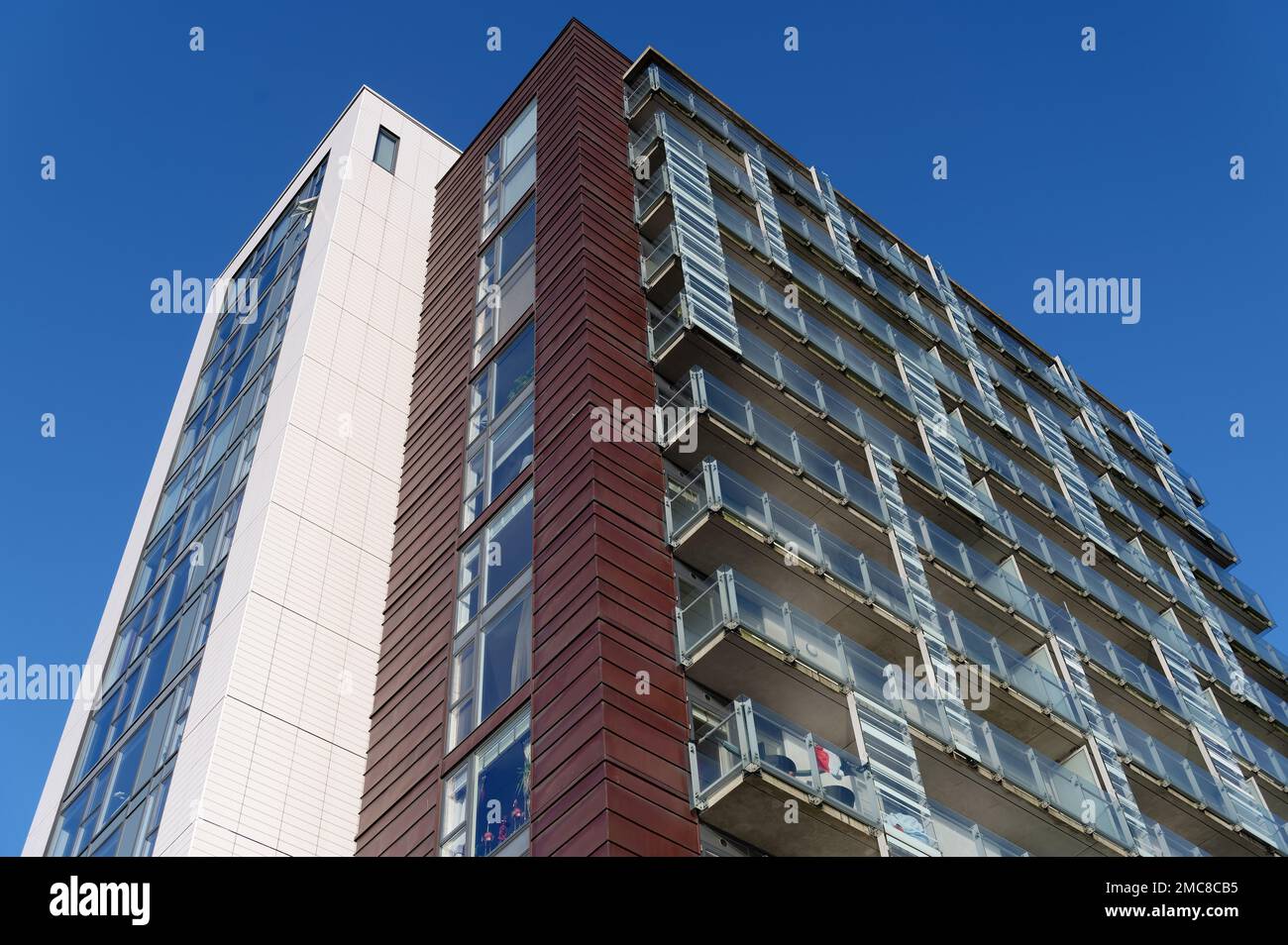
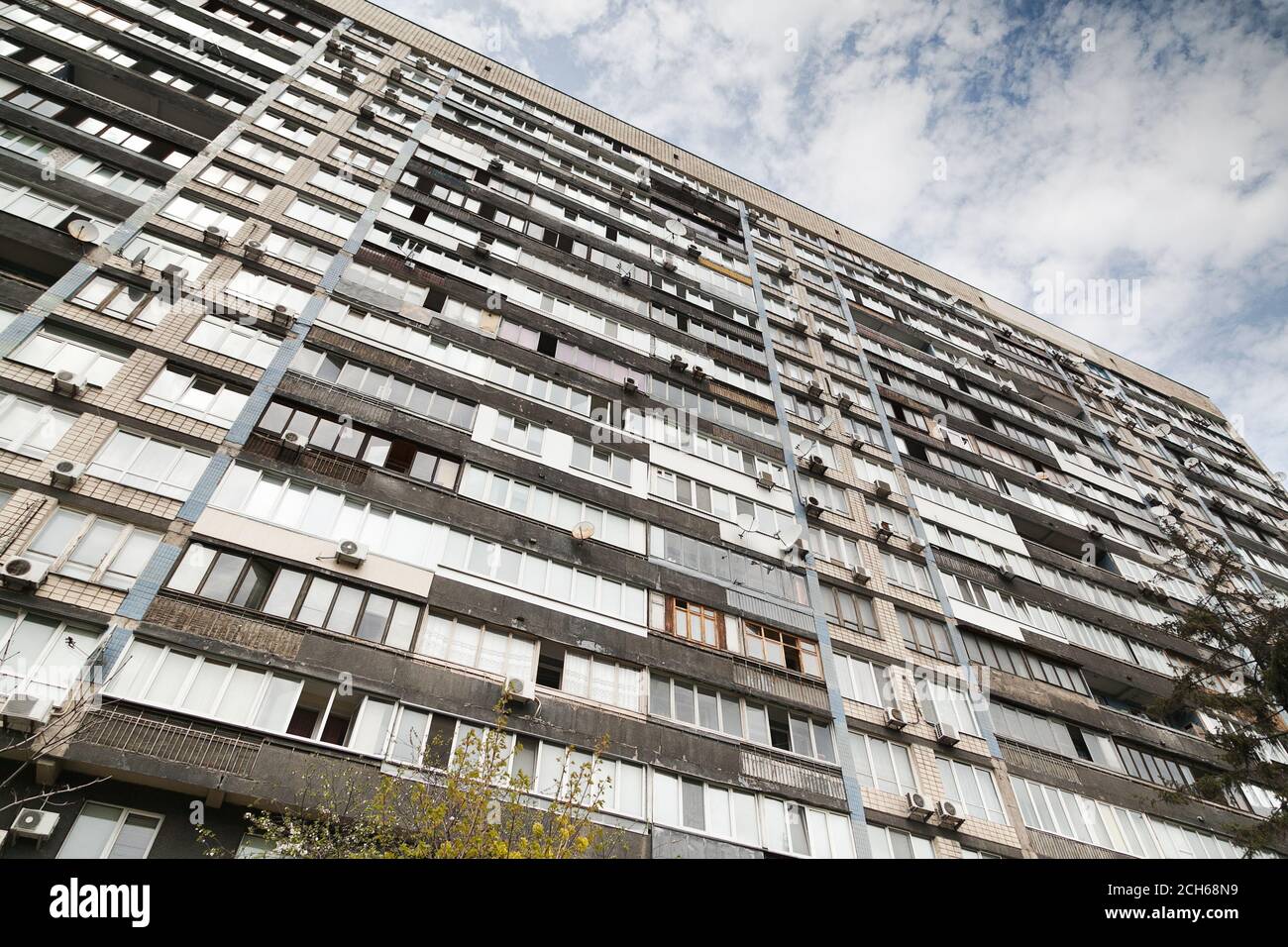
In this paper, we discuss the influence of high-rise apartment buildings on the thermal conditions of their surroundings in a highland urban setting in the tropics.
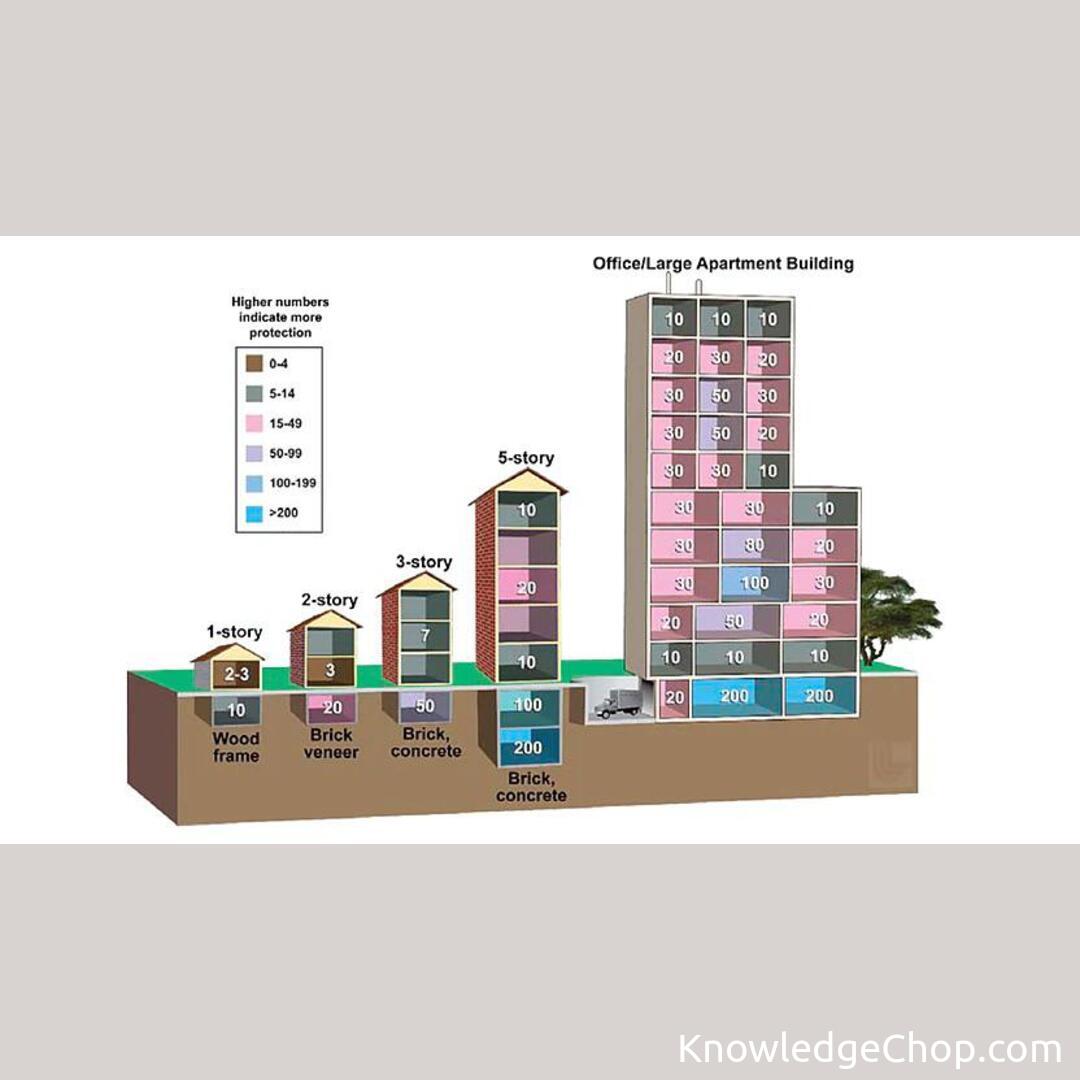
A brick building provides better protection from radiation than does a brick veneer building, which is better than that of a frame building. Less radiation exposure (increasing the Protection Factor) is seen at interior locations and below ground.
This guide offers focused architectural and environmental strategiesspanning HVAC, water, storage, and fenestrationto help residents strengthen homes as protection against radiation exposure.

This study investigates the daylighting and thermal performance of a representative south-facing apartment room equipped with combined horizontal and vertical slat-based shading devices using a controlled, comparative simulation framework under tropical climate conditions.
In urban areas such as those in Hong Kong, however, high-rise buildings or skyscrapers are located in close proximity. As such, humans at ground level frequently receive less UV radiation as compared to open areas due to the building shading effects.

Green roofs provide shade, remove heat from the air, and reduce temperatures of the roof surface and surrounding air. Using green roofs in cities or other built environments with limited vegetation can moderate the heat island effect, particularly during the day.