Pre-application methods for hot melts include powder, spheres, and dispersions, allowing flexible joining times. The text aims to highlight advancements in micro bonding techniques using hot melt adhesives for MEMS applications.
The main advantages of this technique are: low process temperature, multi material applicability, partial reversibility and partial biocompatibility. In proposed technique, the adhesive is deposited on the substrate and the micro-component is brought and placed at the requested position.

The purpose of the present study is to clarify the room temperature micro-bonding behavior between wires and foils, based on the adhesion theory and experiments. The atmospheric condition (vacuum degree) for bonding was about 1.510-8 Pa.

Such details provide a deeper understanding and appreciation for High Temperature Micro Bonding Techniques Manual.
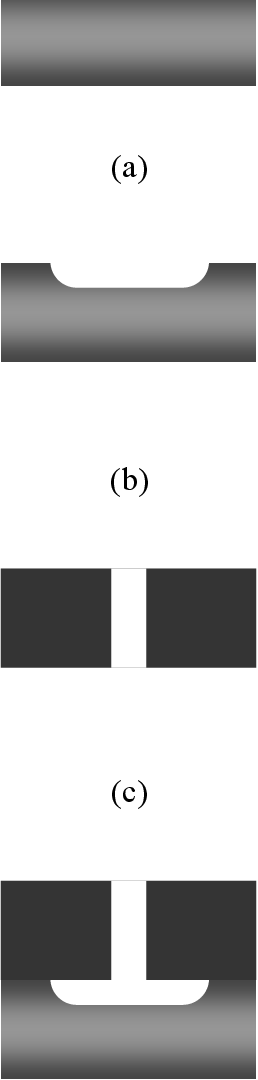
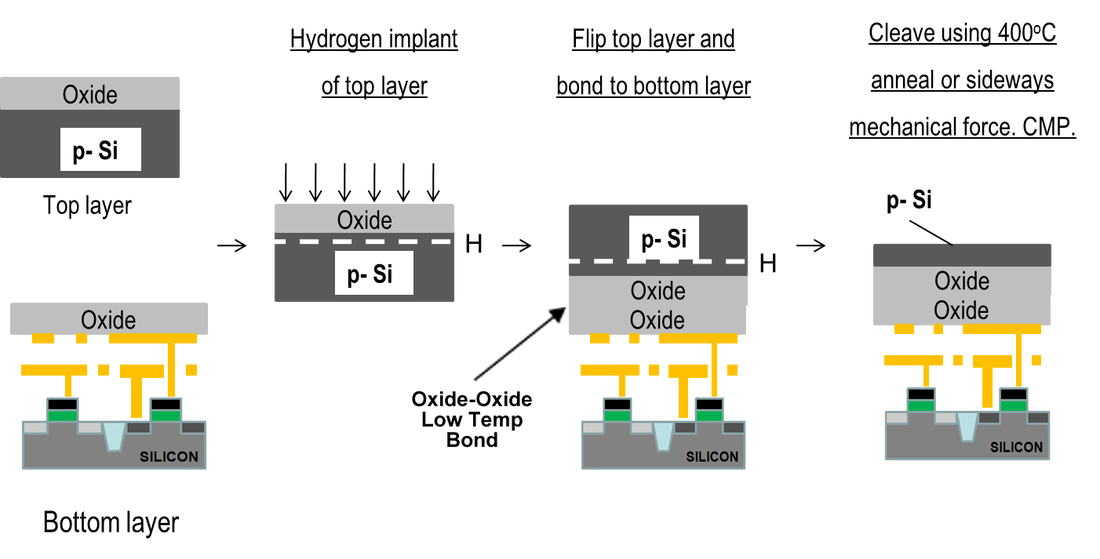
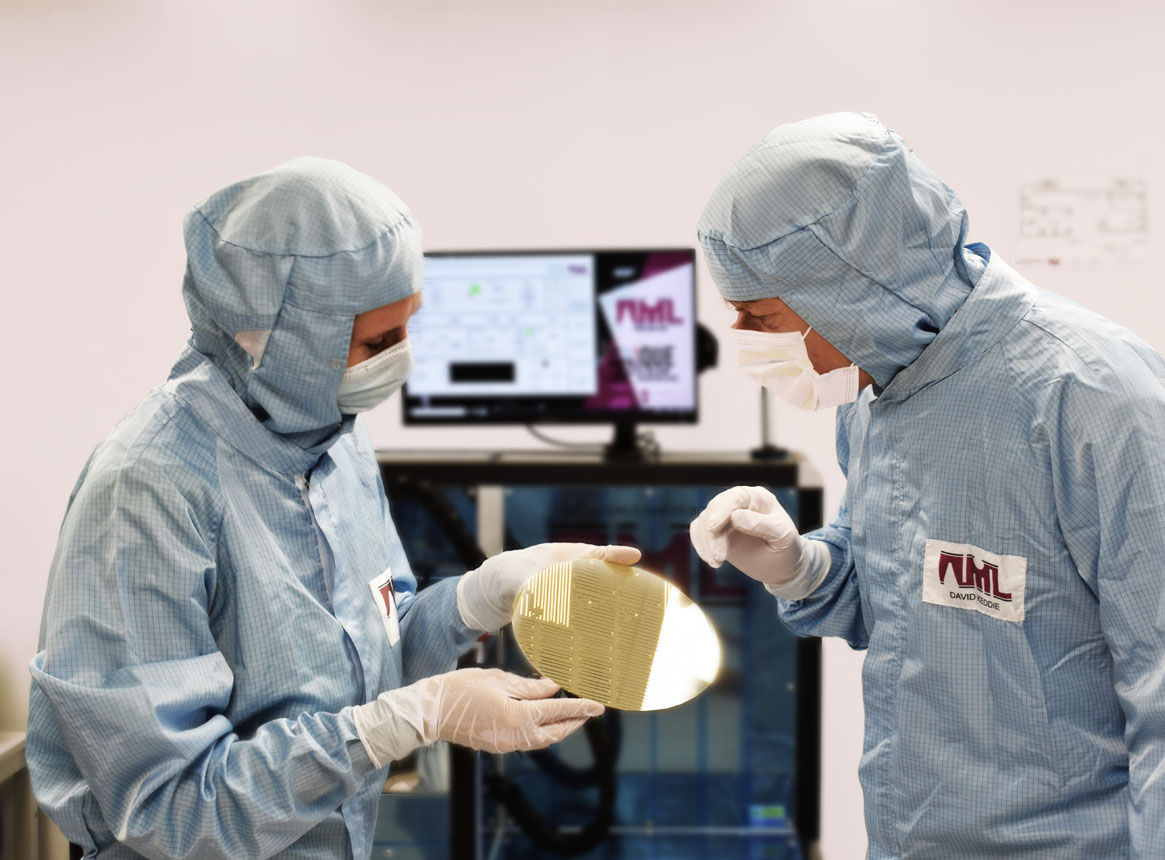
Miniature Wafer-Level Bonding for Medical Applications. Glass Micro Bonding is a wafer-level process that allows the reliable packaging of even miniaturized electronics or MEMS by directly bonding two or more glass wafers without any interface materials.
HomeSolid State PhenomenaSolid State Phenomena Vol. 127Room Temperature Micro-Bonding of Fine Wires to...Adhesion, Bonding, Contact, Deformation, Dissimilar Metal, Foil, Interface, Room Temperature, Surface, Ultra-High Vacuum, Wire. Export
Technical resources for consumer electronics bonding.Higher temperatures can accelerate wet out but are not required for PSAs. Temperature will not increase final adhesion strength. In regard to time, most PSAs typically require 72 hours to reach full bond.