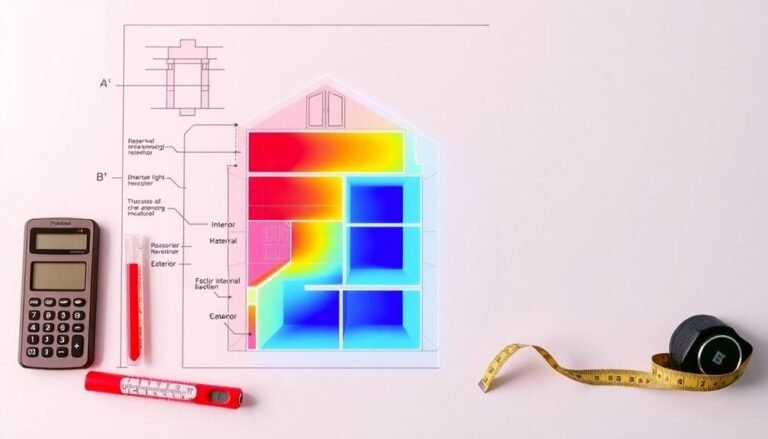
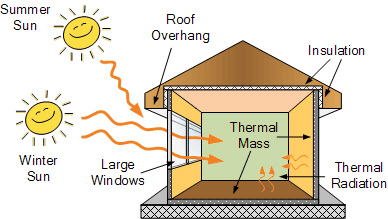
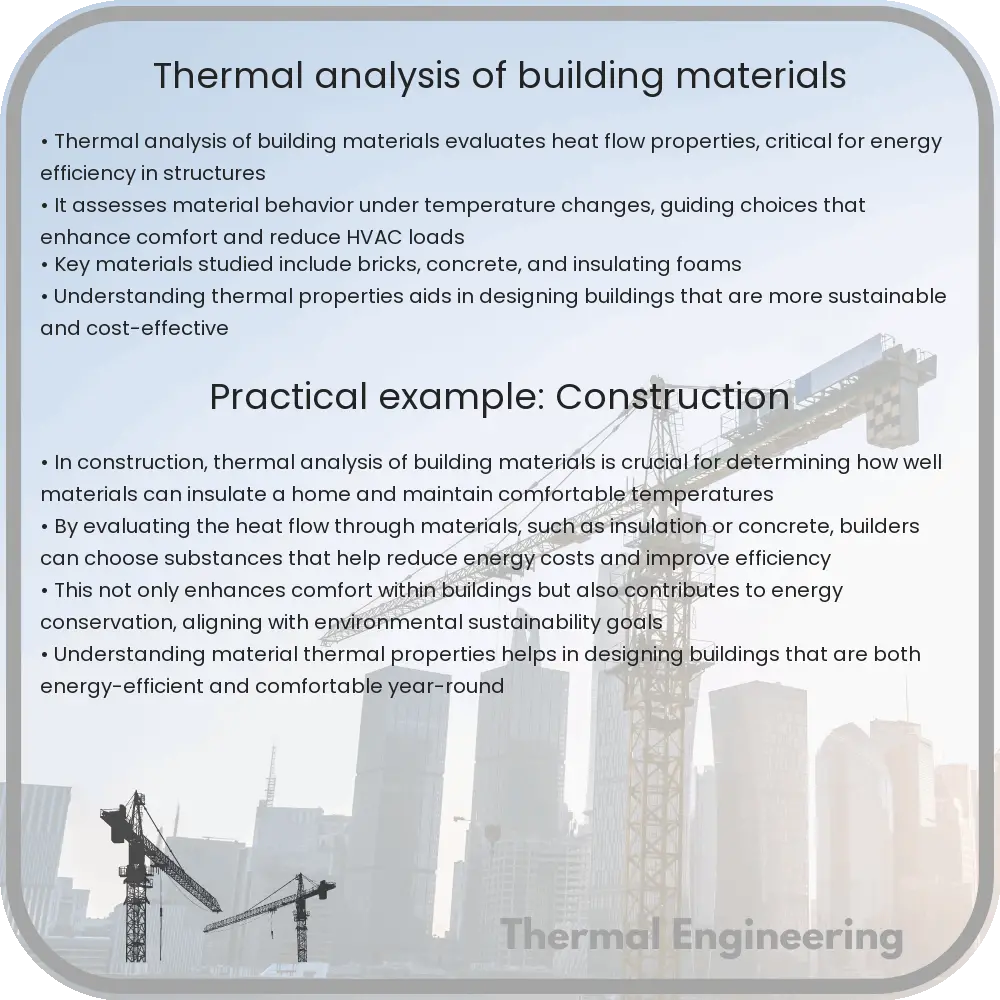
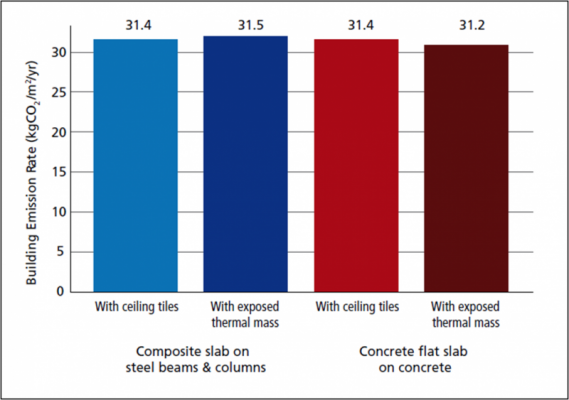
High-density urban buildings contain substantial thermal mass, storing significant energy and offering notable potential for heating energy savings. However, effectively harnessing this energy remains challenging due to the spatiotemporal variability of heat storagerelease behavior in building components, which often misaligns with building ...
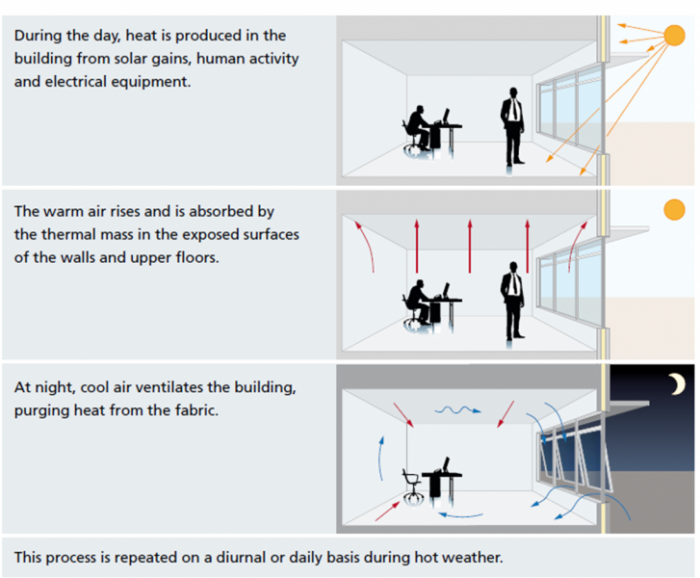
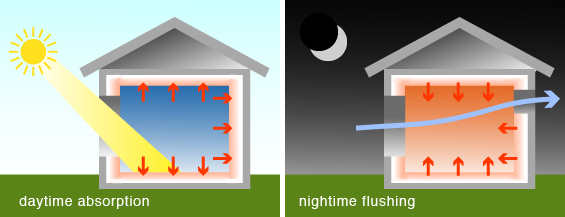
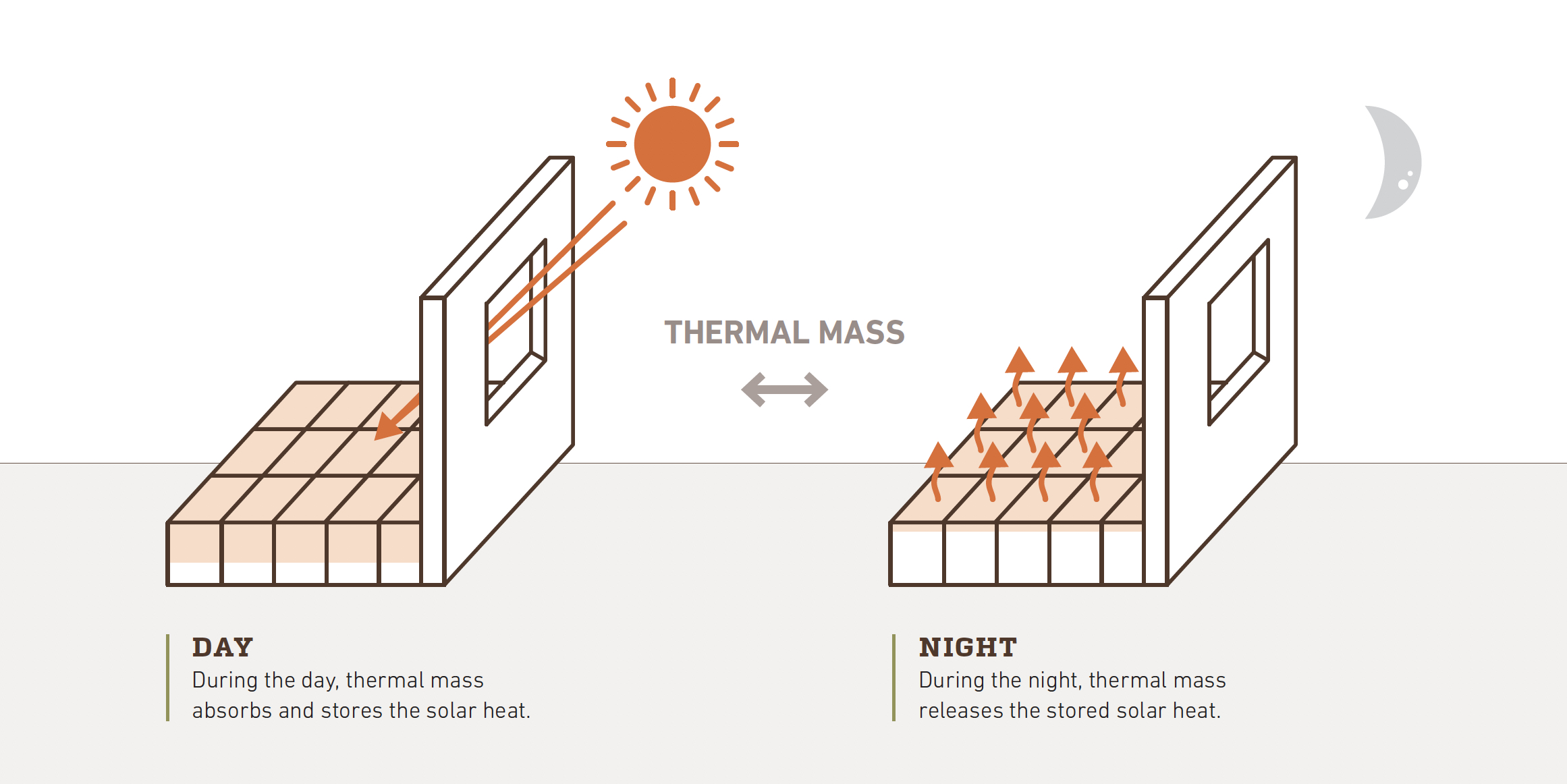
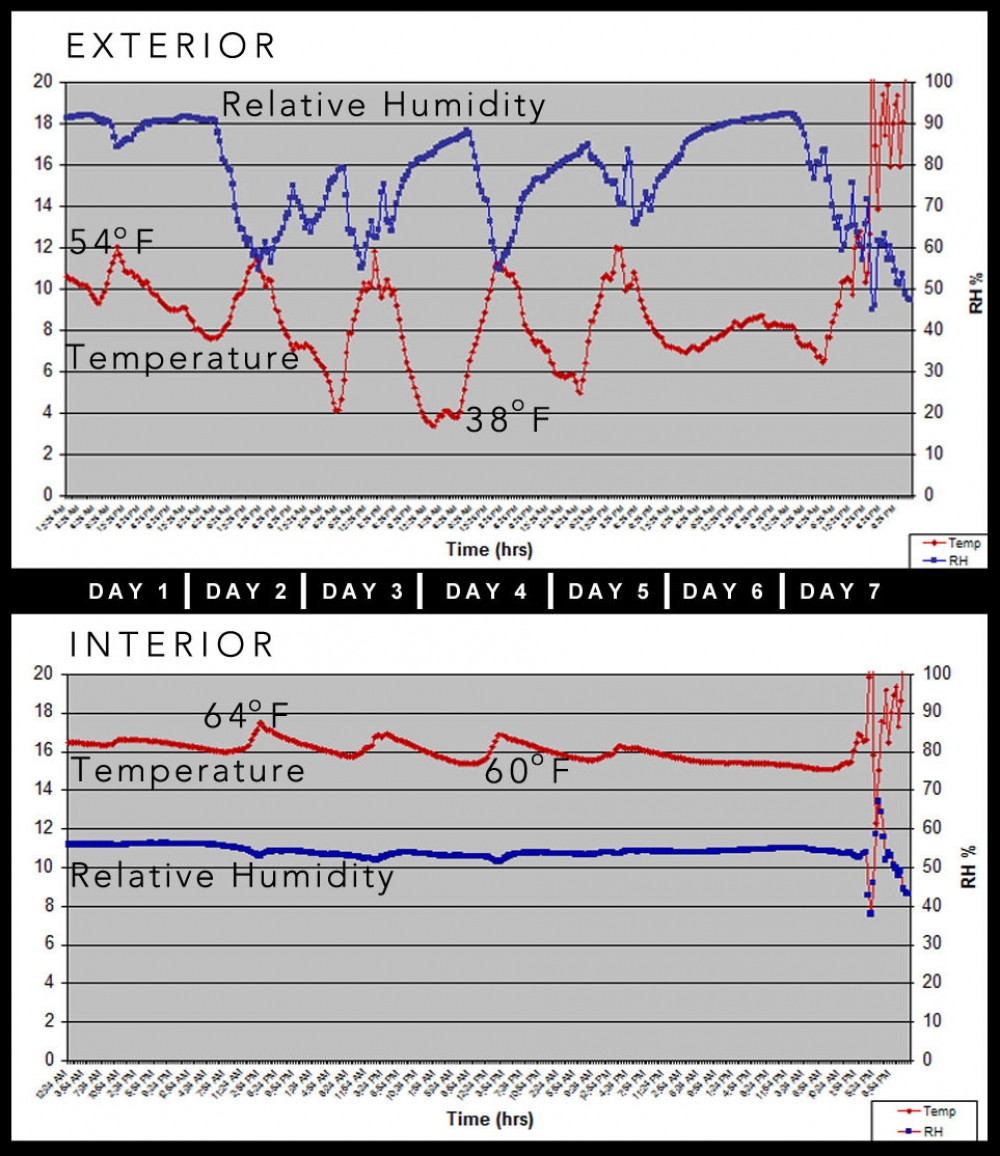
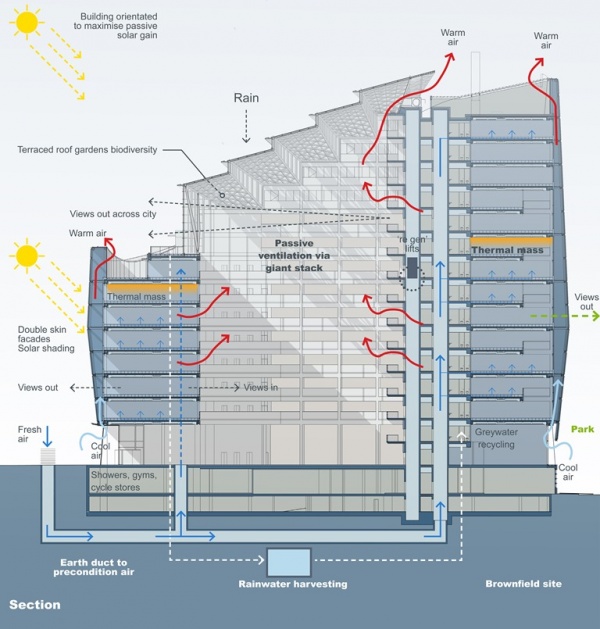
In conventional control strategies, the thermal storage of a building is not utilized for reducing operating costs. When the building is not occupied, the thermostat is set up to a higher tem-perature for cooling or set back to a lower temperature for heating such that the equipment is generally off during these periods. Op-timal start algorithms d... See full list on eta-publications.lbl.gov Optimal zone temperature setpoints are a complicated function of several factors, including the utility rates, load profile, equip-ment characteristics, building storage characteristics, and weather. For a utility rate structure that includes both time-of-use energy and demand charges, the optimal strategy can actually depend upon variables that ex... See full list on eta-publications.lbl.gov is the mini- x Wk,min mum admissible states of storage, and f is a state Equation that relates the state of storage at stage k to the previous state and current control. The first and second terms in Eq. ~1 are the total cost of energy ! use and building demand for the billing period. Both the energy and demand cost rates can vary with time, but ty... See full list on eta-publications.lbl.gov The advantage of performing laboratory tests as compared with field measurements is that different control strategies can be com-pared for the same set of operating conditions. Conniff @ 8 per- # formed experiments using a test facility at the National Institute of Standards and Technology NIST in order to investigate the po-~ ! tential for peak lo... See full list on eta-publications.lbl.gov Both simulation studies and laboratory tests demonstrated sig-nificant savings potential for control of building thermal mass. However, they also showed that the cost savings are very sensitive to the application, operating conditions, and method of control. This makes it very difficult to determine appropriate control strat-egies for a particular ... See full list on eta-publications.lbl.gov Significant savings potential for use of building thermal mass has been demonstrated in commercial buildings using simulation, controlled laboratory testing, and field demonstrations. However, the savings are sensitive to many factors, including utility rates, type of equipment, occupancy schedule, building construction, cli-mate conditions, and co... See full list on eta-publications.lbl.gov set points vary over time. However, different strategies are appro-priate for minimizing energy and demand costs. For energy cost minimization, the zone temperature set points should be raised to the upper comfort limit as quickly as possible after the onset of on-peak utility rates. For demand cost minimization, the set points could be kept at the... See full list on eta-publications.lbl.gov The energy consumption requirement of high-rise buildings necessitates effective innovations in architectural designs. The aim is to revolutionise high-rise buildings thermal features and energy efficiency. This paper combines quantitative analyses through improved thermal simulations and qualitative information from surveys of stakeholders, including architects, engineers, and urban ... Design with critical thermal mass thickness Hypothesis and overarching goals: A case study in the winter months of Tucson, Arizona testing mobile lightweight concrete walls for a uniform nighttime indoor thermal gradient. Thermal Mass describes the ability of building materials to absorb, store, and release heat, providing thermal inertia against temperature fluctuations. Thermal mass acts as ... By accounting for thermal mass in buildings, you are turning cooling load calculations from a steady-state to a transient computation. This is highly recommended, because cooling load calculations are already based on conservative estimates of coincident loads - peak occupancy, lights on, equipment running, clear skies, etc. Researching the thermal expansion effects of super high-rise building structures and their control strategies has important theoretical and practical significance. First, understanding and mastering the impact of thermal expansion on structures helps to improve the scientific and rational design of buildings, thereby ensuring the long-term stability and service life of the buildings [10, 11 ... Integrate high-thermal-mass construction, along with passive heating and cooling strategies, to reduce heating and cooling energy consumption and to help regulate the indoor temperature of the home during extreme heat conditions, cold snaps, and power outages.

Moving forward, it's essential to keep these visual contexts in mind when discussing High-Rise Building Thermal Mass Analysis.
The energy consumption requirement of high-rise buildings necessitates effective innovations in architectural designs. The aim is to revolutionise high-rise buildings thermal features and energy efficiency. This paper combines quantitative analyses through improved thermal simulations and qualitative information from surveys of stakeholders, including architects, engineers, and urban ...

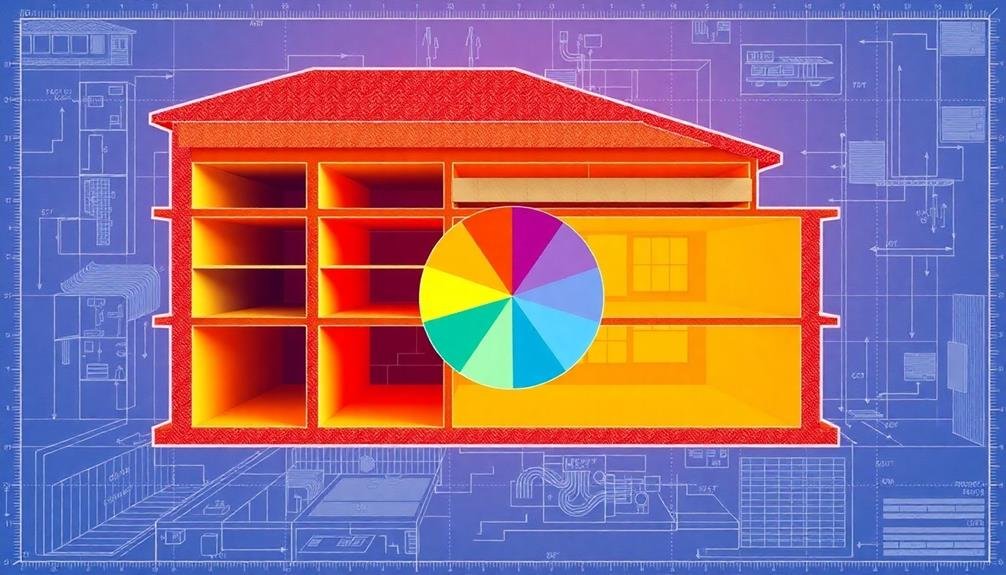
Furthermore, visual representations like the one above help us fully grasp the concept of High-Rise Building Thermal Mass Analysis.