The significant weight loss under GLP-1 RAs and reduced food intake makes it crucial to consume nutrient-dense foods in order to achieve adequate nutrient intake, particularly with regard to micronutrients such as vitamins and minerals [25].
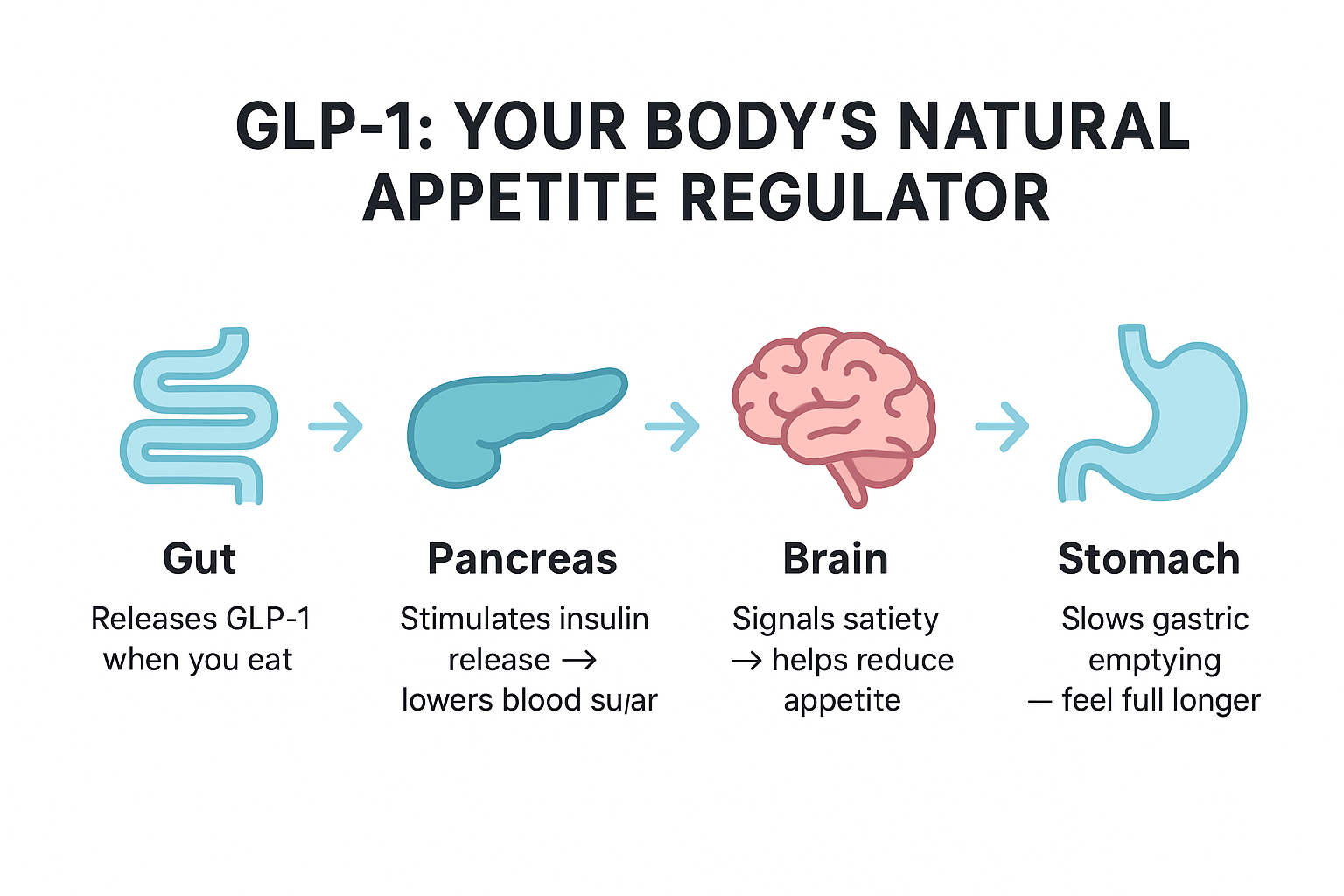
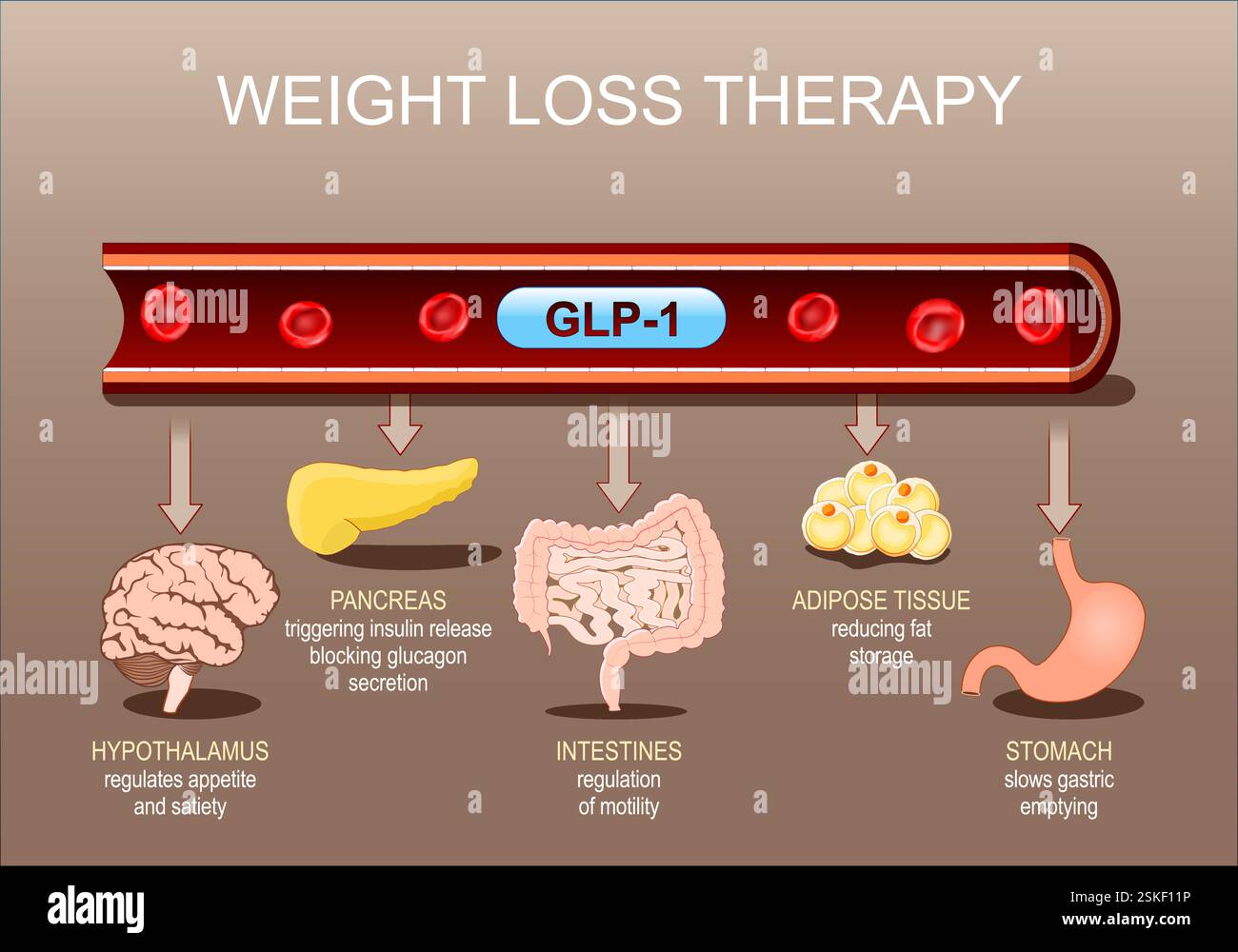
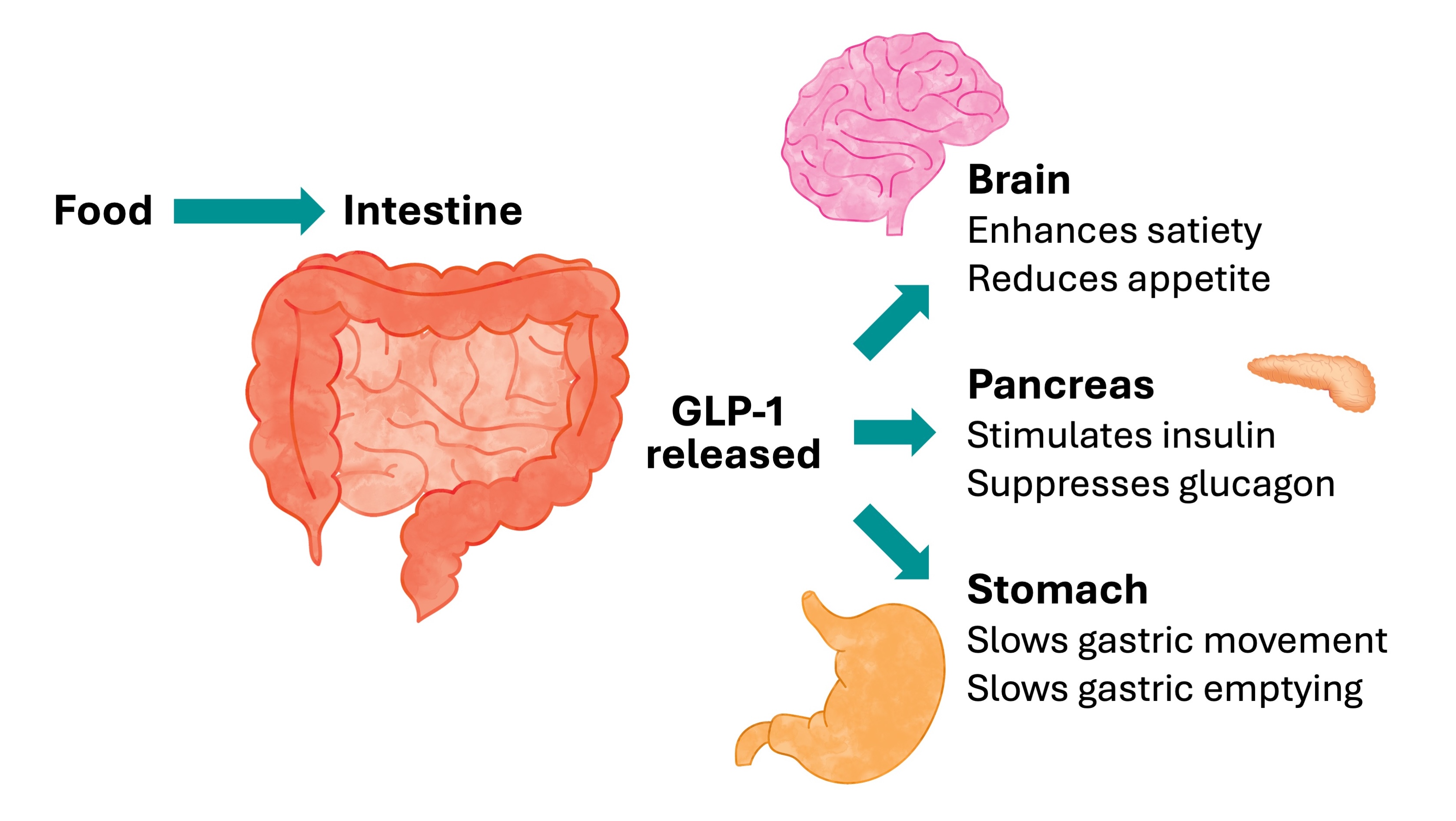
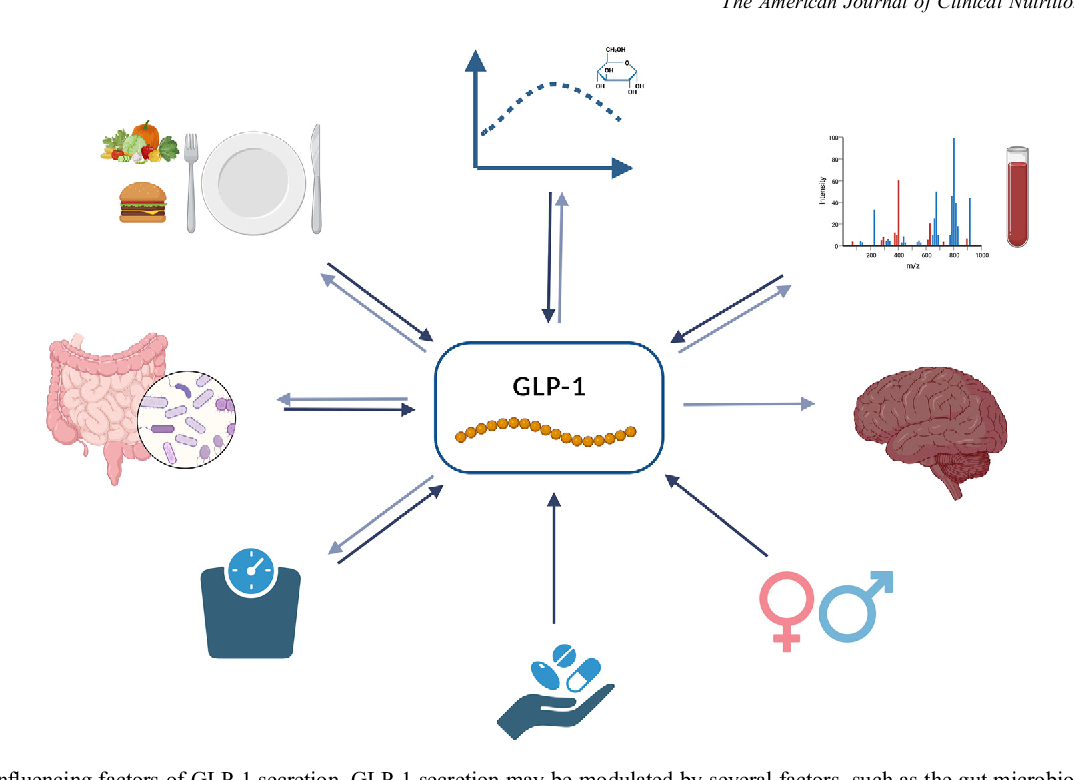
These agents mimic the effects of endogenous GLP-1, which is produced in the intestines in response to food intake 1 and is quickly inactivated by the enzyme dipeptidyl peptidase 4. 2 By activating the GLP-1 receptor, GLP-1 RAs enhance glucose-dependent insulin secretion, inhibit glucagon release, and slow gastric emptying. 1-4
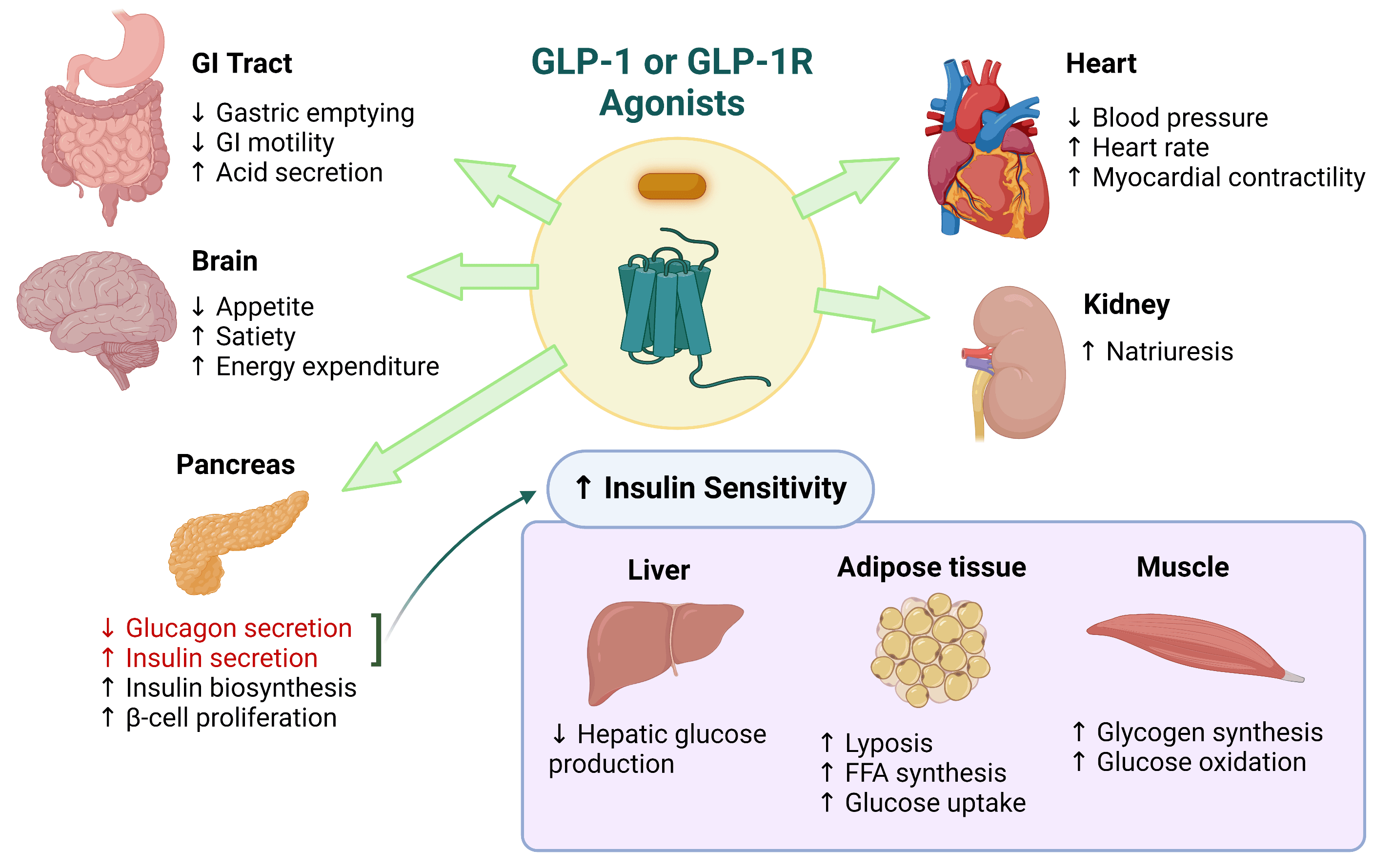
Role of GLP-1 Glucagon-Like Peptide-1 (GLP-1) is an incretin hormone produced in the intestines and is released in response to food intake.

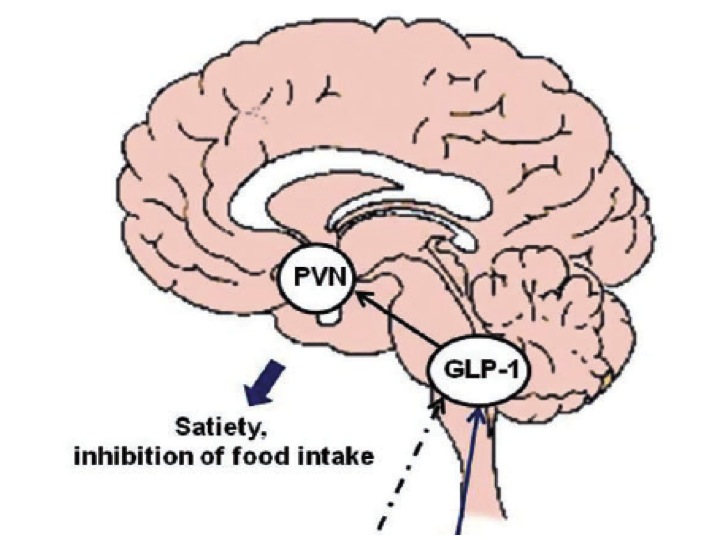
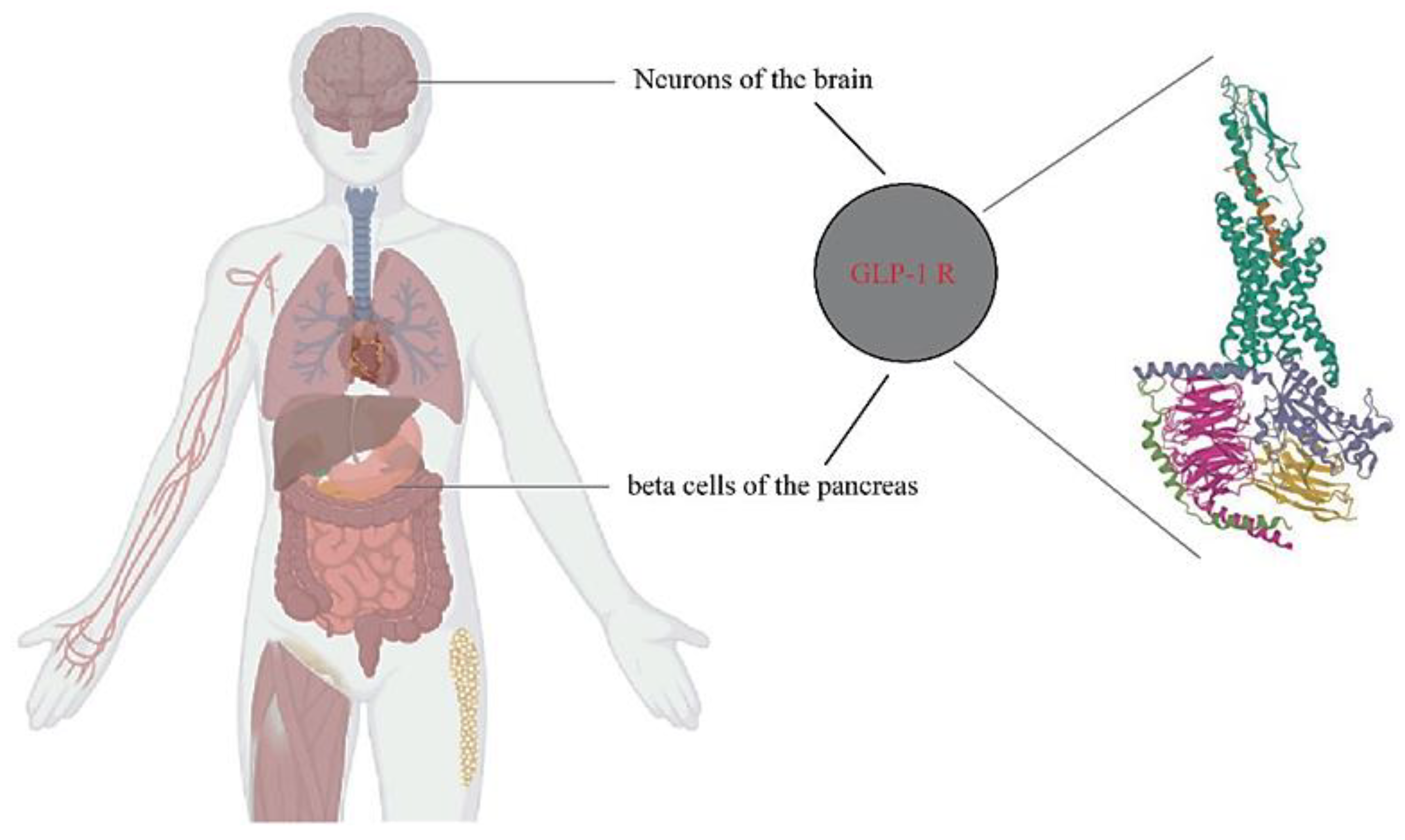
Notably, these drugs reduce weight primarily by reducing energy intake, via activation of the GLP-1 receptor on multiple sites of action primarily in the central nervous system, although the most relevant sites of action, and the neural circuits recruited remain contentious.
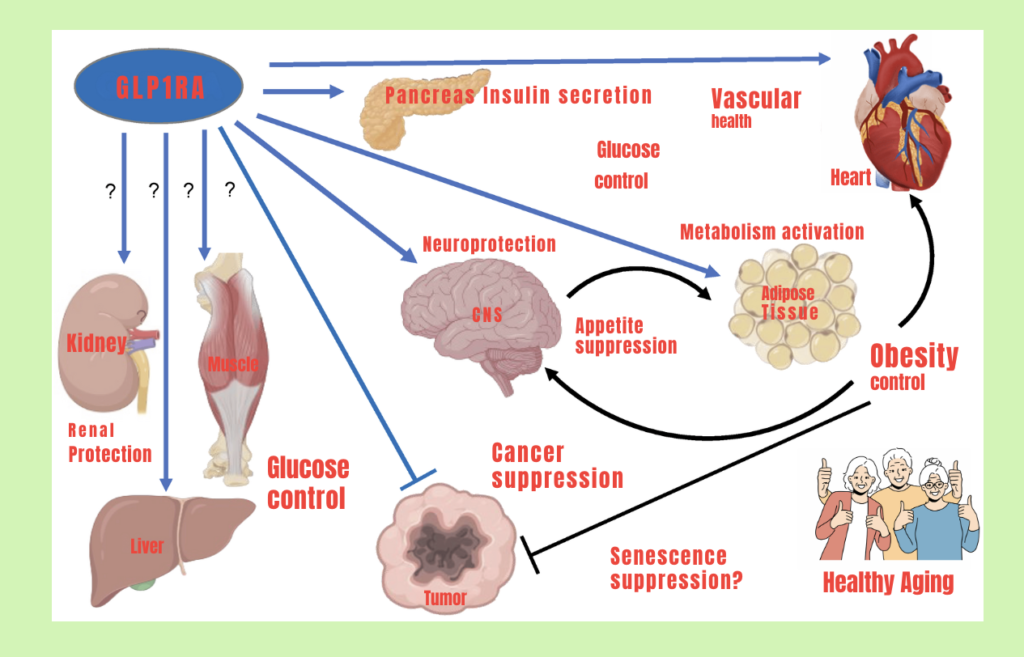
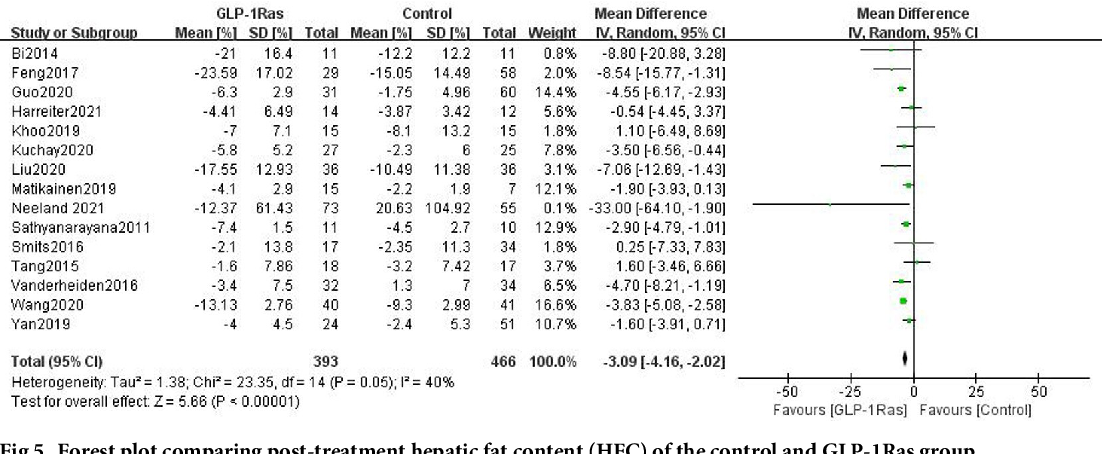
Discover how the GLP-1 mechanism of action impacts glucose, appetite, heart health, liver fat, and cognitive function in clinical care.