Hamster Epithelia (e84) IgE - This test detects the presence of specific IgE against hamster epithelium. A positive test only indicates that a person is sensitized and potentially allergic to this allergen.
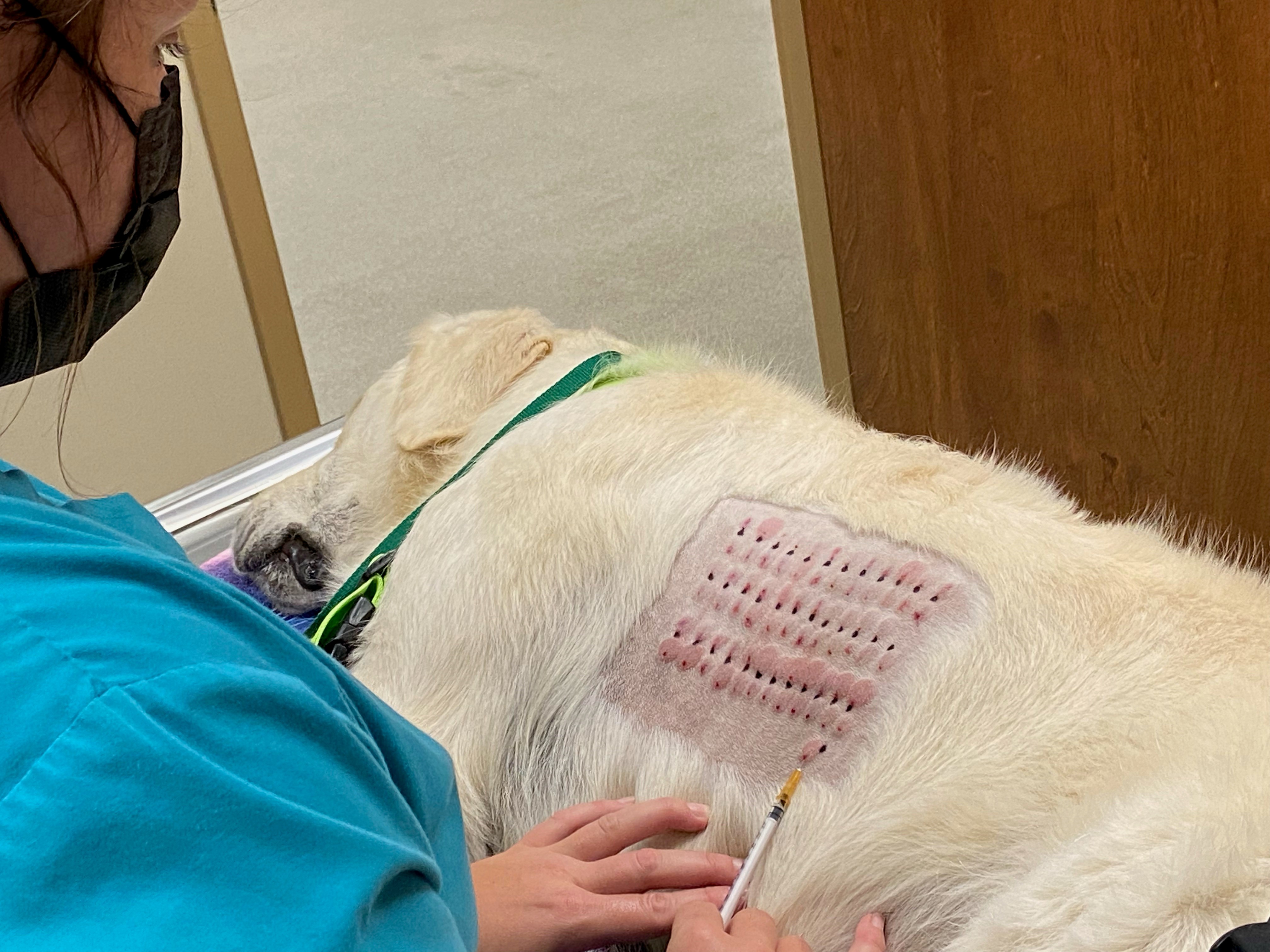
Testing for hamster allergies involves two primary methods: a skin prick test or a blood test. The skin prick test introduces a tiny amount of hamster dander to the skin, while the blood test measures the amount of specific IgE antibodies in response to hamster allergens.

This IgE allergy test uses a blood sample to determine if you are allergic to Hamster Epithelium (skin cells/tissue). Hamsters are solitary, burrowing, nocturnal rodents, with chunky bodies, usually short tails, soft, thick fur, and large external cheek pouches used for holding food.

To assess whether the experimental hamster infections generated similar responses to human first infections, we compared a subset of hamster titrations to those performed using first-infection human sera.
The Hamster Epithelia e84 IgE Test measures IgE antibodies to proteins from hamster skin and fur. Elevated antibody levels may indicate an allergic reaction, which can cause symptoms like sneezing, congestion, itchy eyes, skin irritation, or asthma when exposed to hamsters.