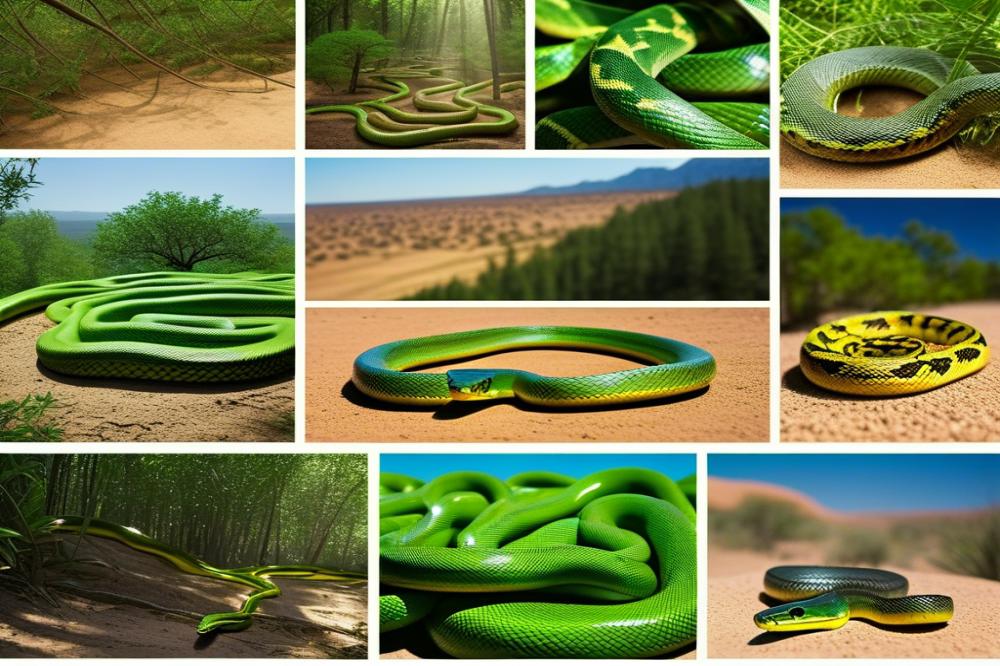
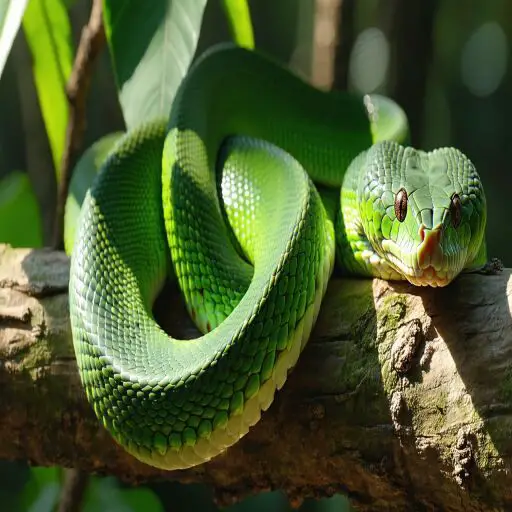
This article will guide you through identifying various common snakes, interpreting their behavior, and providing insights that promote coexistence and respect.
Learning about these unique snake behaviors helps you understand how these amazing creatures survive and communicate in their world. From using their tongues to smell the air to vibrating their tails like rattlesnakes, snakes have developed clever ways to hunt, hide, and find mates.

Observing wild reptiles in their natural habitat is a fascinating and educational experience. Among these creatures, snakesoften called slithering reptiles due to their distinctive mode of locomotionoffer unique insights into behavior, ecology, and adaptation.

Discover how snakes communicate behavior through chemical signals, body language, and vibrations. Learn their secret methods of serpent communication.
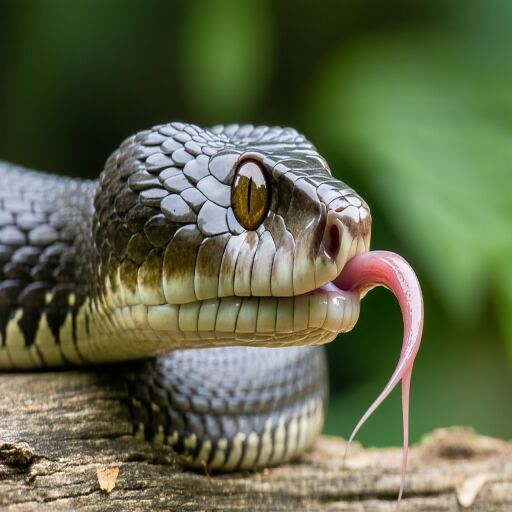
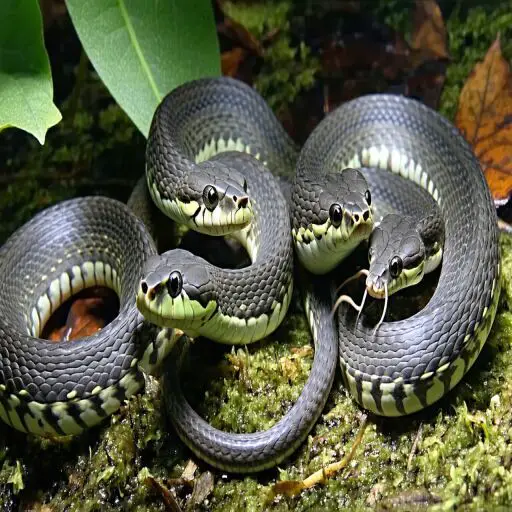
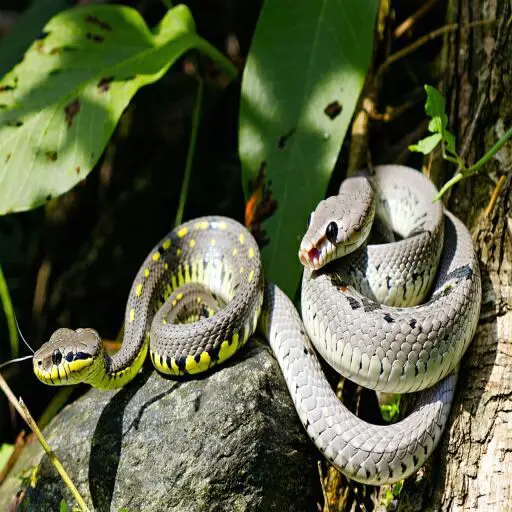
Furthermore, visual representations like the one above help us fully grasp the concept of How To Understand Snake Behavior In The Wild.
Snakes are remarkable creatures that play an essential role in ecosystems around the world. By understanding their behavior, habitats, and dispelling common myths, we can foster a greater appreciation for these enigmatic reptiles.
Over 3,000 Snake species exist worldwide, ranging from the 20-foot reticulated python to the 4-inch thread snake. They've adapted to diverse habitats from rainforests to deserts, showing variation in size, color, behavior, and feeding habits.