Explore how hyperconnectivity impacts mental health, from digital burnout to social media anxiety. Learn strategies to stay balanced in todays always-online world.
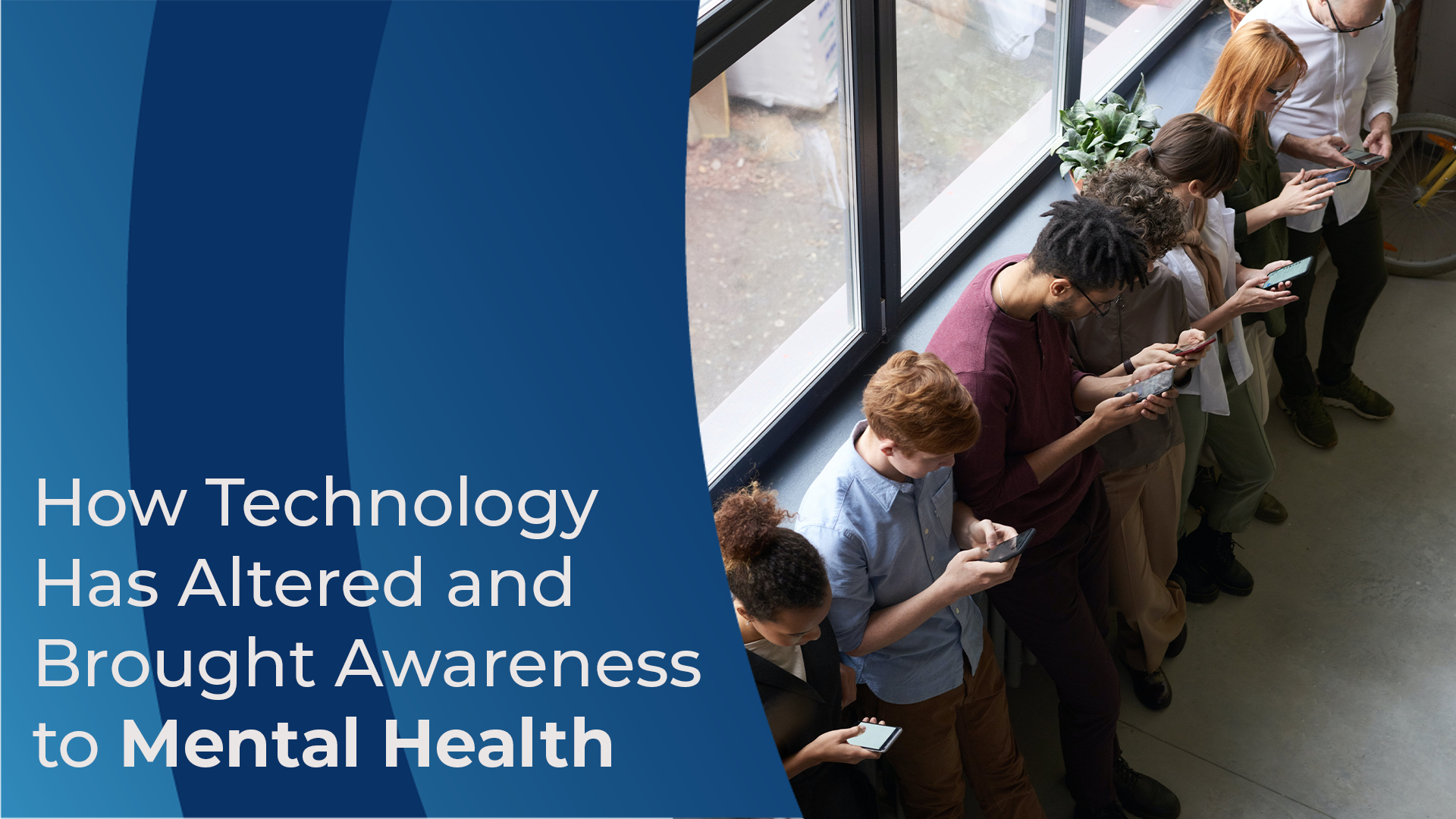
Generation Z faces unprecedented mental health challenges in a hyperconnected digital environment. While technology offers benefits such as access to resources and support networks, it also poses risks including anxiety, depression, and social comparison.

Living in a hyperconnected world means that digital devices are omnipresent in both professional and personal spheres. While this has enabled remote work, instant communication, and access to vast knowledge, it has also contributed to increasing levels of stress, anxiety, and depression globally.

As we can see from the illustration, Hyperconnectivity And Mental Health Awareness has many fascinating aspects to explore.
In this article, well explore some of the challenges of mental health and wellness in the digital age, and provide practical strategies for coping with stress and burnout.

Such details provide a deeper understanding and appreciation for Hyperconnectivity And Mental Health Awareness.
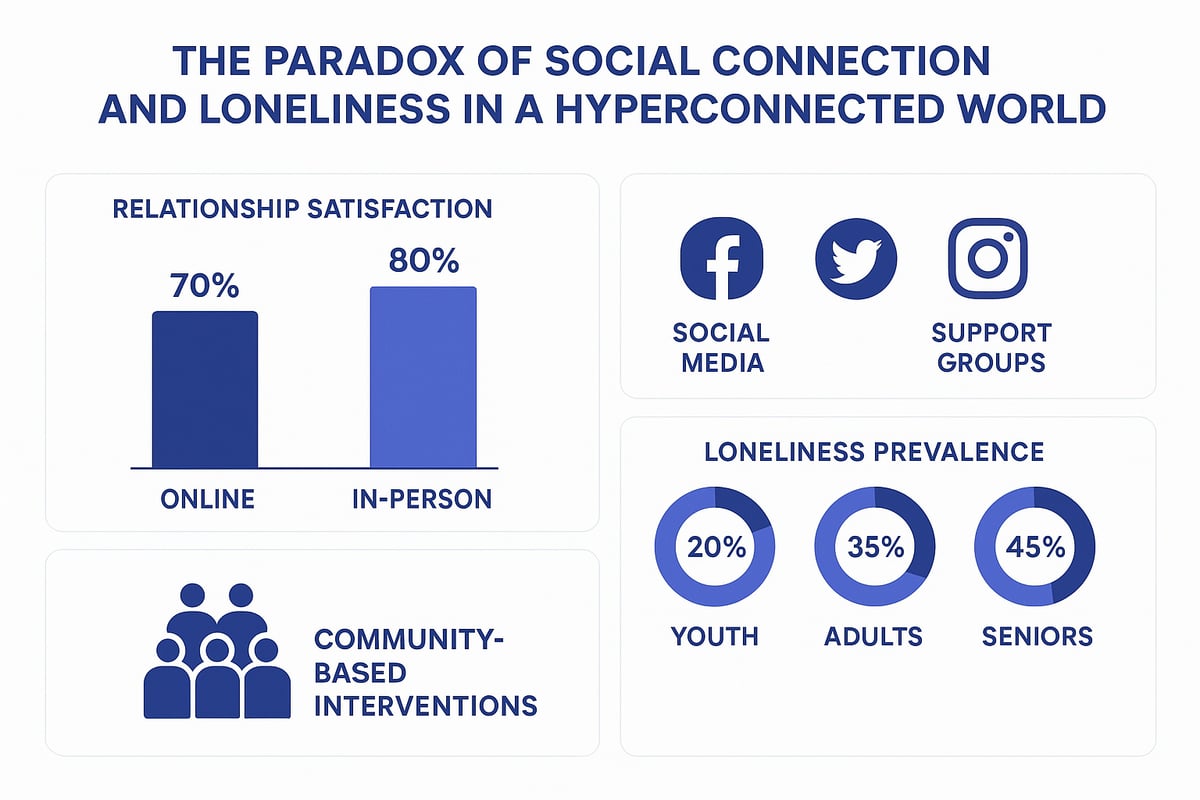
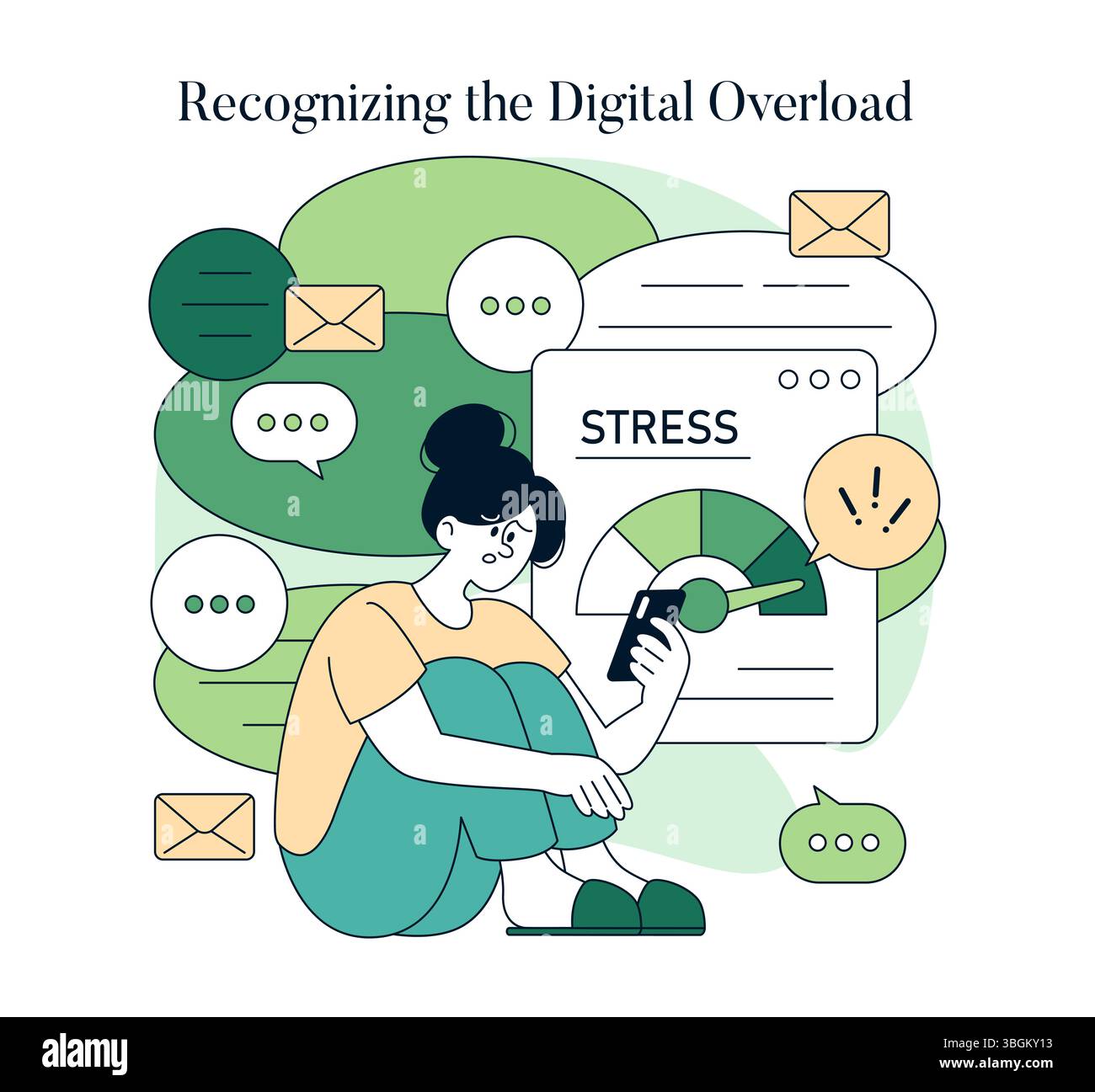
In mental health, hyperconnectivity is increasingly linked to stress, disrupted sleep, reduced face-to-face interaction, and digital dependency. It affects both adults and youth, often contributing to burnout, comparison-driven self-esteem issues, and emotional dysregulation.
This article delves into the psychological implications of living in a hyperconnected world, examining how constant connectivity impacts mental health, social interactions, cognitive functioning, and overall well-being.