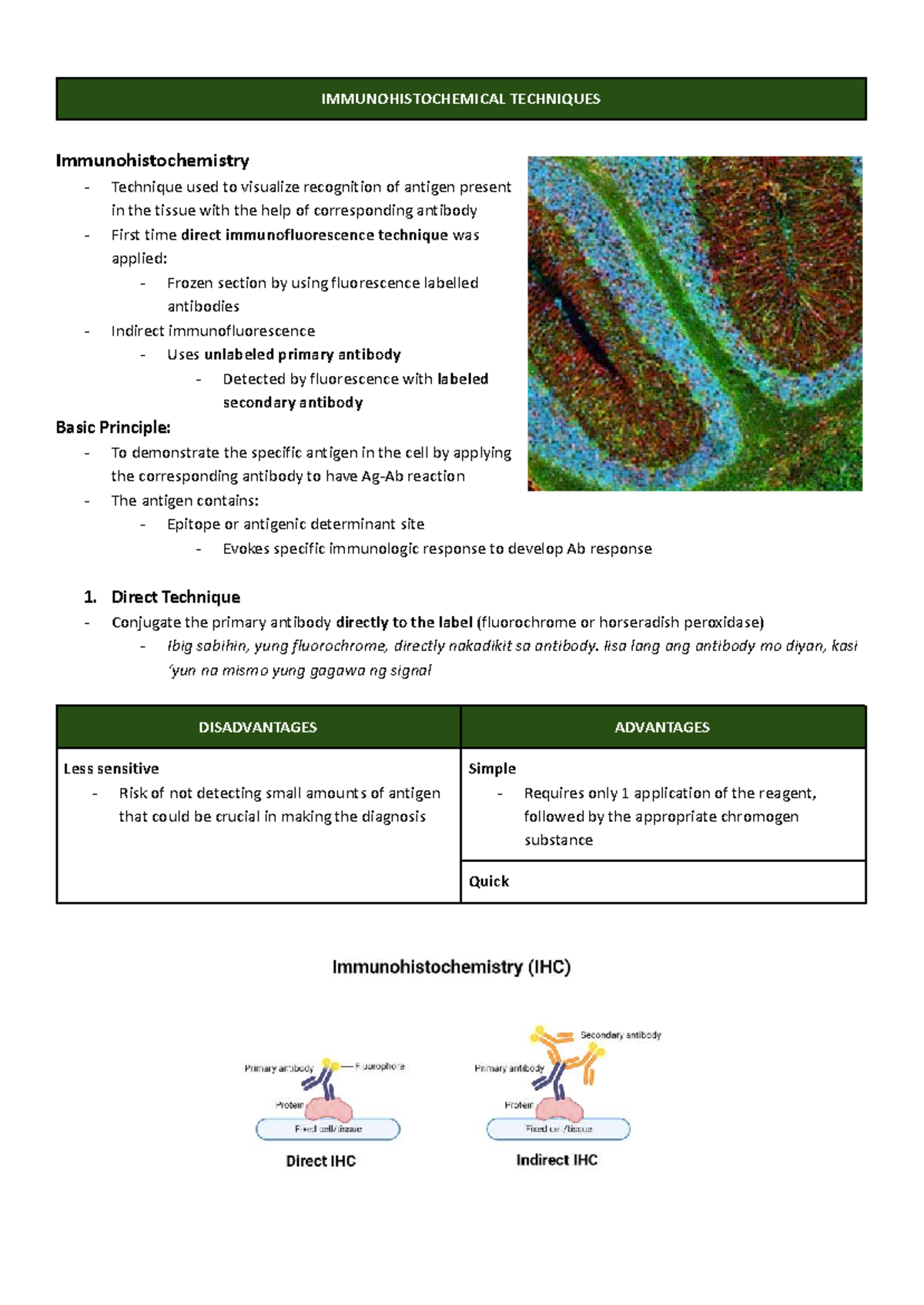
- In immunohistochemical techniques, there are several steps prior to the final staining of the tissue that can cause a variety of problems. It can be strong background staining, weak target antigen staining and presence of artifacts. It is important that antibody quality and the immunohistochemistry ...
Nowadays, electron microscopy is still irreplaceable for ultrastructural morphology in basic and applied biomedical research, while the application of correlative light and electron microscopy and of refined ultrastructural histochemical techniques gives electron microscopy a central role in functional cell and tissue biology, as a really ...
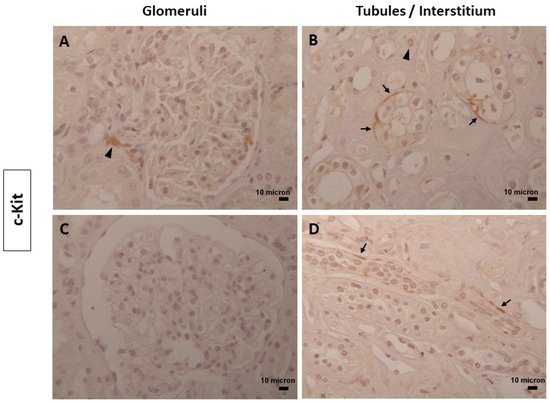
- The tissue samples are prepared following specialized techniques to enable the entry of the antibodies, and the label is detected using light or electron microscopy (Figure 2). Figure 2: Immunohistochemical staining for tryptophan hydroxylase 2, revealing serotonergic neurons and their projections in human dorsal raphe.
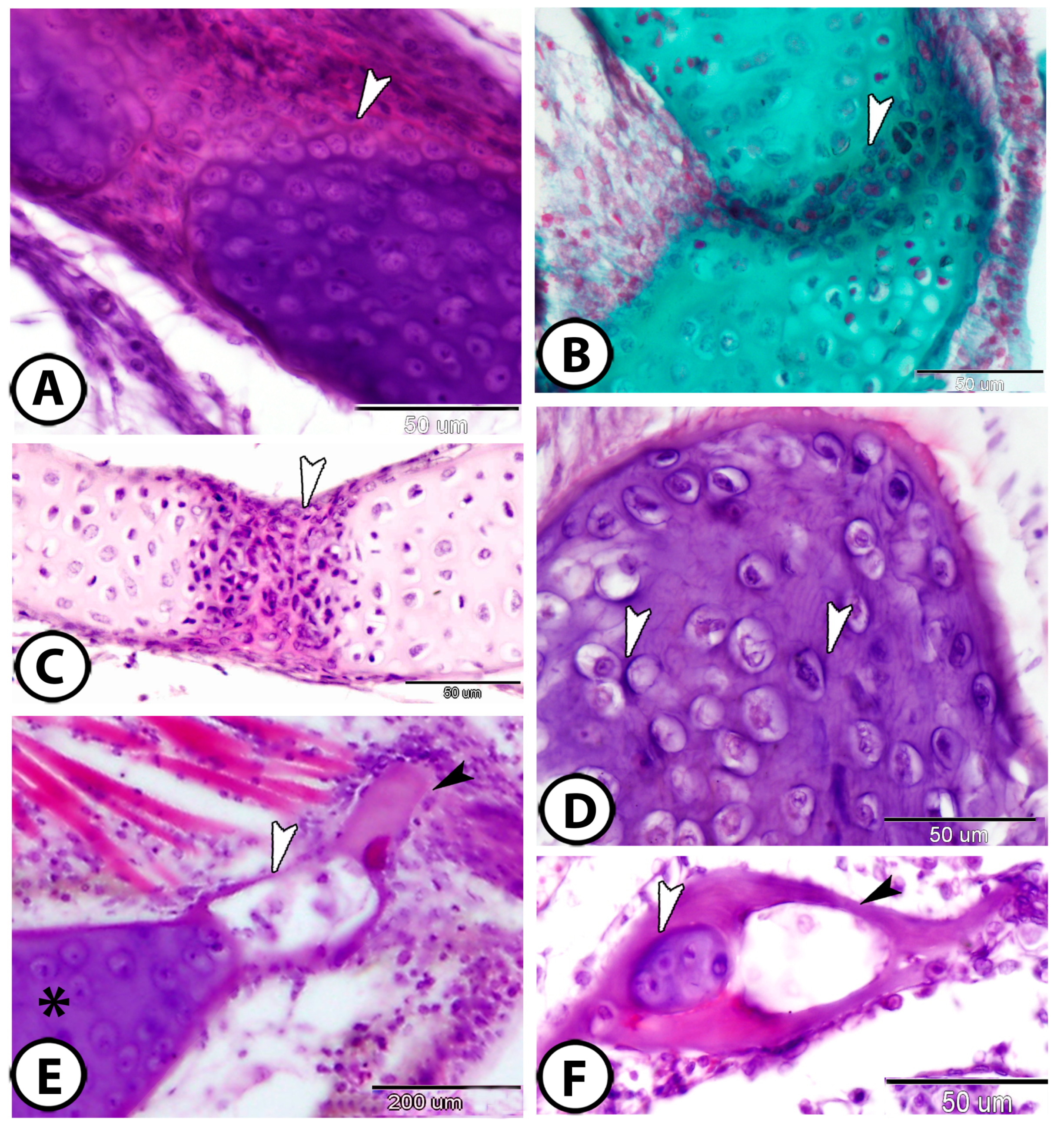
The Hematoxylin and Eosin stain is a cornerstone in histopathology that facilitates the microscopic examination of tissue samples for identifying infections and tumors. However, challenges arise from the similar appearances of diseases and cells, prompting the emergence of Immunohistochemistry (IHC) as an important technique. This review summarizes the principles, procedures, and applications ...
While multiplex immunohistochemistry (mIHC) has improved efficiency and standardisation compared to traditional staining methods, the manual handling of numerous slides and the subsequent examination and analysis of stained sections remain labour-intensive.