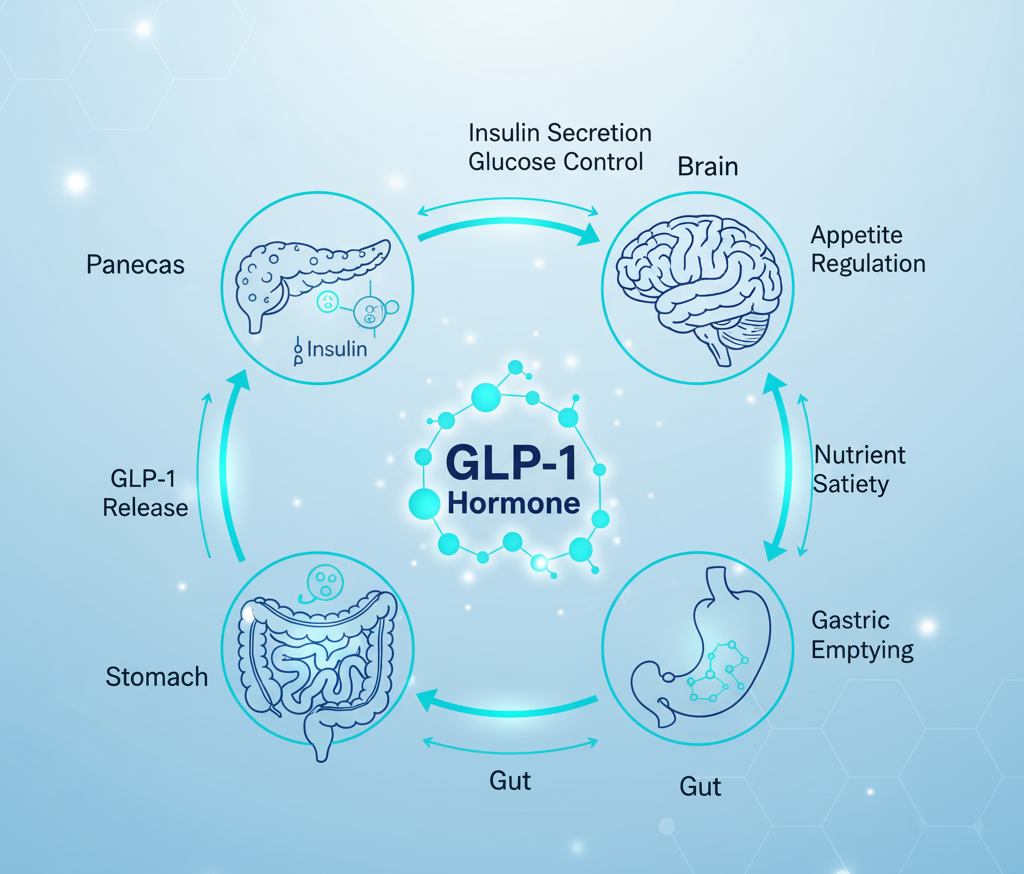
Abstract Glucagon (GCG) like peptide 1 (GLP-1) has emerged as a powerful player in regulating metabolism and a promising therapeutic target for various chronic diseases. This review delves into the physiological roles of GLP-1, exploring its impact on glucose homeostasis, insulin secretion, and satiety.
bstract Glucagon-like peptide-1 (GLP-1) receptor agonists (RAs) have become central in managing obesity and type 2 diabetes, primarily through appetite suppression and metabolic regulation. This review explores the mechanisms underlying GLP-1 RA-induced weight loss, focusing on central and peripheral pathways.

Furthermore, visual representations like the one above help us fully grasp the concept of Impact Of Glp-1 On Caloric Intake And Glucose Metabolism.
Glucagon-like peptide-1 (GLP-1) has emerged as a pivotal regulator in the management of glucose homeostasis, glycogen metabolism, and energy balance, positioning it as a critical therapeutic target for addressing obesity, metabolic syndrome, and type 2 diabetes mellitus (T2DM). GLP-1 receptor agonists (GLP-1RAs) have shown promise for improving glycemic control and reducing weight through ...

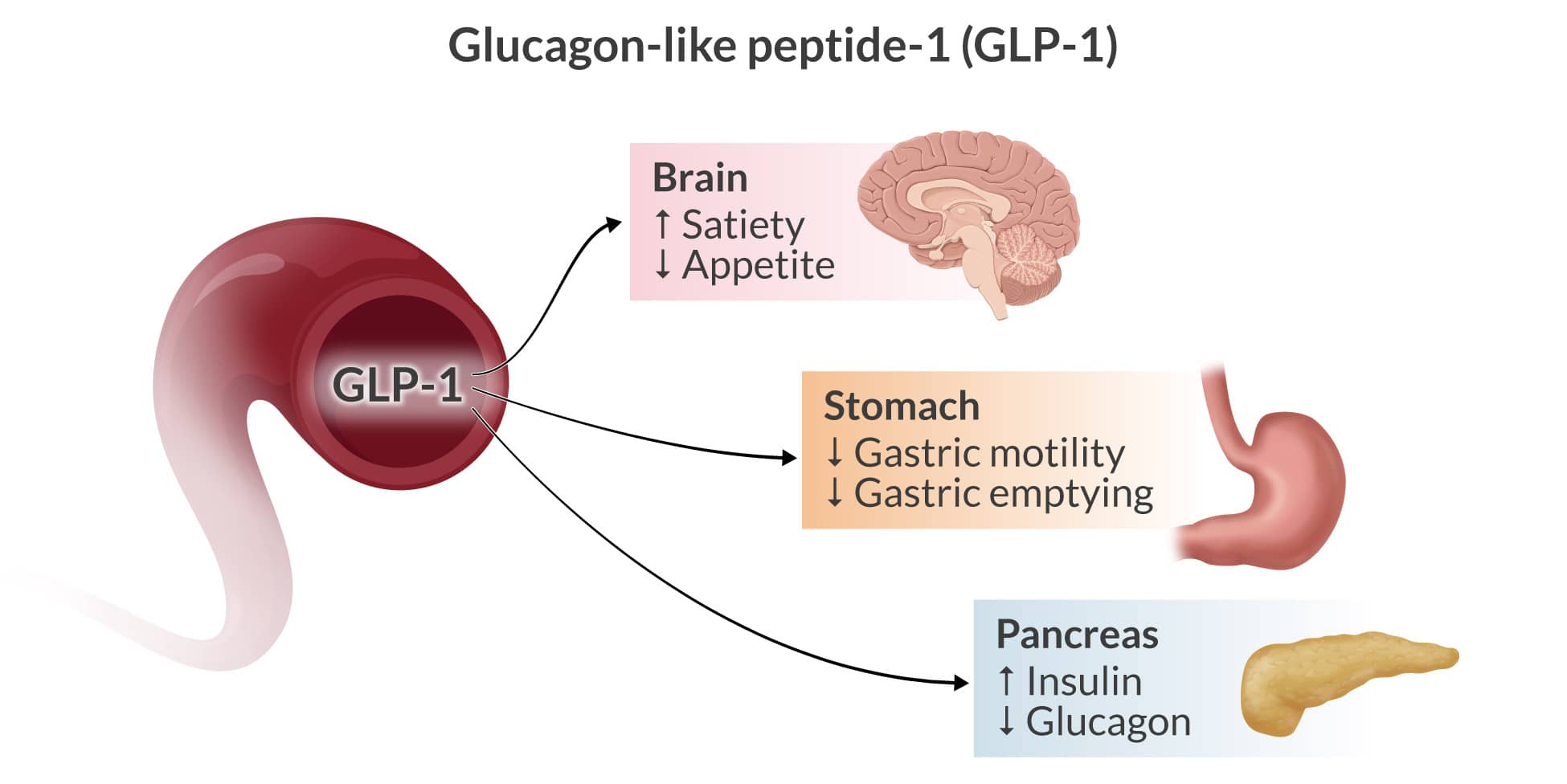
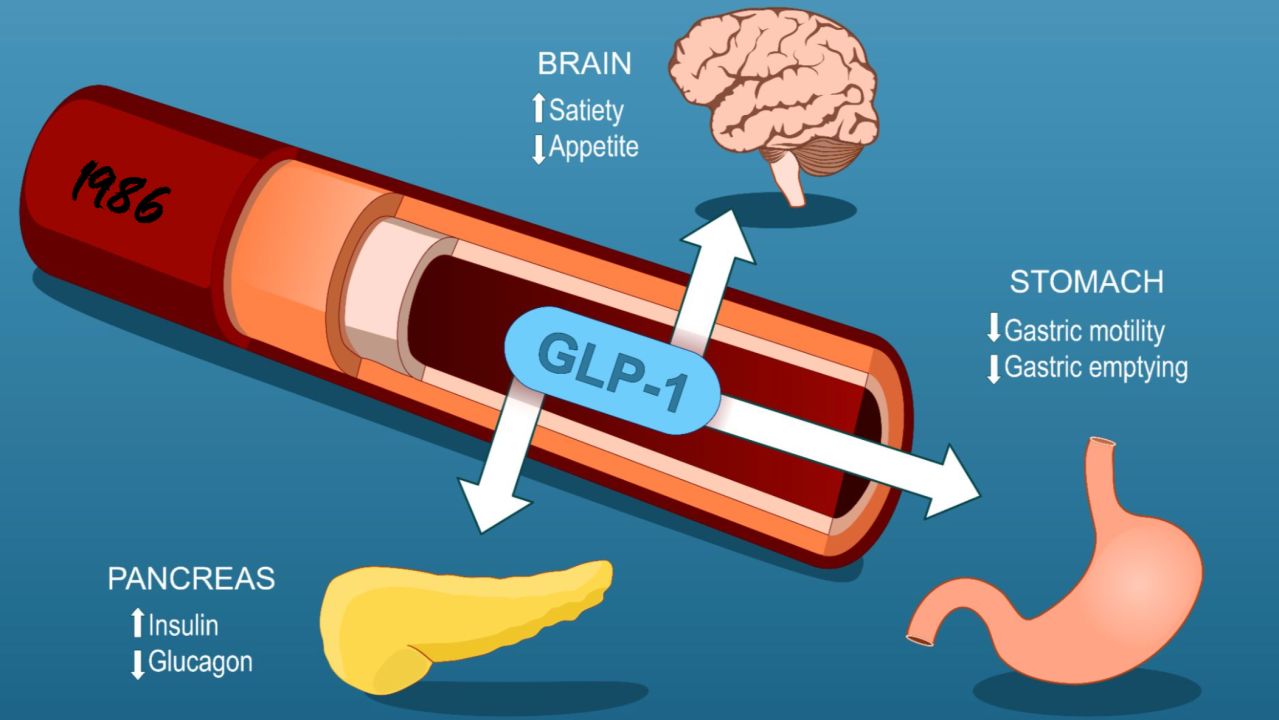
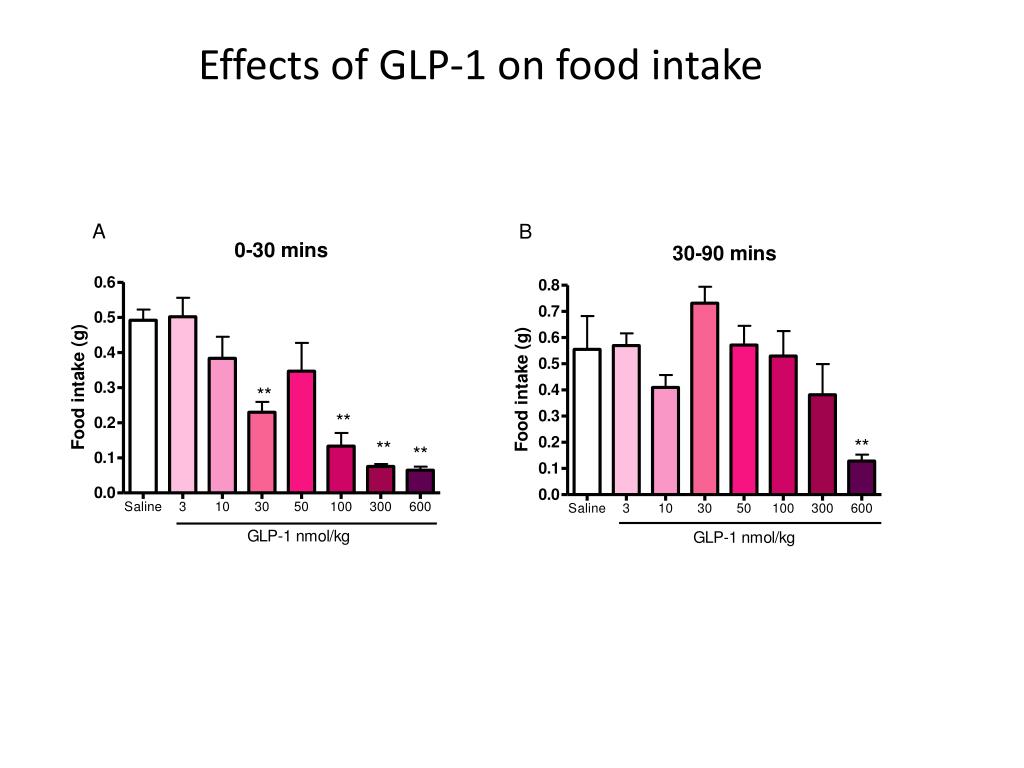
Thus, GLP-1 suppresses food intake through three pathways: hypothalamus, area postrema and sensory nerves 1. GLP-1 has a strong blood glucose-lowering effect through pharmacological GLP-1 actions, such as gastric emptying and appetite suppression, in addition to promoting insulin secretion and inhibiting glucagon secretion (Figure 1a).

Moving forward, it's essential to keep these visual contexts in mind when discussing Impact Of Glp-1 On Caloric Intake And Glucose Metabolism.
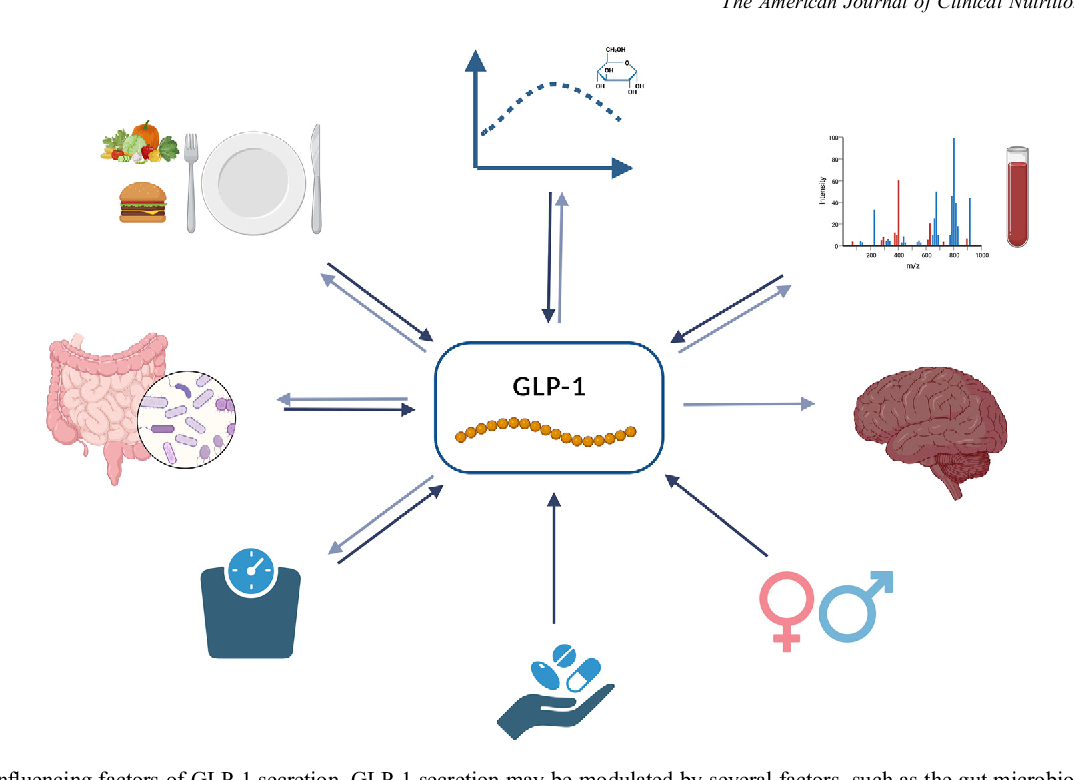
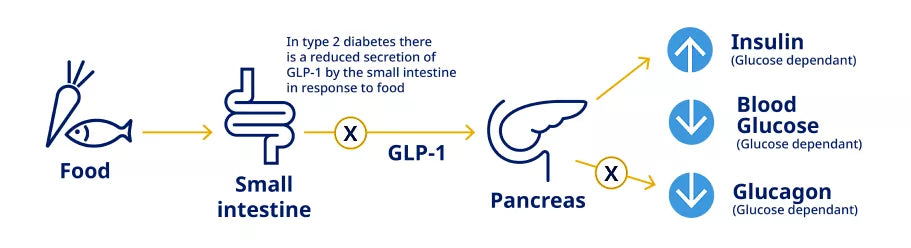
Glucagon-like peptide 1 (GLP-1), a gastrointestinal peptide and central mediator of glucose metabolism, is secreted by L cells in the intestine in response to food intake. Postprandial secretion of GLP-1 is triggered by nutrient-sensing via transporters and G-protein-coupled receptors (GPCRs). GLP-1 secretion may be lower in adults with obesity/overweight (OW) or type 2 diabetes mellitus (T2DM ...