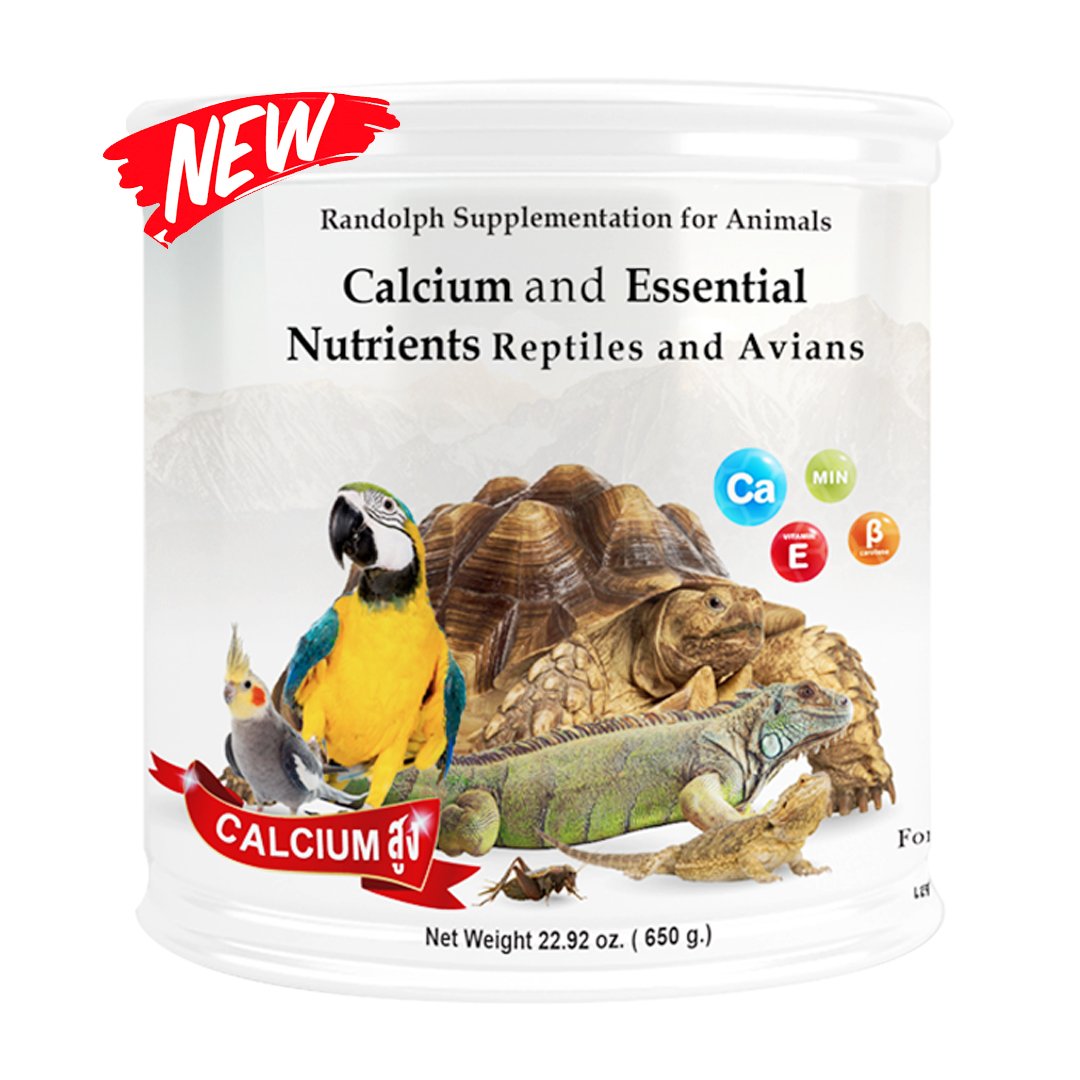
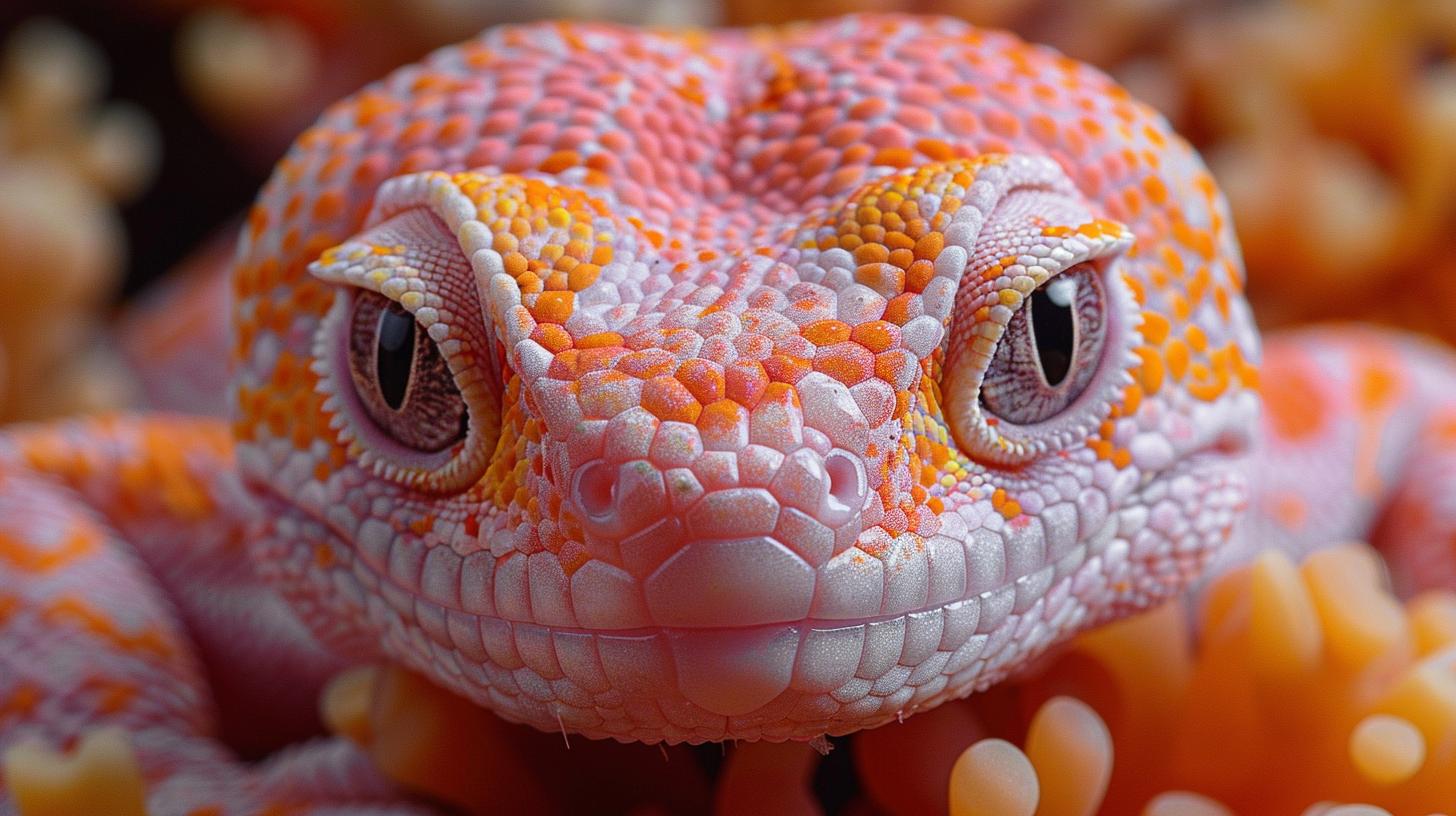
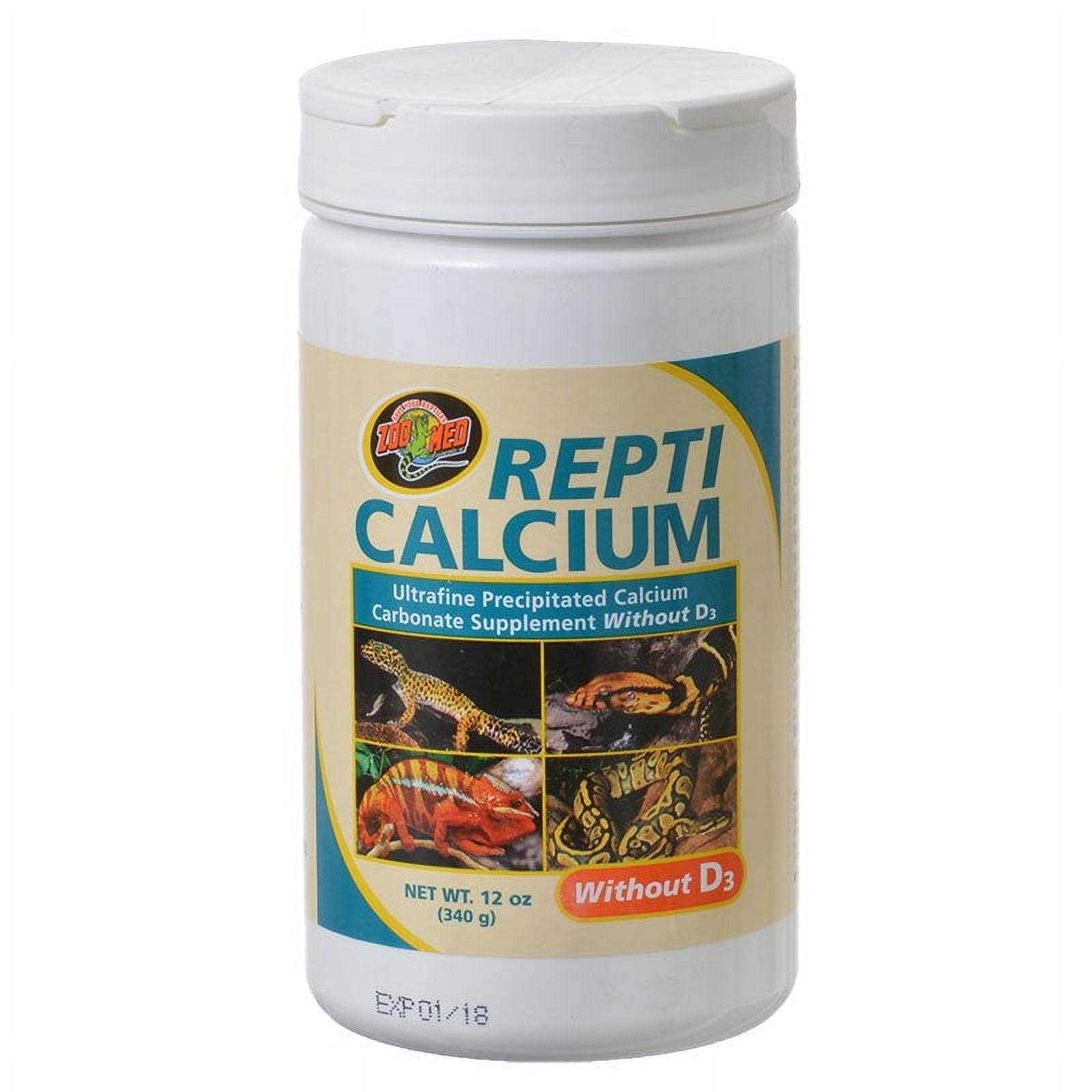
Learn how to provide optimal calcium nutrition for your reptile, including sources, requirements, and signs of deficiency. Get expert advice on creating a balanced diet.
This article will explore how do wild reptiles get calcium?, detailing the various methods they employ to ensure sufficient intake and utilization of this essential nutrient.
Calcium is an essential mineral for reptiles, playing a pivotal role in their overall health and vitality. Just like in humans, calcium in reptiles ensures the proper functioning of the heart and muscles, as well as the development and maintenance of strong bones.

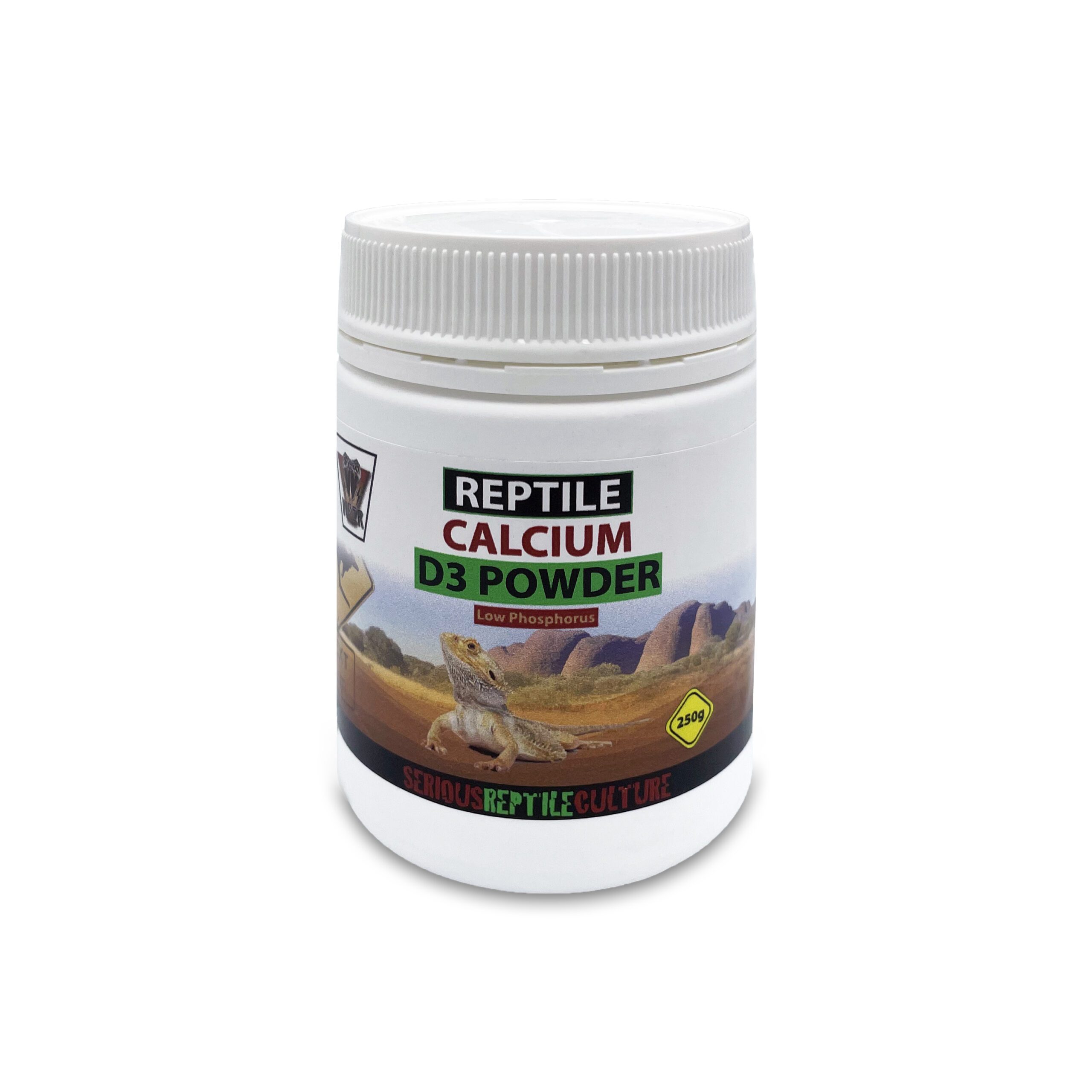
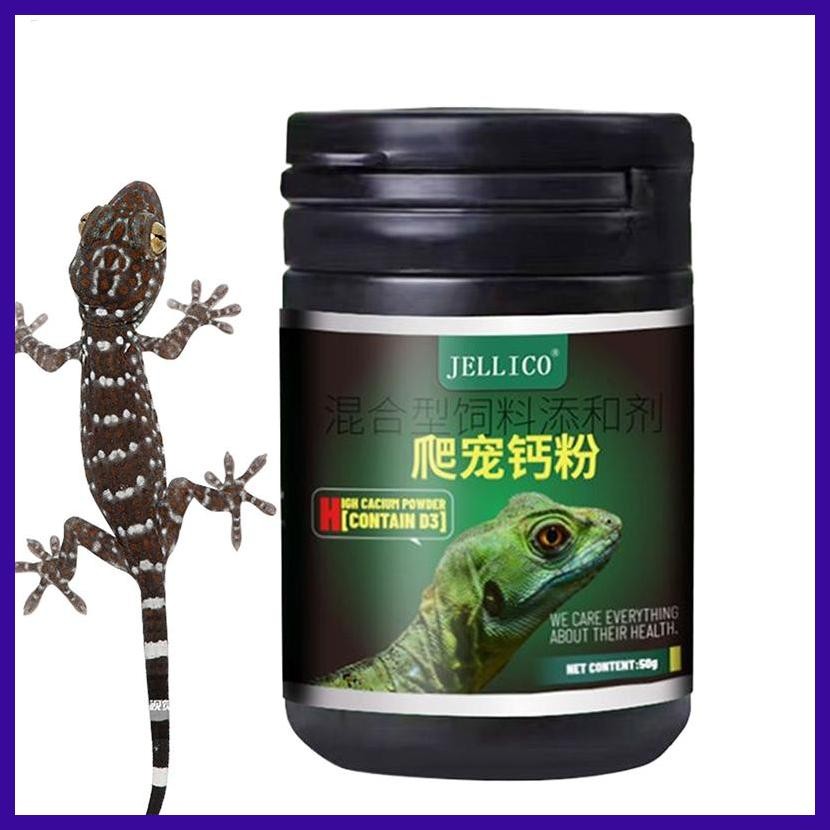
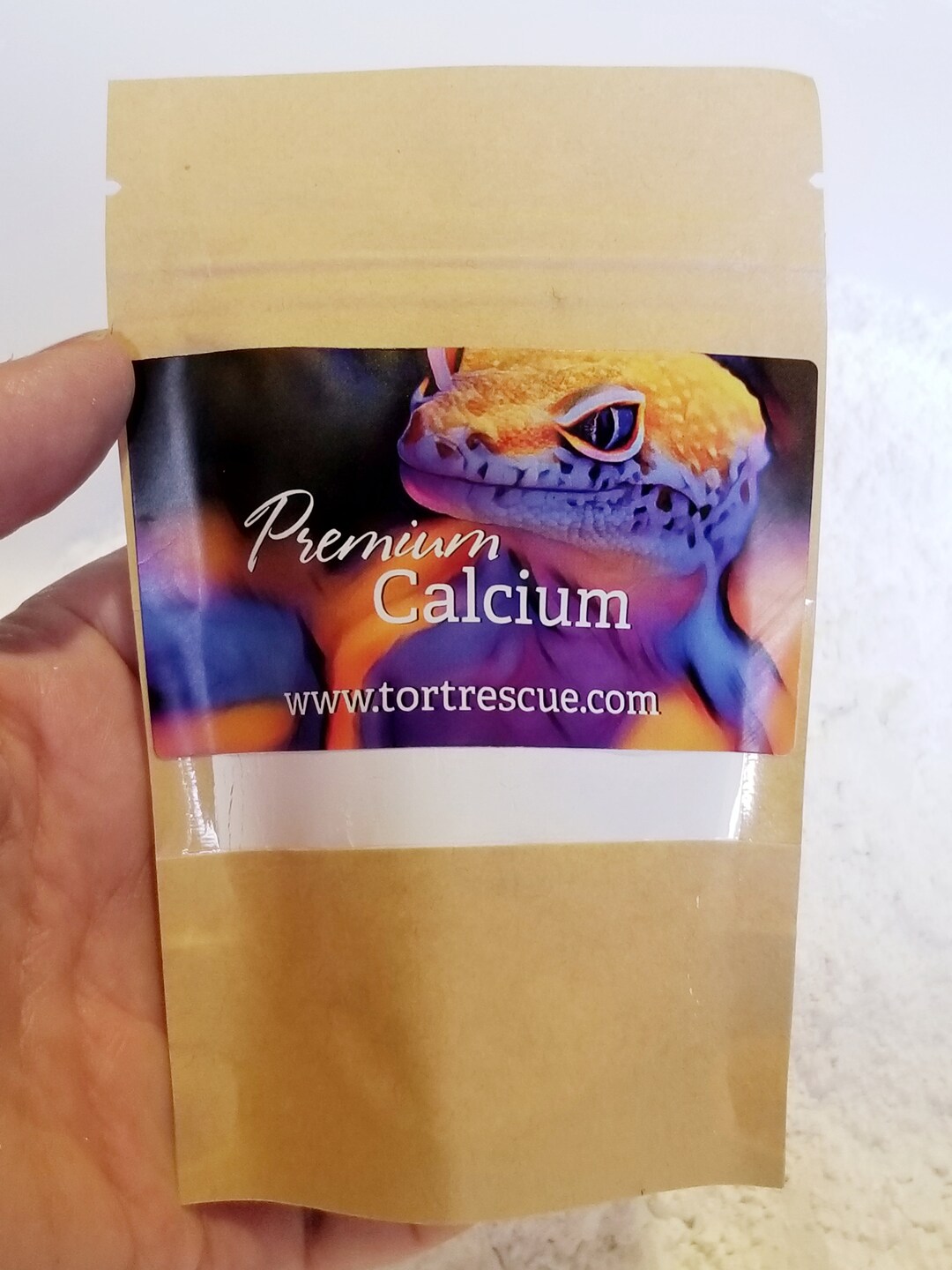
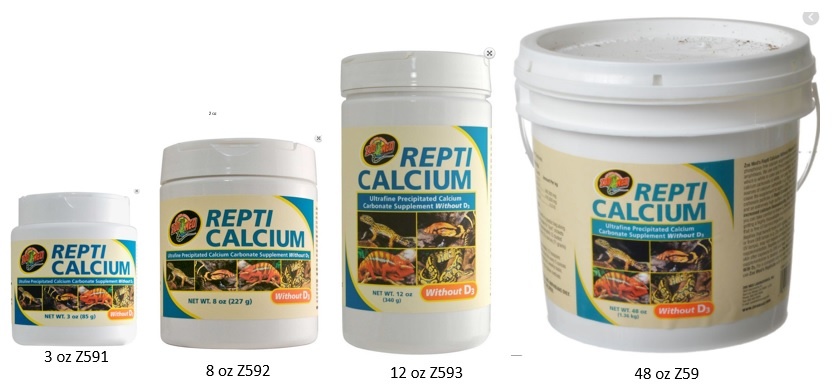
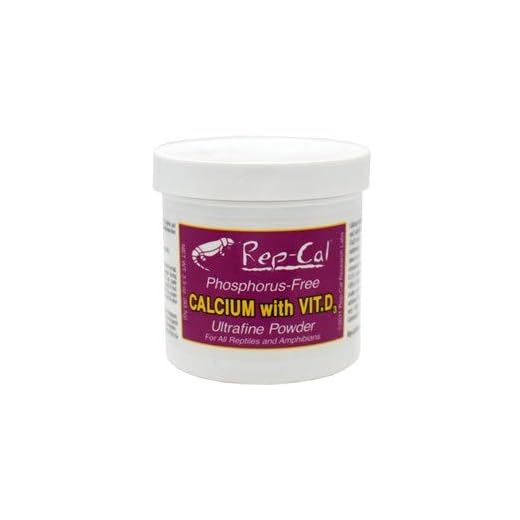
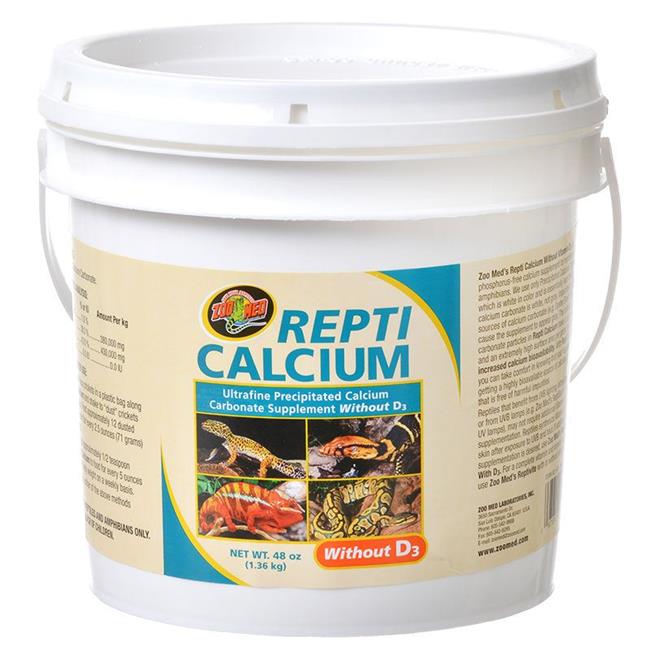
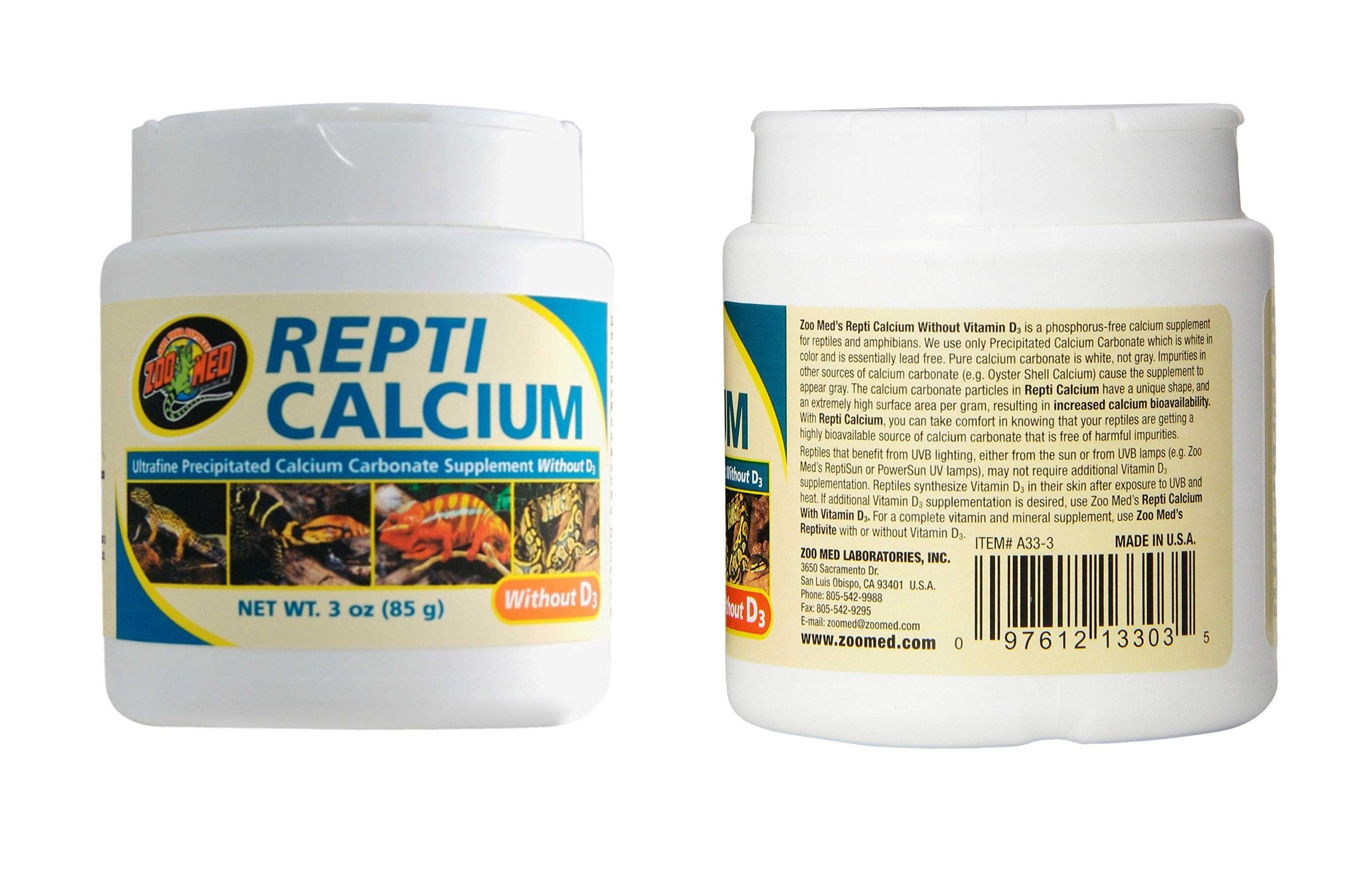
As pet owners, we can never 100% duplicate the exact same diet our reptiles would receive in the wild, so supplementing specific vitamins and minerals, particularly calcium, becomes one of the most important things we can do for them.
Calcium in the diet of reptiles has important functions in many metabolic processes. Among other things, it is responsible for muscle contractility, nerve conduction, blood clotting, cell membrane permeability, enzyme activity, and bone metabolism.
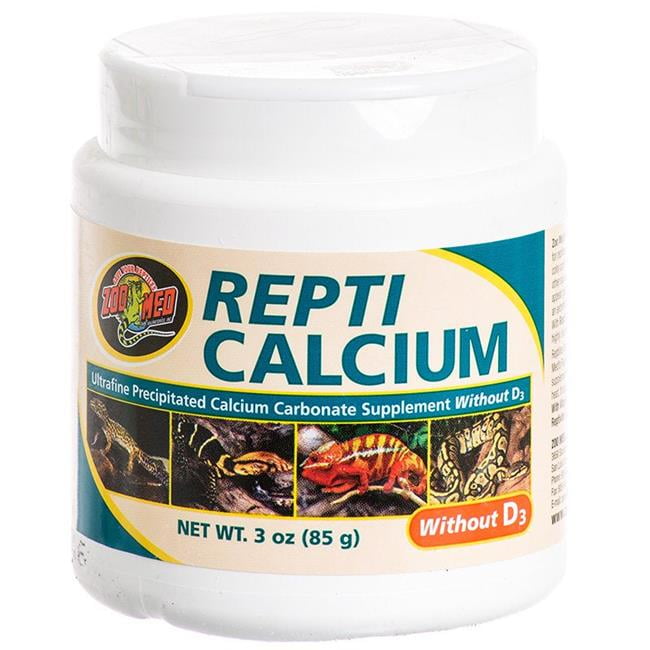
Moving forward, it's essential to keep these visual contexts in mind when discussing Importance Of Calcium Sources For Reptiles.
Calcium plays a critical role in reptile health, supporting bone development, muscle function, nerve signalling, and metabolic processes. In captivity, calcium imbalance is one of the most common causes of preventable illness, particularly when nutrition and lighting are not correctly aligned.