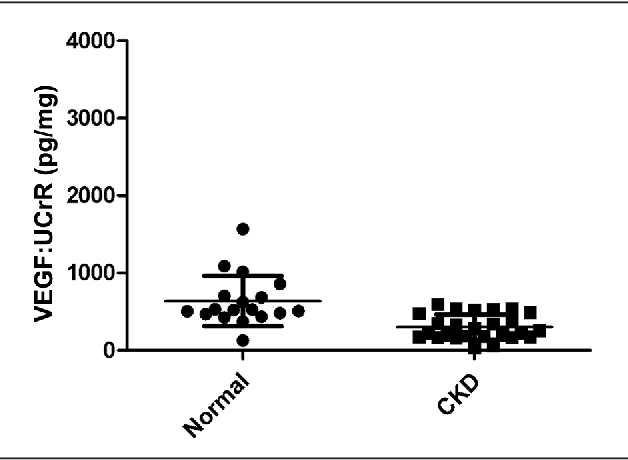
We hypothesized that levels of pro-inflammatory and pro-fibrotic cytokines would be increased in the urine of cats with CKD when compared with healthy cats. In addition, we hypothesized that the angiogenic factor VEGF would be decreased in the urine of cats with CKD in comparison to normal cats.
Various proinflammatory cytokine concentrations were significantly different between healthy cats and those with sepsis and septic shock, but none of these cytokines was predictive of outcome in these patients.

Feline idiopathic cystitis (FIC) is one of the common urinary disorders of domestic cats. Inflammation is a key characteristic in the pathogenesis of cystitis and pro-inflammatory cytokines and chemokines have been hypothesized to contribute to the progression of cystitis.

Moving forward, it's essential to keep these visual contexts in mind when discussing Inflammatory Cytokine Challenged Cats.
Learn about the veterinary topic of Immune System Responses in Cats. Find specific details on this topic and related topics from the Merck Vet Manual.

Chronic inflammatory conditions in cats, such as chronic rhinitis or dermatitis, are also influenced by cytokine dysregulation. In these cases, persistent activation of inflammatory cytokines, like IL-1 and TNF-, leads to ongoing inflammation and tissue damage.
We have identified increased serum concentrations of proinflammatory cytokines and chemokines CXCL12, IL12, IL18, and Flt3L in FICaffected cats.