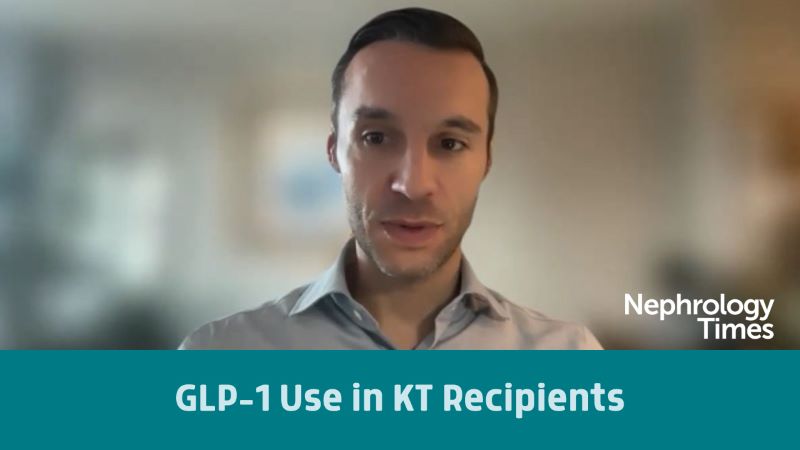
GLP-1 medications, known for helping with weight loss, offer surprising benefits for people with kidney disease. Dr. Holly Kramer, a nephrologist or kidney doctor, explains how these medications work and why they matter for kidney health.
In this Review, we outline the clinical evidence for the long-term kidney benefits seen with GLP-1 receptor agonists. Next, we discuss potential mechanisms involved in the renoprotective effects conferred by GLP-1 receptor agonists based on human physiological and preclinical studies.

The US Food and Drug Administration approved the GLP-1 receptor agonist semaglutide to reduce kidney and cardiovascular risk in patients with type 2 diabetes and CKD in January 2025, with data on treatment effects still accumulating.

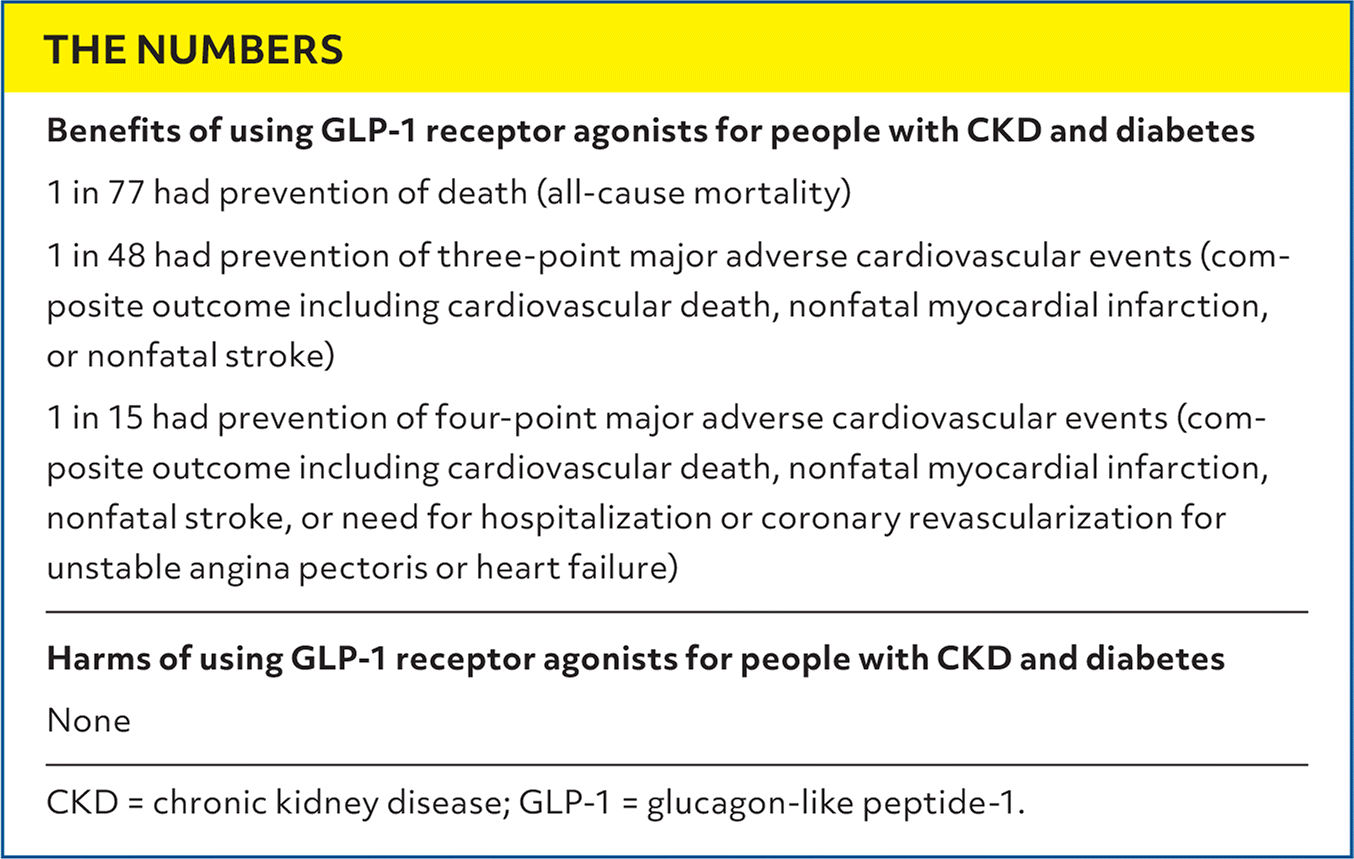
The 2025 Cochrane review discussed here evaluated the effectiveness and risks of GLP-1 agonists compared with placebo.

What evidence supports GLP-1 receptor agonist use for CRC prevention?This researchshows a potential benefit with GLP-1 receptor agonists in that age group, which could really transform CRC screening and prevention in young people."
GLP-1 receptor agonists are best known as blockbuster diabetes and obesity medications.I usually recommend that my patients with kidney disease take both to prevent disease progression as much as possible.
GLP-1 receptor agonists are highly effective medicines for treating diabetes and obesity, helping patients lower blood sugar, lose weight, and improve heart and kidney health.Tirzepatide and prevention of chronic kidney disease. Clin Kidney J. 2023;16:797808.