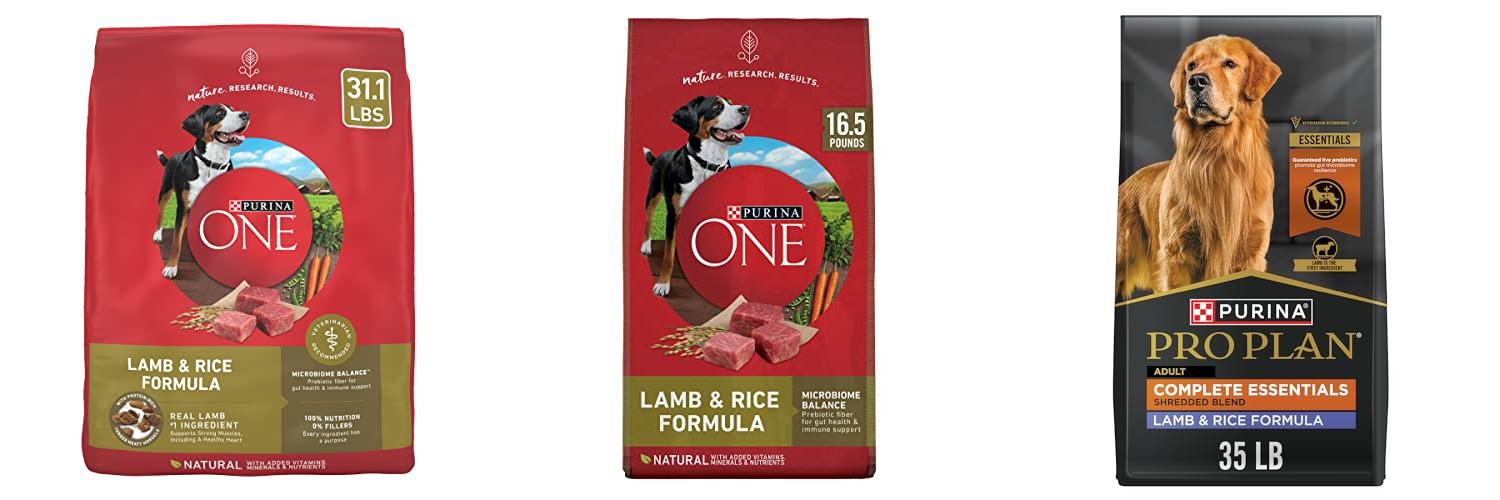
For dogs with allergies or sensitive digestion, selecting a lamb-and-rice formula can help reduce itchy skin, GI upset, and inflammation. The options below are chosen for real lamb as a main protein, quality grains, and digestive support such as prebiotics or probiotics.
While commercial lamb and rice diets are convenient, they may not always be suitable for dogs with food allergies. Cross-contamination during manufacturing can introduce allergens, and the ingredient lists may include hidden proteins or additives.
In this guide, we will explore the world of lamb and rice dog food for allergies. Well break down the key ingredients to look for (and avoid!), discuss the pros and cons of this diet, and give you practical tips for transitioning your dog to a new food.

Such details provide a deeper understanding and appreciation for Lamb And Rice Dog Food Food Allergy Statistics.
While the triggers varyfrom protein source sensitivities to reactions against common fillers or artificial additivesthe search for a gentle, digestible formula leads countless pet owners to the classic pairing of lamb and rice.
Discover whether lamb and rice dog food is a healthy choice for your furry friend. Our article examines its benefits for dogs with allergies and sensitivities, including improved digestion and skin health. We also address potential drawbacks and the importance of ensuring a complete diet.
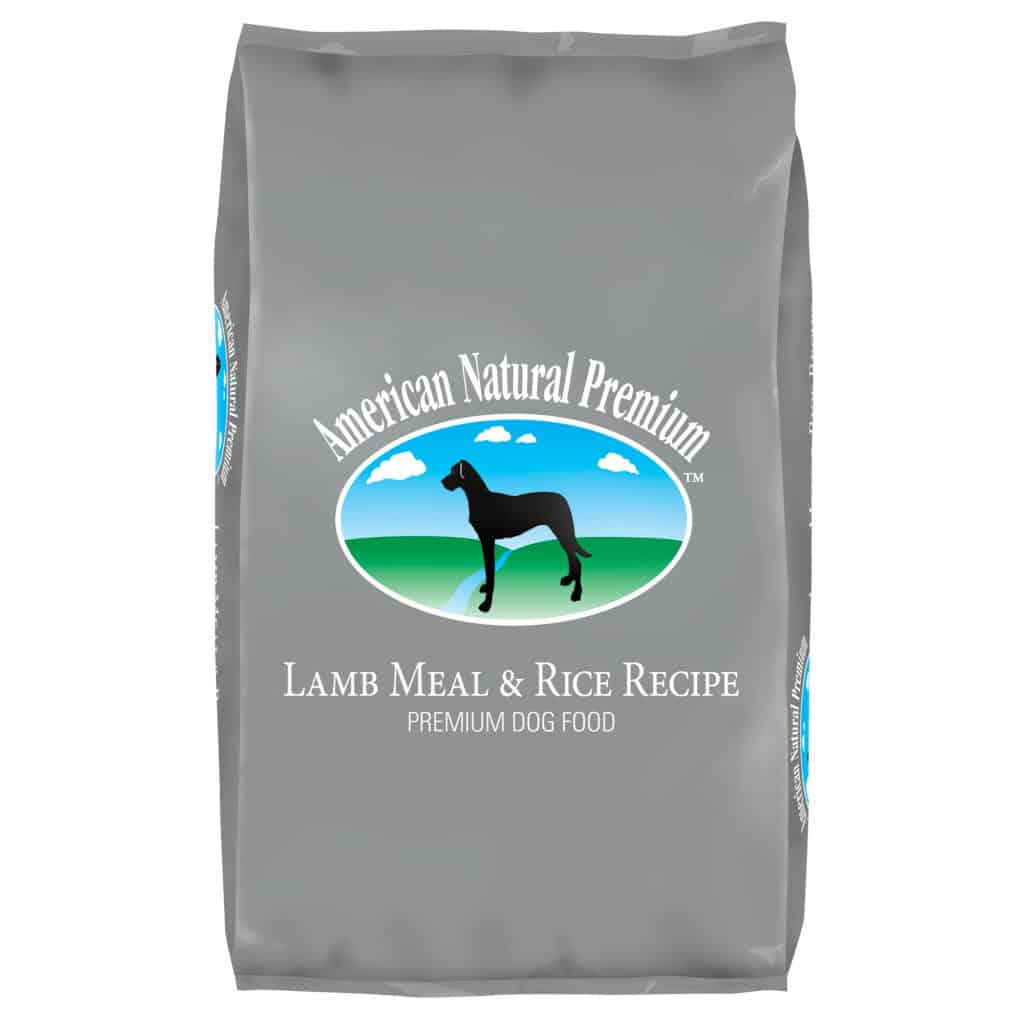
Furthermore, visual representations like the one above help us fully grasp the concept of Lamb And Rice Dog Food Food Allergy Statistics.
In this article, we will explore whether Purina One Lamb and Rice is a good option for dogs with allergies, as well as delve into various trends, concerns, and expert opinions related to the topic.