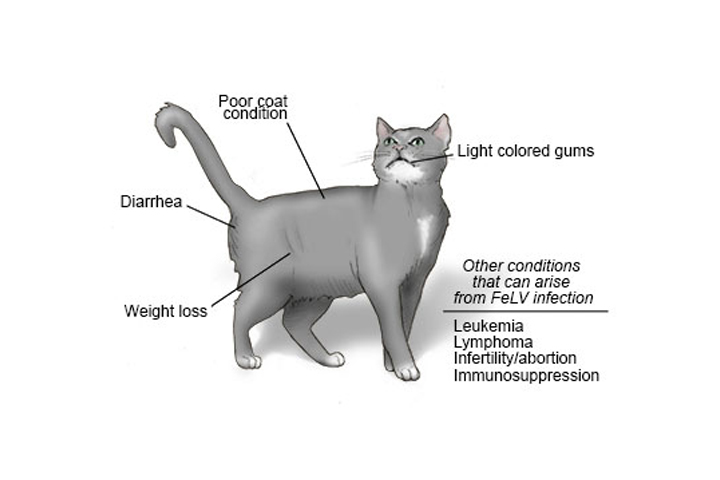
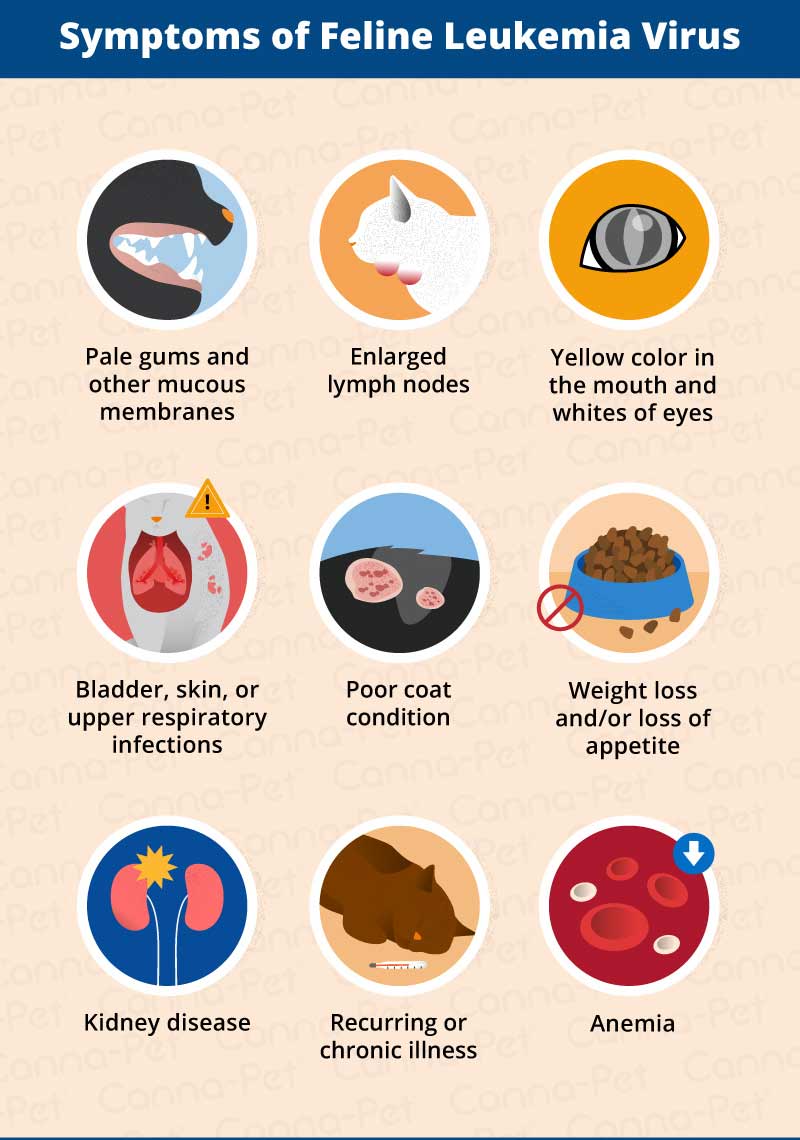
Early feline leukemia symptoms are often subtle and non-specific, including lethargy, weight loss, and a poor appetite. The virus progresses through stages, with advanced FeLV signs including recurrent infections, anemia, and certain cancers.
Cats with feline leukemia often exhibit a range of symptoms, from subtle lethargy and loss of appetite to more severe signs like fever, anemia, and increased susceptibility to infections, making early detection and veterinary care crucial for their well-being and quality of life.
Feline leukemia (FeLV) is a viral disease with a significant impact on cats, affecting their immune system and predisposing them to infections, anemia, and even cancer.

Moving forward, it's essential to keep these visual contexts in mind when discussing Leukemia In Cats With Lethargy Monitoring.
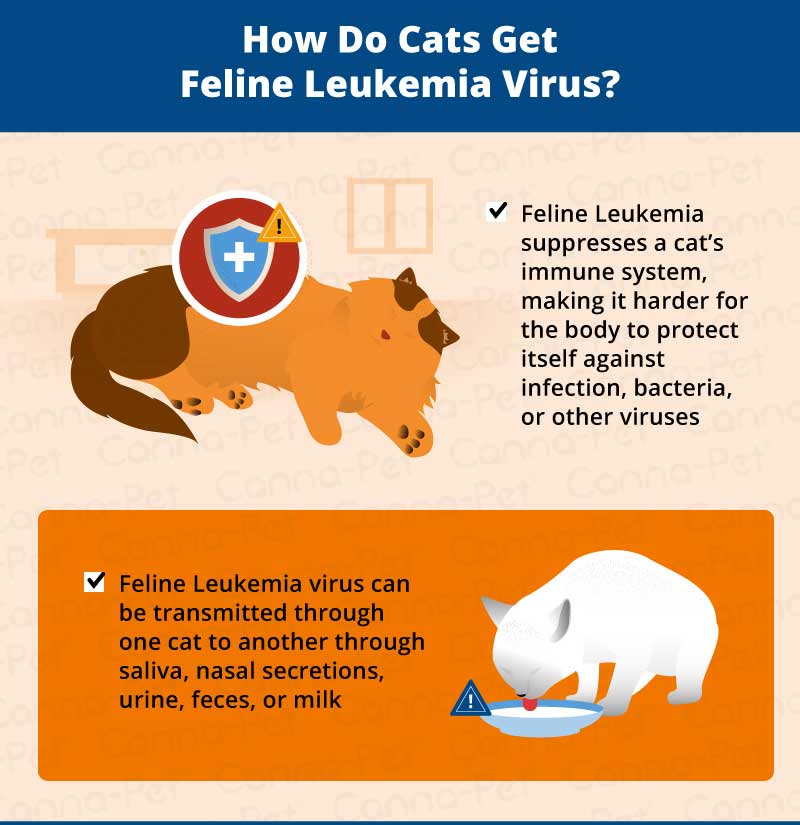
Feline Leukemia Causes and Transmission. FeLV is most often the main cause of leukemia in cats.Weight loss. Lethargy. Monitoring for Secondary Infections. As mentioned earlier, FeLV weakens the cats immune system.
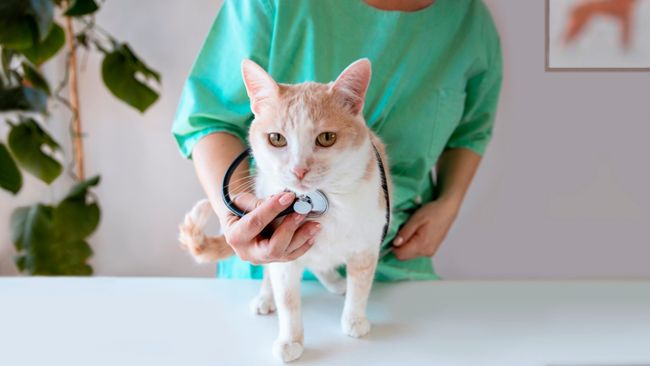
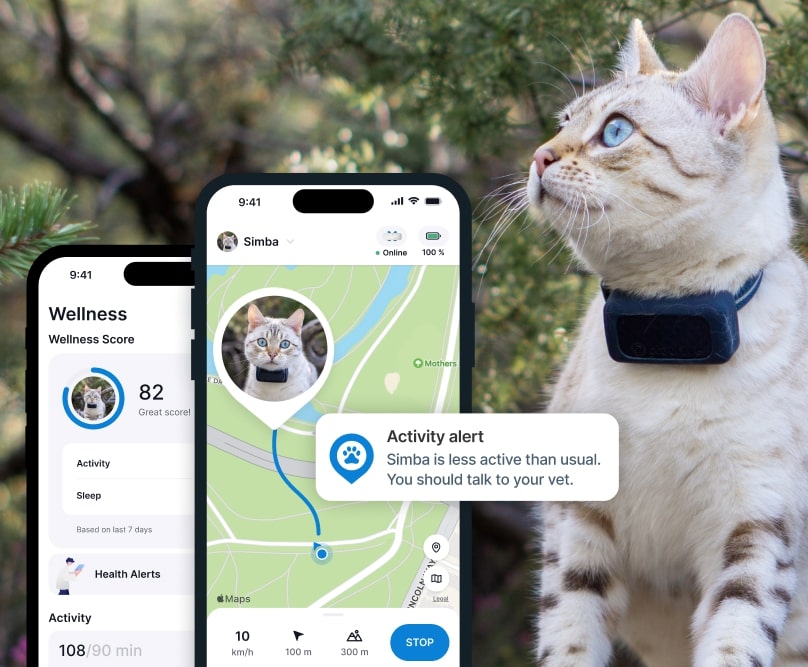
Follow-up Care for Cats with Leukemia.Monitor your pet at home for signs of lethargy, continued weight loss, anorexia, and general weakness. Learn how to check your pets temperature with a rectal thermometer and call the veterinarian if a fever is present.

This particular example perfectly highlights why Leukemia In Cats With Lethargy Monitoring is so captivating.
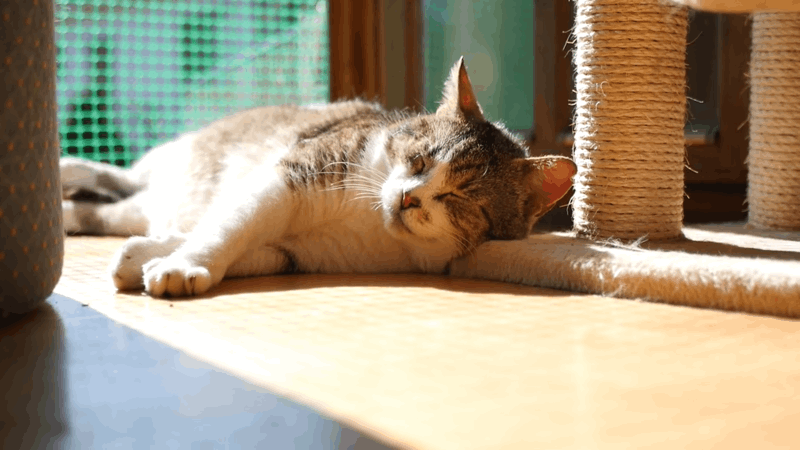
Fever and lethargy: Cats with FeLV may initially show signs of fever and general lethargy. They may seem less active than usual, with a noticeable decrease in energy levels. Loss of appetite: Affected cats often lose interest in food, leading to weight loss and a decline in overall health.