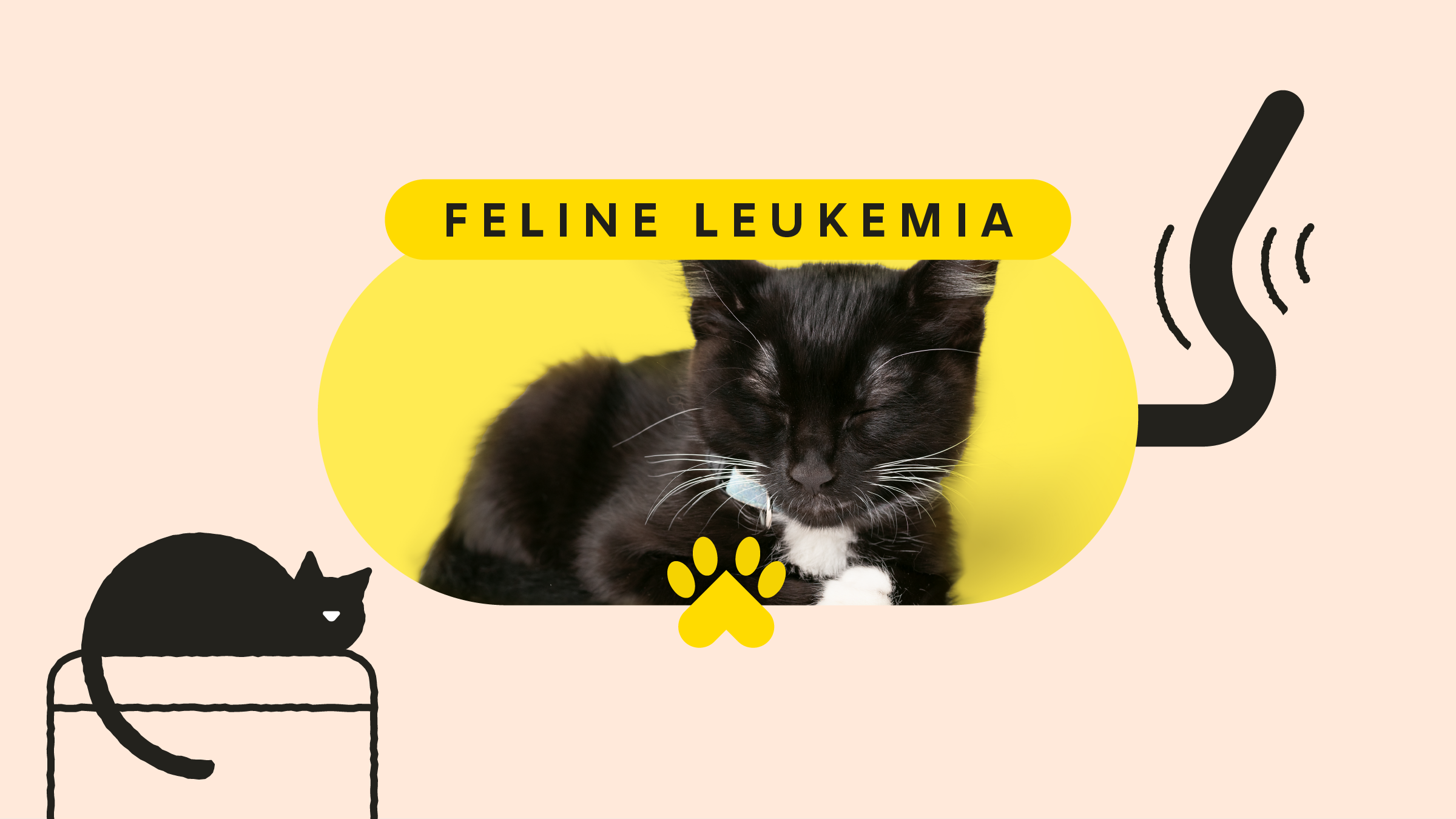
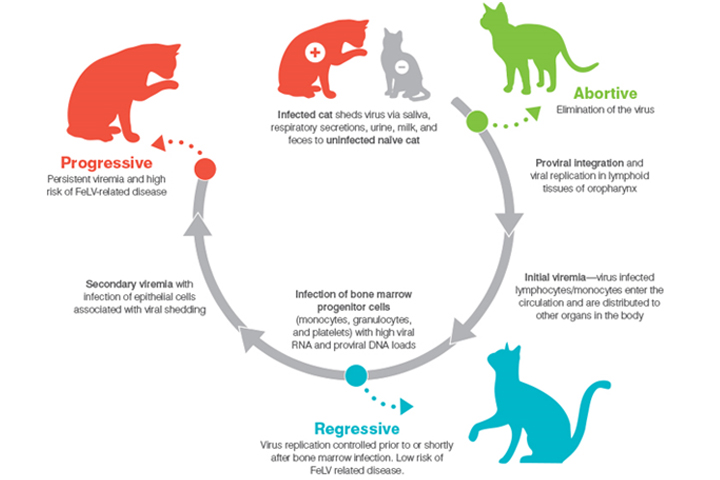
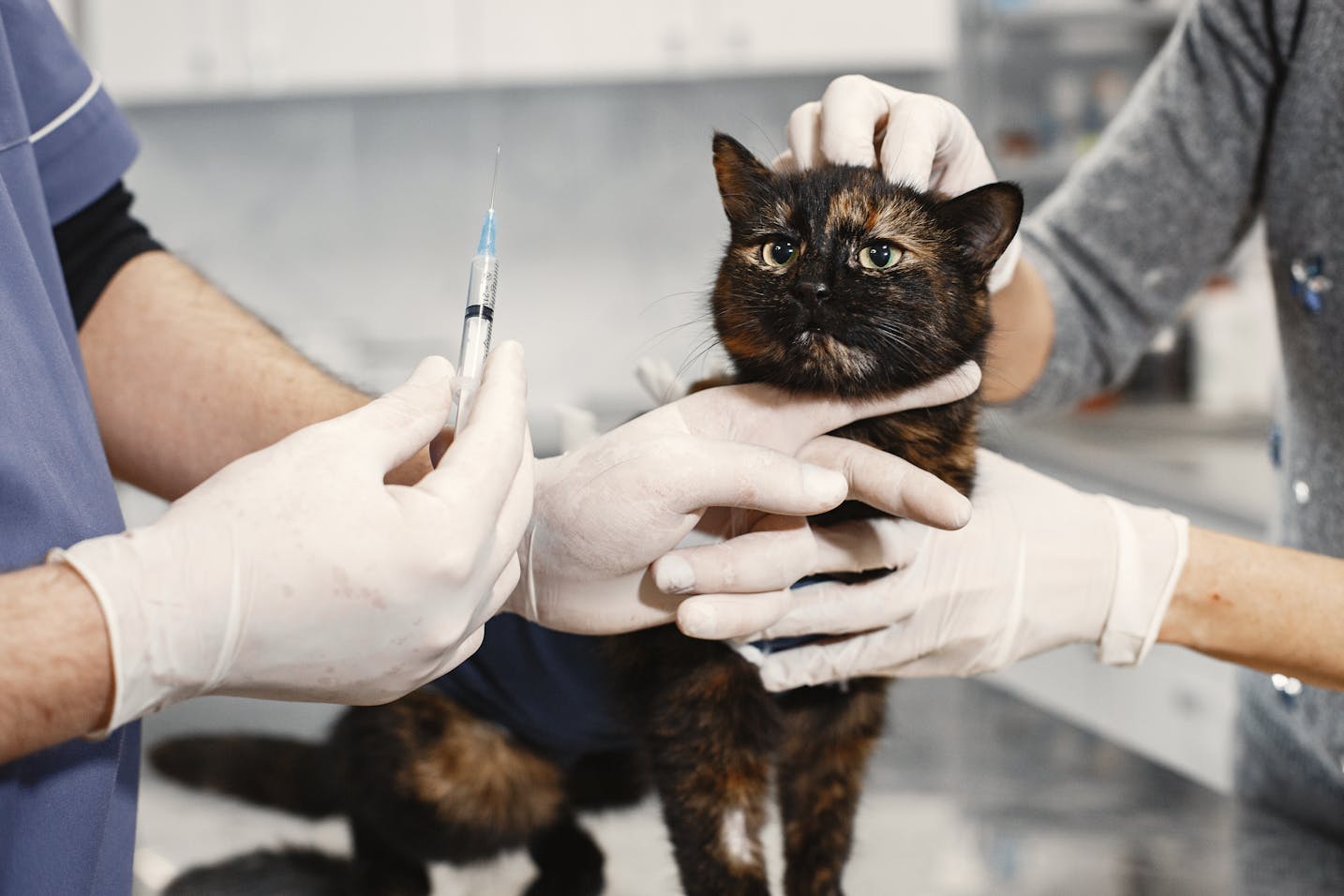
Feline leukemia virus is a retrovirus that infects cats. FeLV can be transmitted from infected cats when the transfer of saliva or nasal secretions is involved.
WebMD explains feline leukemia virus (FeLV), including symptoms, risk factors, treatments, and prevention.Only about 3% of cats in single-cat households have the virus, but for cats that spend time outdoors, the rate is much higher.
This particular example perfectly highlights why Life Expectancy Of Cats With Feline Leukemia And Treatment Survival Rate is so captivating.
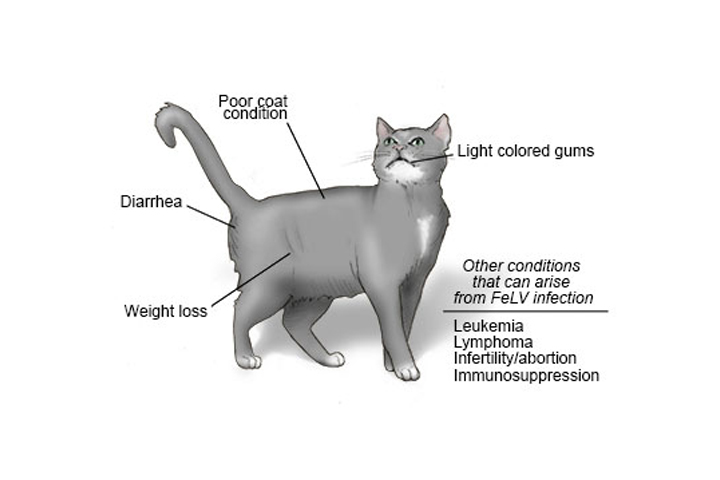
Feline leukemia (or FeLV) is the leading viral killer of cats. It weakens the immune system, increases susceptibility to other diseases, causes blood disorders and is the most common cause of cancer in cats.
The average life span after testing positive for leukemia virus is less than three years. If your cat has feline leukemia and is allowed access to the outdoors, be sure it is under supervision.

Feline leukemia virus (FeLV) is one of the most common and important infectious diseases in cats, affecting between 2-3% of all cats in the United States and Canada. Infection rates are significantly higher (up to 30%) in cats that are ill or otherwise at high risk (see below).
The life expectancy of a cat with leukemia varies depending on several factors, including the severity of the disease and the cat's overall health. With proper care and treatment, some cats with leukemia can live for several months, but the prognosis is generally poor.