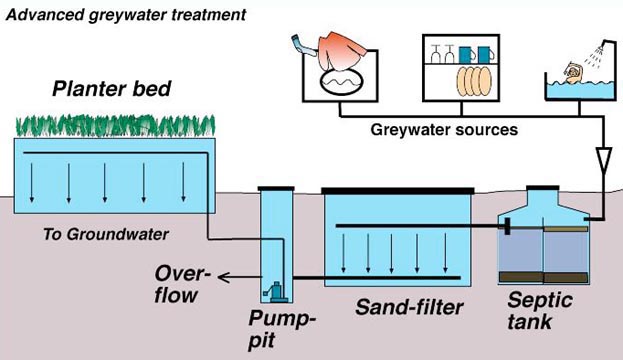
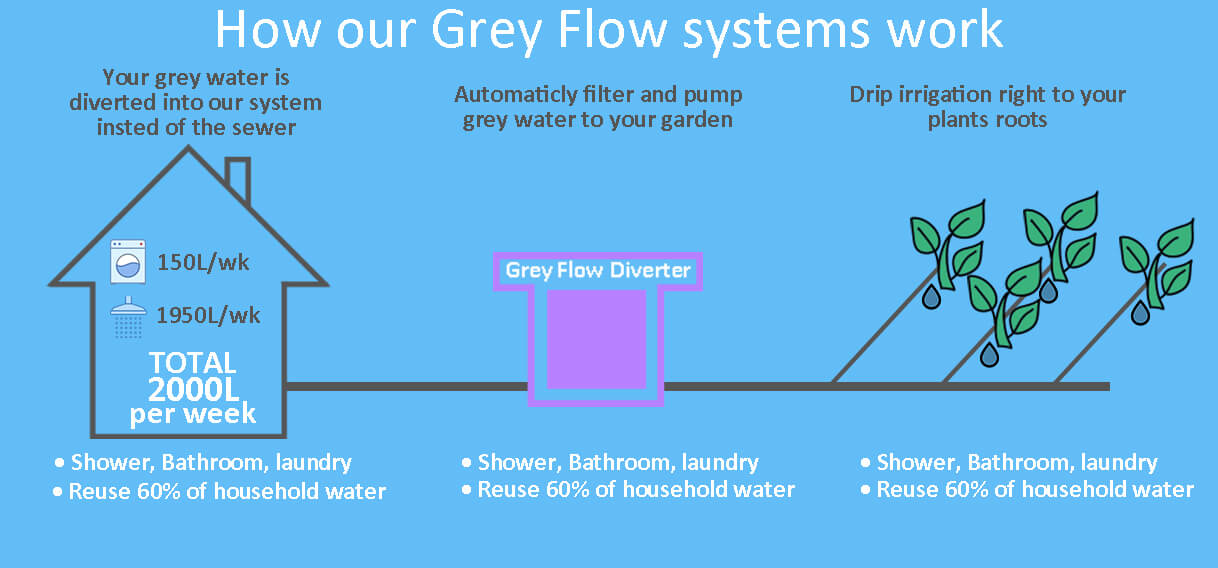
Untreated greywater can have impacts on water quality and public health through high bacterial loads, nutrient discharge, biological oxygen demand and salinity impacts. If left untreated, greywater can turn septic in less than 24 hours.
Addressing the greywater problem requires multifaceted solutions. Here are some steps that can be takenWater conservation: Use water-saving fixtures like sink faucets and low-flow showerheads to cut down on the amount of greywater generated.
... The impact of using both standard and minimal impact grey water (low impact detergents) for the irrigation of lettuce and radish was investigated in terms of soil and plant nutrients and ecology (Reichman and Wightwick, 2013) .
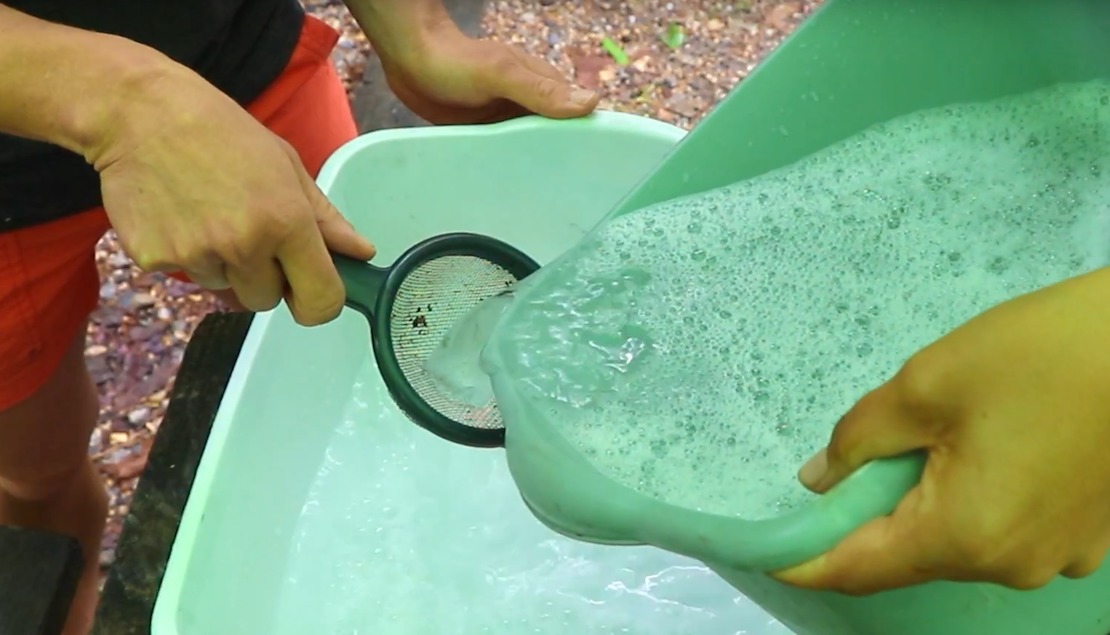
Pollution. Solution. How we can prevent greywater from getting into the lake. Then use a. "Waste stabilization pond".What else can we do to stop greywater from destroying water quality. All of the appliances on. houseboats leak straight into.
During events, you can generally discharge greywater from sinks and dishwashers if its free from harmful chemicals or contaminants. Avoid releasing greywater that contains hazardous substances like paints, solvents, or sewage, as these require special treatment.

Therefore, discharging greywater with high BOD5 and COD concentrations into drain may negatively impact the low dissolved oxygen and pH values, which could disrupt aquatic life [22].