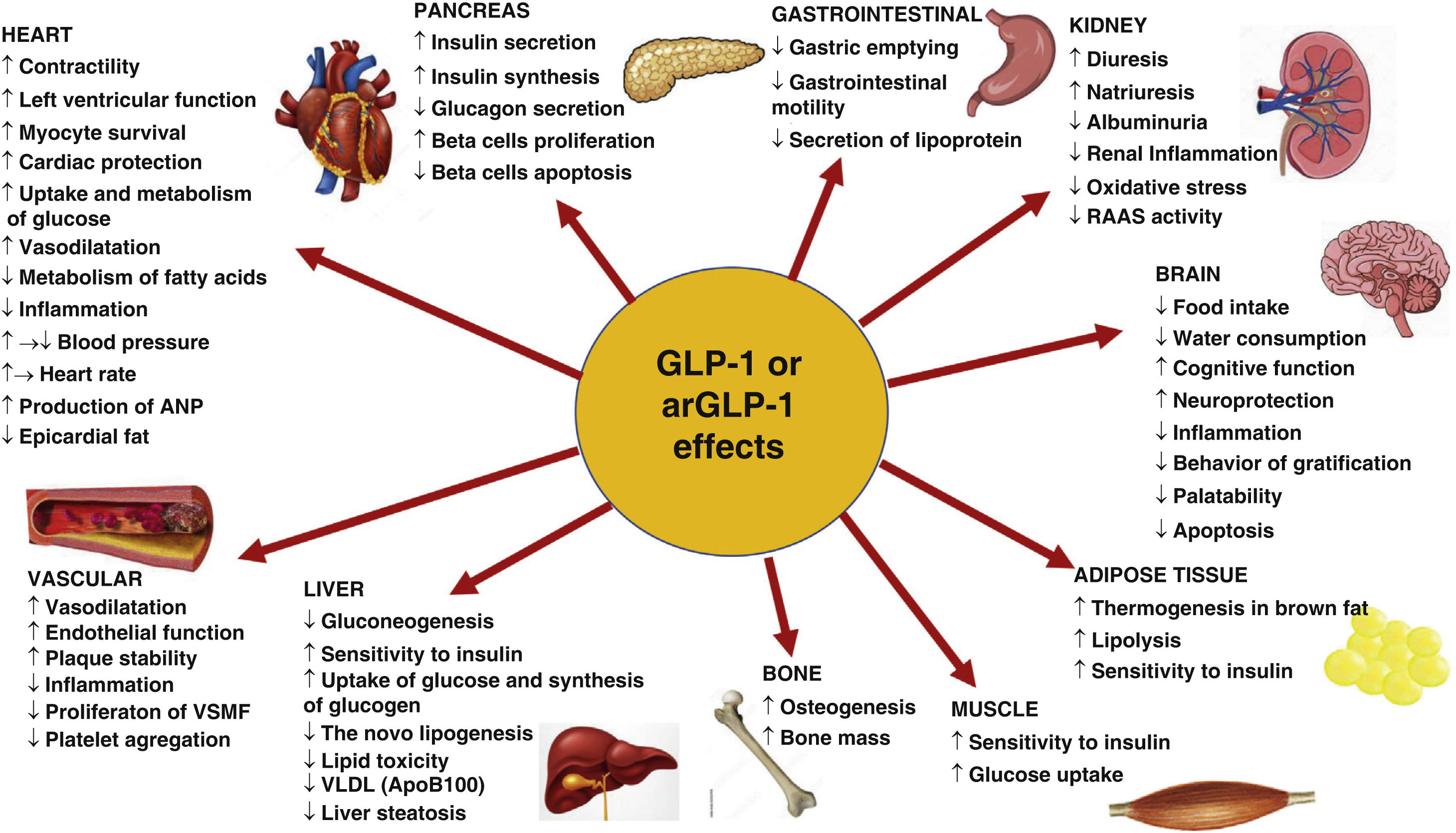
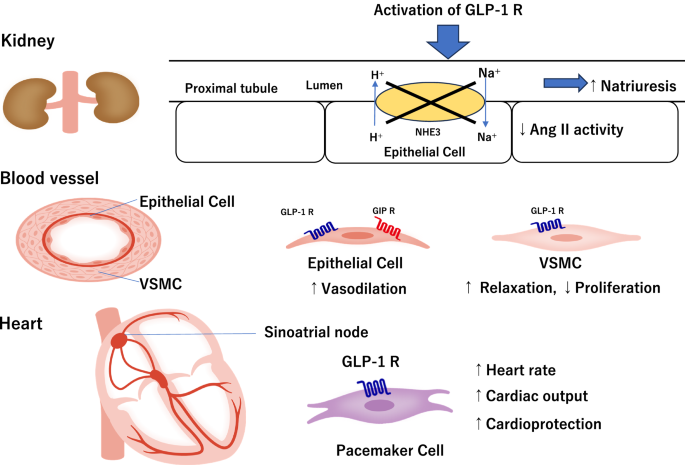
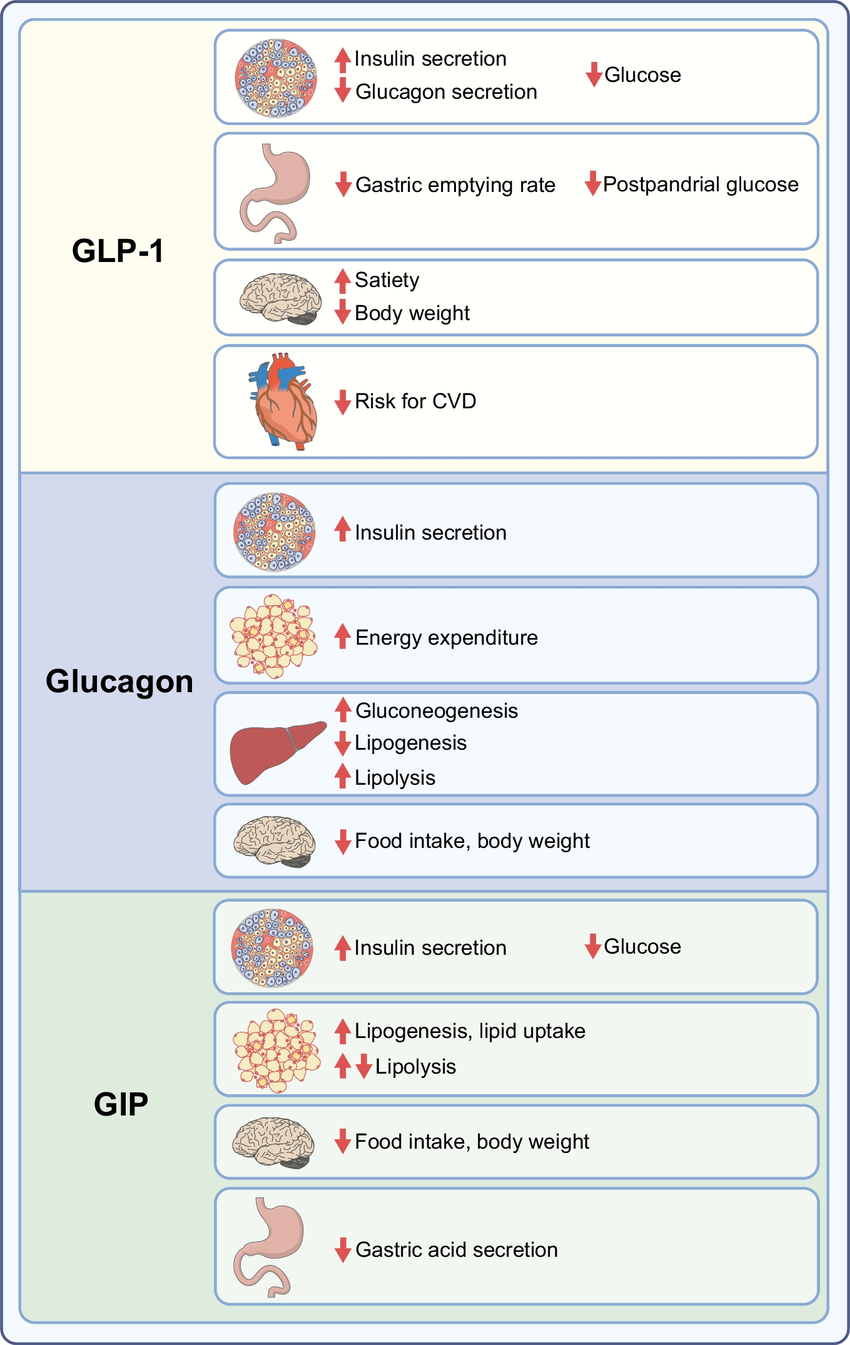
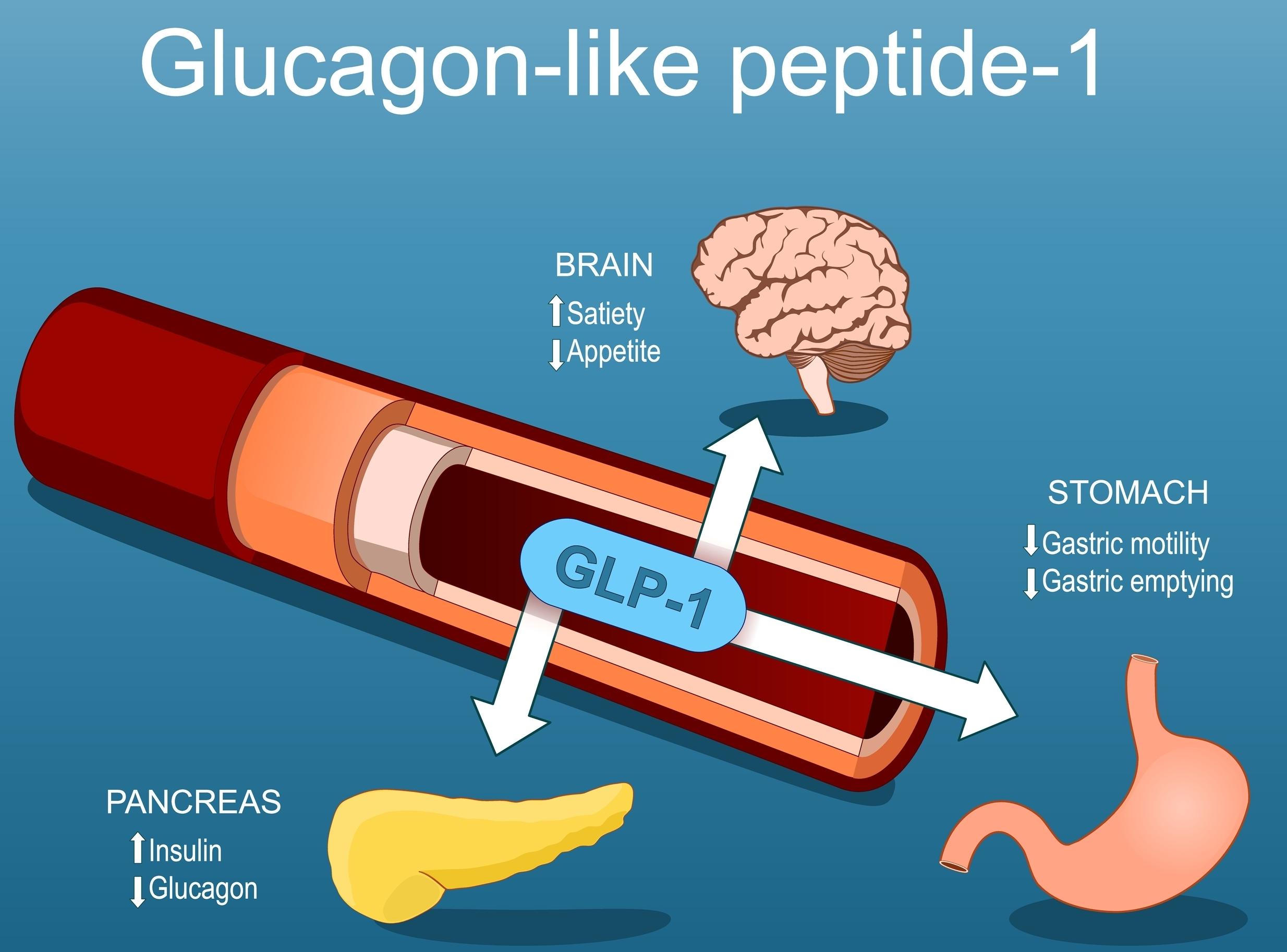
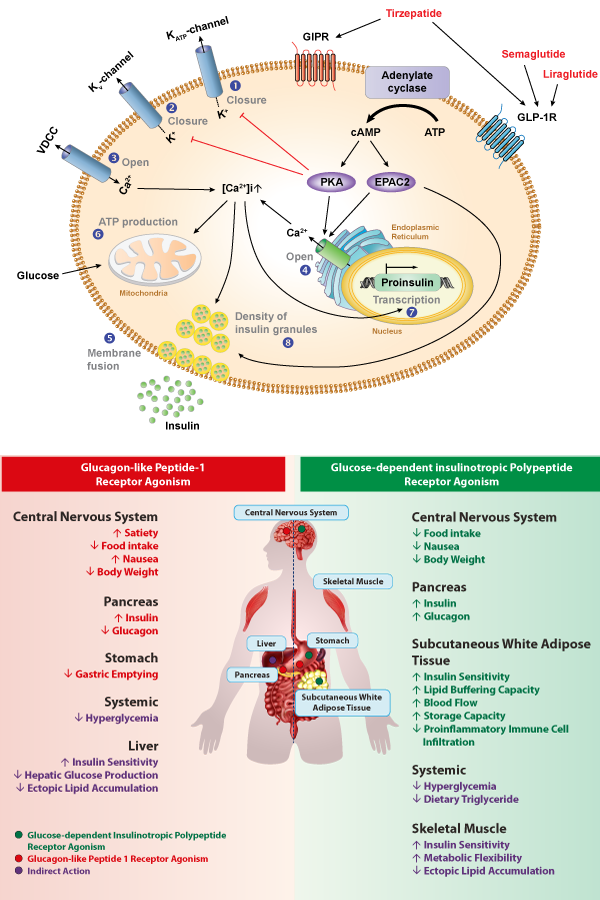
The potential mechanisms through which GLP-1 and GIP/GLP-1 receptor agonists recalibrate and normalize the fat mass and body weight setpoint in patients with obesity may stem from their primary effects on incretin homeostasis.
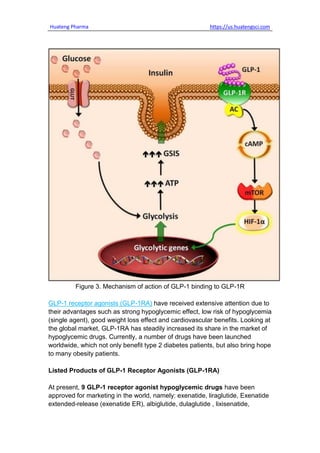
Glucagon-like peptide-1 (GLP-1) receptor agonists work through enhanced glucose-mediated insulin secretion, augmented by double or triple GLP-1 receptor agonists and...
This receptor specifically interacts with GLP-1, a key hormone that plays an integral role in regulating blood glucose levels, lipid metabolism, and several other crucial biological...

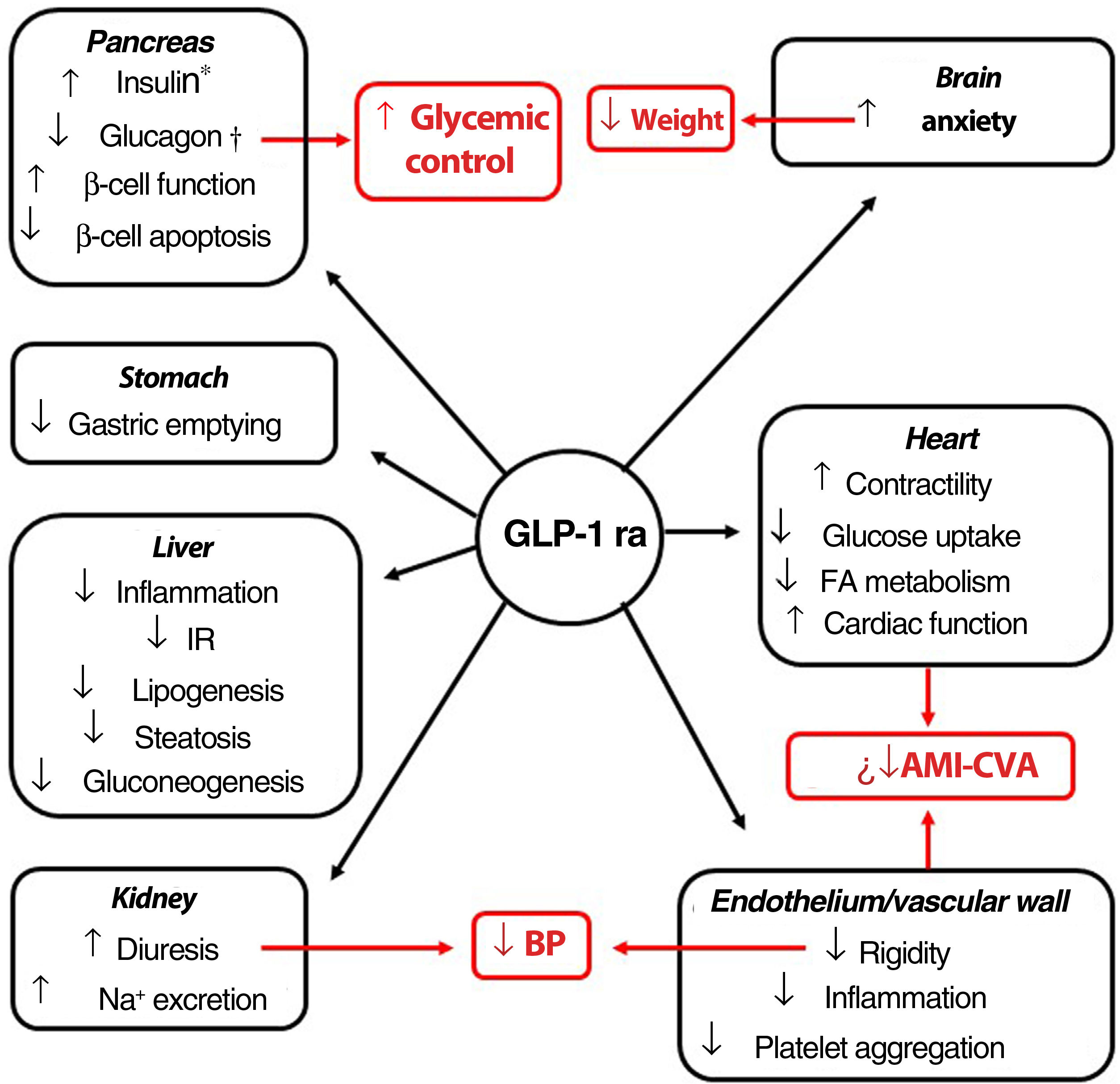
Furthermore, visual representations like the one above help us fully grasp the concept of Mechanism Of Action Of Glp-1 Receptor Agonist In Glycemic Control.
Herein, Drucker provides an updated perspective on the physiological importance, mechanisms, and pathways underlying the efficacy and safety of native GLP-1 and GLP-1R agonists.
This review highlights established and emerging concepts, unanswered questions, and future challenges for development and optimization of GLP-1R agonists in the treatment of metabolic disease.
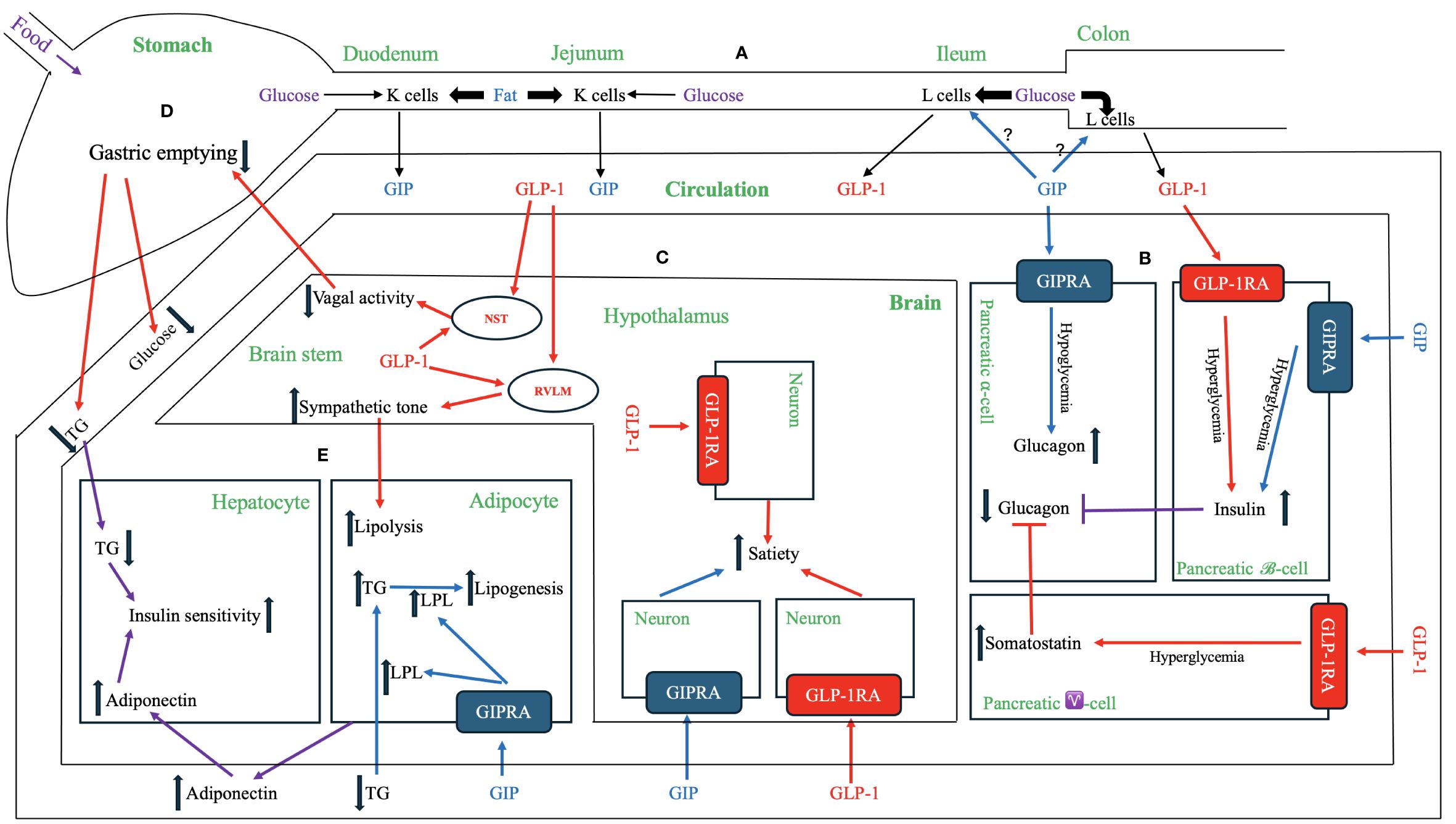
GLP-1 receptor agonists pass the bloodbrain barrier and directly engage with GLP-1 receptors in essential appetite-regulating sites of the hypothalamus and brainstem (Trapp and Brierley 2022).