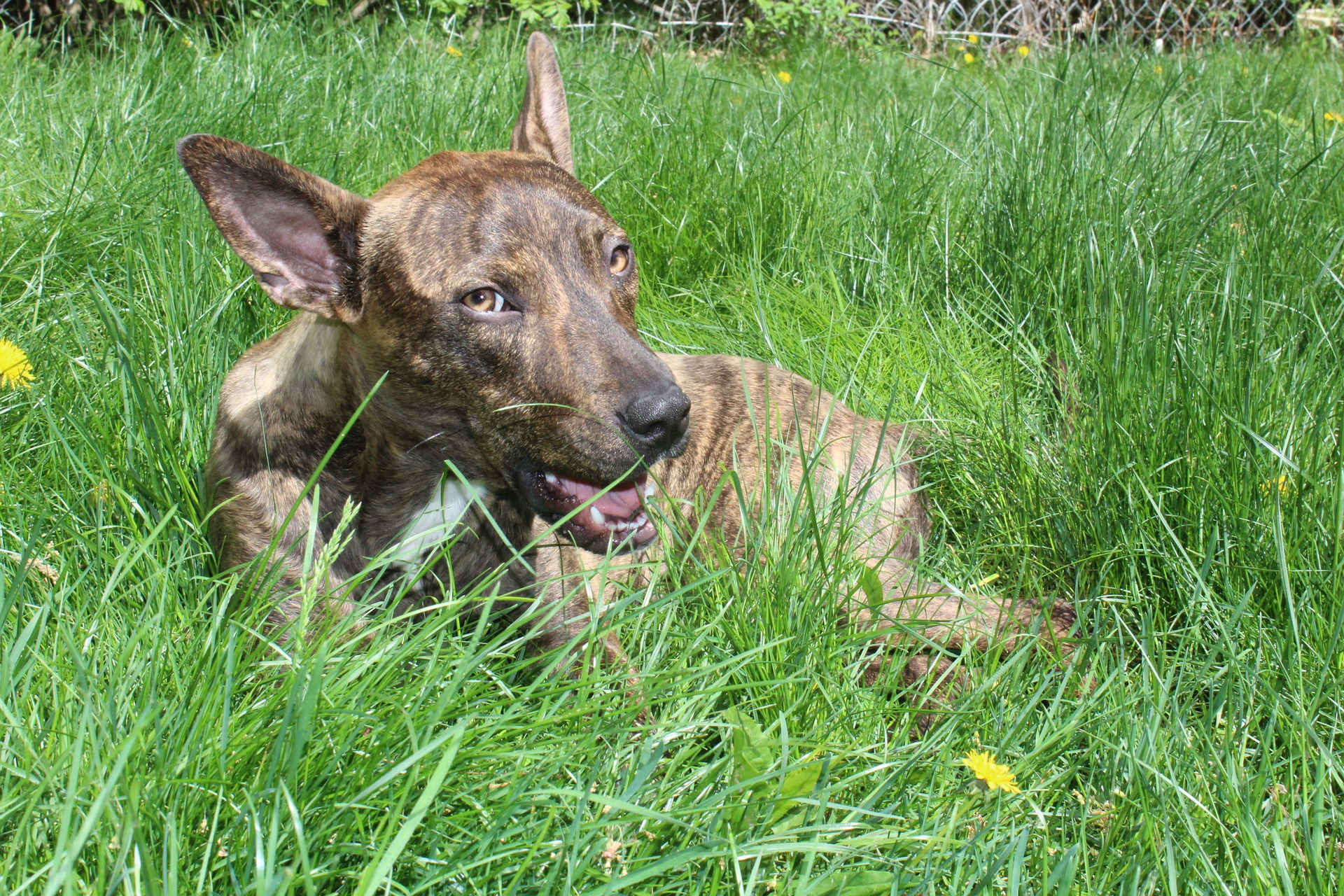
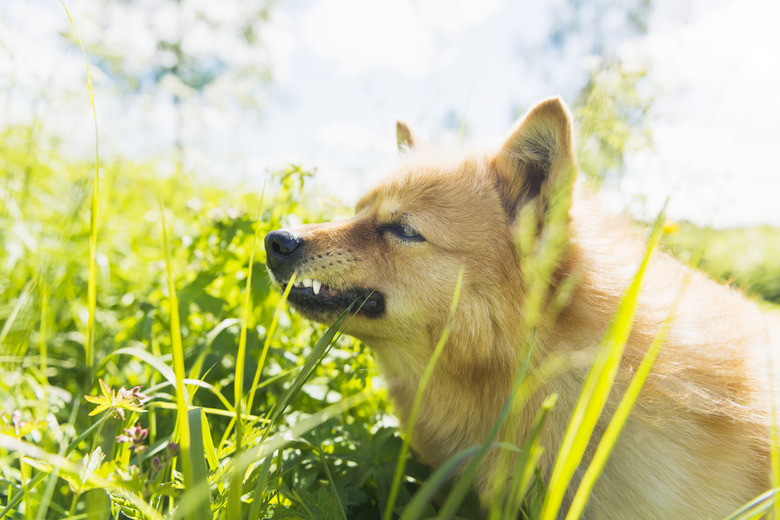
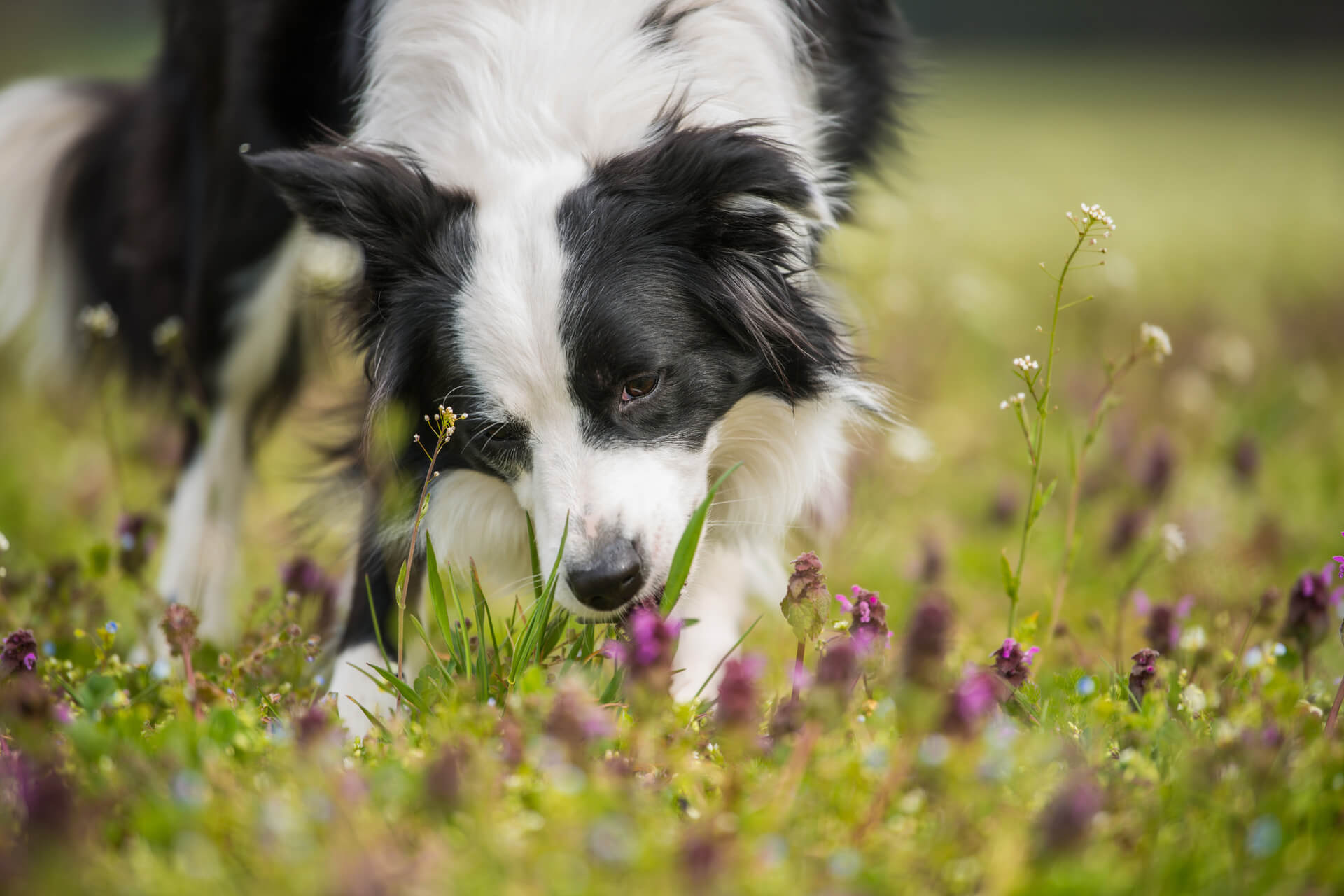
Why do dogs eat grass? Discover if its normal, when it signals health issues, and what to do if your dog eats grass often or shows concerning symptoms.
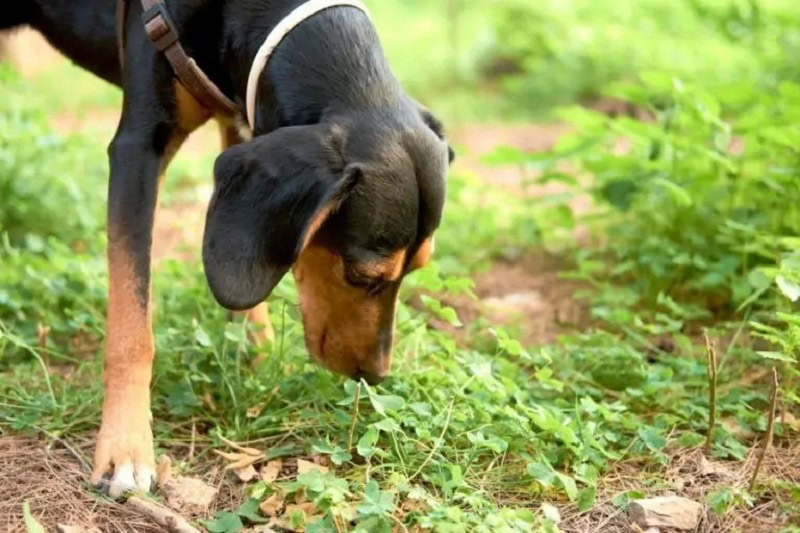
While occasional grass eating is not always a concern, frequent or persistent grass eating can sometimes point to an underlying issue worth addressing. From digestive discomfort to nutritional gaps, here are six common reasons dogs eat grass and what you can do about it.
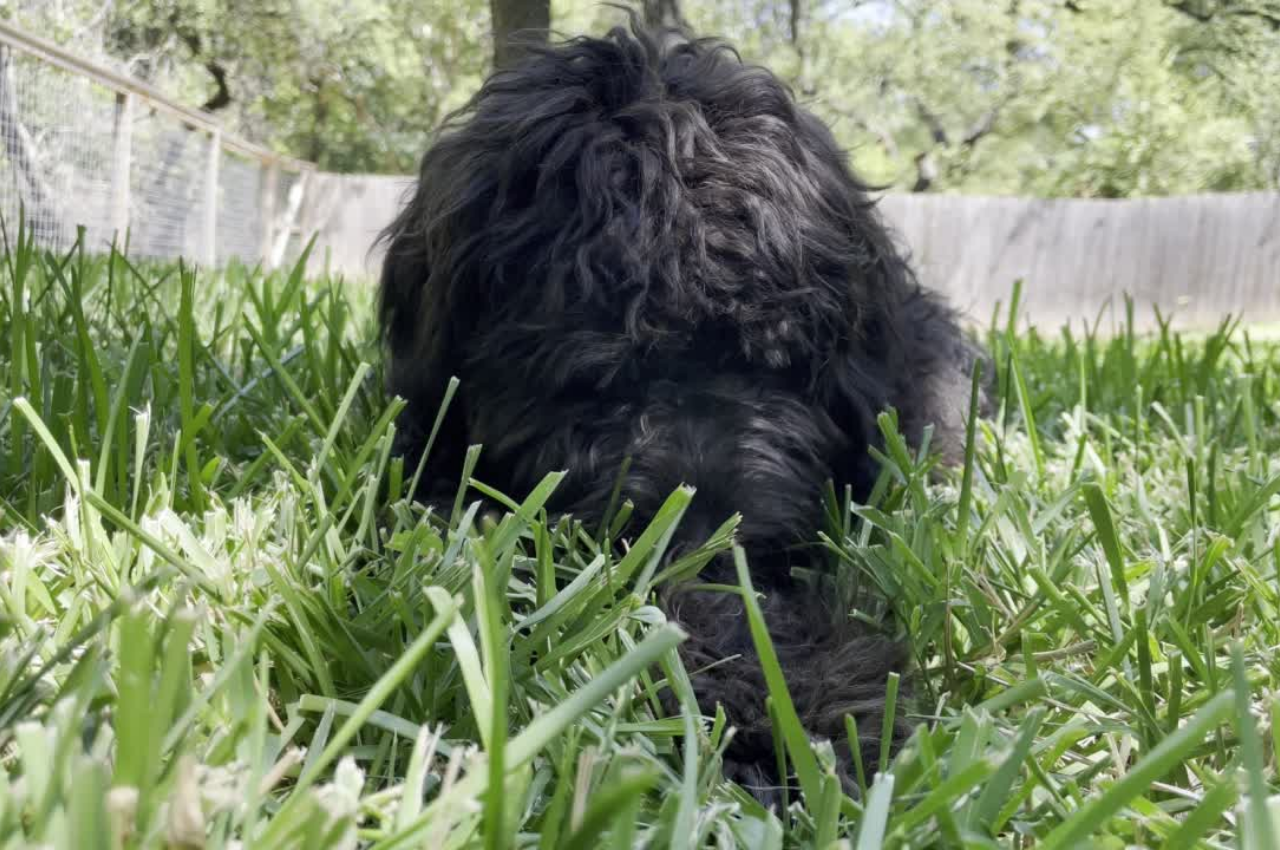
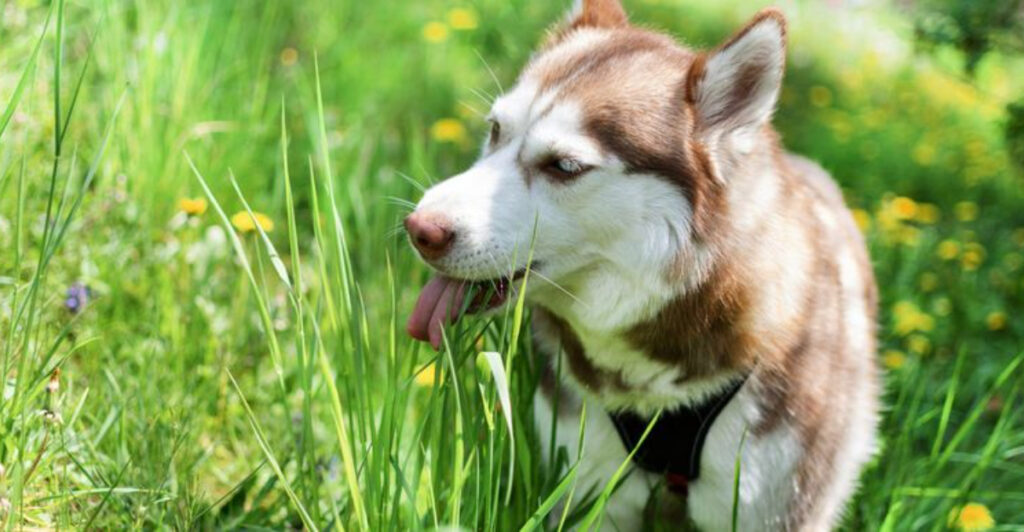
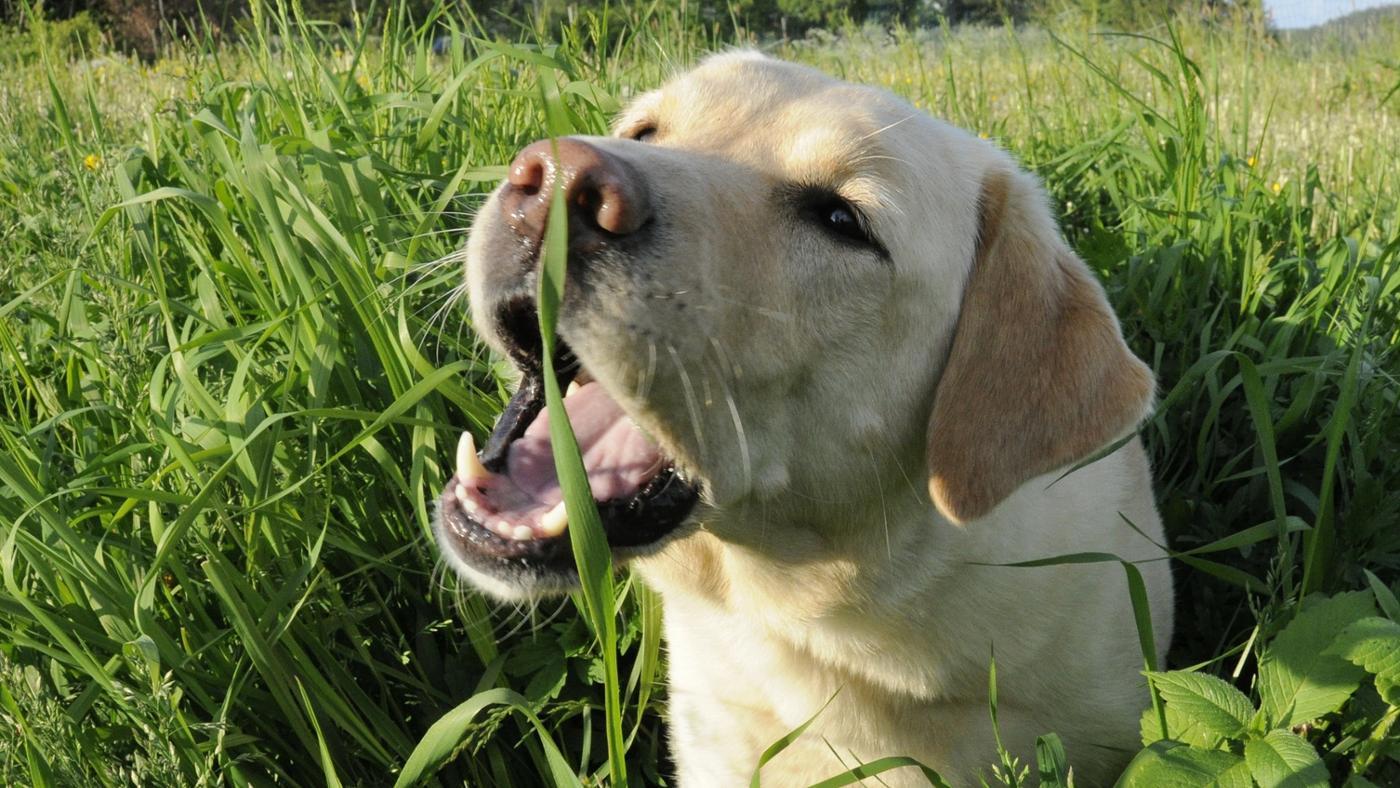
As we can see from the illustration, Morning Gut Health And Grass Eating In Large Breed Dogs has many fascinating aspects to explore.
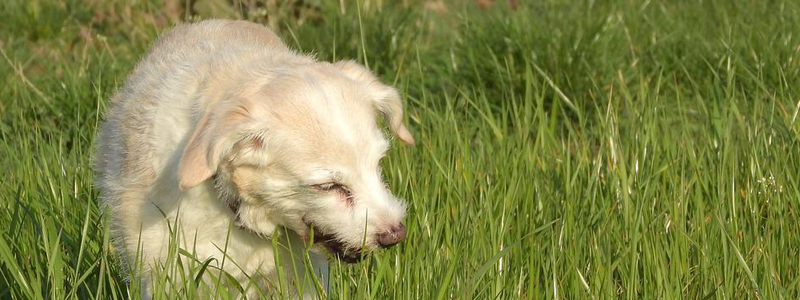
Dogs are often seen eating grass, but why do they do it? Let's explore the different reasons why a dog eats grass as well as important considerations.

Discover why dogs eat grass and see if it helps their digestion. Learn expert tips on when to be concerned, the benefits, and advice from a veterinary clinic in Bristow.

Such details provide a deeper understanding and appreciation for Morning Gut Health And Grass Eating In Large Breed Dogs.
Dogs stomachs often make gurgling sounds while digesting food, which is normal. However, the sounds may also signal digestive issues or even a medical problem. Eating grass is also a sign that the stomach might be upset.
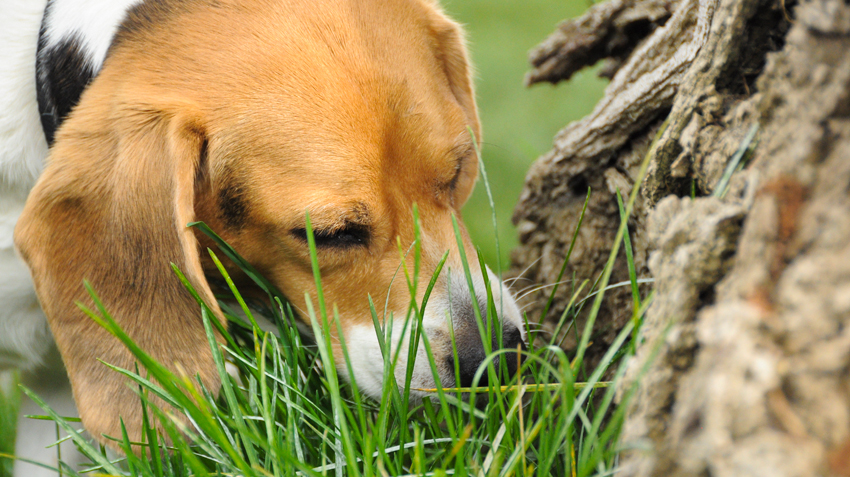
Eating grass in small amounts is normal, and there are many reasons why a dog might decide to eat grass. Here are seven of the most common reasons for you to consider if you see your pooch eating grass.