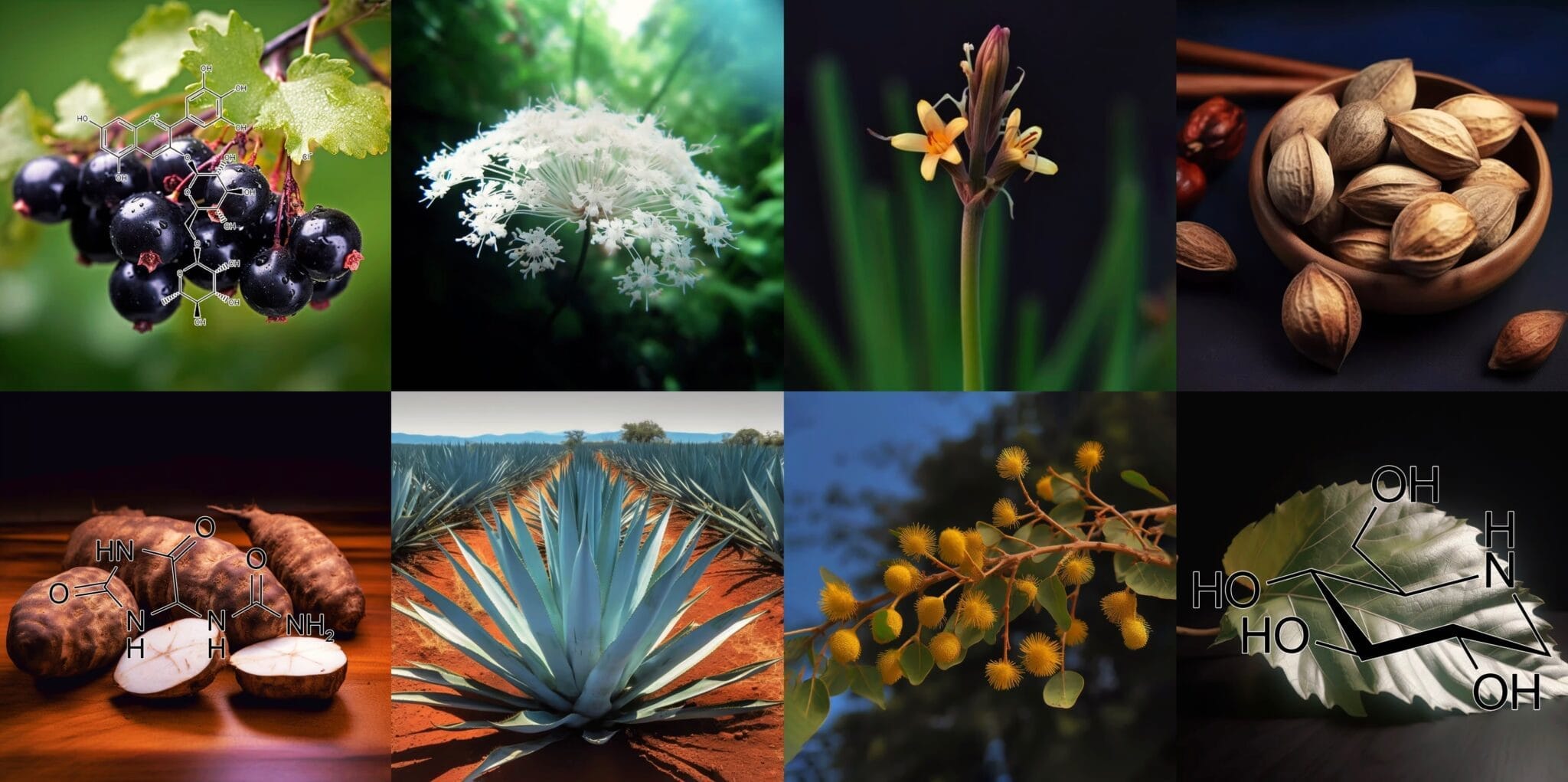
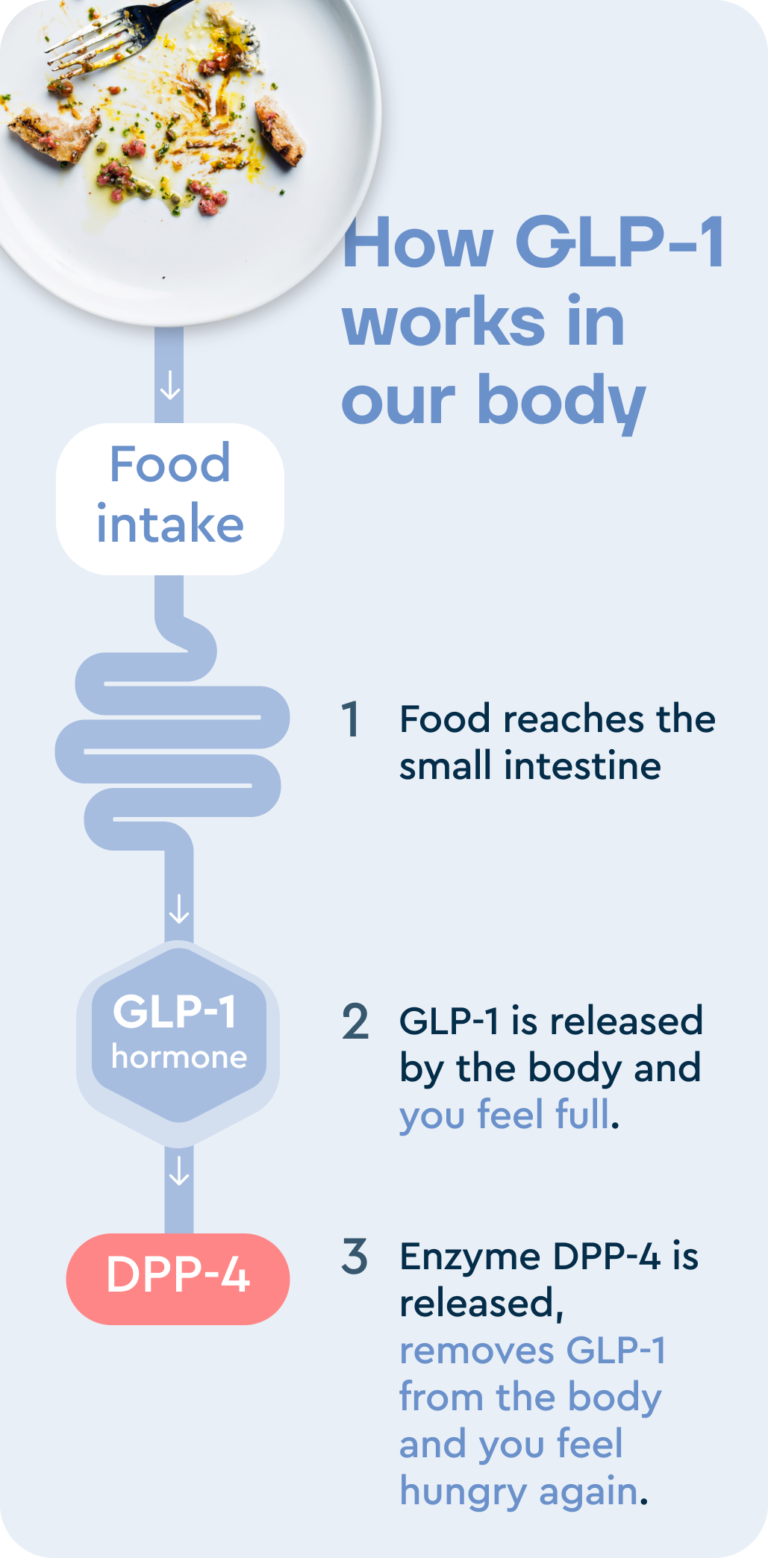
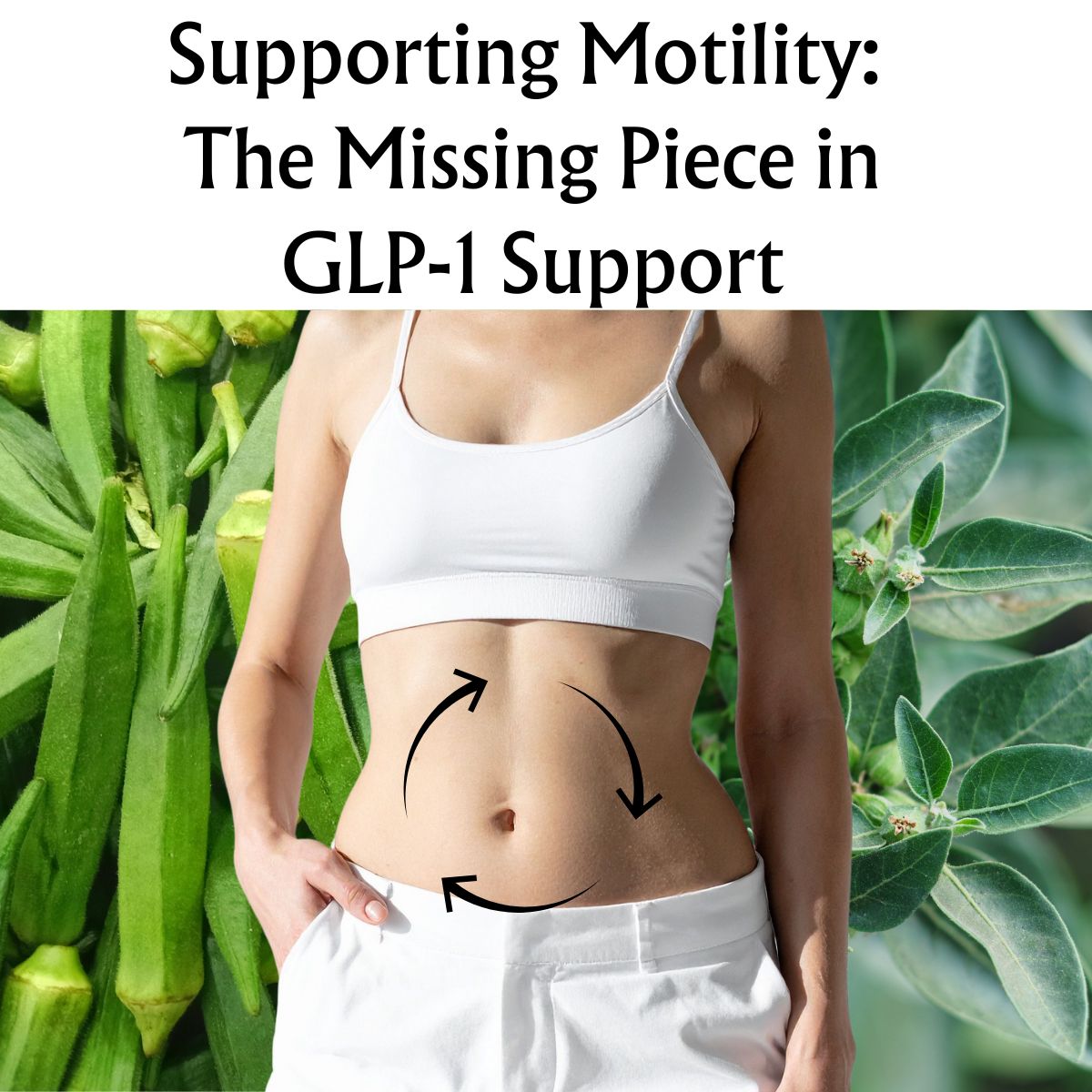
- The hormone has become more well-known as GLP-1 agonist and GLP1-GIP receptor medications, such as semaglutide (Ozempic, Wegovy) and tirzepatide (Mounjaro, Zepbound), have become prescribed more often. ... Lets dig into the ways that what you eat, how you eat and other lifestyle factors can influence the stimulation of GLP-1 in your body. Foods that stimulate GLP-1 naturally: Certain foods can stimulate the release of GLP-1 or help maintain its activity in the body.
- Natural approaches, foods, and supplements can mimic and activate glucagon-like peptide-1 function, also known as GLP-1 agonists. The substances attach to GLP-1 receptors in the body and may provide the benefits of GLP-1 activation on conditions like diabetes, weight management, insulin resistance, ...
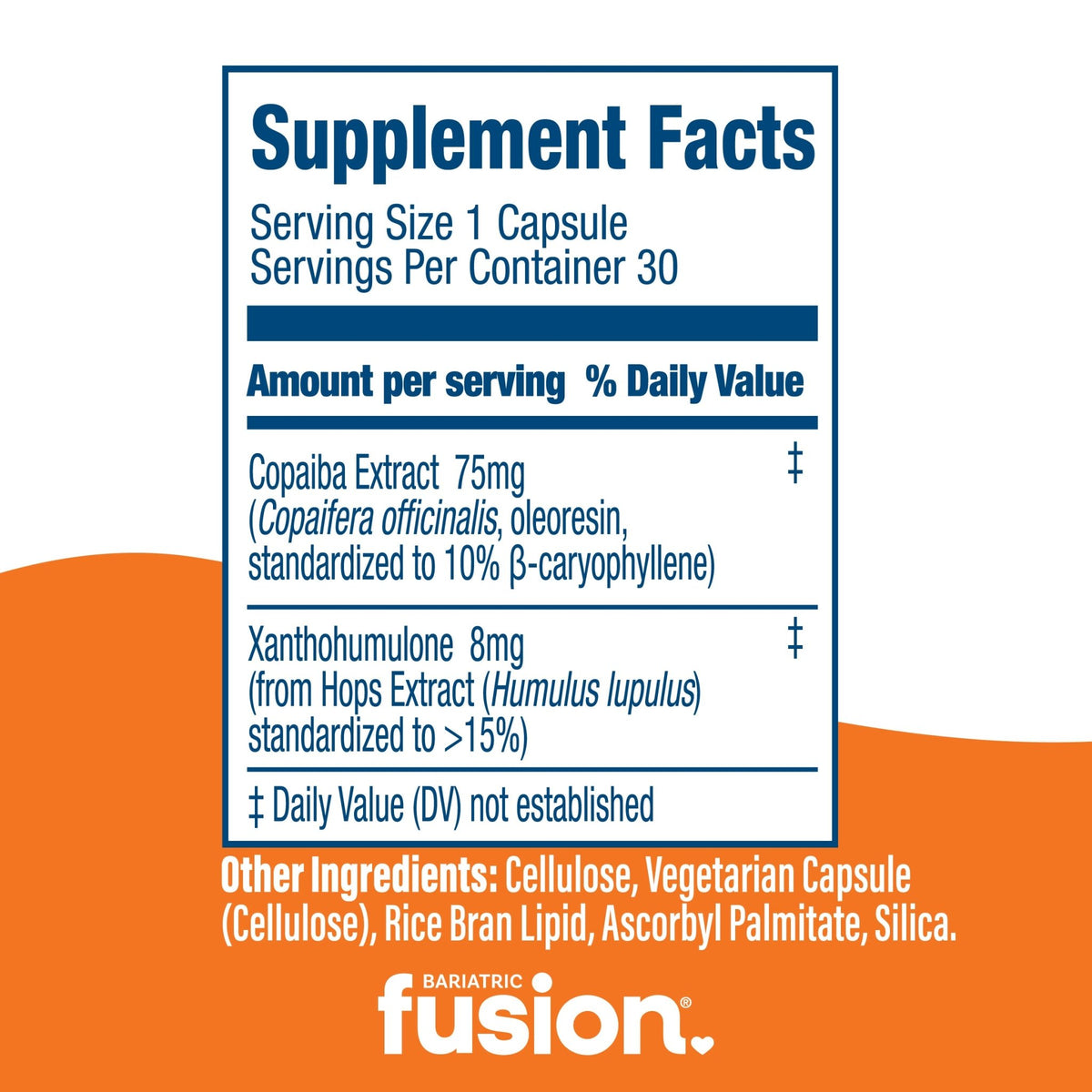
Moving forward, it's essential to keep these visual contexts in mind when discussing Natural Glp-1 Receptor Activators.
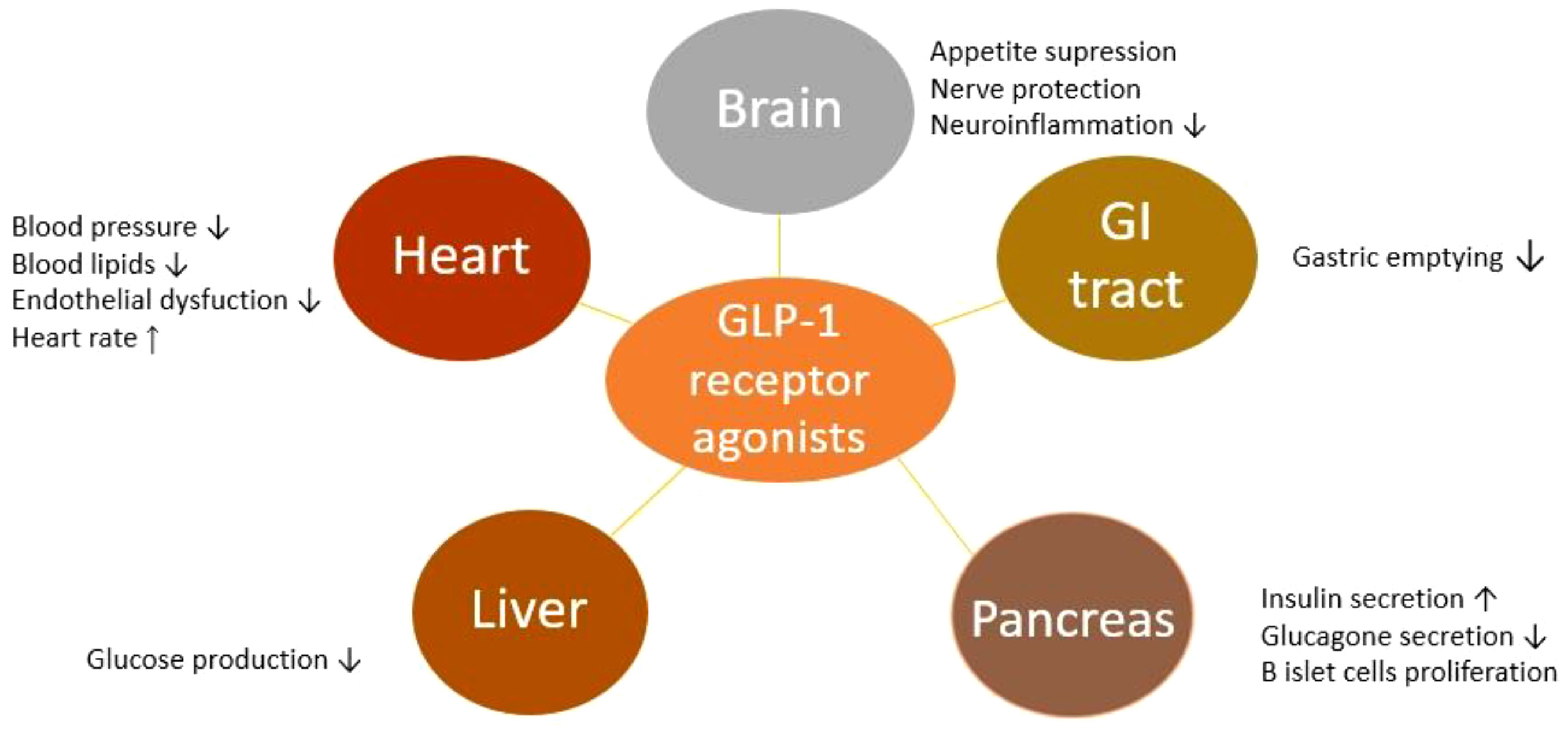
- Triple agonists go even further.148 These drugs act by simultaneously targeting three different agonists GLP-1R, the GIPR, and the GCGR.149,150,151 These receptors each have independent yet complementary roles in the treatment of diabetes and obesity.150,152,153 Activation of the GLP-1R can enhance insulin secretion, reduce glucagon secretion, delay gastric emptying,154 and suppress appetite.155,156 GIPR activation also promotes insulin release, especially after meals, helping to improve glucose utilization.157,158 Activation of the insulin or Insulin-like Growth Factor 1 (IGF-1) receptor can
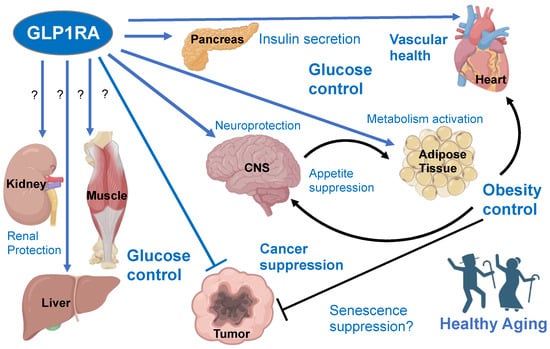
- They reported that at 500 mg/kg body weight in rat, berberine increased insulin secretion, induced glycolysis while also increasing the levels of GLP-1 and glucose transporter-4 (GLUT-4). Additionally, studies reported that geniposide from Gardenia jasminoides fruit in INS-1 cells, which secrete insulin, improves glucose-stimulated insulin secretion via the activation of the glucagon-like peptide 1 receptor (GLP-1R) and prevents oxidative stress-induced neuron death [103,127]. In vitro, GLP-1 binding to its receptor was enhanced by tarralin, another phytochemical found in Artemisia dracunculus leaves, when given to KK-A (gamma) mice at a dose of 500 mg/kg [105].