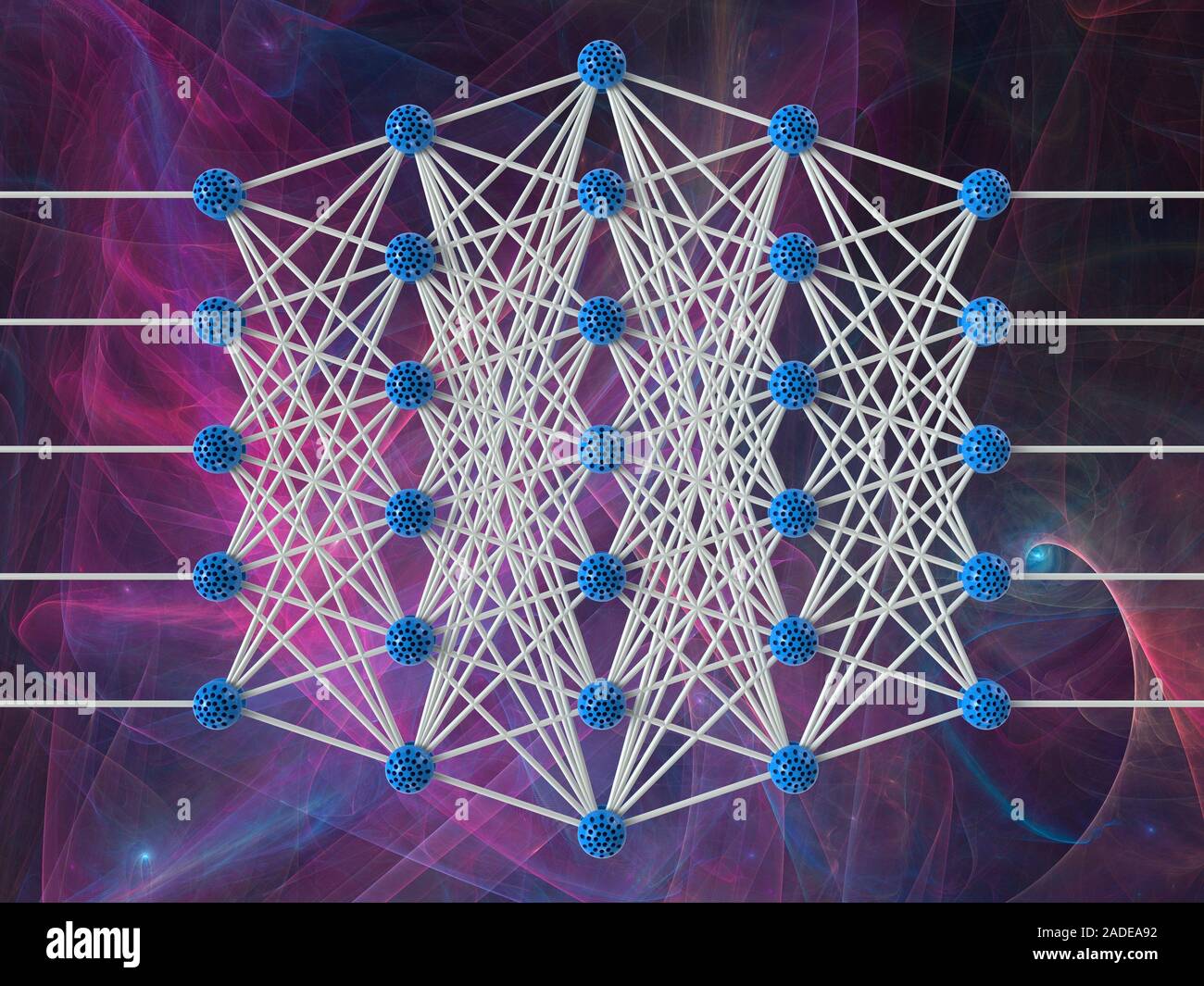
Artificial neural networks (ANNs), or connectionist systems, are computing systems vaguely inspired by the biological neural networks that constitute animal brains. Such systems "learn" to perform tasks by considering examples, generally without being programmed with any task-specific rules.
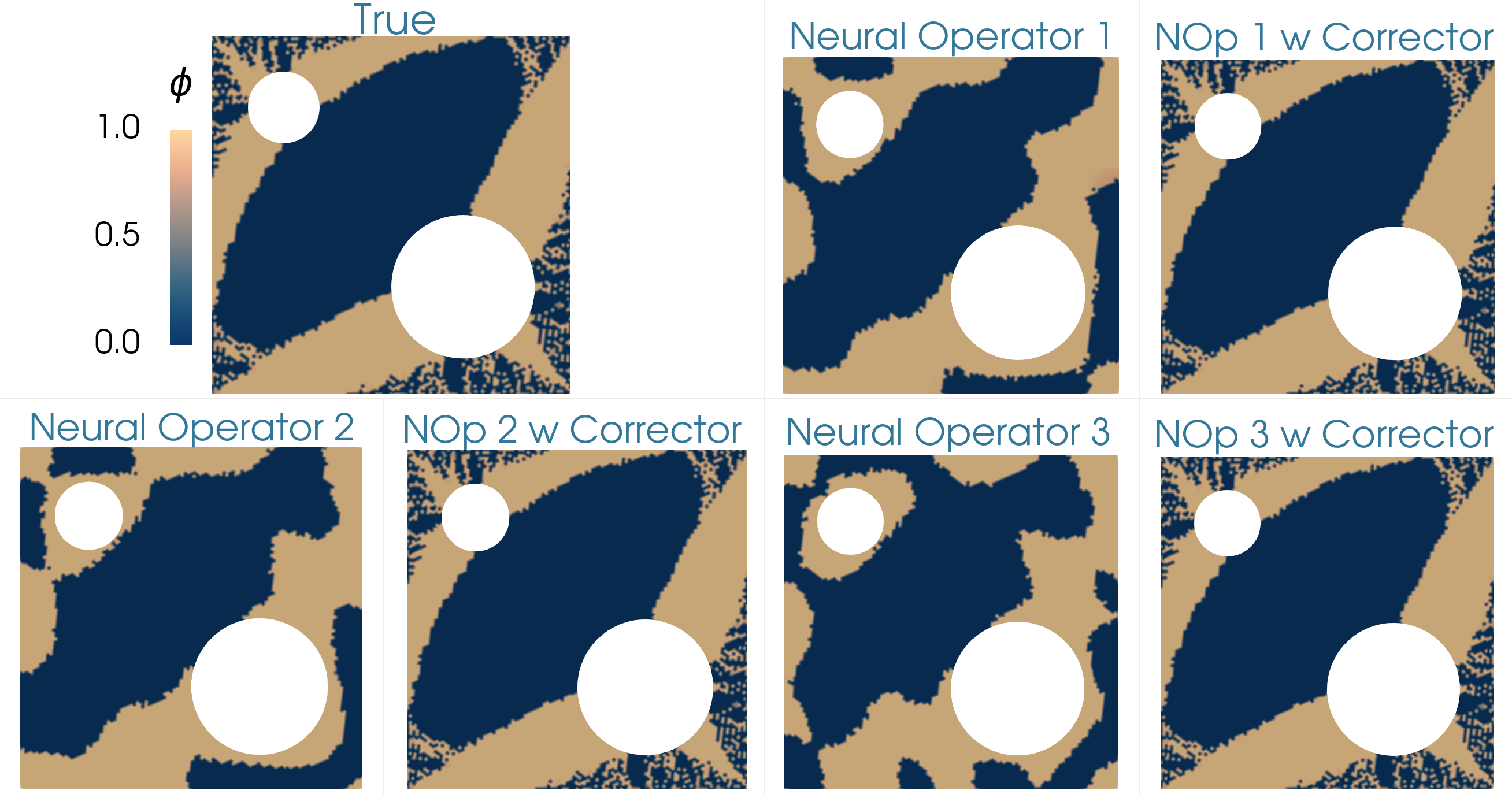
This is the first textbook focusing on practicality of machine learning (ML) and deep neural networks (DNN), by introducing methods that enable engineering applications of ML and DNN models.
The course presents the mathematical fundamentals of computing with neural networks and a survey of engineering applications. Computational metaphors from biological neurons serve as the basis for artificial neural networks modeling complex, non-linear and ill-posed problems.

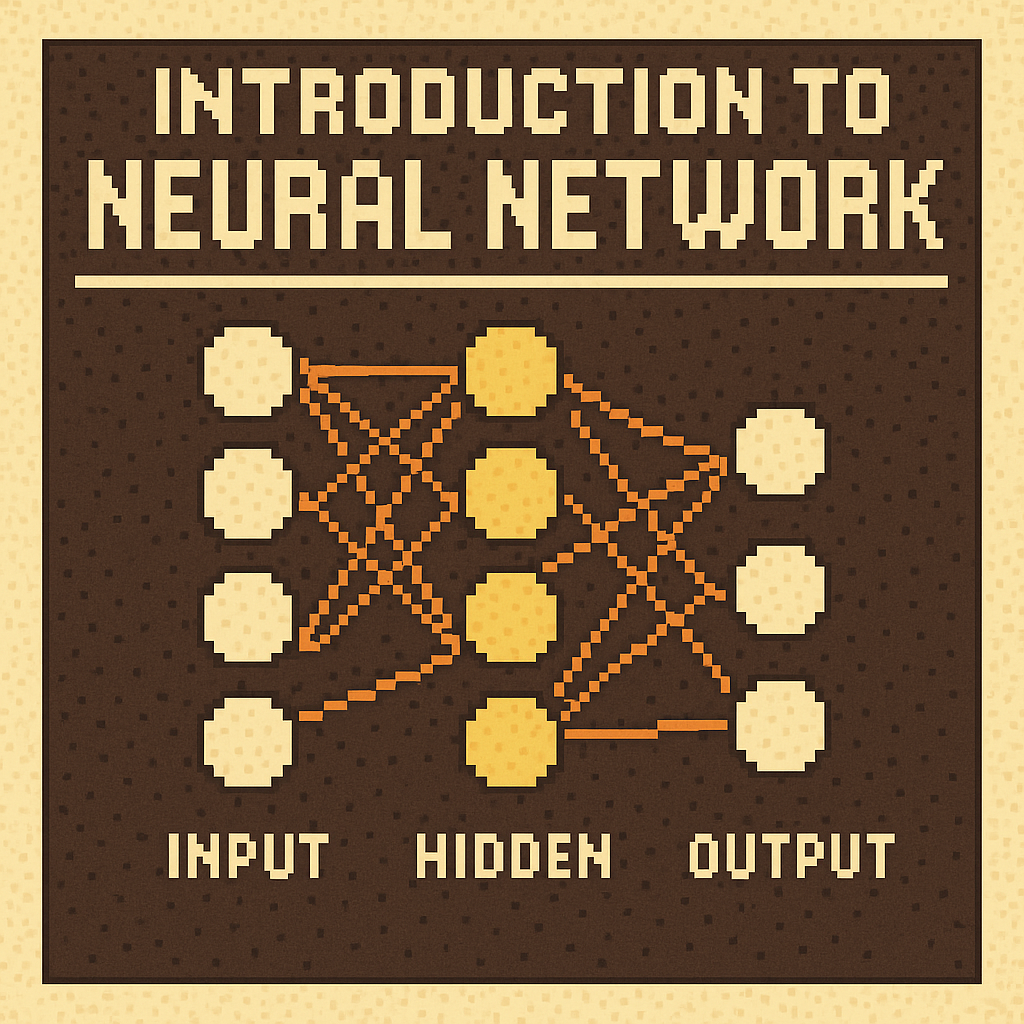
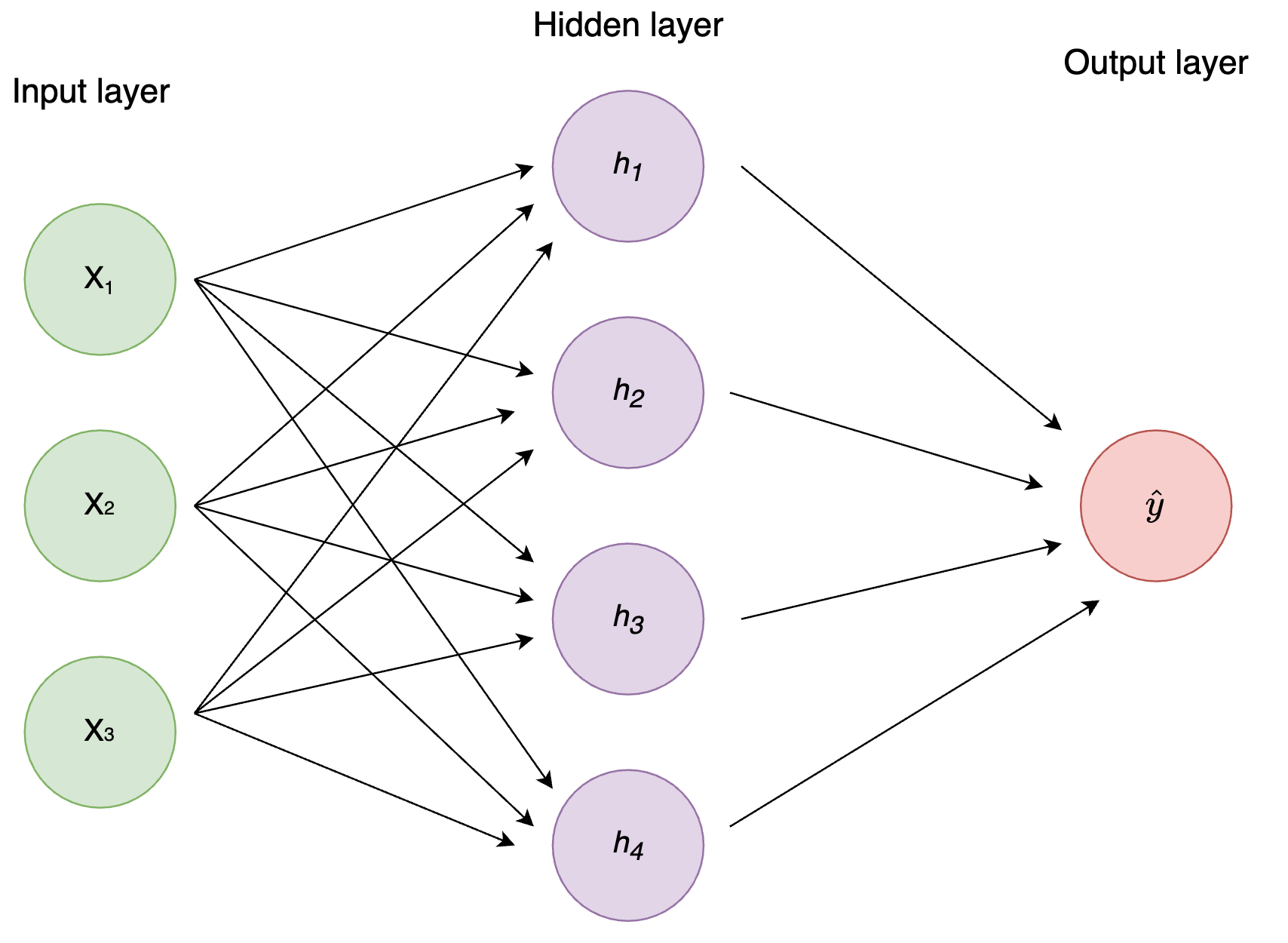
Furthermore, visual representations like the one above help us fully grasp the concept of Neural Networks In Computer Science Engineering.
Artificial Neural Networks (ANNs) are computational models inspired by the structure and functioning of the human brain. Built with interconnected nodes (neurons) across multiple layers (input, hidden, output), ANNs learn from data by adjusting weighted connections through experience-based training.
Neural network for traveling example NeuralNetworks/neural-net-holiday-aispace.png.Each propagation involves the following: Forward propagation of a training patterns input through the neural network, in order to generate the propagations output activations.
Artificial neural networks mimic biological neuron connections as weights between nodes. Neural Networks in AI can discover hidden patterns and correlations in raw data using algorithms, cluster and categorize them, and learn to improve over time.