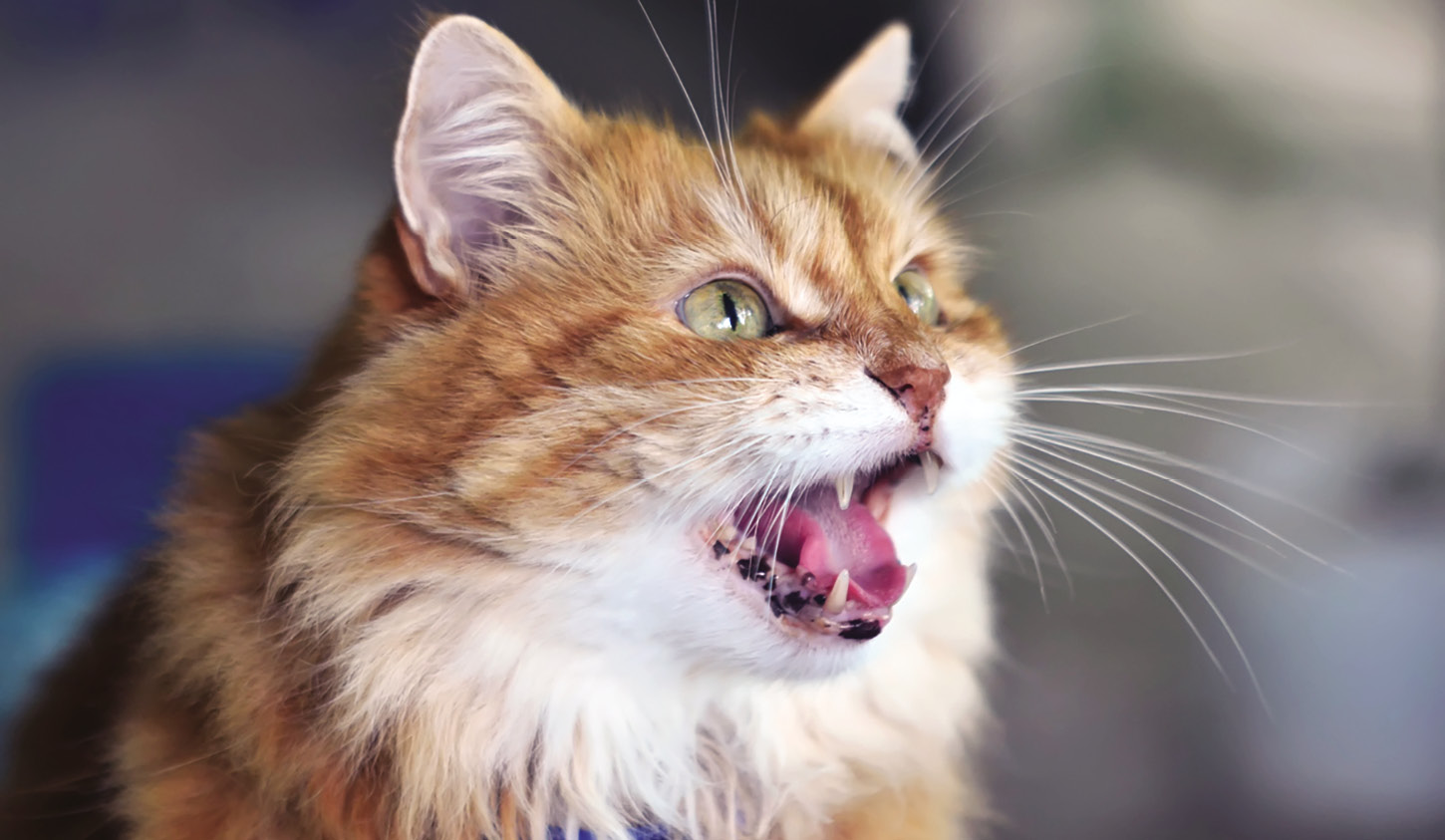
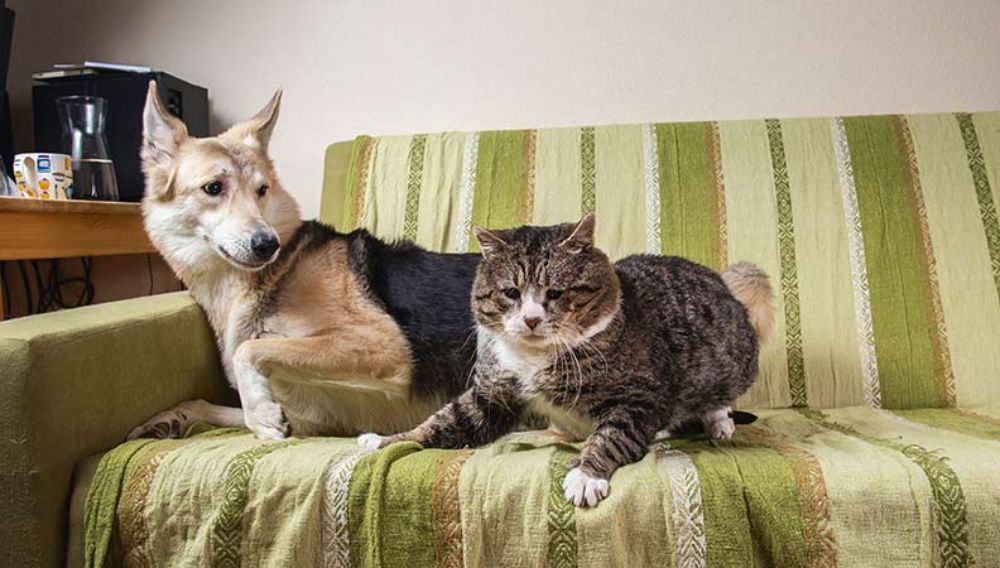
Older cats may vocalize excessively for a number of reasons, including disorientation, loss of hearing and pain due to one or more medical conditions. (Please see our article, Meowing and Yowling, for more information about excessive vocalizing and how to resolve it.)
Learn about behavior changes in old cats. As cats get older, they often have behavioral issues such as biting, anxiety, sleeplessness at night, confusion, and more.
Learn how to identify, treat, and manage noise phobia in your cat with practical tips on environmental enrichment, desensitization, and support strategies for a happier, healthier feline companion.
Noise Phobia in Cats: Best 7 Expert Tips! Discover causes, symptoms, and solutions to help your cat cope with noise-related anxiety effectively.
You can try to control the cats stress by altering its environment, or you can use behavior modification strategies to change its response to the storm. Alternatively, you can seek out anti-anxiety medication from a veterinarian.
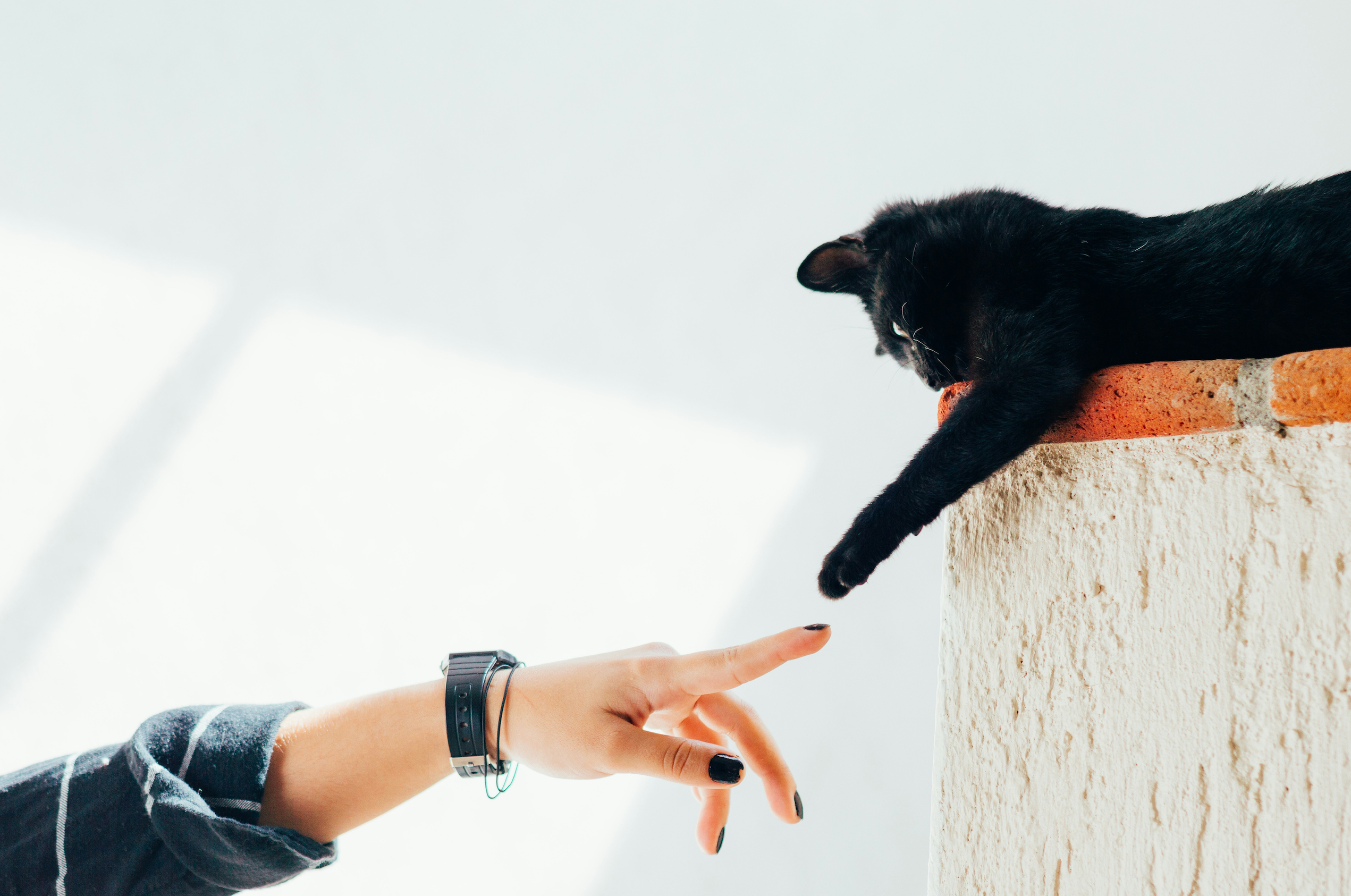
Hearing loss is the top cause for a senior cat to no longer responding to their name or reacting to loud or unusual noises. They might not be able to hear their name or those noises like they used to.