Wild corn snakes, facing natural challenges in obtaining food, rarely become overweight. Captive environments, with readily available and often overly generous feeding schedules, can lead to obesity. A healthy corn snake possesses a well-defined, yet not bony, body shape.
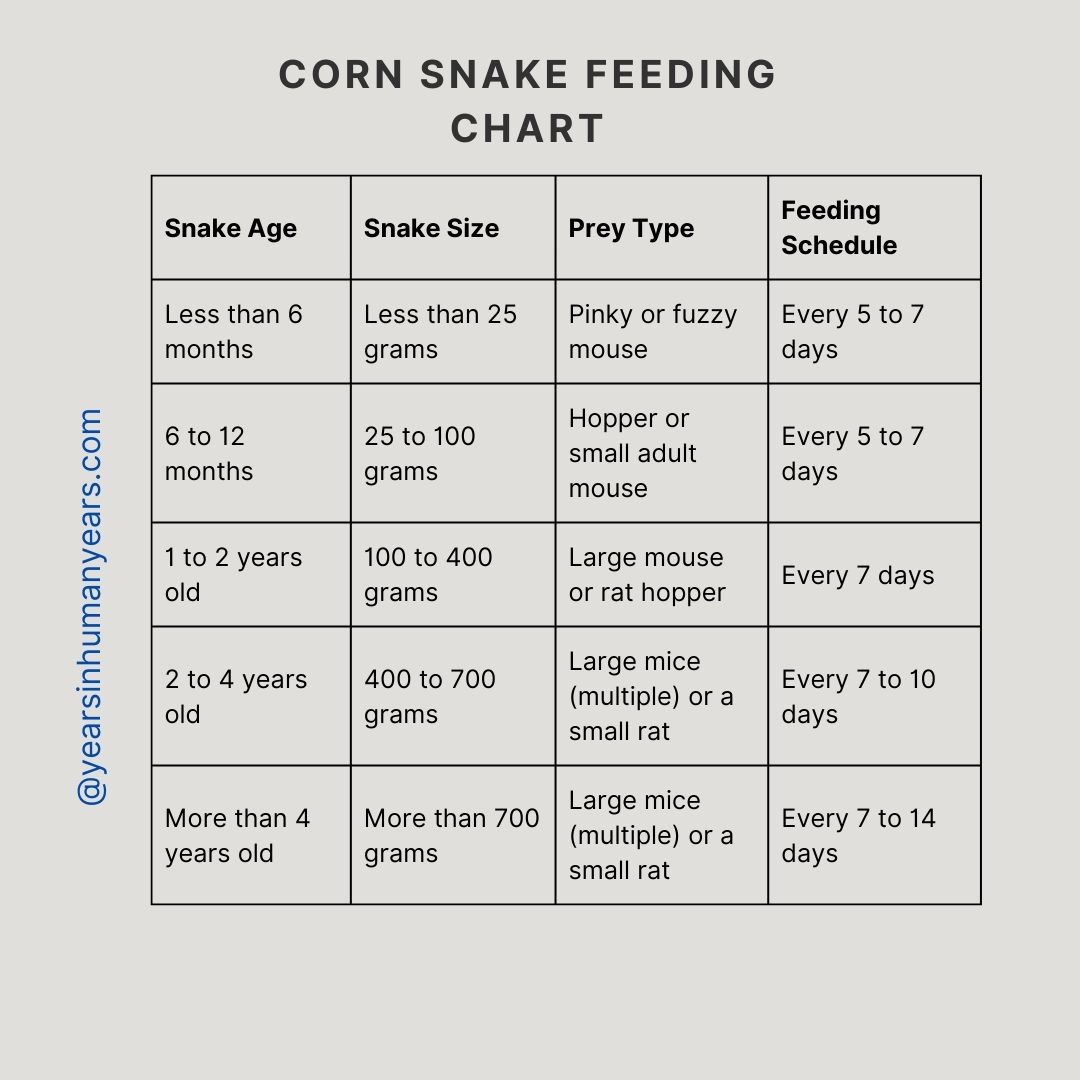
Health & Diet Corn Snake Diet & Feeding Guide: Prey Sizing, Schedules, and Preventing Obesity Corn snakes eat too well obesity is the real threat, not refusal. This guide covers prey sizing tables, milestone schedules, and body condition scoring.

Given the right care and nutrition, corn snakes can live 15-20 years. They prefer rodents like mice or rats for meals. Overfeeding can lead to obesity, which can cause health problems like fatty liver disease. If your corn snake is overweight, there are steps you can take:

Learn the signs, causes, diagnosis, and prevention of obesity in snakes, including fatty liver and kidney risks, feeding errors, and vet care options.

Conclusion: Feeding corn snakes properly and preventing obesity is essential for their long-term health and well-being. By understanding their feeding habits, practicing portion control, and providing a balanced diet, you can help your corn snake maintain a healthy weight and avoid the associated health risks.