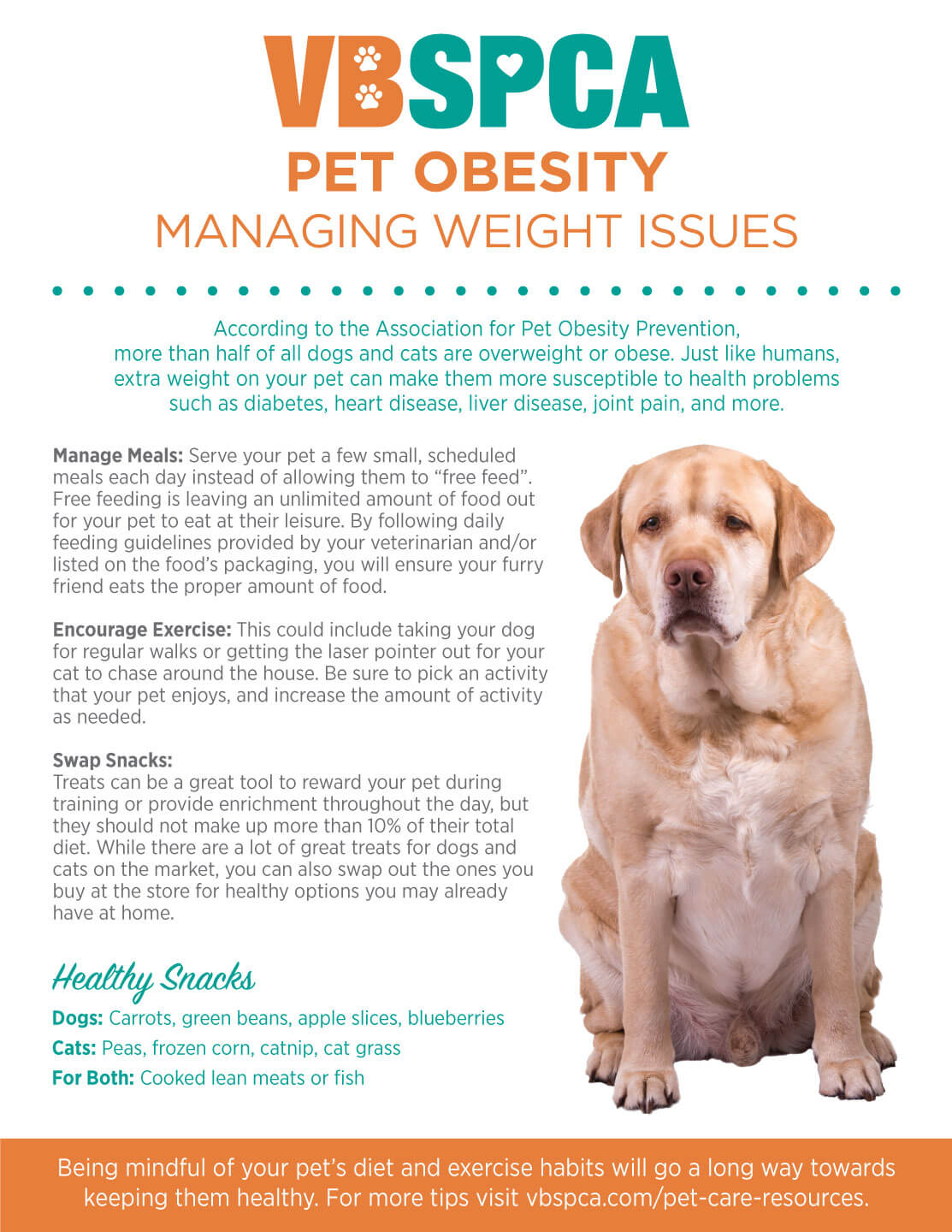
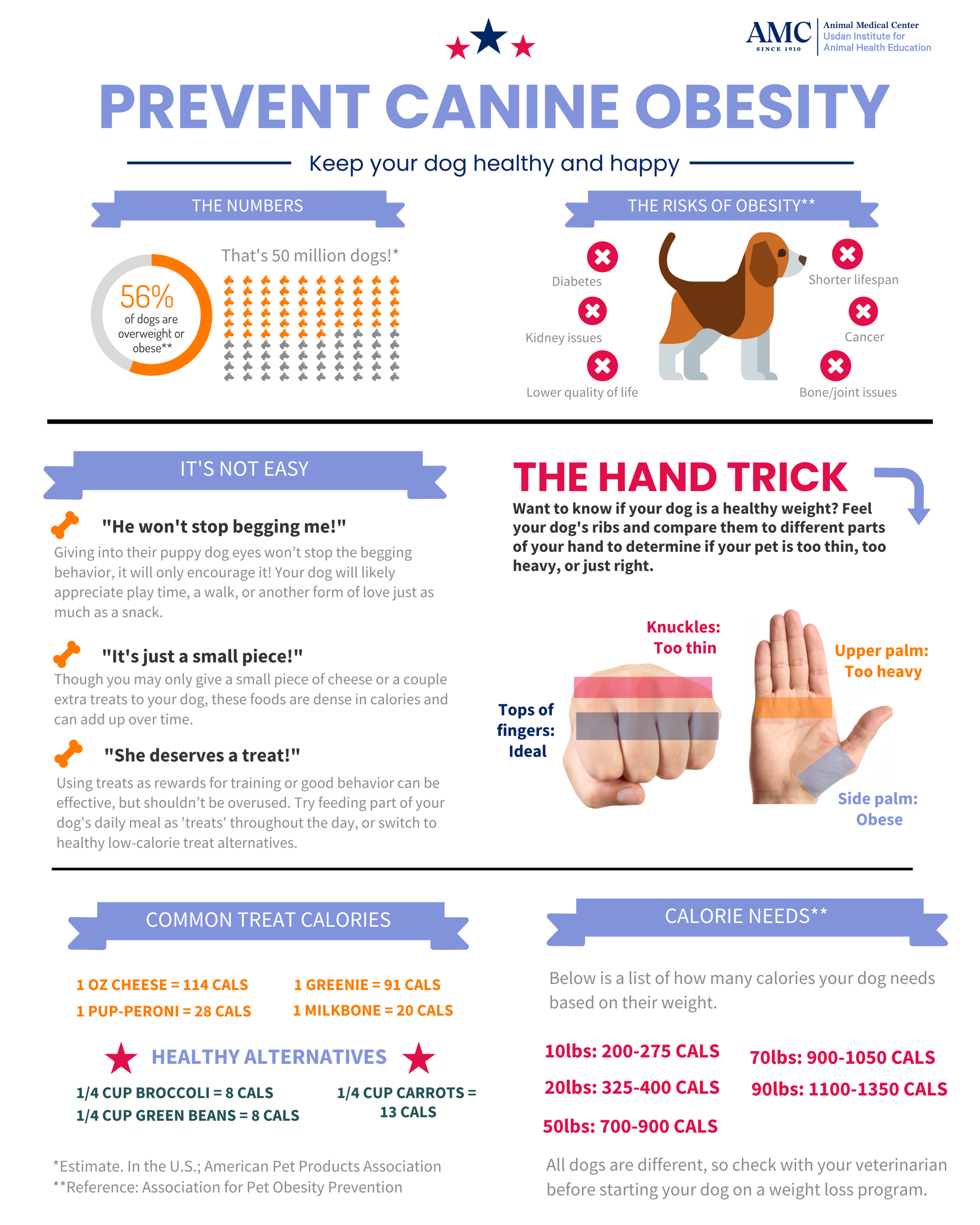
Since 2005, the Association for Pet Obesity Prevention has provided veterinary healthcare professionals and pet owners evidence-based tools, prevalence data, and resources to support diagnosis, communication, and treatment of clinical pet obesity.
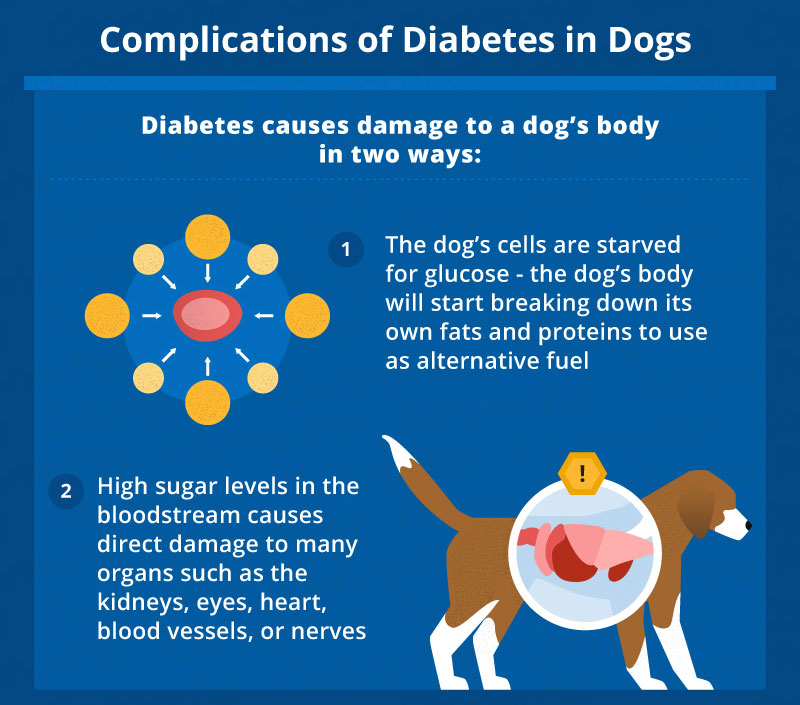
For dogs, a diet that will correct obesity, optimize body weight, and minimize postprandial hyperglycemia is rec-ommended. Unlike cats, dogs are not at appreciable risk for the clinical complications of hepatic lipidosis.

This particular example perfectly highlights why Obesity Prevention In Dogs With Apples And Diabetes is so captivating.
Learn how to feed diabetic dogs with the right balance of fiber, fat, and nutrients in this 2025 vet-approved diet guide. Includes tips on treats and meal timing.

Low fat is important for diabetic dogs, since as many as 30% of them become diabetic secondary to pancreatitis. Of course, this is more critical for overweight diabetic dogs. Supplementing with L-carnitine may help with fat metabolism for these dogs.
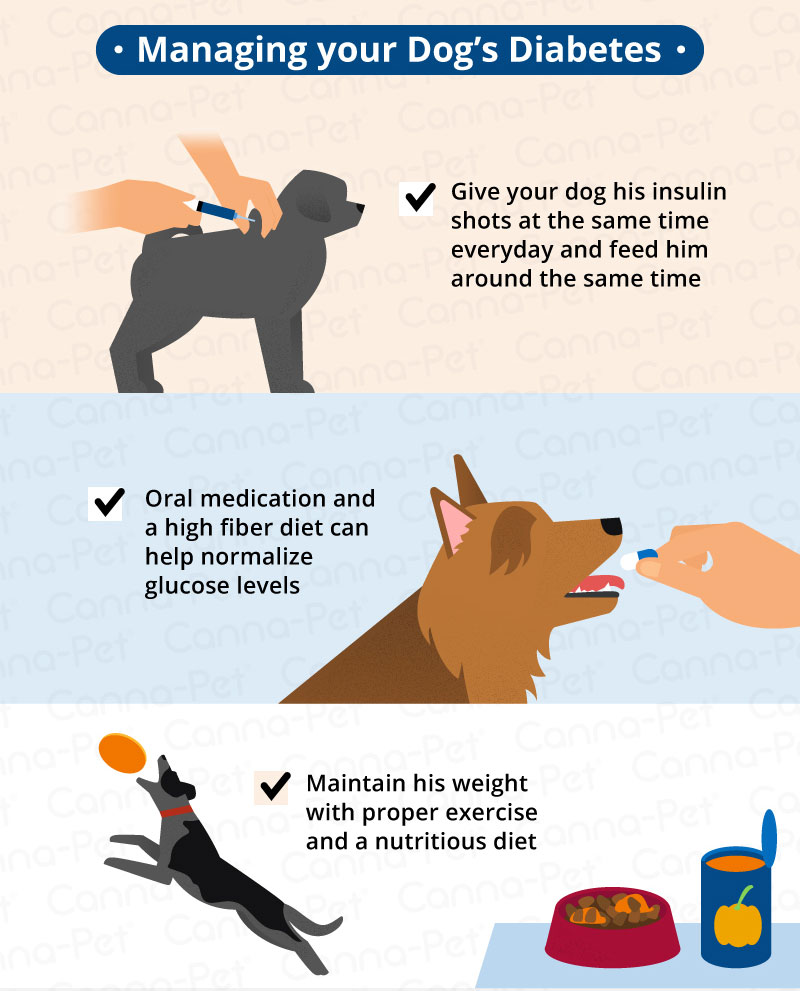
This particular example perfectly highlights why Obesity Prevention In Dogs With Apples And Diabetes is so captivating.
Given differences in canine anatomy, the human measures of central adiposity are not likely to be appropriate for dogs, and developing a clinical measure of abdominal obesity in dogs (e.g. waist circumference) would be challenging given the wide variability in size and shape amongst breeds.
This case report describes the nutritional intervention for a 7-year-old, male, neutered West Highland terrier with diabetes and overweight. The patient shows frequent hyperglycaemia, accompanied by persistent polyuria and polydipsia, despite being managed with insulin.