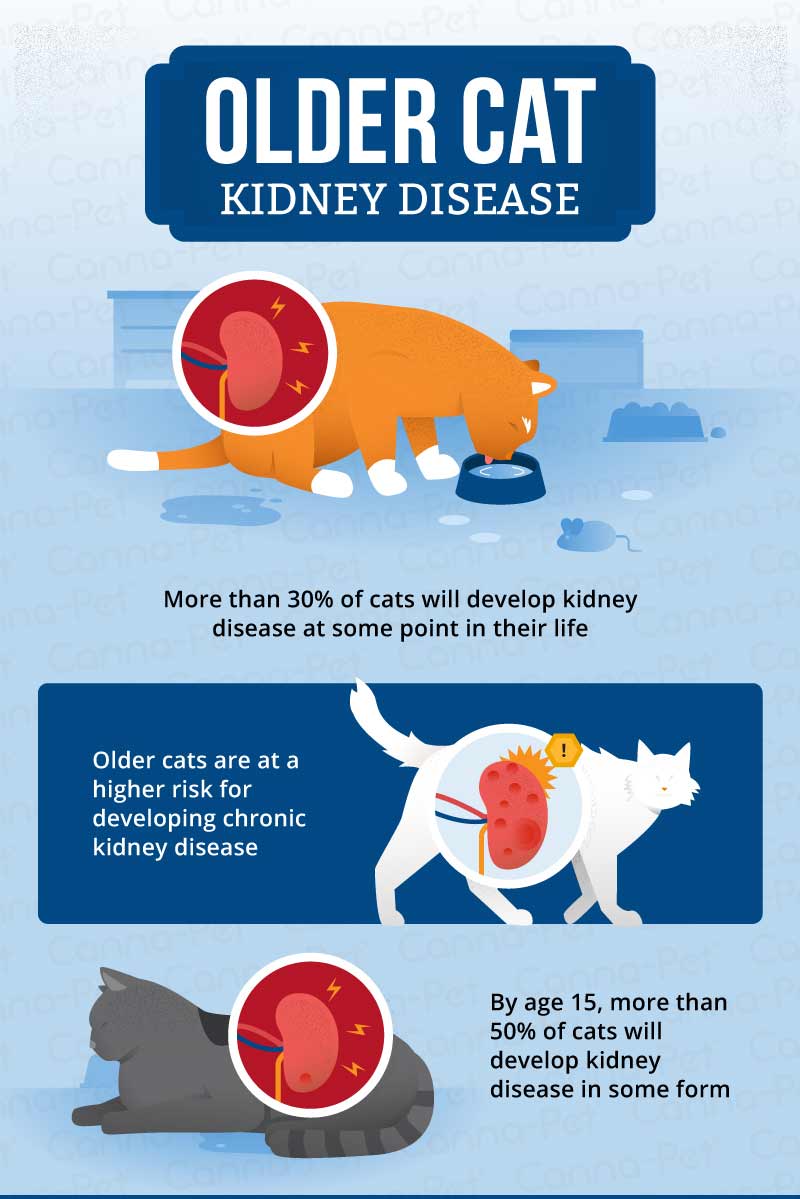
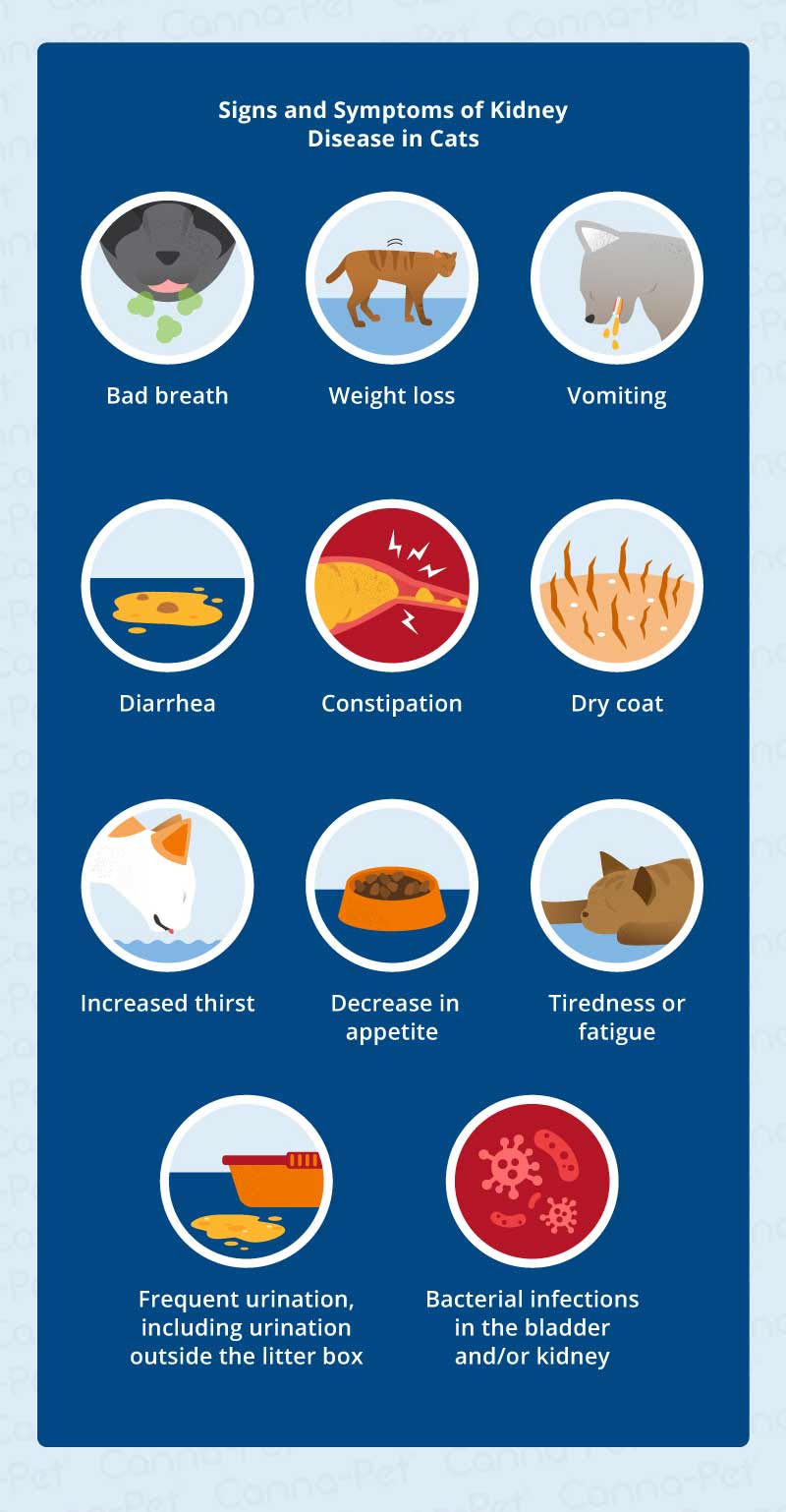
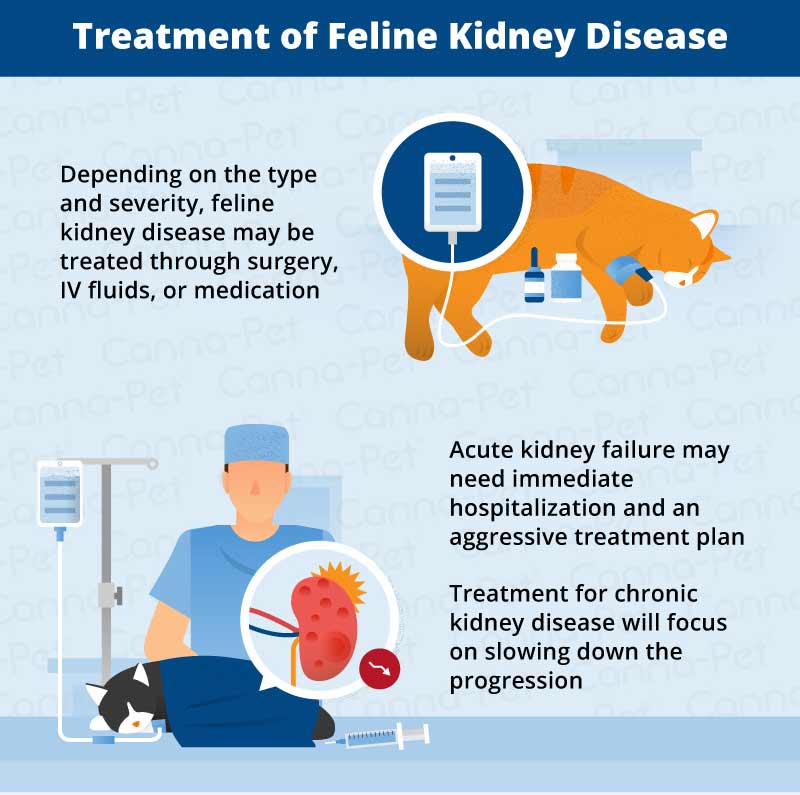
I quickly discovered that elderly cats are more prone to conditions like urinary tract infections (UTIs), bladder stones, and kidney disease, which can lead to urinary incontinence and other problems. In addition to these physical changes, senior cats may have a weaker bladder or difficulty controlling urination.
Some cats are more prone to kidney infections than others, including cats with diabetes mellitus; cats with chronic kidney disease; cats prone to lower urinary tract infections; cats with urinary tract stones; and those born with immune issues (feline leukemia or feline immunodeficiency virus) or congenital issues with their kidneys, such as ...

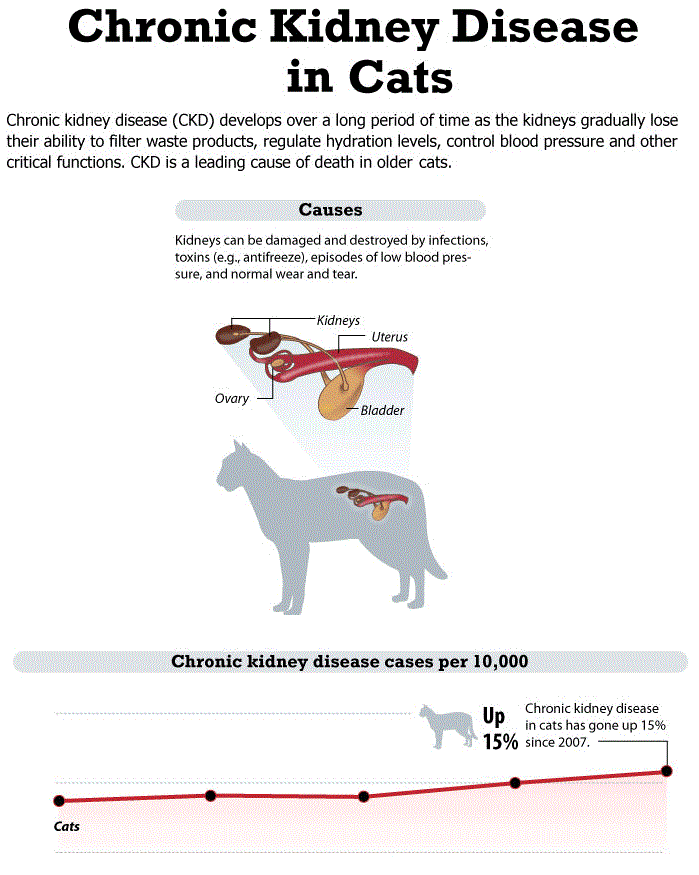
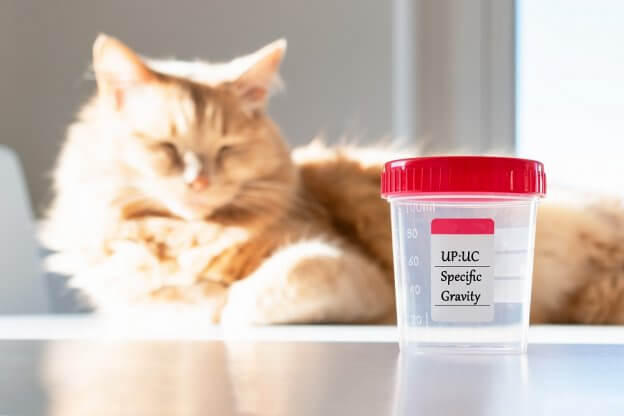
As we can see from the illustration, Older Cats With Urinary Tract Infections And Kidney Disease has many fascinating aspects to explore.
Abstract Practical relevance: Urinary tract infection (UTI) is an important cause of feline lower urinary tract disease (FLUTD), particularly in female cats older than 10 years of age. In addition to cats with typical clinical signs of FLUTD or upper UTI, many cats have subclinical bacteriuria, but the clinical relevance of this is currently uncertain. UTIs are one of the most important ...

Such details provide a deeper understanding and appreciation for Older Cats With Urinary Tract Infections And Kidney Disease.
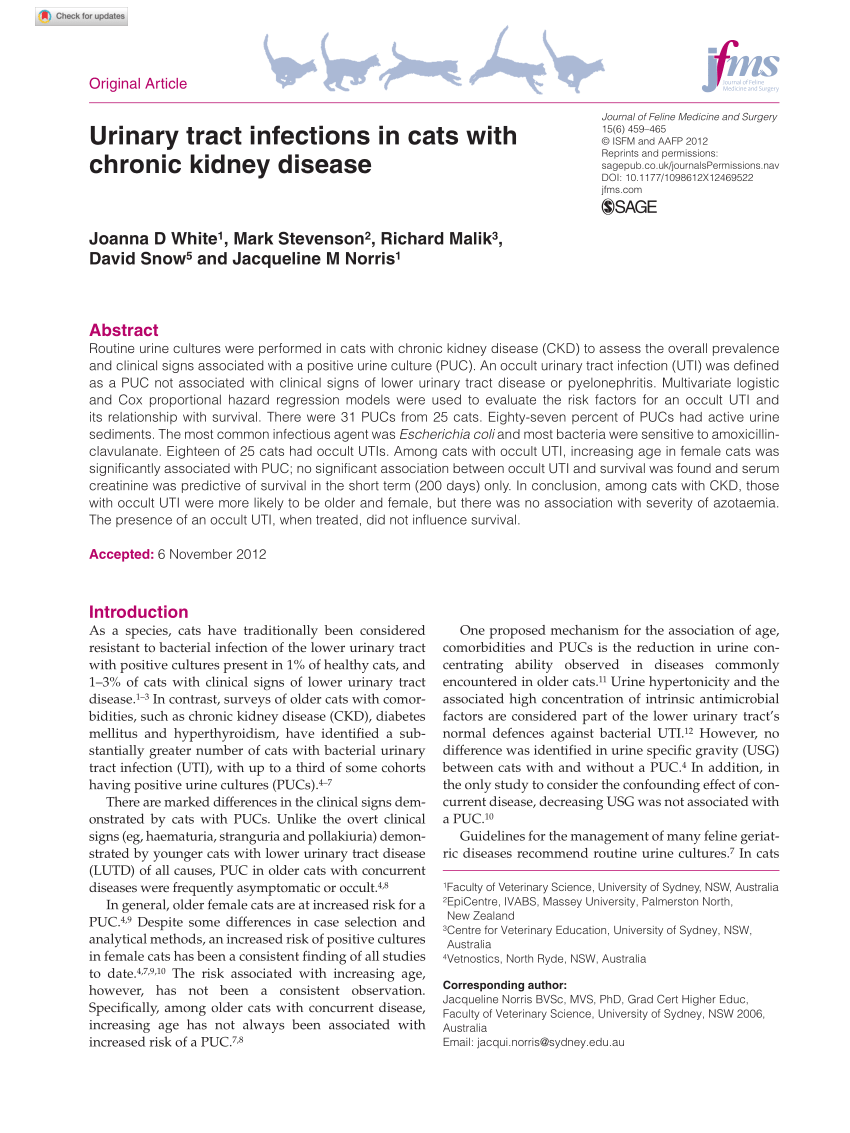
s a species, cats have traditionally been considered resistant to bacterial infection of the lower urinary tract with positive cultures present in 1% of healthy cats, and 13% of cats with clinical signs of lower urinary tract disease. 1 3 In contrast, surveys of older cats with comorbidities, such as chronic kidney disease (CKD), diabetes mellitus and hyperthyroidism, have identified a ...