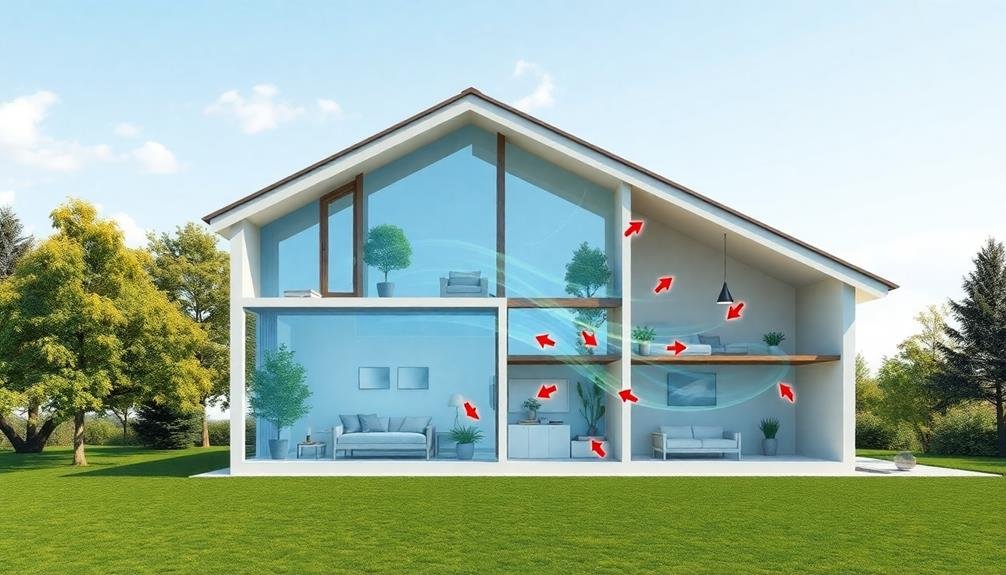
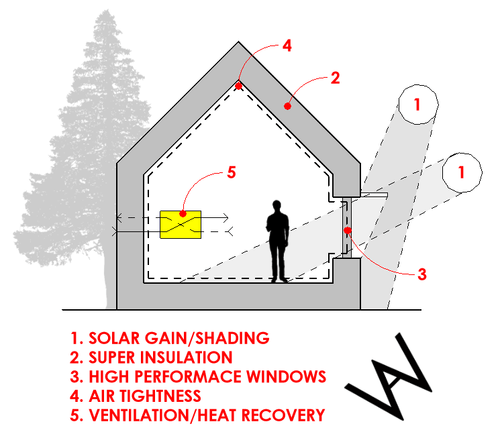
Implementing natural ventilation in apartments can be challenging due to their inherent design constraints, such as shared walls and limited exterior exposure. However, with careful planning and design, several strategies can be effectively employed.
s architects and designers seek greener, healthier solutions, integrating passive airflow strategies becomes essential. This article explores ten practical and effective approaches to improving natural ventilation in your building design.

Moving forward, it's essential to keep these visual contexts in mind when discussing Passive House Renovation Strategies For Apartments With Natural Ventilation.
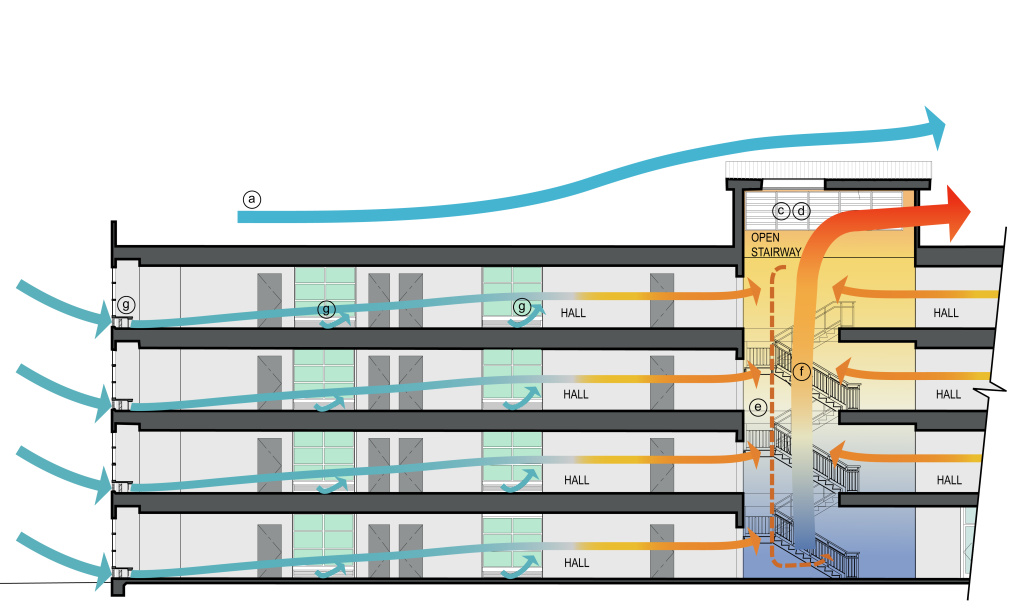
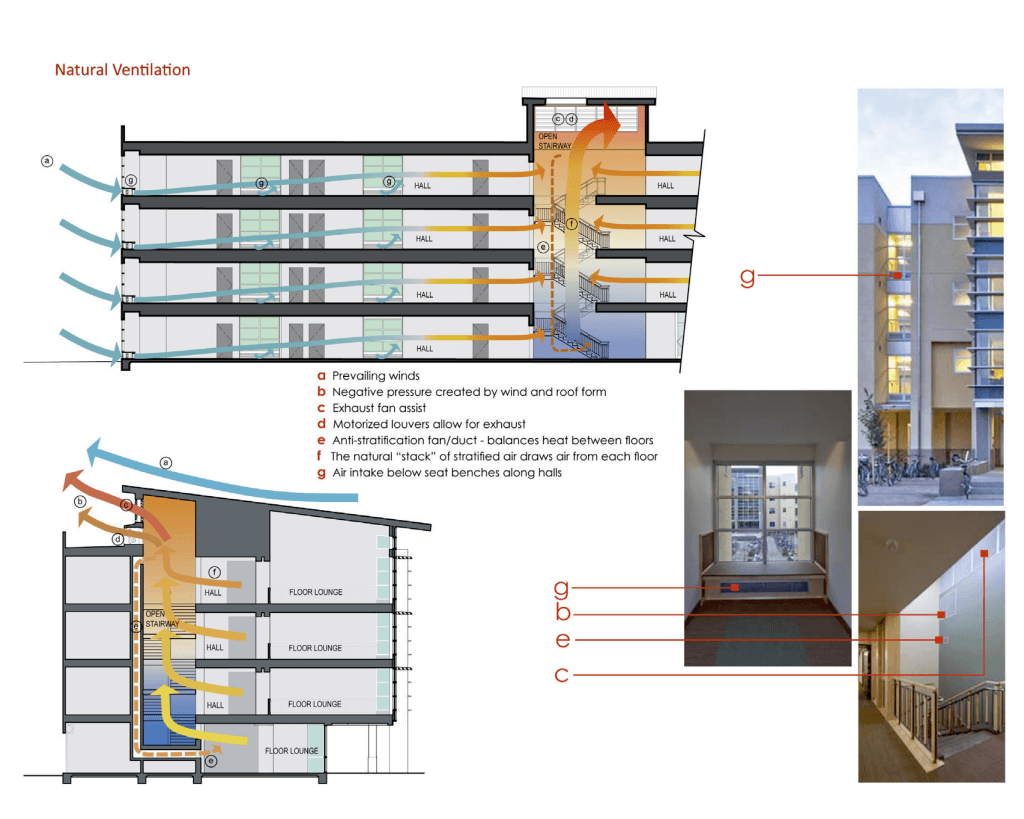
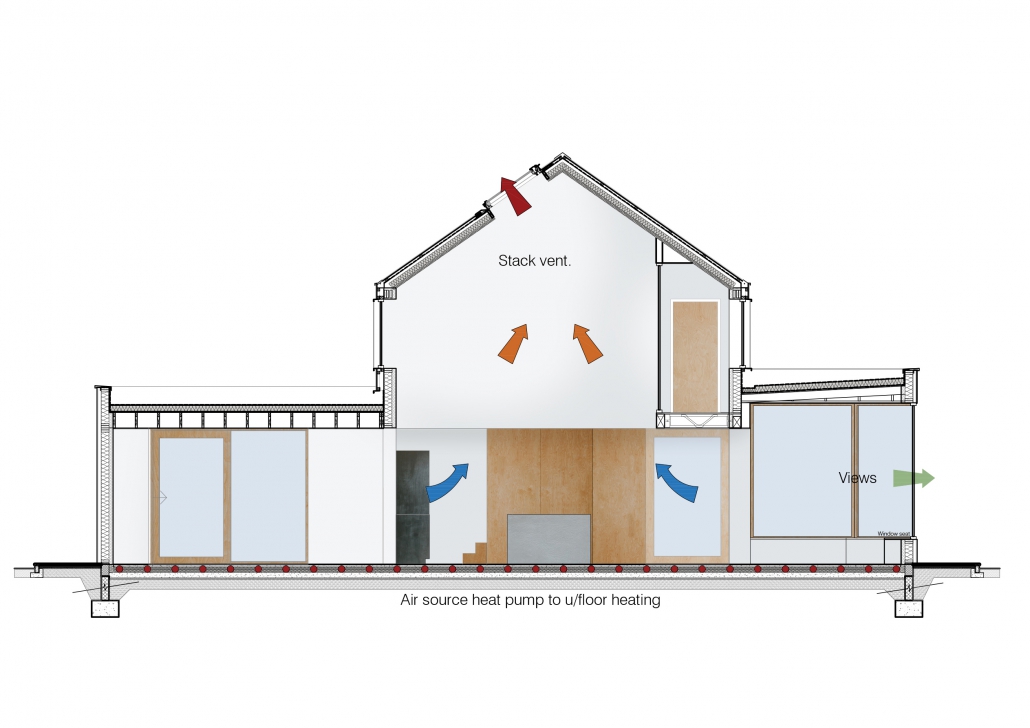
The analysis covers natural ventilation driven by thermal buoyancy and wind pressure, ducted ventilation, as well as one-sided and cross-ventilation systems. Additionally, hybrid ventilation technologies utilizing Trombe walls, solar thermal chimneys, and wind catchers were examined.

This particular example perfectly highlights why Passive House Renovation Strategies For Apartments With Natural Ventilation is so captivating.
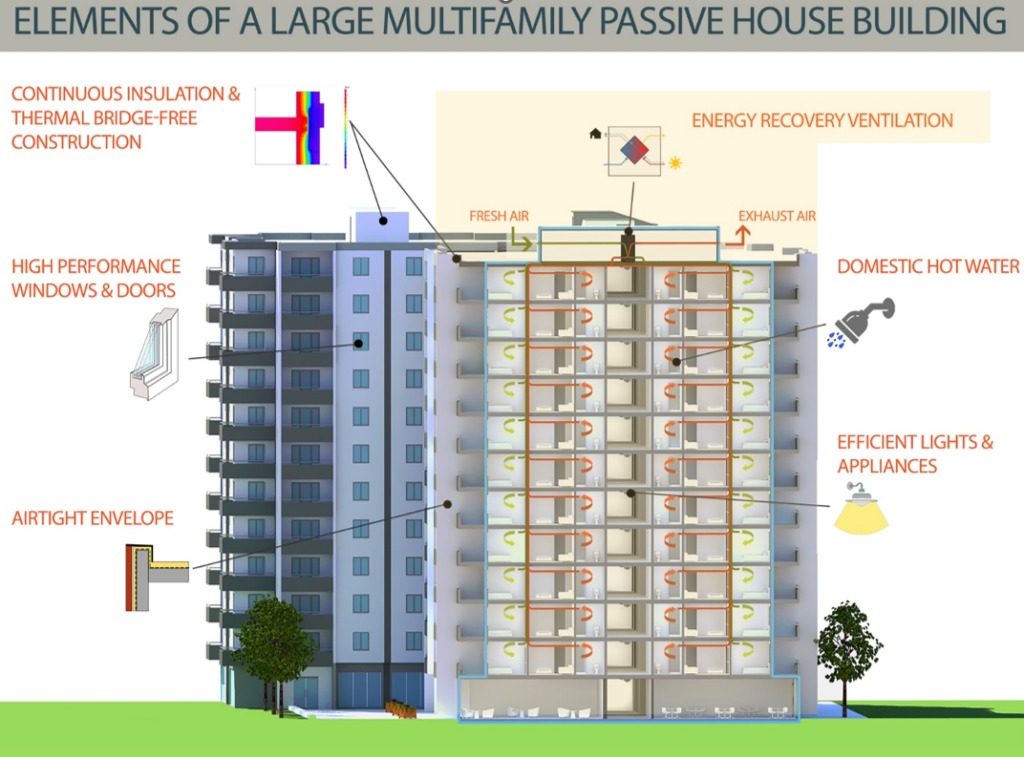
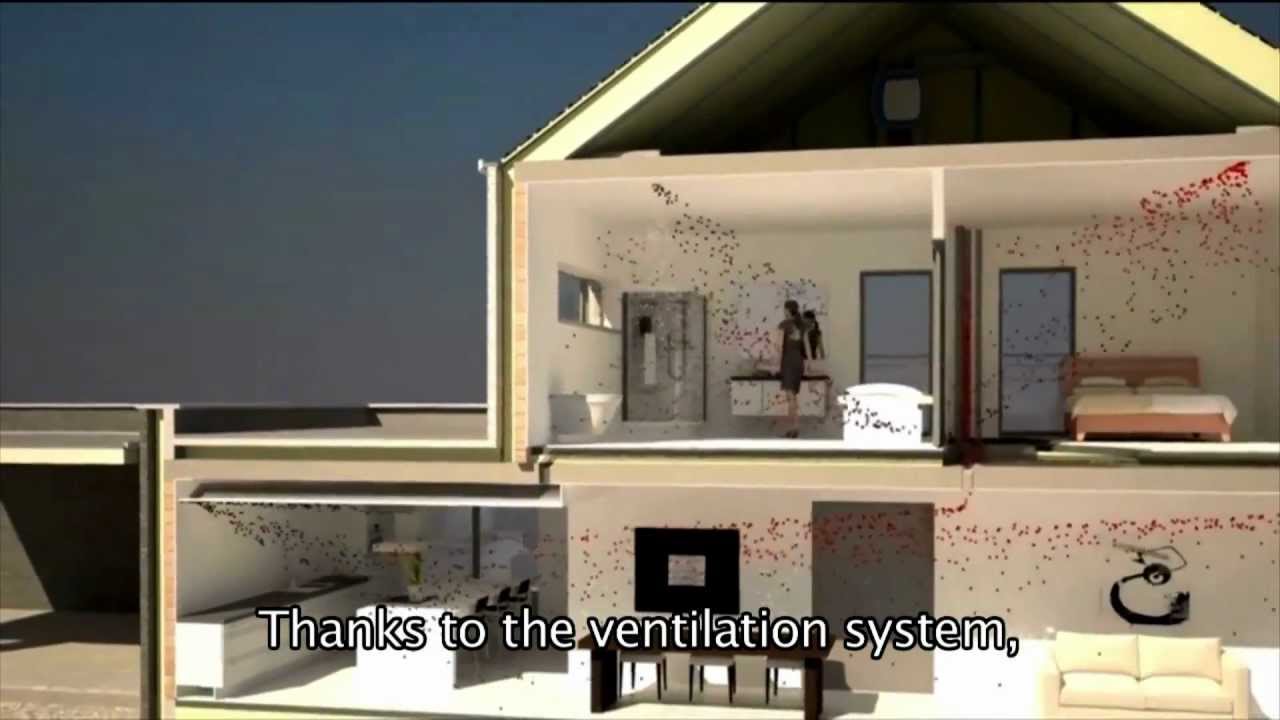
Learn how to design effective ventilation for Passive Houses. Master MVHR sizing, airtightness requirements, and summer bypass strategies.
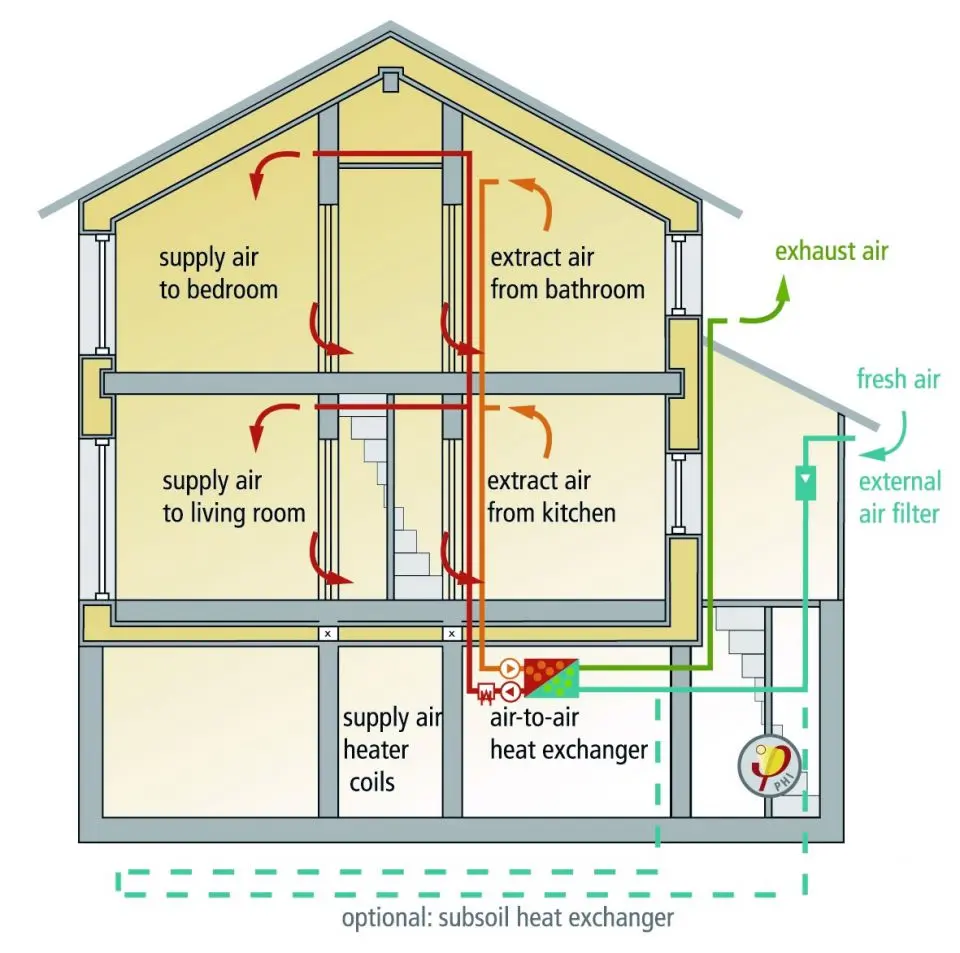
This particular example perfectly highlights why Passive House Renovation Strategies For Apartments With Natural Ventilation is so captivating.
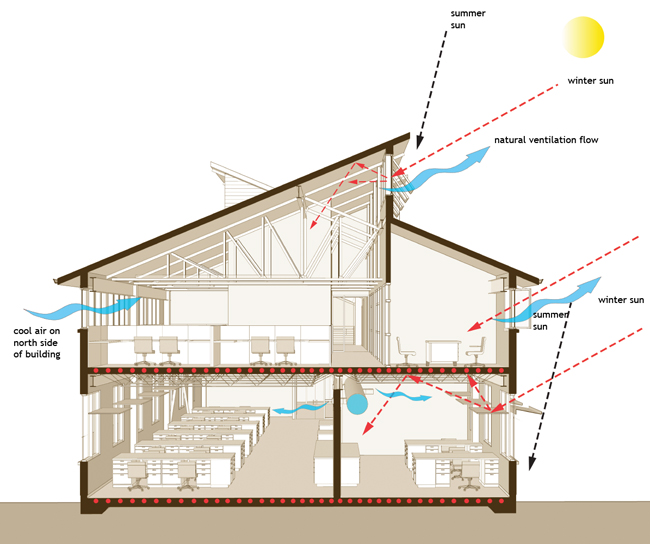
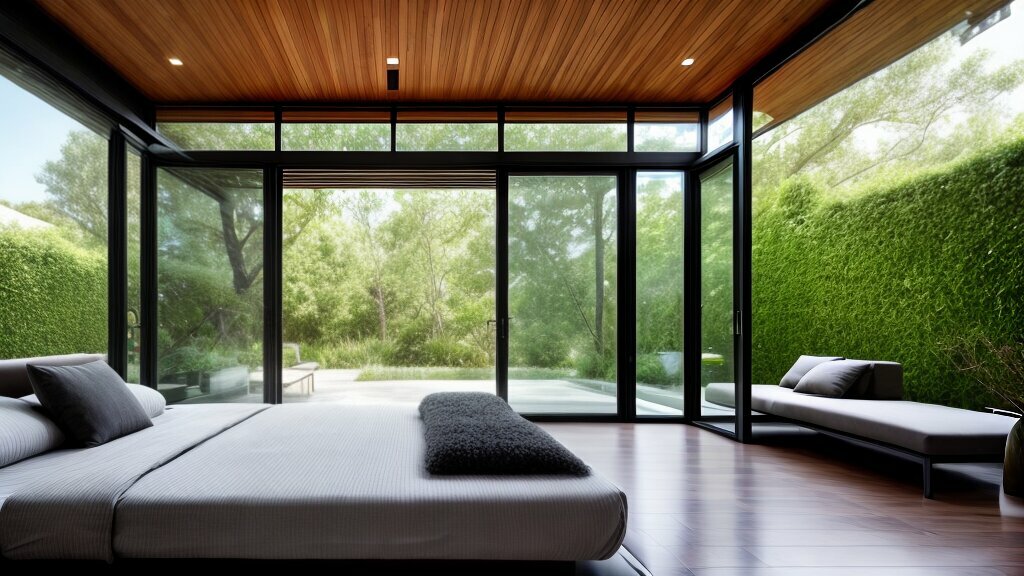
Passive solar homes use convection to distribute heat and encourage natural ventilation with operable windows and skylights on the top floor. Placing windows strategically enhances airflow and cooling. Landscaping can enhance or diminish natural ventilation.
In a Passive House with limited outdoor air supply, optimizing natural ventilation is crucial to maintain healthy indoor air quality without relying heavily on mechanical systems.