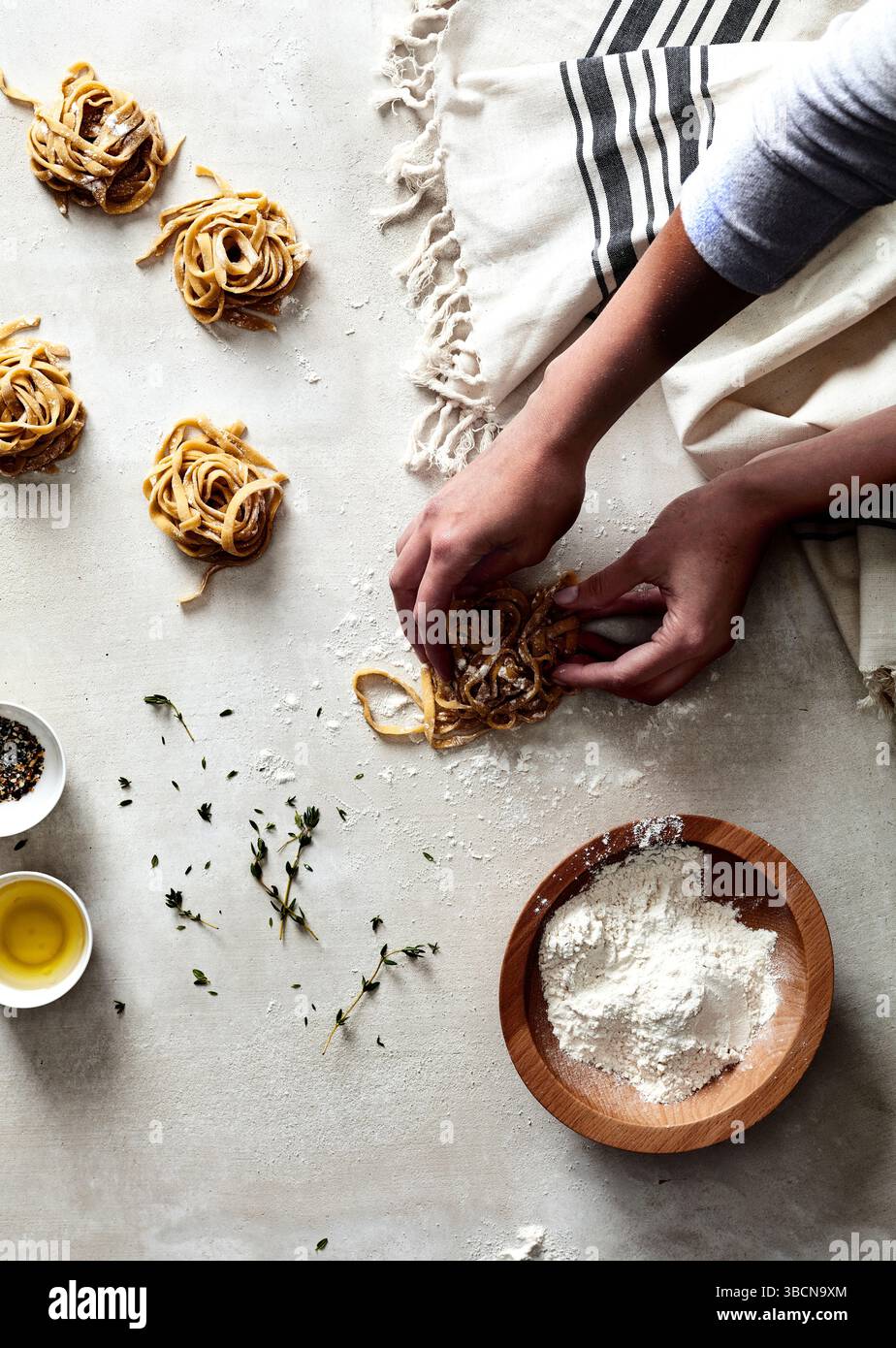
In this article, we will delve into the world of fresh pasta shaping, exploring the techniques, tools, and tips necessary to create beautiful and delicious pasta shapes.
Since the 1800s, pasta makers from Abruzzo and Gragnano have shaped dough through uncoated bronze plates to maintain quality, texture, and authenticity. These methods, used by respected producers like De Cecco, remain foundational to Italian pasta today.

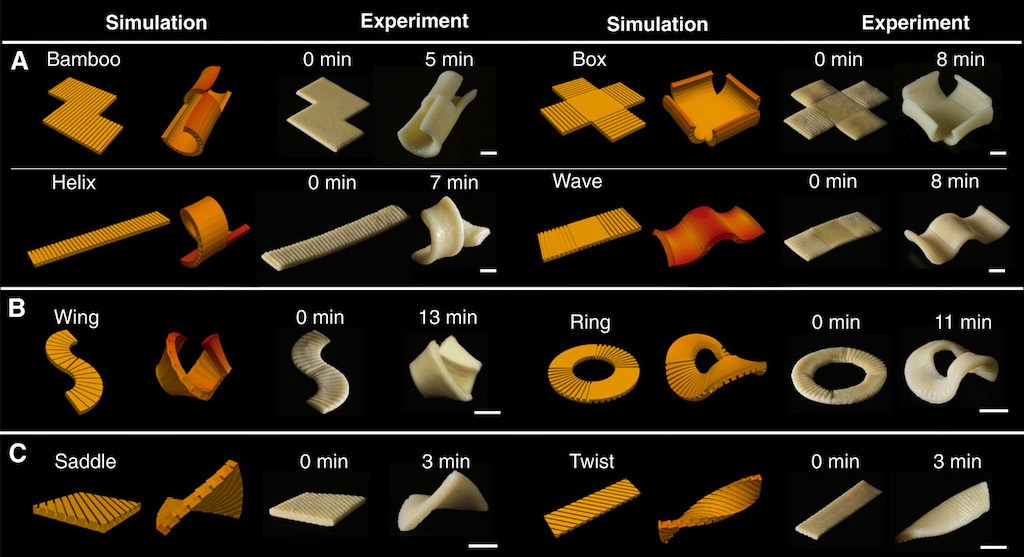
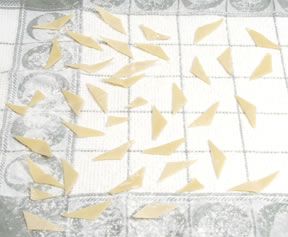
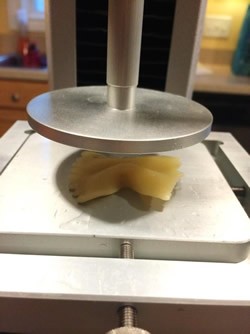
Furthermore, visual representations like the one above help us fully grasp the concept of Pasta Shaping Methods That Preserve Texture Integrity.
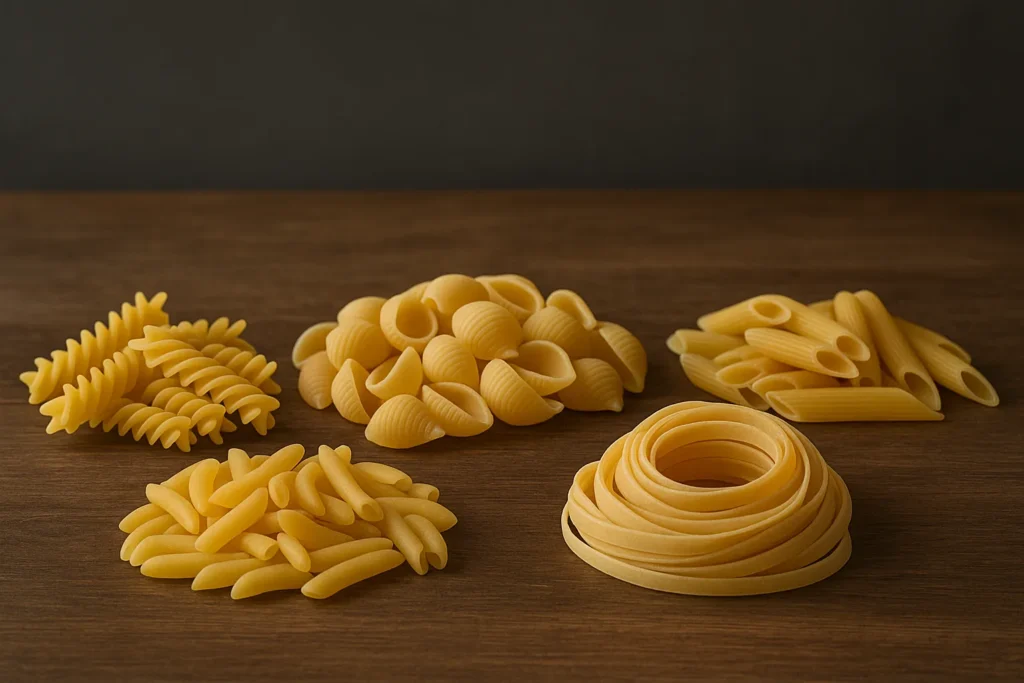
The mechanisms that cut and shape pasta are important parts of a complex process that changes ingredients into many kinds of pasta. After pasta dough is extruded through dies to make desired shapes, cutting machines with uniform lengths are used.

Using traditional shaping techniques ensures that pasta maintains its intended form and texture after cooking. This is often achieved by hand or with specialised tools that create ridges, grooves, or folds.
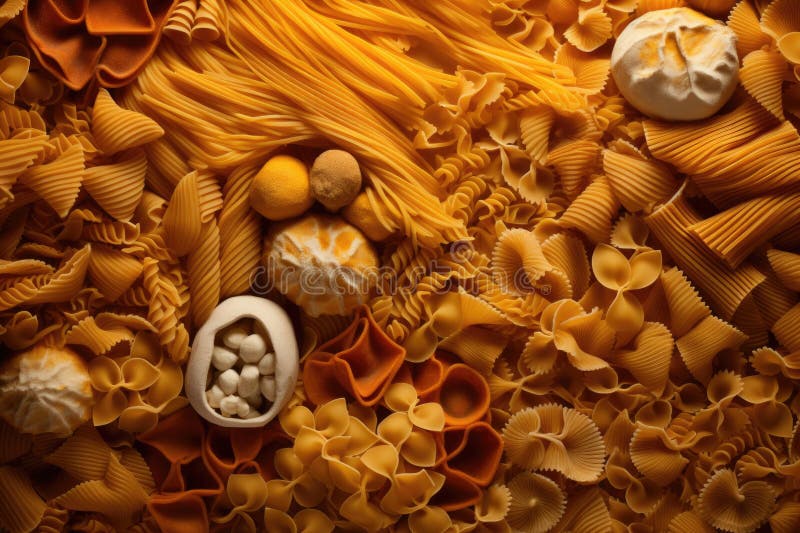
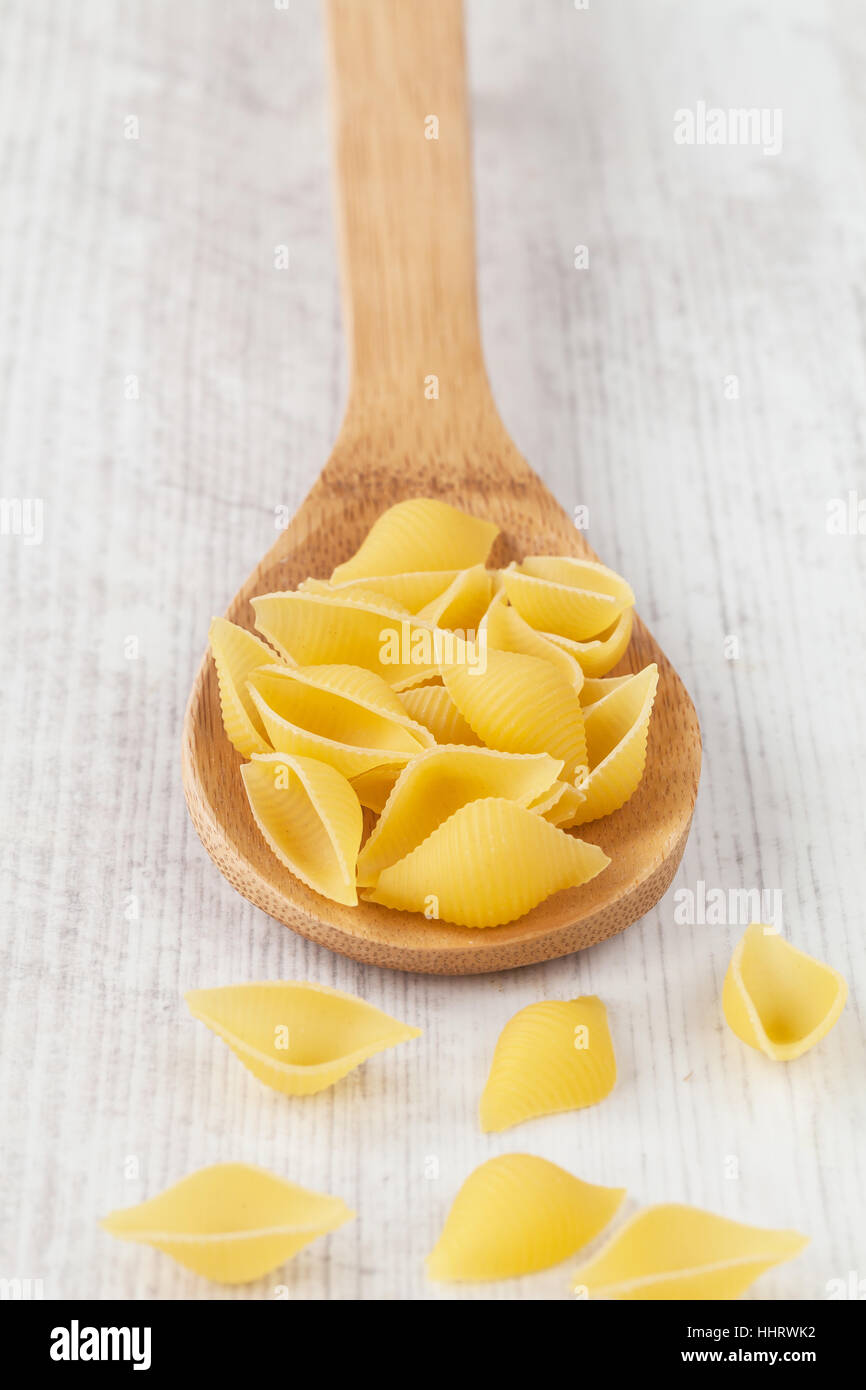
This particular example perfectly highlights why Pasta Shaping Methods That Preserve Texture Integrity is so captivating.
Pasta is a deceptively simple foodtraditionally consisting of just flour and wateryet the texture varies wildly between a supermarket box and an artisanal pack. The secret to this discrepancy lies in a critical piece of industrial engineering: the extrusion die.