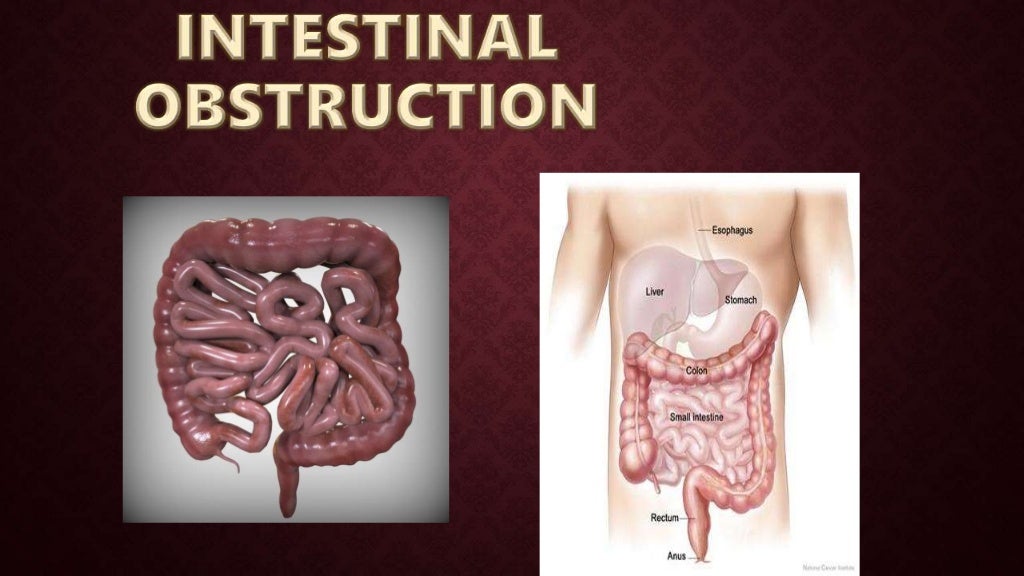
Being able to pass gas again, feeling less bloated and being able to have bowel movements again are all signs your bowel obstruction is clearing. On the other hand, if an obstruction causes a rupture, the condition can be life-threatening.
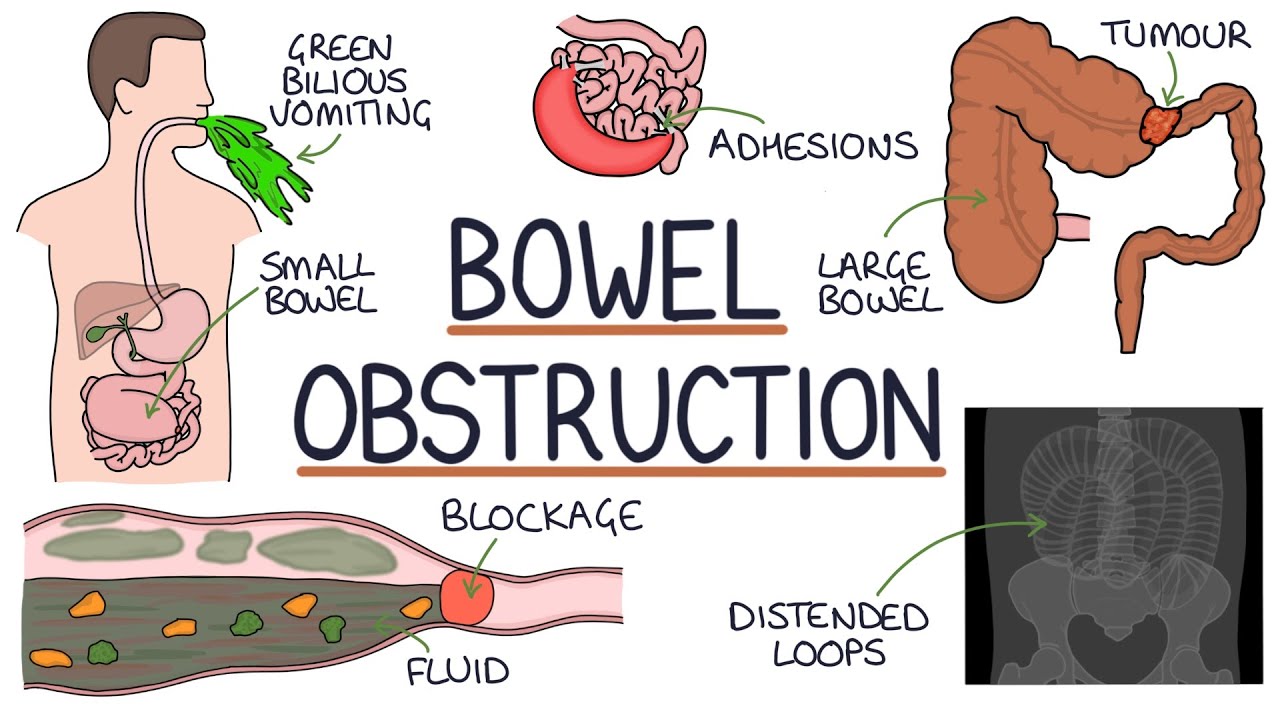
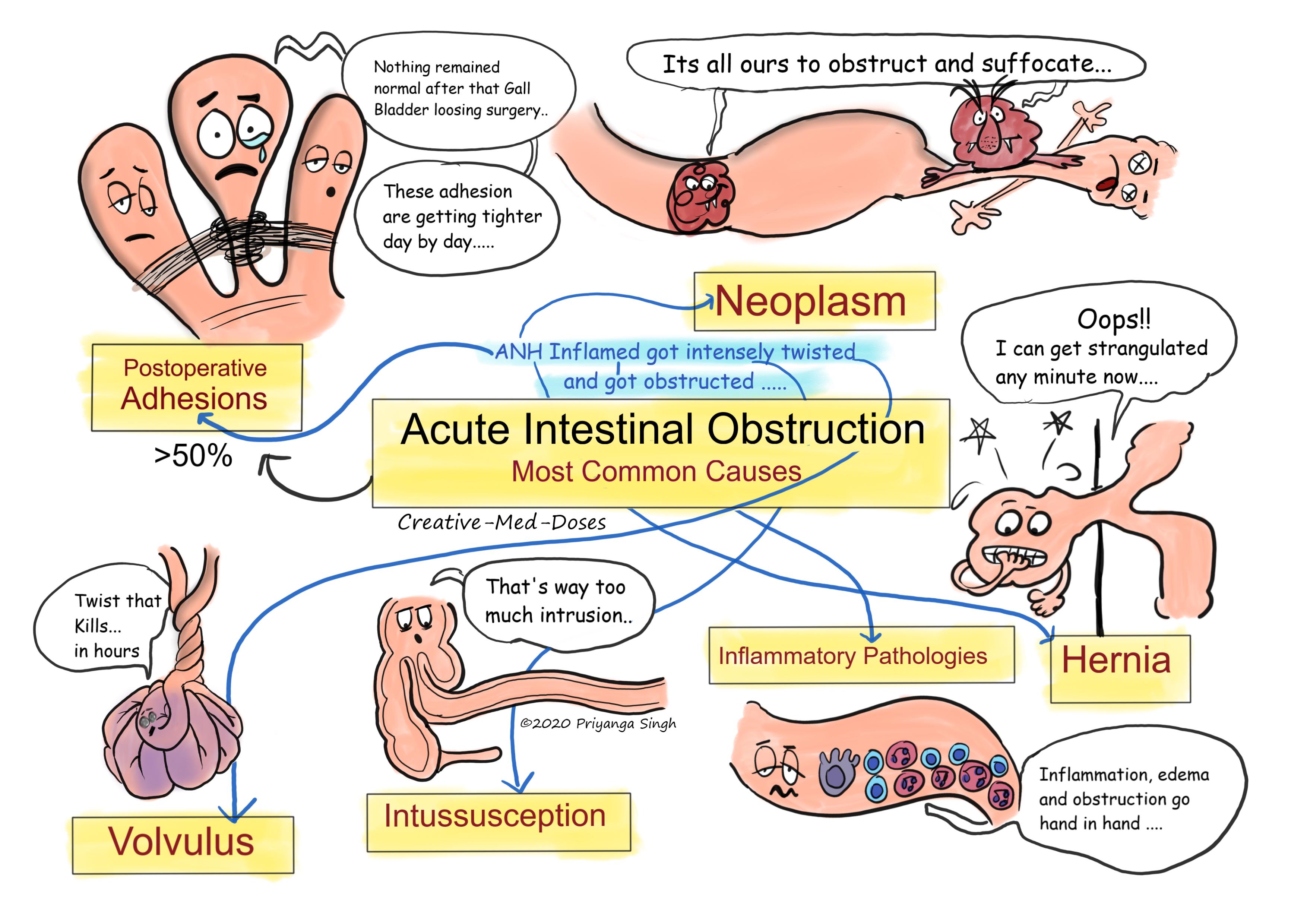
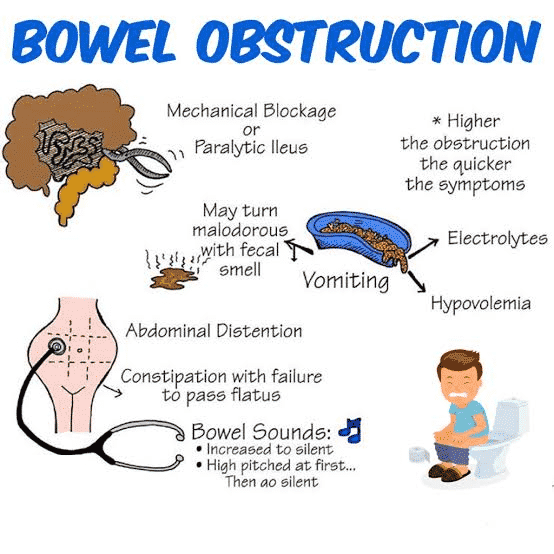
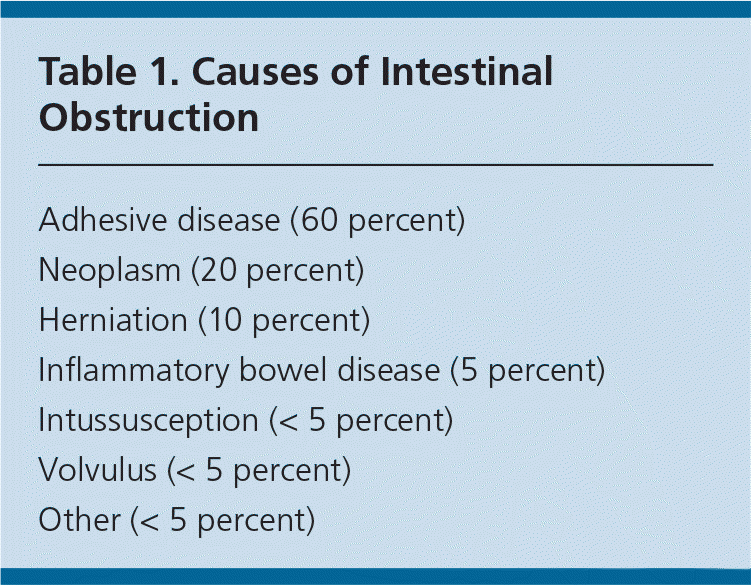
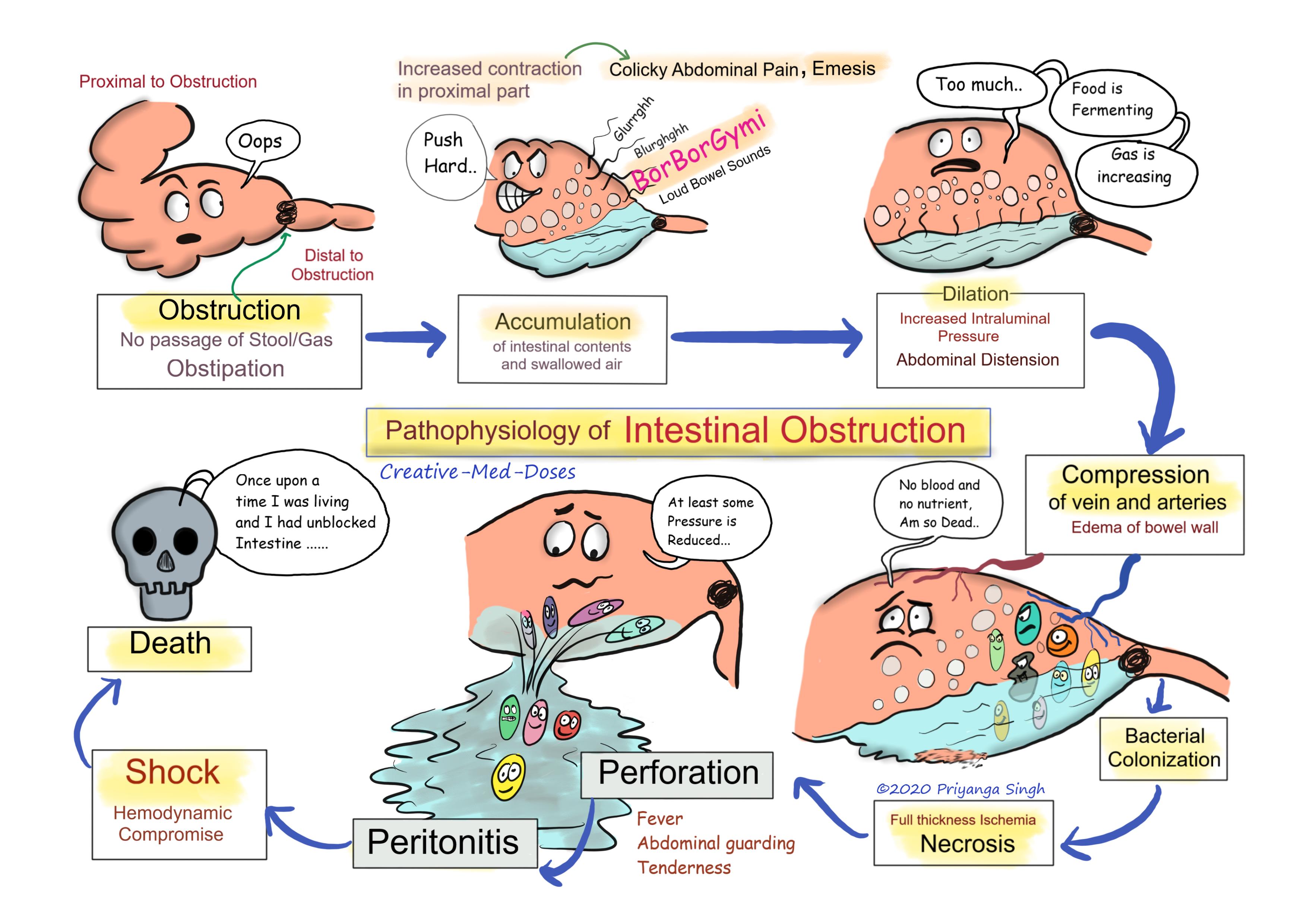
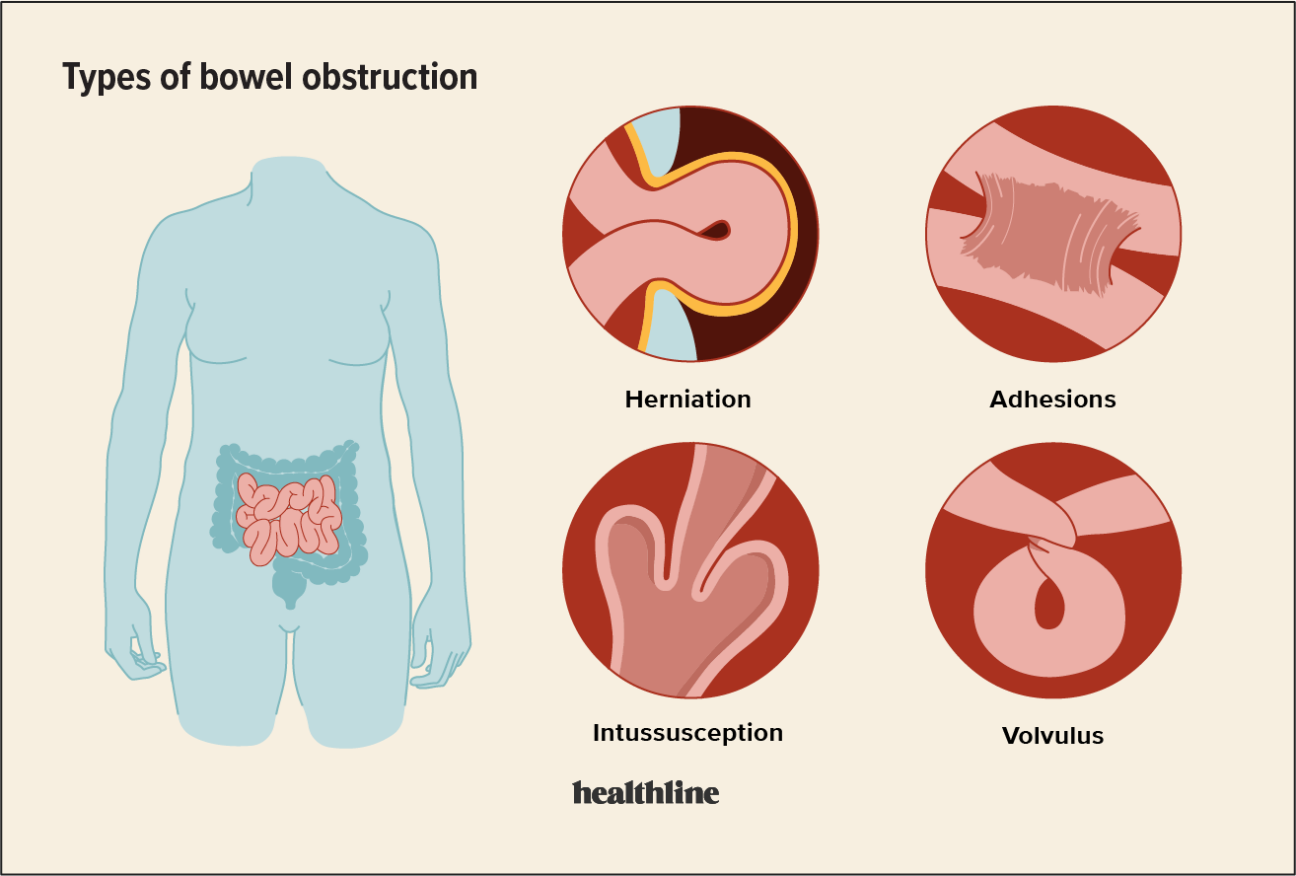
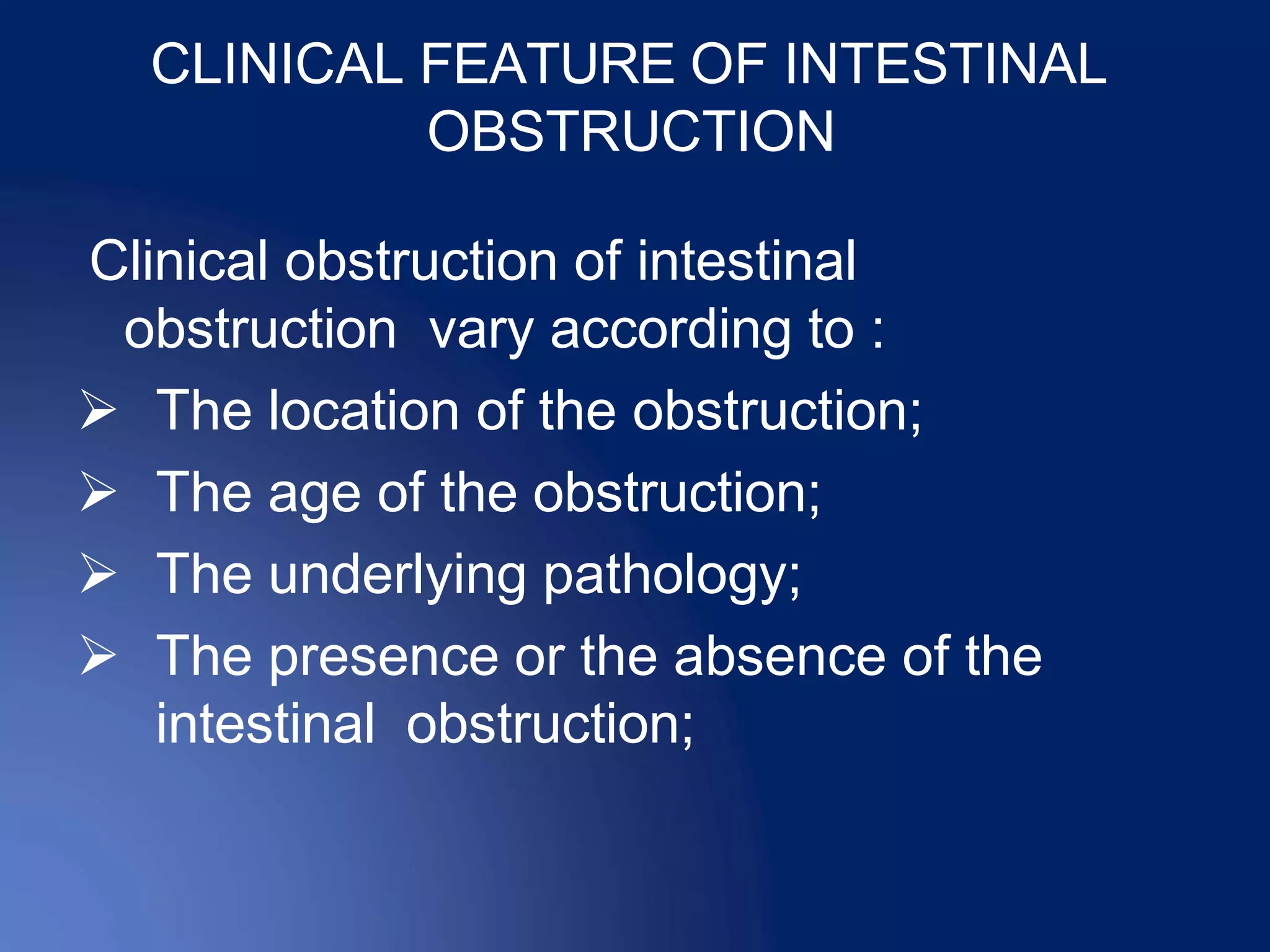
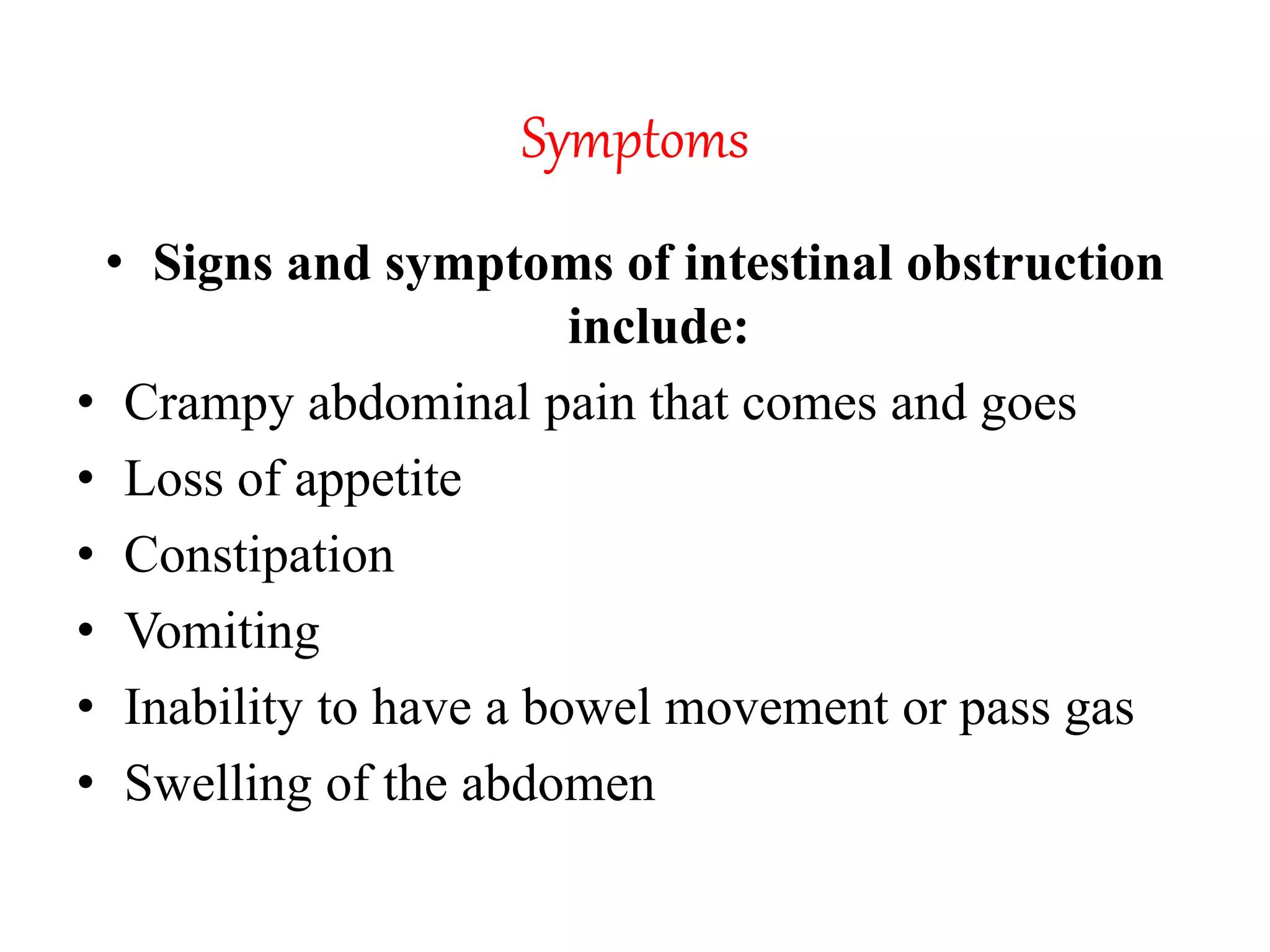
Overview Symptoms When to see a doctor Causes Risk factors Complications See full list on mayoclinic.org Signs and symptoms of intestinal obstruction include: Crampy abdominal pain that comes and goes Loss of appetite Constipation Vomiting Inability to have a bowel movement or pass gas See full list on mayoclinic.org Because of the serious complications that can develop from intestinal obstruction, seek immediate medical care if you have severe abdominal pain or other symptoms of intestinal obstruction. Request an appointment See full list on mayoclinic.org Sign up for free and stay up to date on research advancements, health tips, current health topics, and expertise on managing health. Click here for an email preview. To provide you with the most relevant and helpful information, and understand which information is beneficial, we may combine your email and website usage information with other information we have about you. If you are a Mayo Clinic patient, this could include protected health information. If we combine this information with your protected health information, we will treat all of that information as protected health information and will only use or disclose that information as set forth in our notice of privacy practices. You may opt-out of email communications at any time by clicking on the unsubscribe link in the e-mail. See full list on mayoclinic.org The most common causes of intestinal obstruction in adults are: Intestinal adhesions bands of fibrous tissue in the abdominal cavity that can form after abdominal or pelvic surgery Hernias portions of intestine that protrude into another part of your body Colon cancer See full list on mayoclinic.org Diseases and conditions that can increase your risk of intestinal obstruction include: Abdominal or pelvic surgery, which often causes adhesions a common intestinal obstruction Crohn's disease, which can cause the intestine's walls to thicken, narrowing the passageway Cancer in your abdomen See full list on mayoclinic.org Untreated, intestinal obstruction can cause serious, life-threatening complications, including: Tissue death. Intestinal obstruction can cut off the blood supply to part of your intestine. Lack of blood causes the intestinal wall to die. Tissue death can result in a tear (perforation) in the intestinal wall, which can lead to infection. Infection. Peritonitis is the medical term for infection in the abdominal cavity. It's a life-threatening condition that requires immediate medical and often surgical attention. Request an appointment By Mayo Clinic Staff See full list on mayoclinic.org See full list on mayoclinic.org A Book: Mayo Clinic on Digestive Health CON-XXXXXXXX See full list on mayoclinic.org Signs and symptoms of bowel obstruction appear progressively with a distended abdomen along with pain that intensifies and vomiting that is followed by obstipation; these symptoms' characteristics depend on how long and severely the obstruction exists [7]. Early signs and symptoms of a partial or complete intestinal obstruction include abdominal pain or distention, fever, rapid heart rate, and the inability to pass gas or have a bowel movement. Common causes of intestinal obstruction include colon cancer, diverticulitis, and diabetes. Recognize the symptoms of bowel obstruction, such as severe abdominal pain and vomiting. A bowel obstruction is a serious condition requiring prompt medical attention. Symptoms include bloating and the inability to pass gas or stool. Timely medical care is key to prevent complications. Symptoms of an intestinal obstruction include abdominal cramping, constipation, and dehydration. Learn more about the symptoms you may be experiencing. If a section of your bowel becomes blocked, you'll need to be hospitalized to get better. Learn what causes a bowel obstruction, what the symptoms are, and how it's treated.