A collection of national public health initiatives, strategies, and action plans covering topics like chronic disease, emergency preparedness, and health disparities.
It is apparent that smartphone and digital device use can lead to tech neck and associated spine-related complications. That said, study of such phenomena remains underexplored, and necessitates additional attention and the development of novel measures for prevention and lifestyle modification.
Thankfully, technology users do not have to completely give up screen time to prevent pain and injuries from tech neck. Instead, the National Spine Health Foundation has launched our Look Up campaign to help people easily remember these tech neck prevention tips:
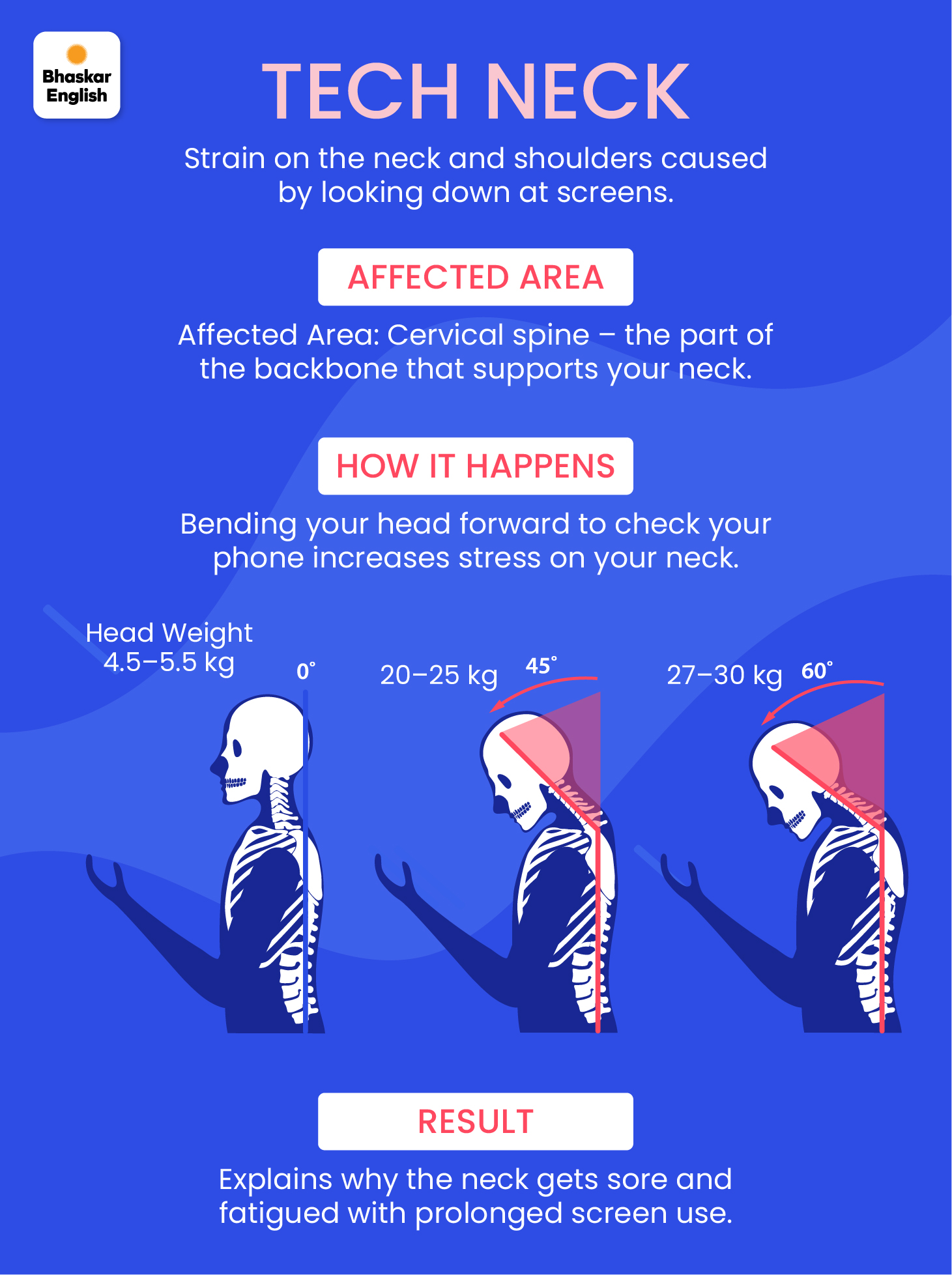
As we can see from the illustration, Preventing Kids Tech Neck With Public Health Initiatives has many fascinating aspects to explore.
In this Viewpoint, we argue that children's use of digital technologies and engagement in digital environments should be recognised as important determinants of their health and that a public health approach is required to protect children from digital harms.
Many kids and teens have study habits of sitting on the bed or floor working on tablets or laptops for hours at a time. This position results in a hunched posture with no support for the back and causes the child to hold the neck flexed while looking down at the study materials.

By taking a proactive approach to maintaining good posture and using technology in a healthy way, you can prevent the onset of neck pain, headaches, and other musculoskeletal disorders.