Choice-supportive bias or post-purchase rationalization is the tendency to retroactively ascribe positive attributes to an option one has selected and/or to demote the forgone options. It is part of cognitive science, and is a distinct cognitive bias that occurs once a decision is made.
Douglas Van Praet argues that while decision making is governed by our emotions, brands should still provide people with a logical lifeline (but they should steer clear of research that lets the post-rationalizing tail wag the emotional dog).

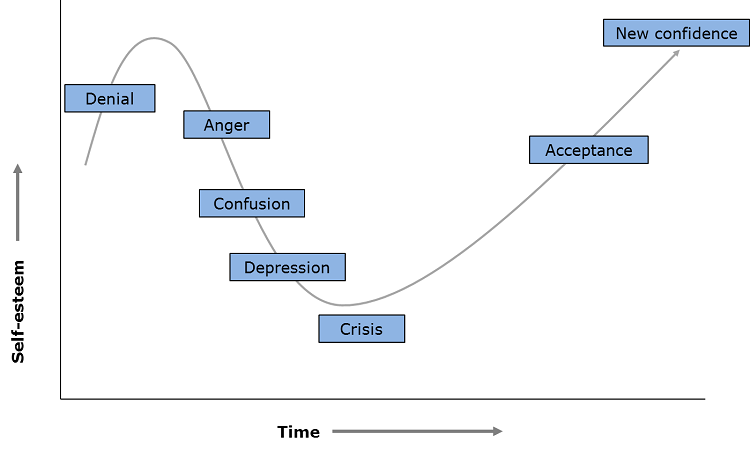
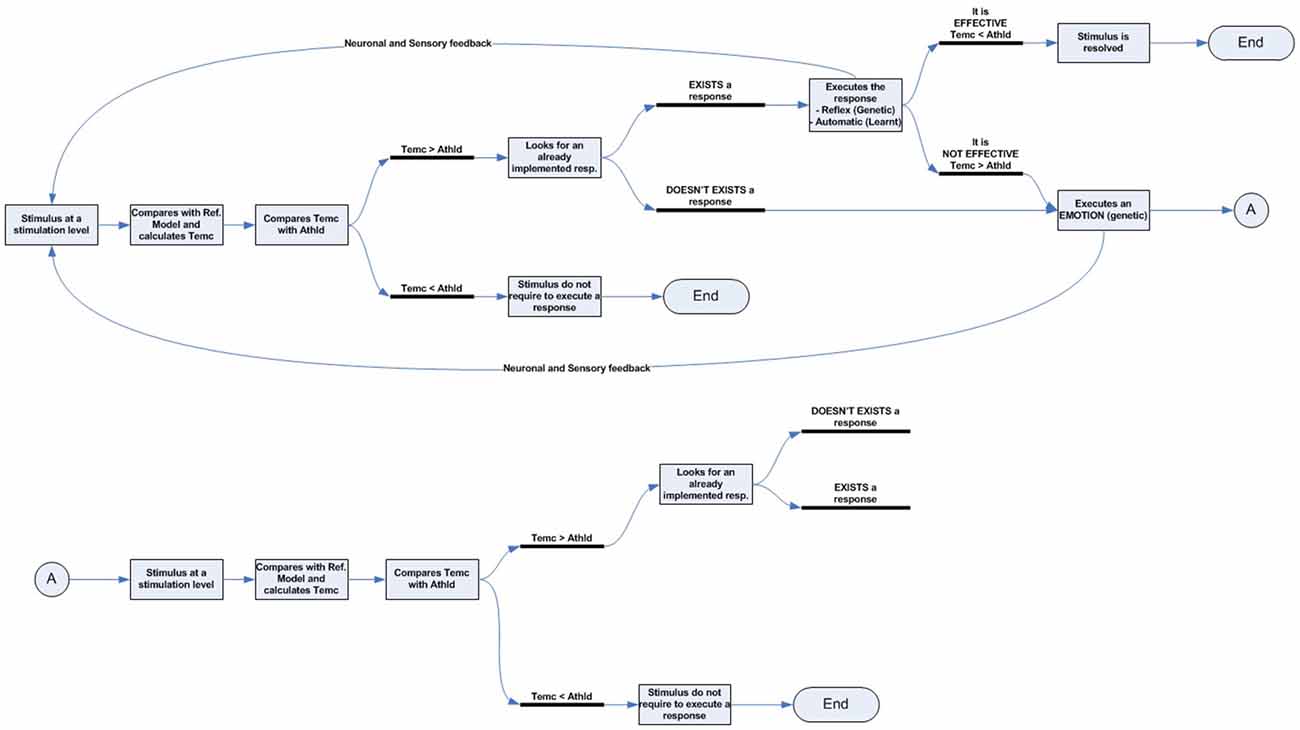
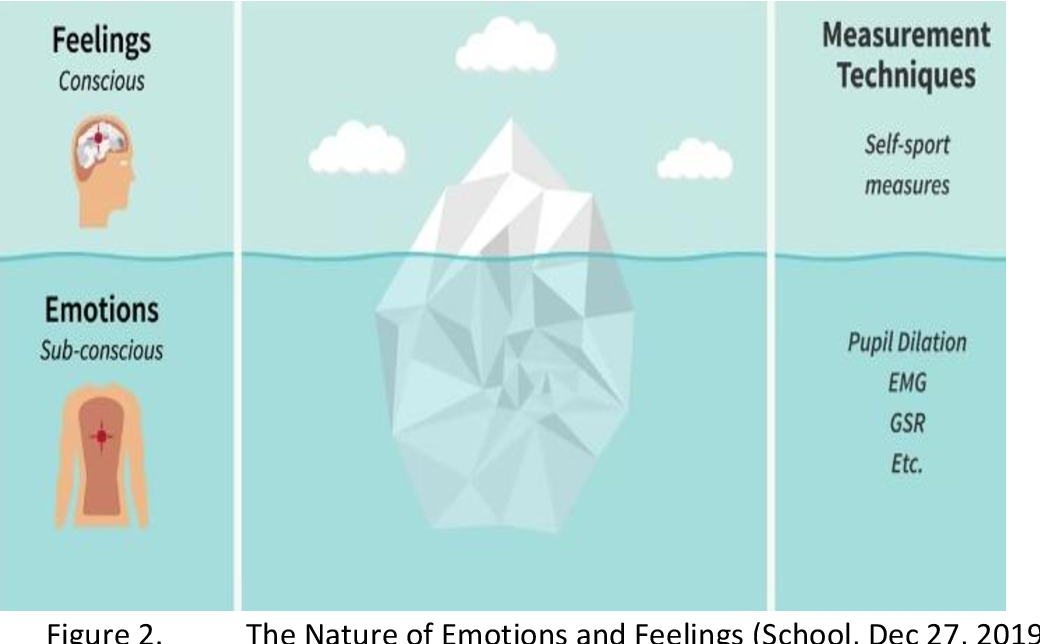
Furthermore, visual representations like the one above help us fully grasp the concept of Rationalizing Post-Decision Emotional Changes.
We tend to post-rationalise a decision which has in fact been made in an emotional and intuitive way, making it difficult to get to the bottom of whats driving a persons decisions. So what does this mean for generating insight into emotional decision making?

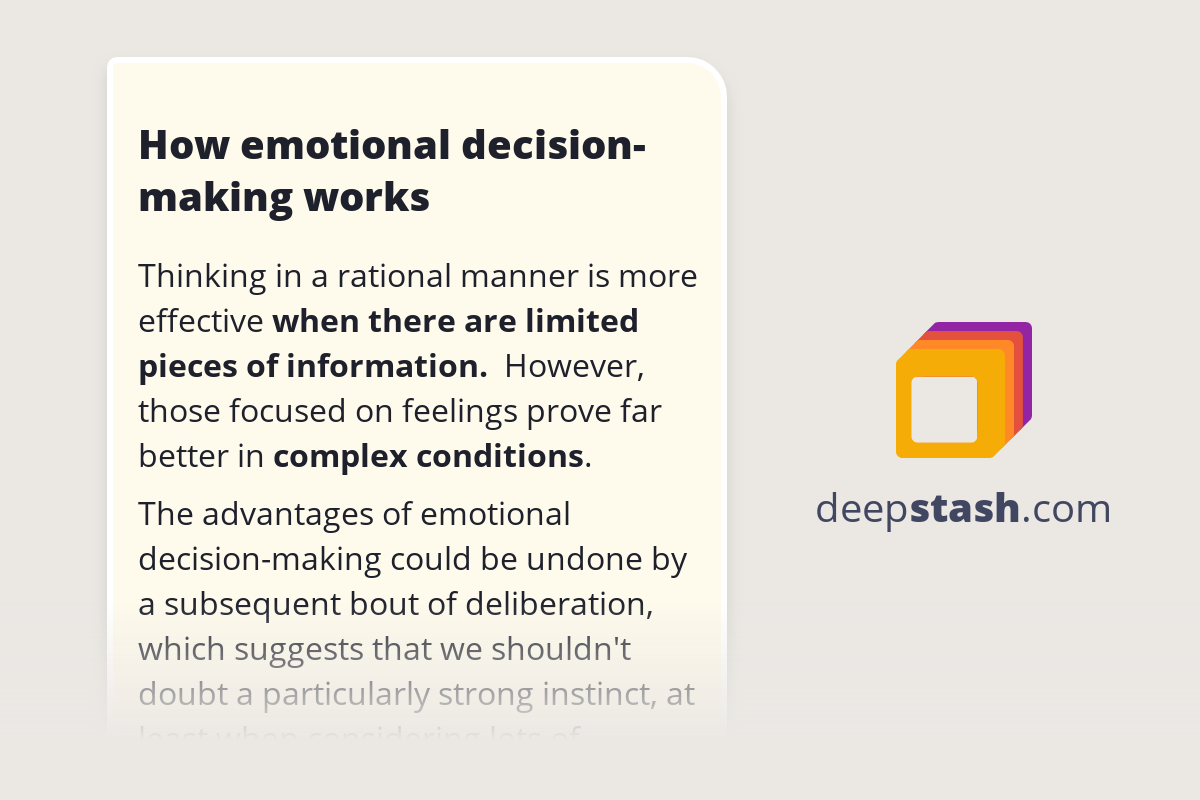
The document discusses the role of emotions in decision making. It notes that emotion is essential to decision making and that there are three brains - rational, experiential and emotional - that influence our decisions.The extent is individual. Blink Thin slicing. Post-rationalisation.
We make decisions based on emotions and then post-rationalize them.Data is tangible and disciplined. Humans are creative, messy, and prone to change. Data tells us about the past. It doesnt predict the future.