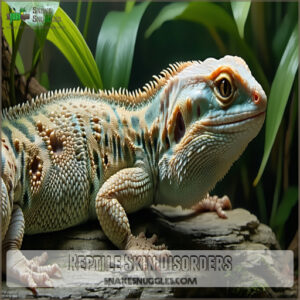
Skin of a sand lizard, showing squamate reptiles iconic scales. Reptilian skin is covered in a horny epidermis, making it watertight and enabling reptiles to live on dry land, in contrast to amphibians.
Reptilian skin is covered with scales forming armor that makes it watertight and enables reptiles to live on land in contrast to amphibians.
Reptile skin (integument) is comprised of two main layers, the epidermis and the dermis. Epidermis: characterized by complete covering of keratin (the same stuff that makes up mammalian hair and mammalian, avian, and reptilian nails/claws also makes up the plates we call "scales").
Reptilian skin is covered with scales forming armor that makes it watertight and. enables reptiles to live on land in contrast to amphibians.
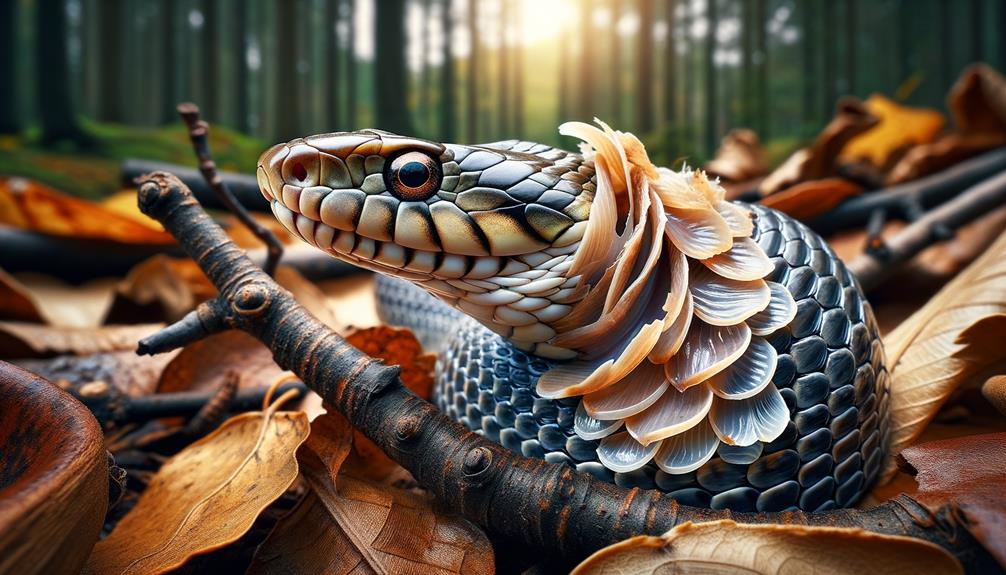
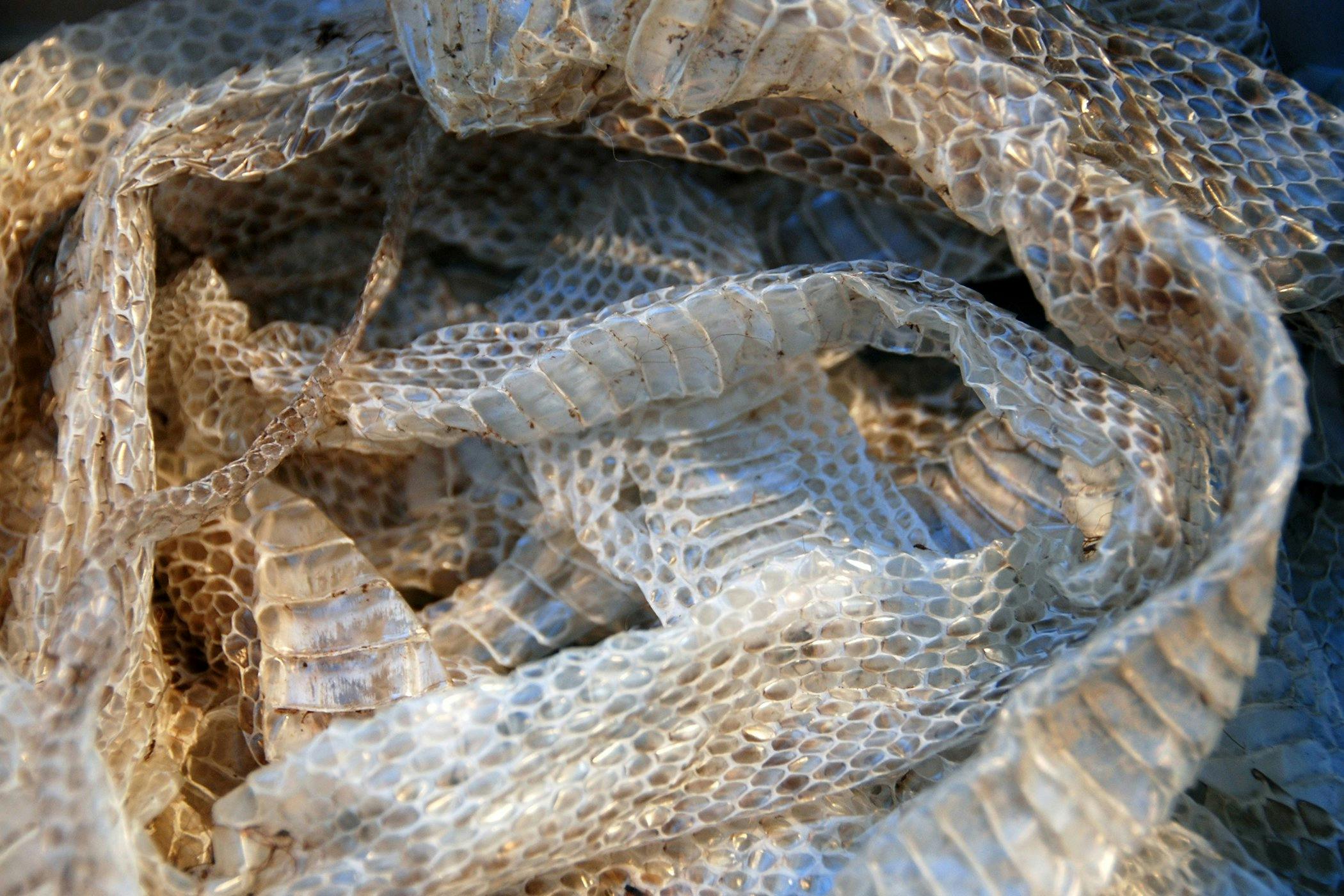
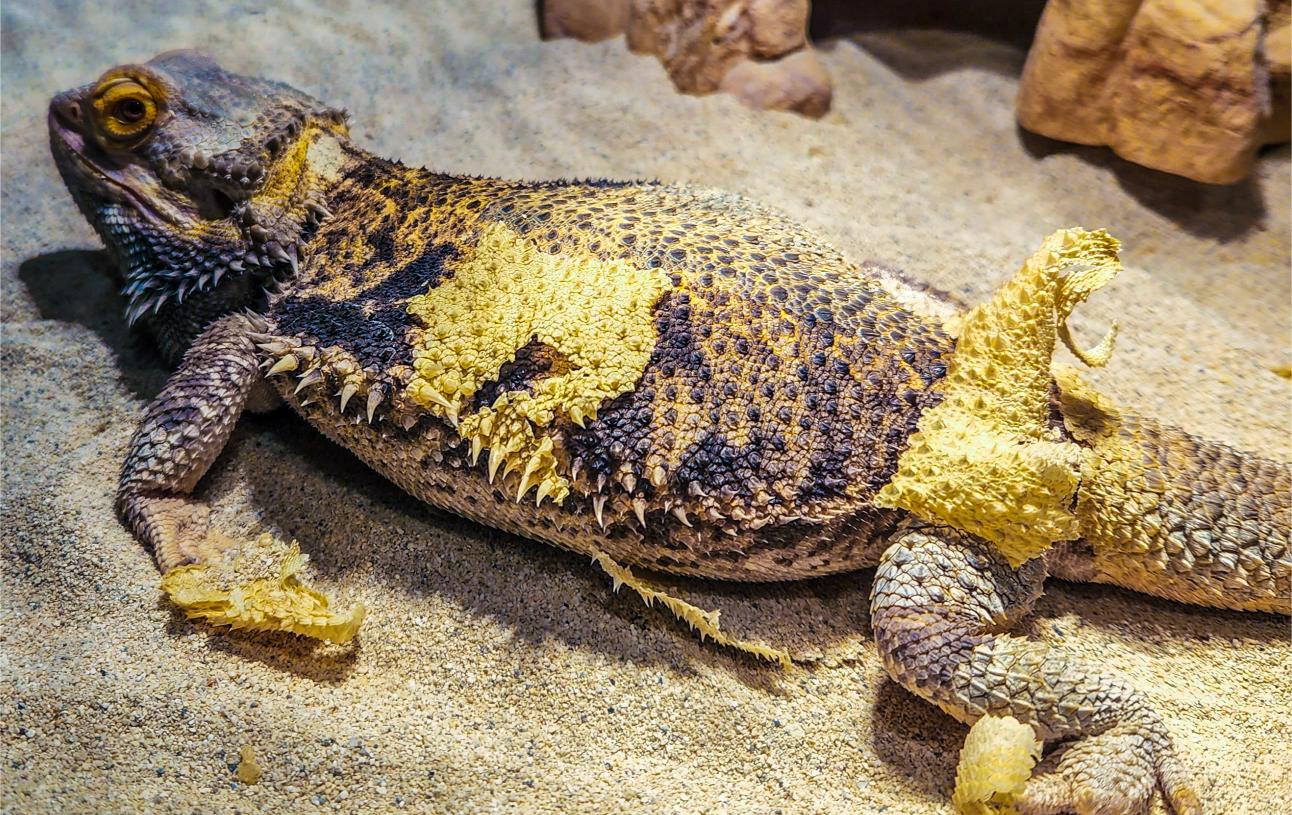
When the shed skin first lifts, and is pulled off by the shedding lizard, it is still hydrated, soft and flexible. If pieces of this are rescued before they dry out or become damaged, they can be used to gain a very crude approximation of the UVB transmission of that reptile's skin.

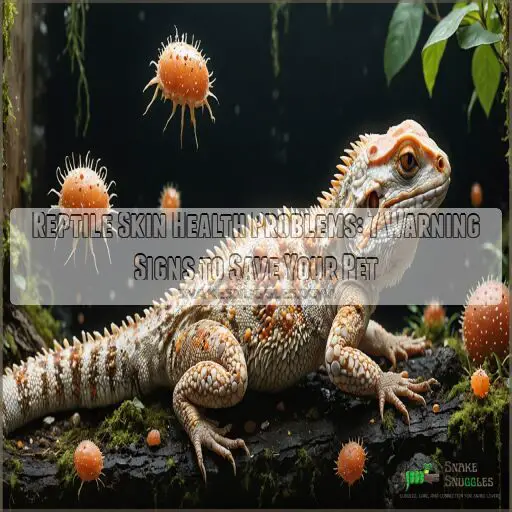
Moving forward, it's essential to keep these visual contexts in mind when discussing Reptile Skin Injury And Reptile Skin Shedding Symptoms.
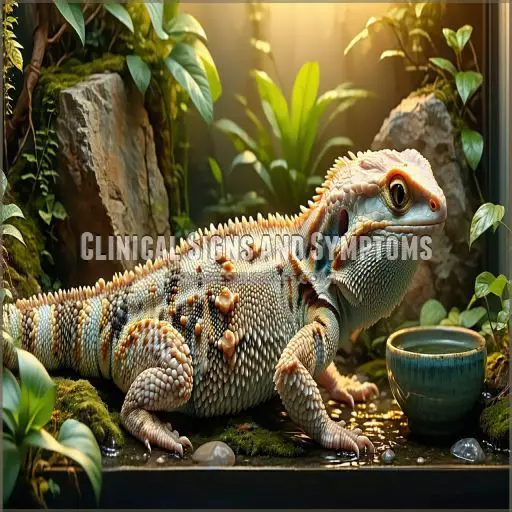
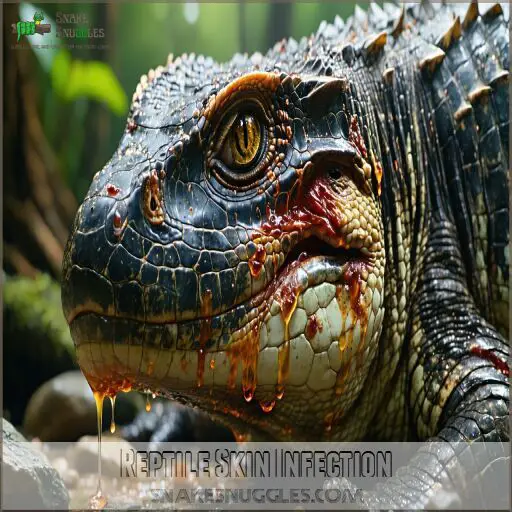
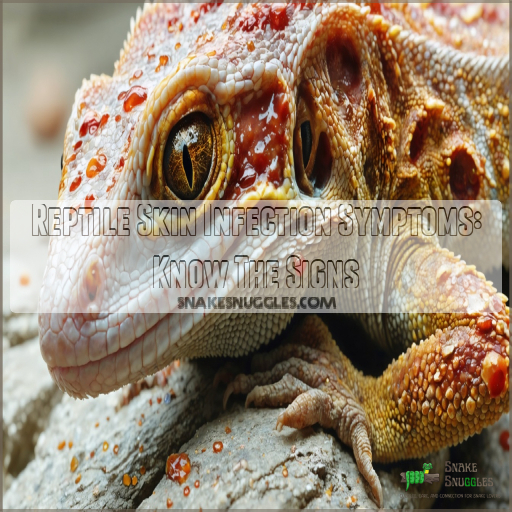
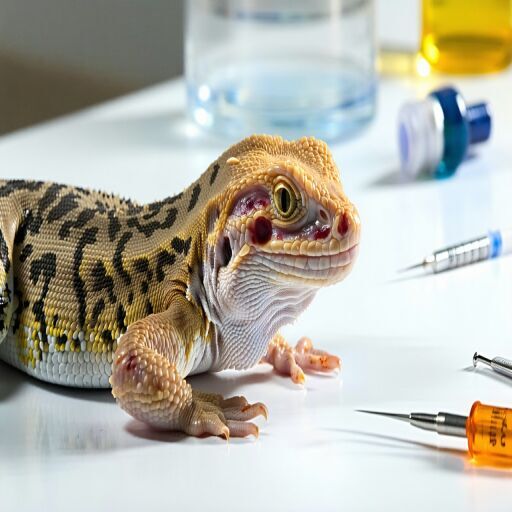
Signs of skin infections in reptiles include redness, swelling, pus, or crust on the skin. You might also notice changes in your pets behavior, such as lack of appetite or lethargy. If your reptile shows any of these signs, its essential to seek veterinary treatment promptly.