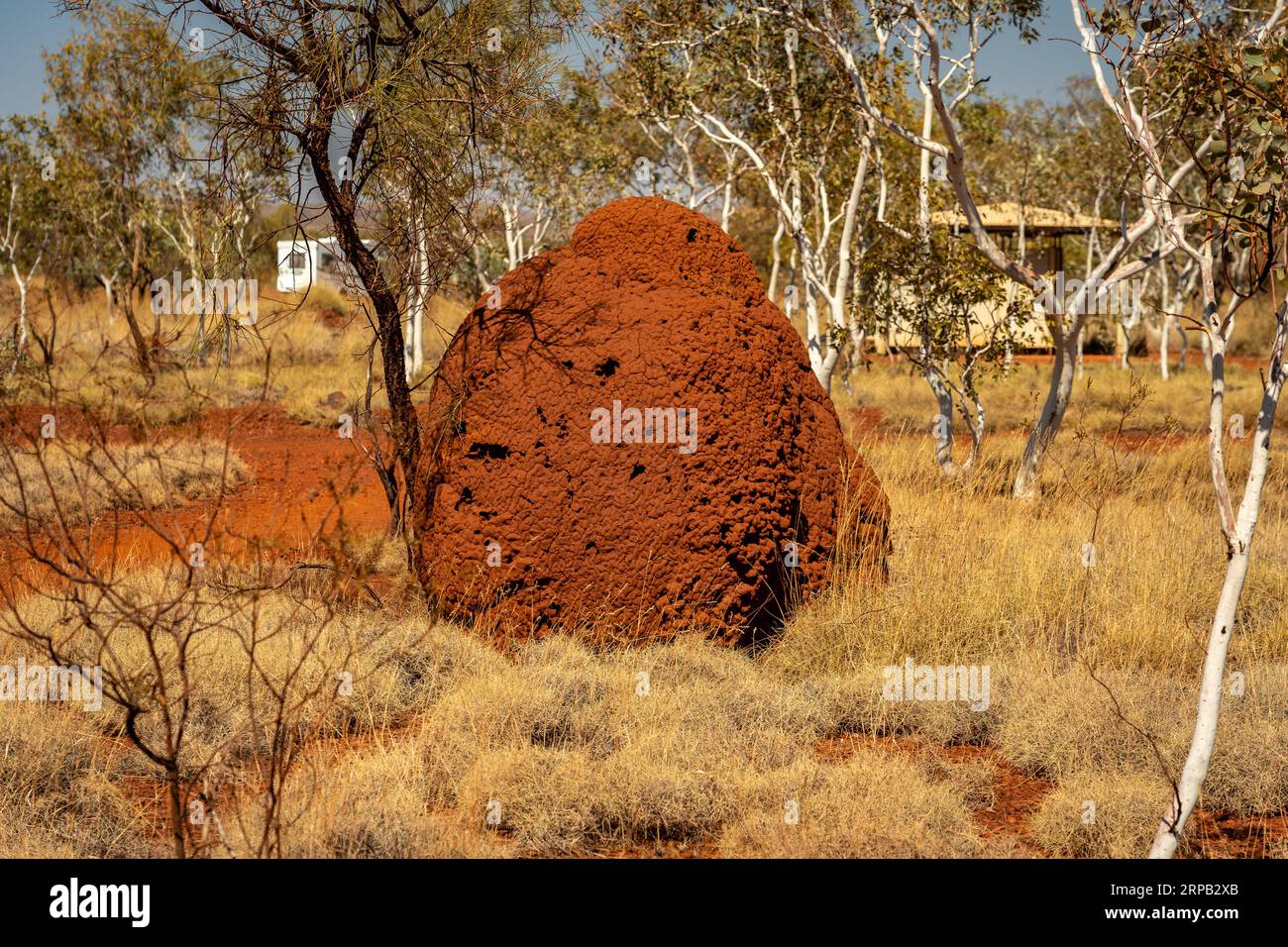
A staple of crickets and dubia works best, with other feeder insects (waxworms, mealworms, black soldier fly larvae, etc..) being offered as occasional treats. Termite Hill Geckos can handle insect feeders ranging from 0.25 to 0.75 inches, favoring ...
- For smaller-scale treatments, costs can be as low as $135, whereas more extensive extermination projects may reach up to $1,390. Despite common misconceptions, certain animals that might seem like they would enjoy termites as part of their diet actually do not. For example, crickets, squirrels, roaches, and many other smaller animals or insects typically do not target termites as a food source. While many animals naturally prey on termites, relying solely on them for termite control in a home setting is not advisable.

As we can see from the illustration, Scaly Prey Termite Hill Preferences has many fascinating aspects to explore.
The idea that termites might spy on the vibrational cues of ants, was investigated by an Australian team of researchers working mostly with Coptotermes acinaciformis (pictured above) and the meat ant (Iridomyrmex purpureus).3 Their field work showed that, when they found ants and termites beneath the same timber monitors, they were always separated by a thin clay wall, usually no more than a few millimetres thick. In these situations, the meat ants only found their termite prey after they were disturbed by the researchers.


Moving forward, it's essential to keep these visual contexts in mind when discussing Scaly Prey Termite Hill Preferences.