Learn which temperatures are unsafe for dogs, which breeds are most vulnerable, and how to spot signs of cold stress before it becomes dangerous.
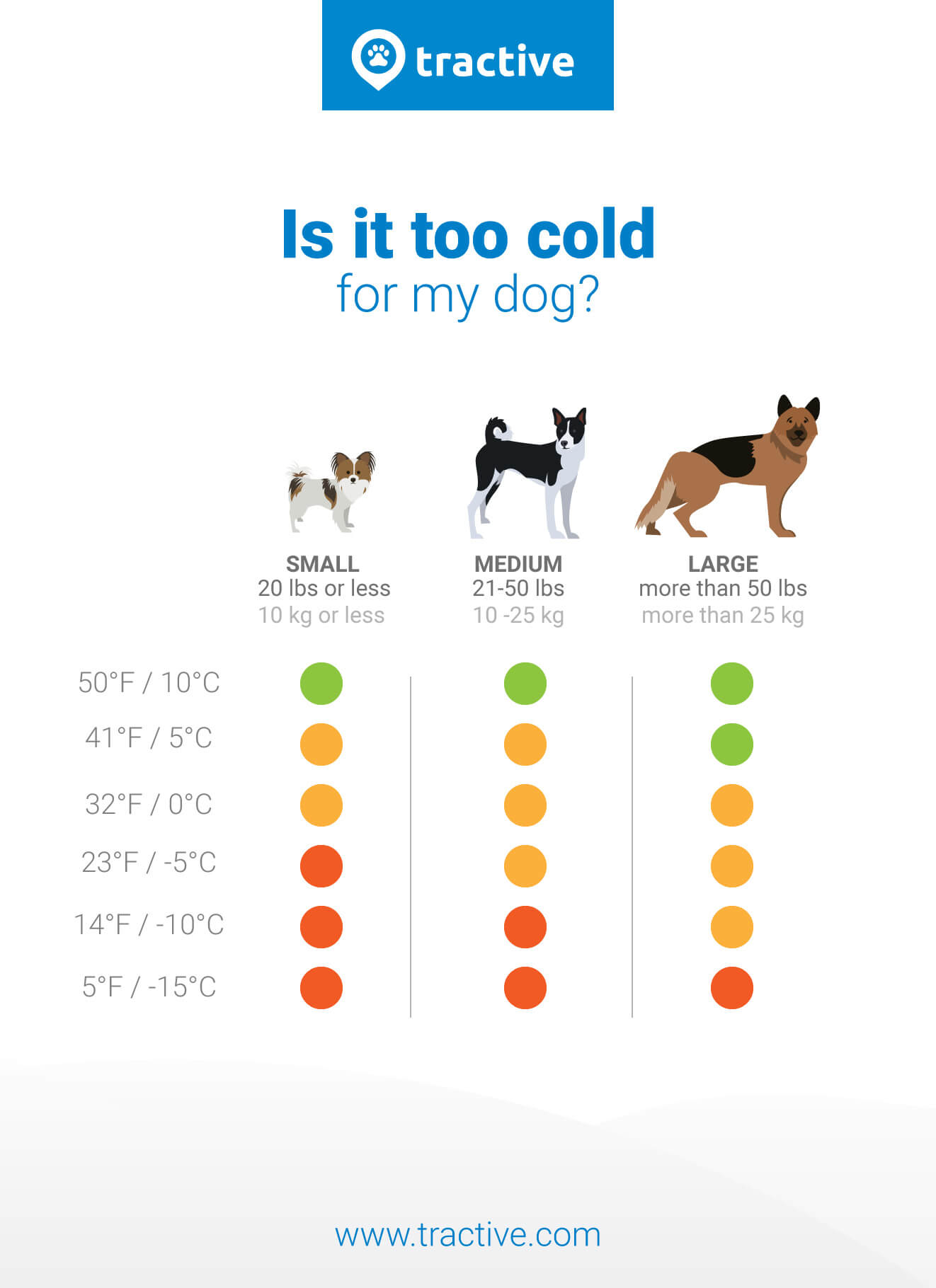
Small, short-haired dogs may start to feel uncomfortable below 45F (7C), while larger, thick-coated breeds can often tolerate temperatures much lower. Always observe your dogs behavior for signs of cold stress, regardless of the temperature.
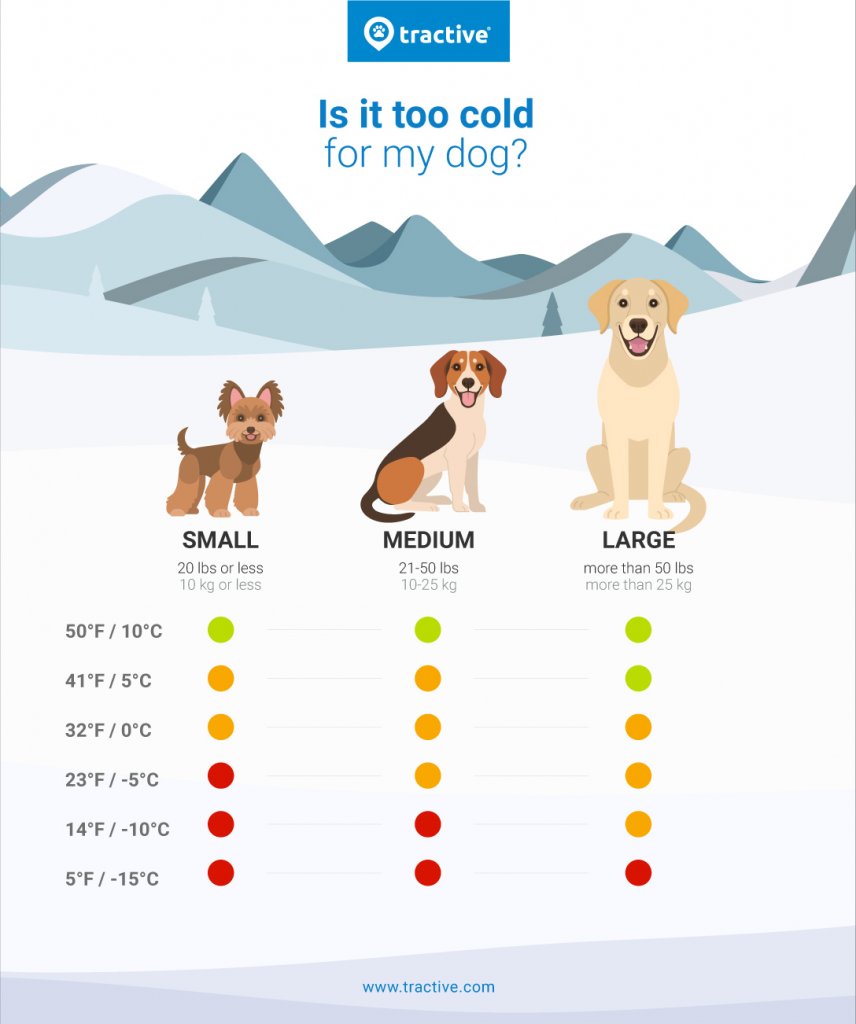
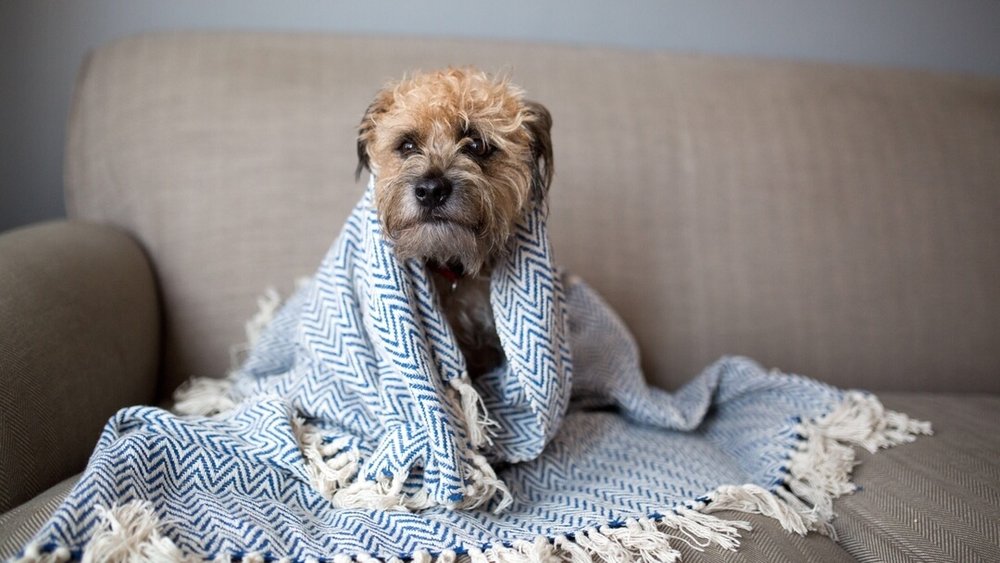
This particular example perfectly highlights why Small Dog Warning Signs Of Cold Stress is so captivating.
Dogs may not show signs immediately, but affected areas can appear pale or bluish and feel cold or brittle. Later, they turn red, swollen, and black as the tissue dies. Prevention is the most important tool. Adjusting routines and using proper gear can significantly reduce cold stress risks.
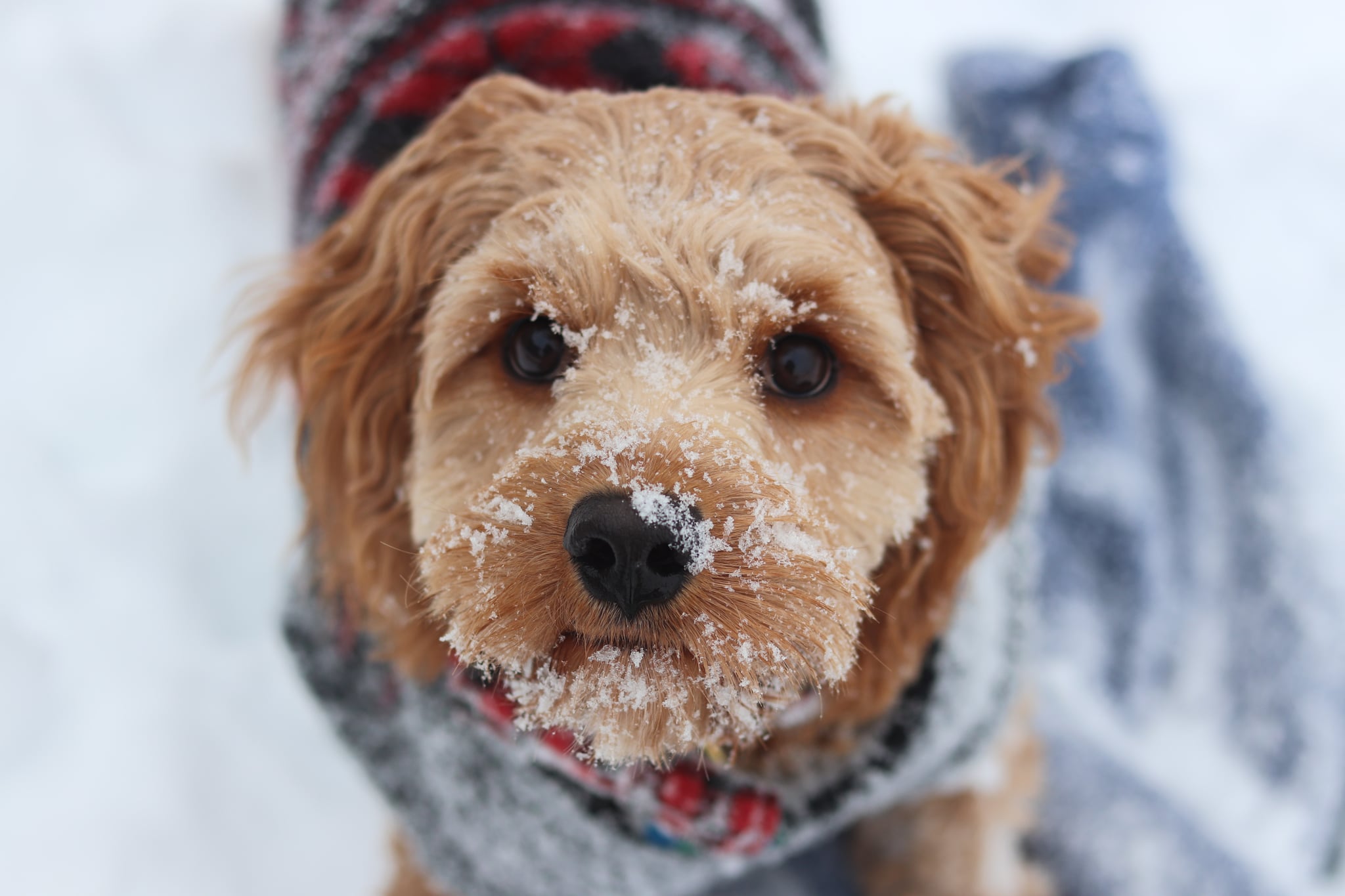
This particular example perfectly highlights why Small Dog Warning Signs Of Cold Stress is so captivating.
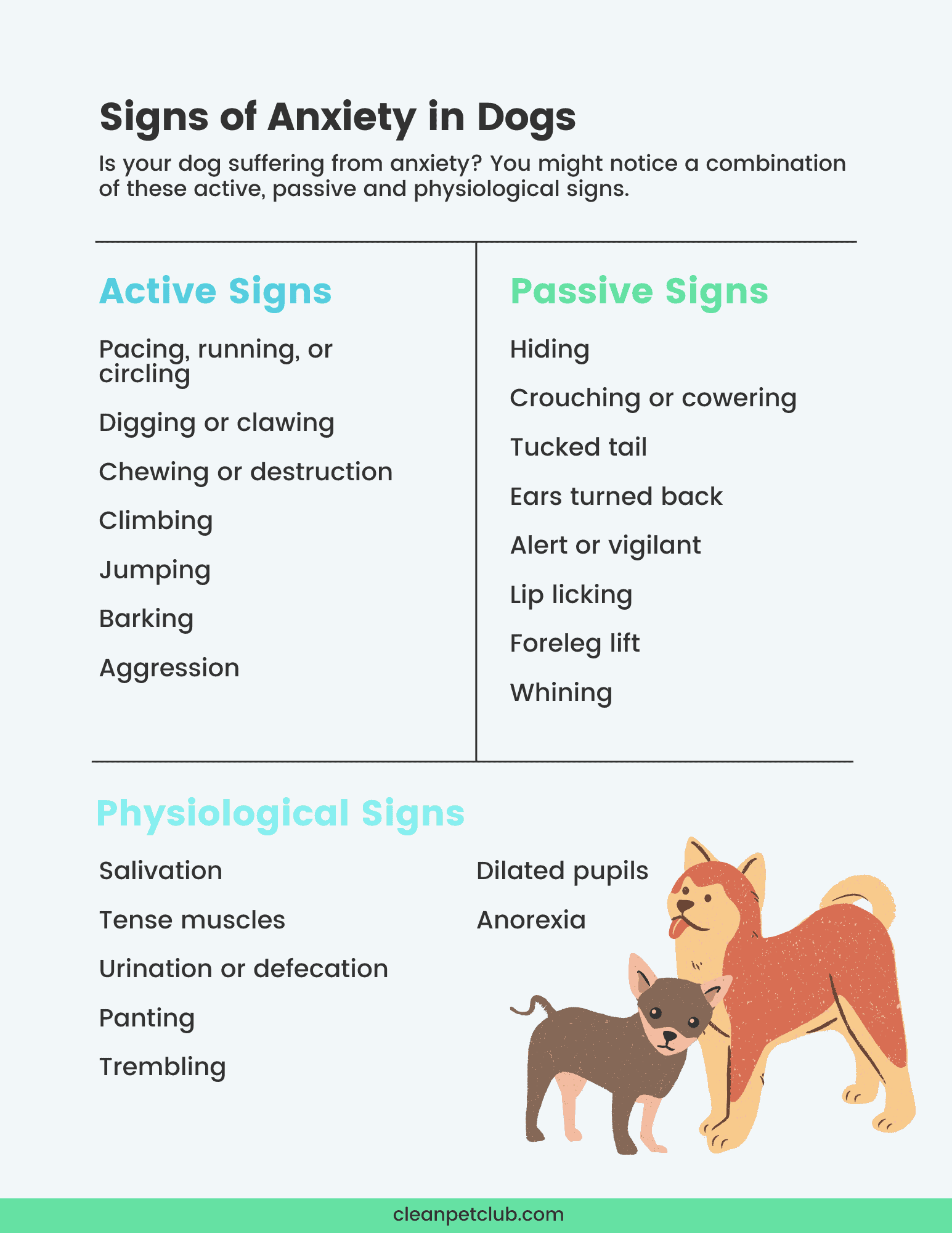
The signs of cold stress can vary depending on the individual dog, but common signs include shivering, whining, or pacing back and forth. Other signs may include a slow metabolism, lethargy, or a lack of appetite. If you suspect your dog is experiencing cold stress, its crucial to take action to warm them up and provide a comfortable ...

Furthermore, visual representations like the one above help us fully grasp the concept of Small Dog Warning Signs Of Cold Stress.
Be vigilant for signs of cold stress in your dog, which can include shivering, lethargy, or actively seeking shelter. If you notice any of these symptoms, its essential to bring your dog inside immediately and provide warmth.
Cold tolerance varies by dog, but temperatures below 32F are risky for most pets, especially small or short-coated breeds. Watch for shivering, paw lifting, or anxious behavior as early signs that your dog is getting too cold.