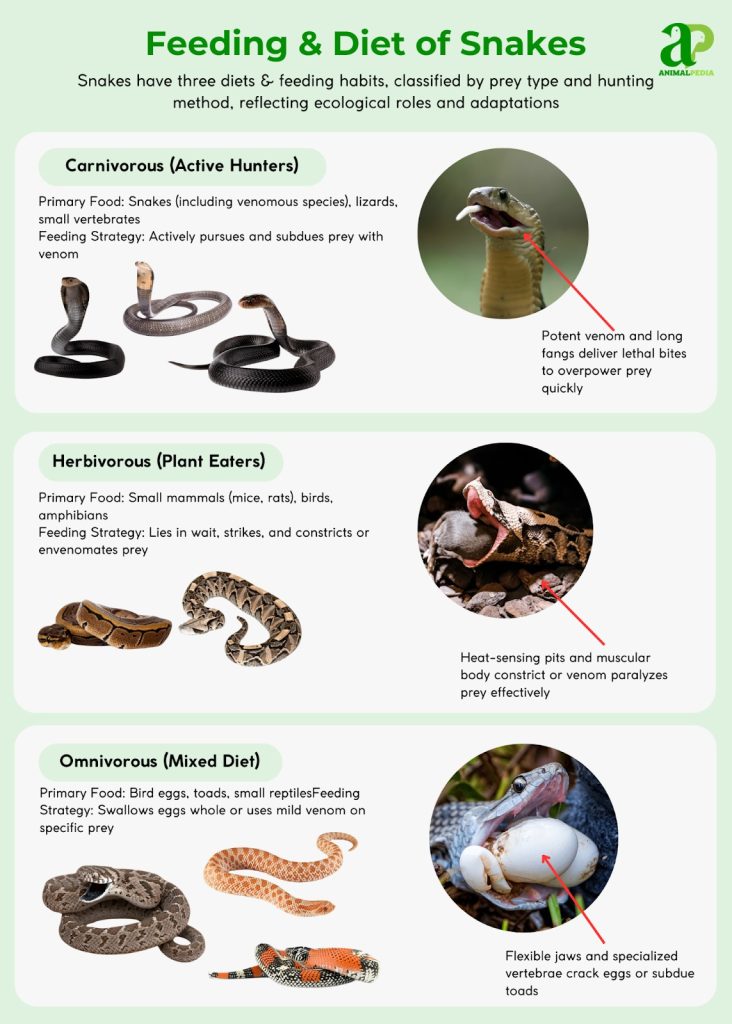
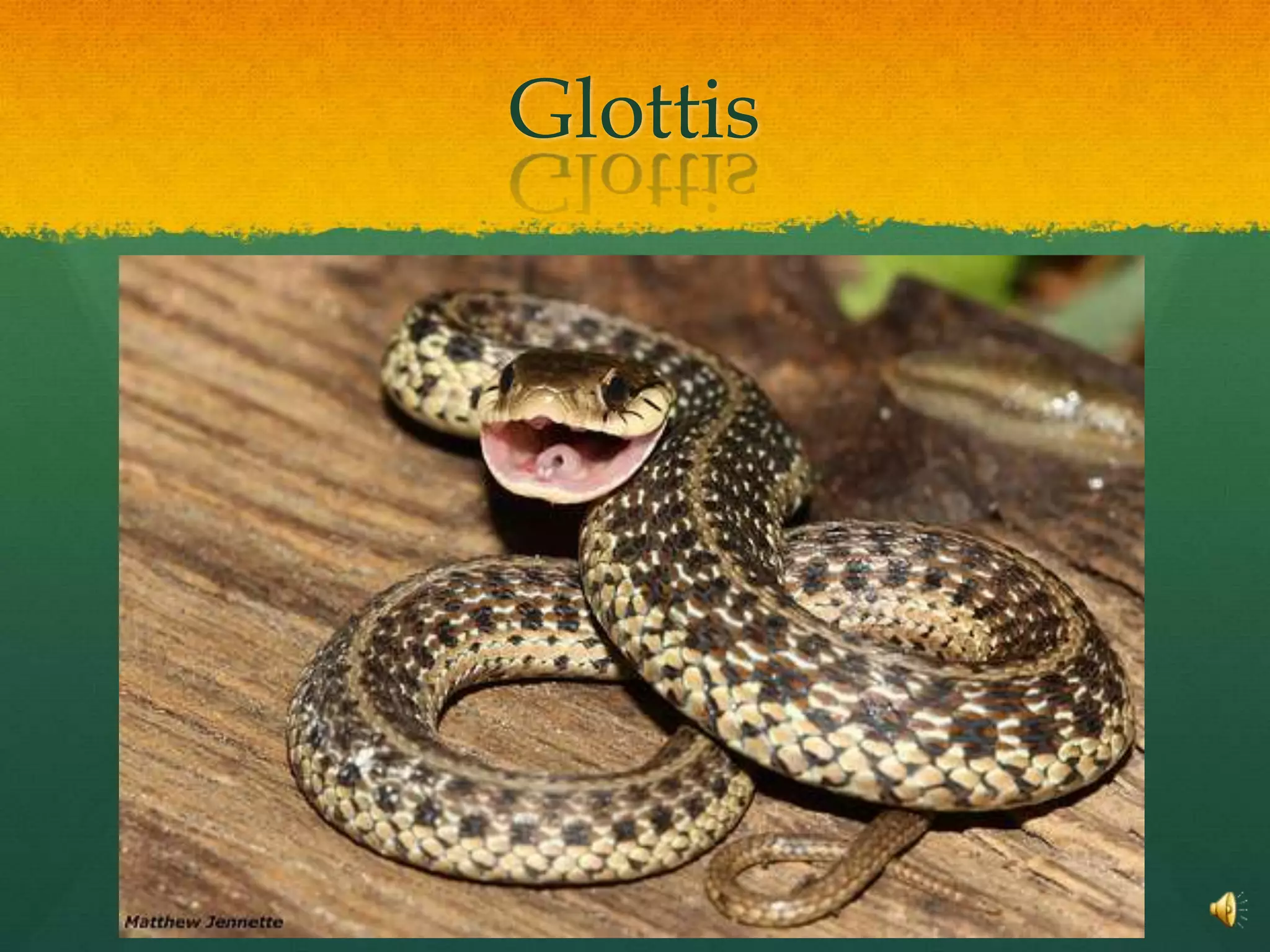
Understanding how snakes feed and what they eat provides insight into their ecology and behavioral patterns. This section lays the groundwork for what encompasses the dietary habits of snakes, showcasing the varied preferences and ecological significance tied to their feeding strategies.
Learn snake feeding habits: diet, hunting strategies, prey size, feeding frequency, and care tips for healthy captive snakes. Essential guide for owners.

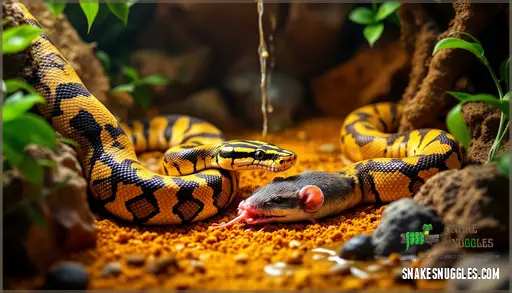
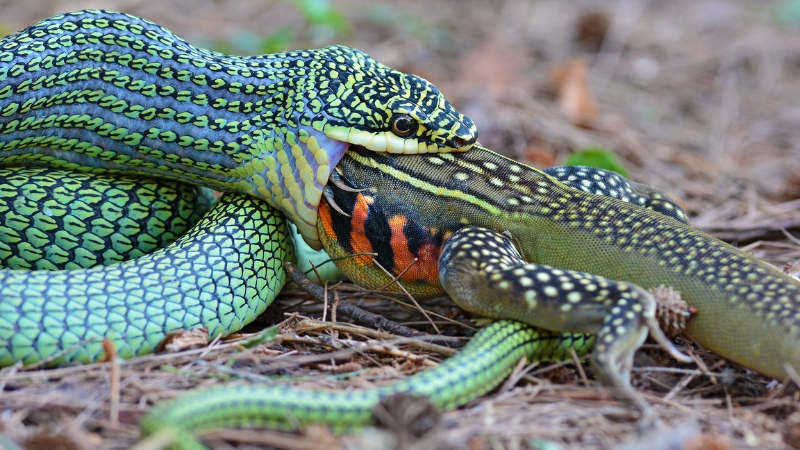
As we can see from the illustration, Snakes Feeding Behaviors And Patterns has many fascinating aspects to explore.
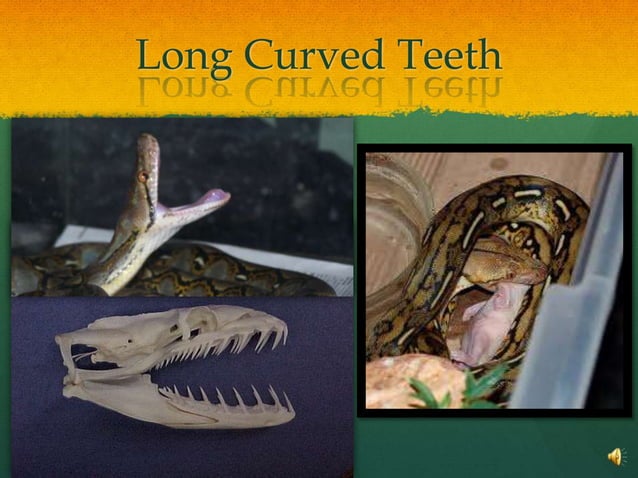
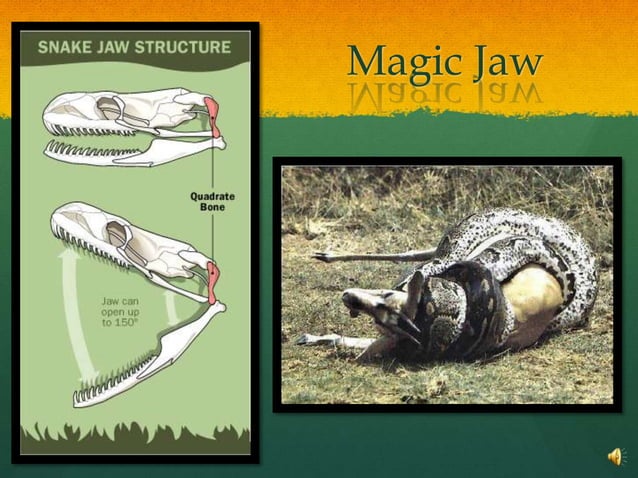
The idea that the feeding system in most snakes is adapted for consuming relatively large prey is supported by studies on anatomy and functional morphol-ogy. Moreover, because snakes are considered to be gape-limited predators, studies of head size and shape have shed light on feeding adaptations.

Furthermore, visual representations like the one above help us fully grasp the concept of Snakes Feeding Behaviors And Patterns.
This article covers the key feeding behaviors to observe, what they communicate about your snake's condition, species-specific behavioral patterns, and how to use feeding observations as a practical health monitoring tool.

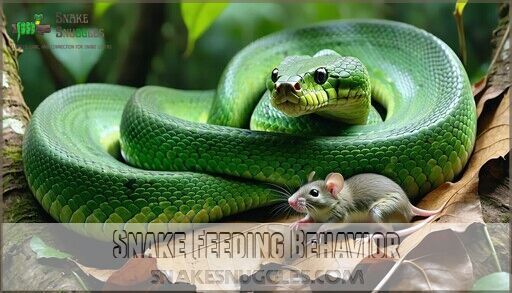
As we can see from the illustration, Snakes Feeding Behaviors And Patterns has many fascinating aspects to explore.
Snake evolution has given rise to an enormous variety of feeding habits, many of which are highly specialized and substantially different from the diets of other squamate reptiles (lizards).
What makes snakes so fascinating? A shorter introduction to snakesr diverse prey capture methods, their ability to live in many habitats, or their potential...
You can find some counterintuitive patterns, Jayne said.Despite the great diversity of feeding behavior among the worlds 3,000 snakes, it virtually always starts and ends the same way with an open-mouthed strike and swallowing the prey whole.