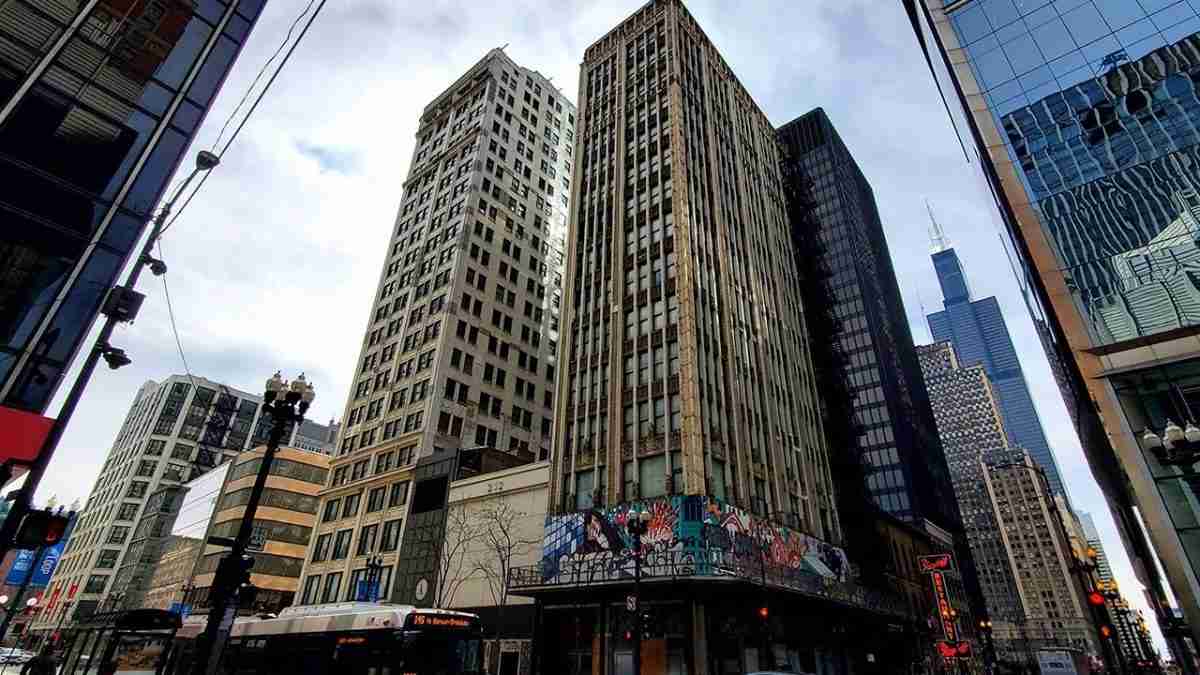
A skyscraper is a tall building with many habitable floors. Most modern sources define skyscrapers as being at least 100 metres (328 ft)[1] or 150 metres (492 ft)[2] in height, though there is no universally accepted definition, other than being very tall high-rise buildings.
These are the world's most historic skyscrapers ranked from youngest to oldest.But some of the other entries on this list are bound to surprise you. From humble beginnings to cloud-piercing pinnacles, this gallery showcases the world's most venerable skyscrapers.
Skyscraper Roof Design and Structural Innovation. The History of Skyscrapers: A Timeline of Architectural Milestones. Mixed-Use Skyscraper Concepts and Urban Development. What Does the Future Hold for Skyscraper Architecture?

Furthermore, visual representations like the one above help us fully grasp the concept of So Numerous Historic Skyscrapers.
Skyscraper History. Updated | Factmonster Staff.Skyscrapers are built to last, so they must be made of materials that are strong; durable; resistant to the sun, wind, rain, frost, and snow; and affordable.
Goldberger represents the best attempt at an overall skyscraper history, while Hitchcock and Johnson, Robinson and Bletter, Klotz, and Jencks are the best works on individual movements.

Piacentini Tower (now Terazza Martini Tower) - Genoa Europe's first 100m/328ft tall skyscraper. Designed by Marcello Piacentini and Angelo Invernizzi and completed in 1940, it stand at a roof height of 108 m with 31 floors.