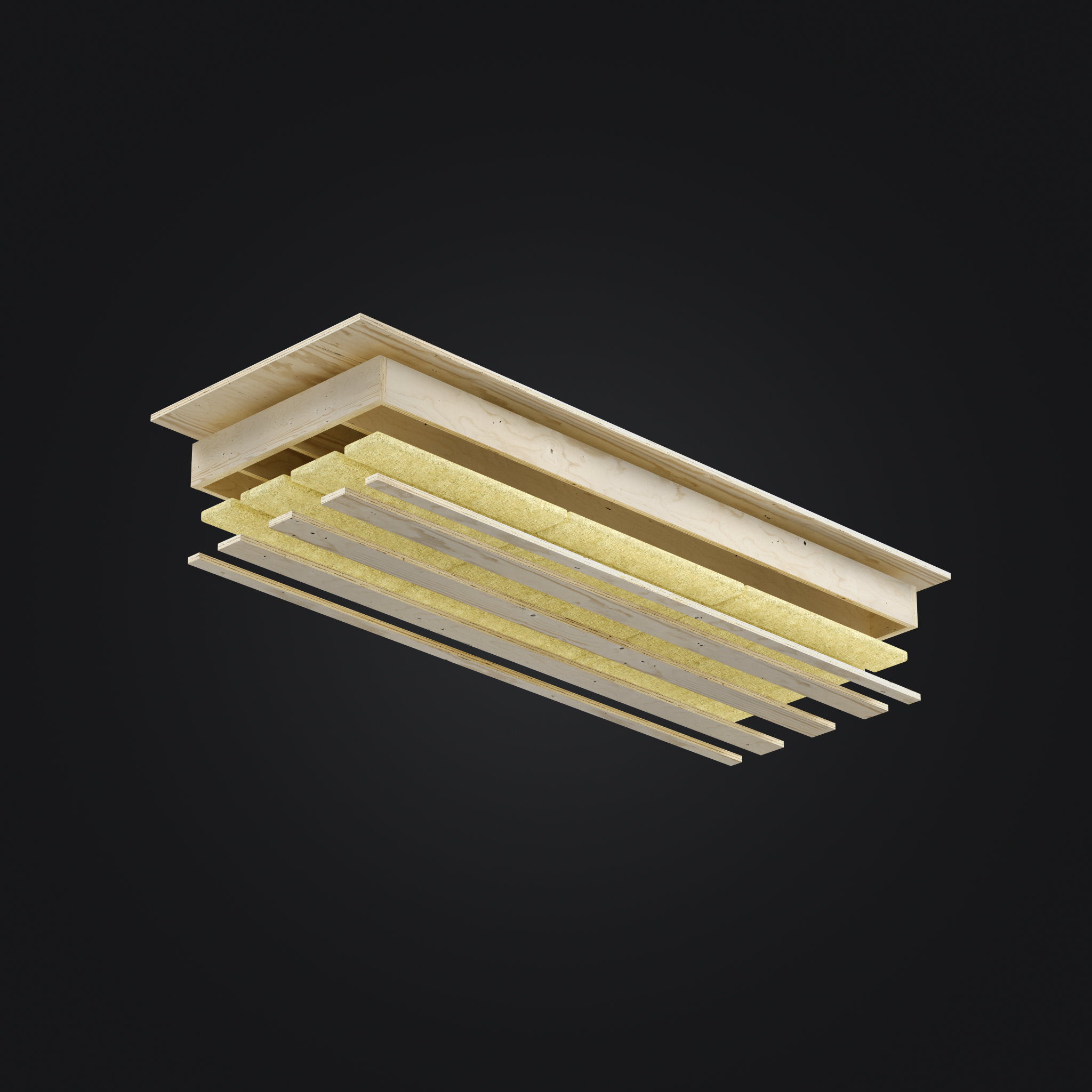
Some forms of Material Efficiency include increasing the life of existing products, using them more in entirety, re-using components to avoid waste, or reducing the amount of material through a lightweight product design.
To successfully adopt circular economy principles in the space sector, the authors note that advanced digital technologies, such as artificial intelligence, can help space companies improve resource efficiency, minimize waste, and maximize the reuse and life cycle of materials and spacecraft.

Material production accounts for a quarter of global greenhouse gas emissions. Here, the authors show that resource efficiency and circular-economy strategies can allow for cumulative emission reductions of 2052 Gt CO2-eq from residential buildings and 1326 Gt CO2e-eq from cars by 2050. We describe a comprehensive set of scenario parameters of baseline service provision and material efficiency potentials for two of the major contributing sectors to greenhouse gas emissions and other environmental impacts: residential buildings and private vehicles. What are some forms of material efficiency? Some forms of Material Efficiency include increasing the life of existing products, using them more in entirety, re-using components to avoid waste, or reducing the amount of material through a lightweight product design. Minimizing waste is a factor in material resource efficiency. How can material efficiency reduce the impact of material consumption? Increasing Material efficiency can reduce the impacts of material consumption. Some forms of Material Efficiency include increasing the life of existing products, using them more in entirety, re-using components to avoid waste, or reducing the amount of material through a lightweight product design. Why is material efficiency important? By designing products that use less material or can be easily repaired or remanufactured, we can extend the life cycle of the product. This not only reduces the environmental impact of the product but can also lead to cost savings for businesses. One example of material efficiency in action is the reuse of materials in manufacturing. How can material efficiency contribute to a circular economy? Material efficiency can contribute to a circular economy and capturing value in the industry. Some companies have applied the circular economy theory to design strategies and business models to close material loops. The variations in regional data highlight the influence of local building practices and materials on space efficiency, while the overall trends demonstrate the feasibility of achieving and even exceeding the 75% target.


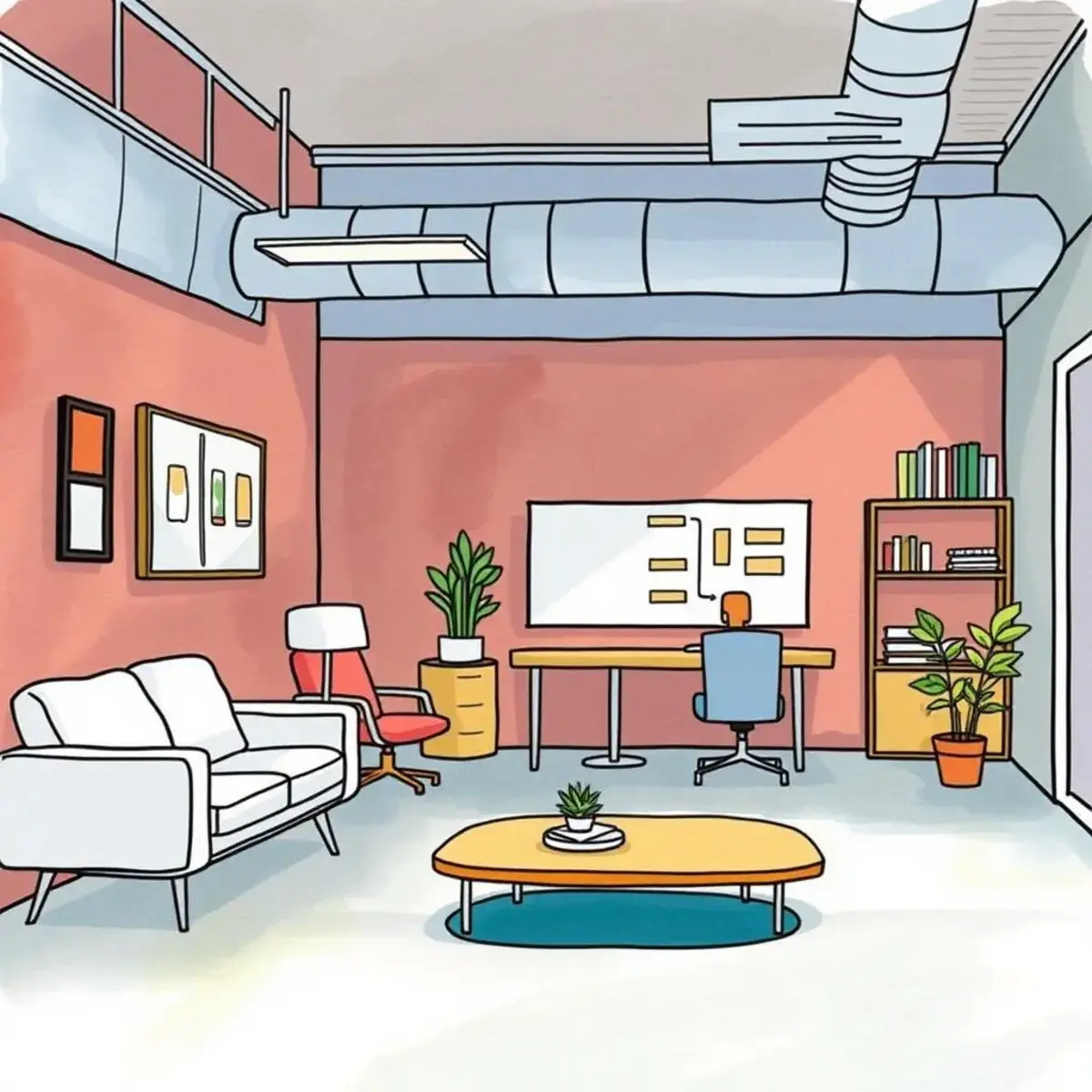
Furthermore, visual representations like the one above help us fully grasp the concept of Space And Material Efficiency.