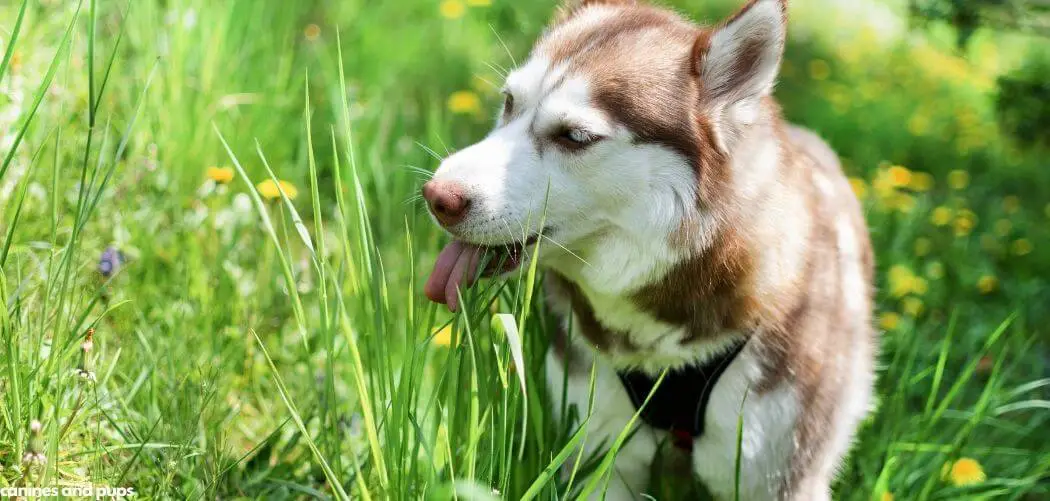
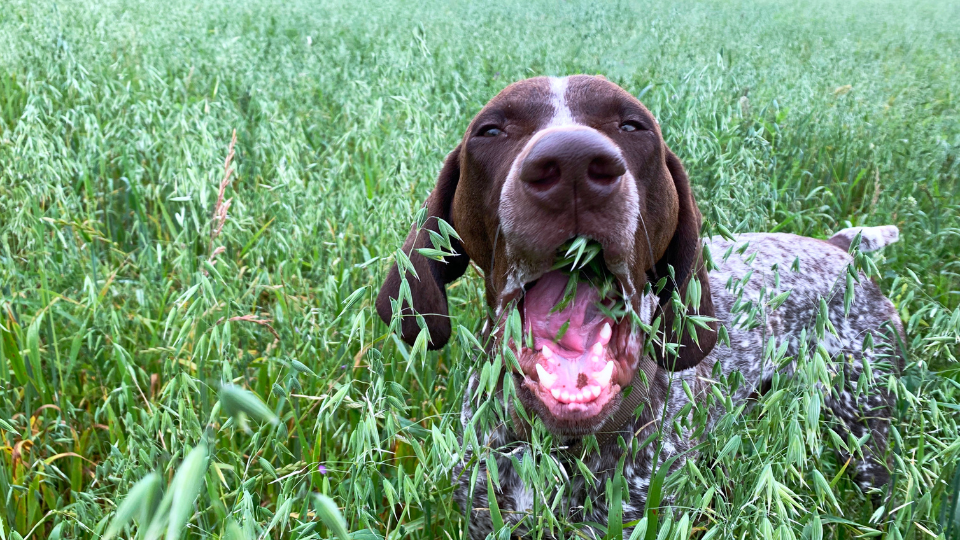
Dogs may eat grass frequently for various reasons, including mild digestive discomfort, boredom, or simply because they enjoy the taste or texture. While occasional grass eating is common, frequent consumption might indicate an underlying digestive issue that should be evaluated by a veterinarian.
If a dog suddenly starts eating grass excessively, it often suggests acute stomach upset or nausea. Some dogs also eat grass due to dietary deficiencies, boredom, or anxiety, but sudden intense behavior is more likely linked to digestive discomfort.
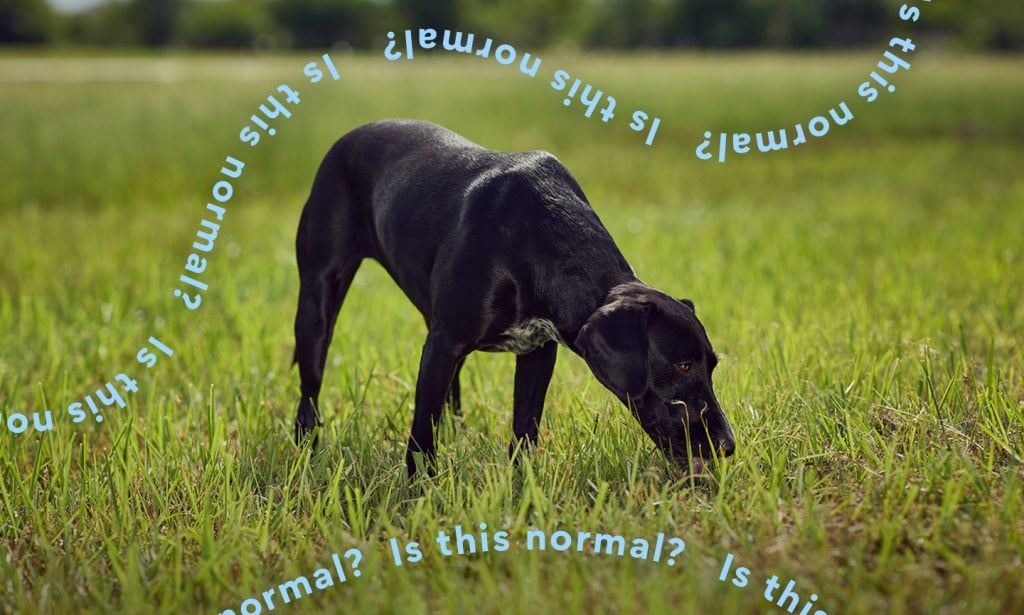
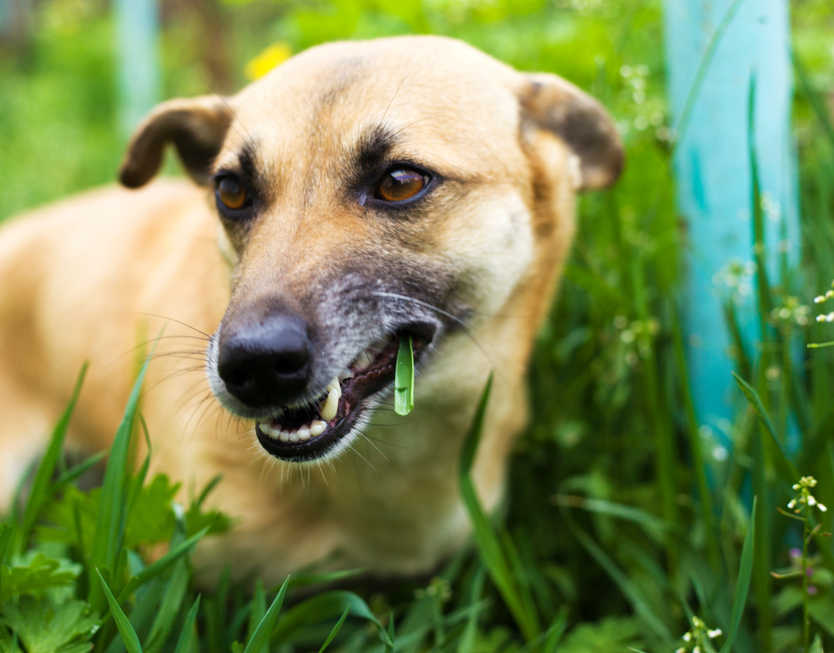
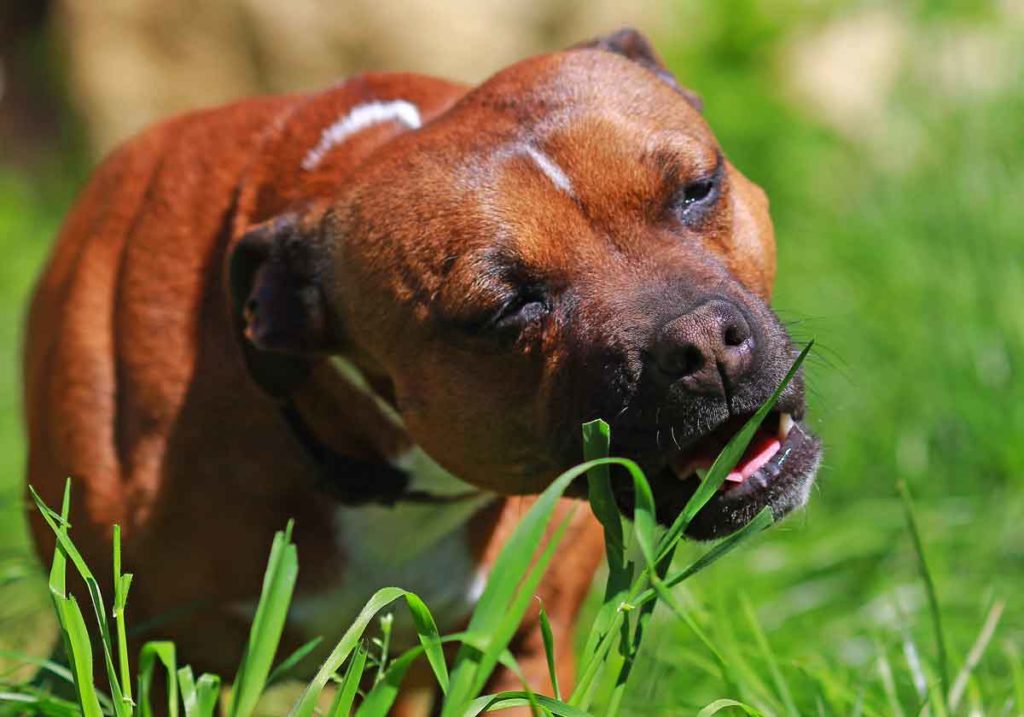
Eating grass in small amounts is normal, and there are many reasons why a dog might decide to eat grass. Here are seven of the most common reasons for you to consider if you see your pooch eating grass.
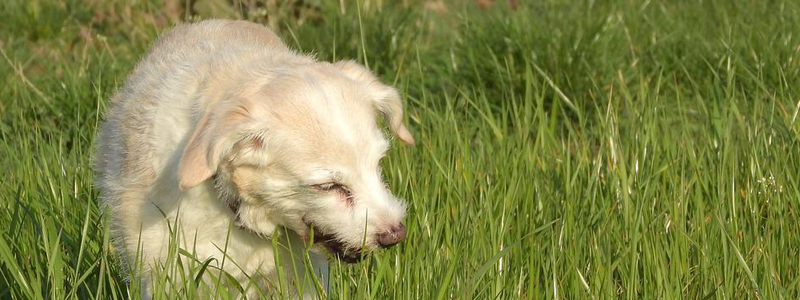
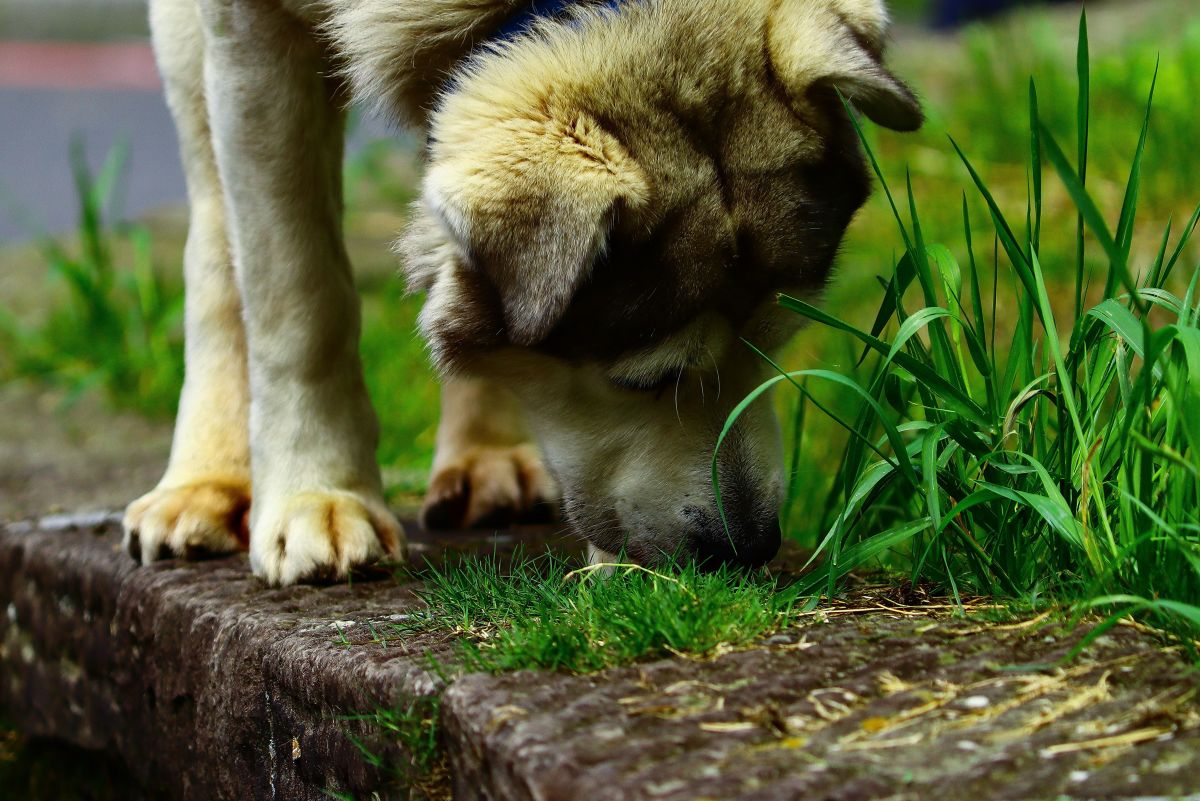
Furthermore, visual representations like the one above help us fully grasp the concept of Stomach Pain In Dogs Eating Pasture Grass Frequently.
What if my dog eats grass and vomits and not eating? It could indicate a range of underlying issues, from simple digestive upset to more serious health conditions; prompt veterinary consultation is strongly recommended to diagnose the cause and begin appropriate treatment.
This particular example perfectly highlights why Stomach Pain In Dogs Eating Pasture Grass Frequently is so captivating.
If you notice your dogs stomach is gurgling after eating grass, its usually nothing to worry about. A gurgling belly (scientifically known as borborygmi) is typically just a normal part of digestion and is simply food, water, and gas moving through your dogs digestive tract.