Kidney stones in cats can be a painful and serious condition. Learn about the causes, symptoms, diagnosis, and treatment options to help your furry friend.
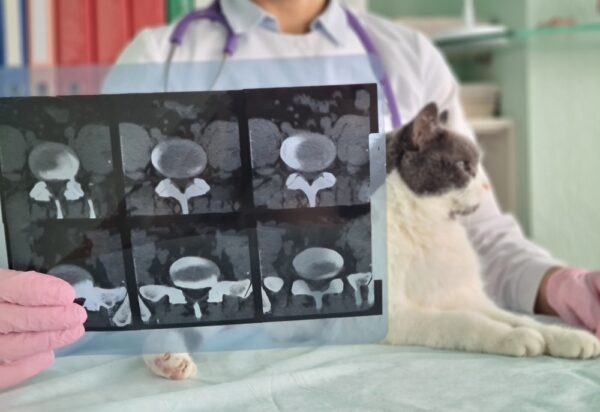
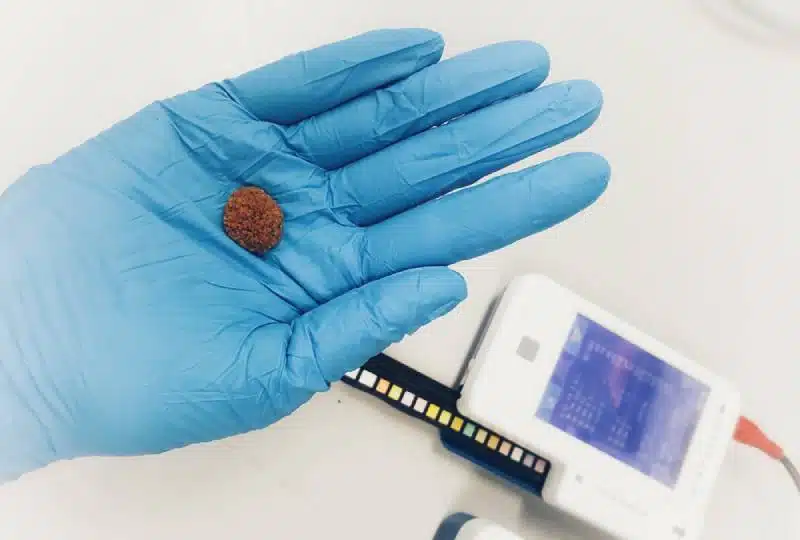
Kidneys are important filters for your cats bloodstream, removing toxins by putting them into urine. Vitamins, blood sugar (glucose), hormones, and many other important components are re-circulated into the body after filtering. The kidneys flow urine into the bladder through tubes called ureters. Once urine fills the bladder, it flows out of the ... See full list on greatpetcare.com Bladder stones and kidney stones are made of the same minerals and occur for the same reasons. However, these two types of stones do not necessarily occur together. Only 15 percent of cats with stones in the kidneys have bladder stones. Bladder stones are much more common, composing over 90 percent of all stones found in the urinary system. The sym... See full list on greatpetcare.com Kidney stones do not often cause symptoms in cats. When symptoms occur, it is usually because a kidney stone is trying to pass out of the kidney down the ureterwhich in humans is described as excruciatingly painful. Your cat may experience symptoms because they have kidney disease, and just happens to have stones as well. Kidney stones can cause: ... See full list on greatpetcare.com Most of the time, kidney stones are diagnosed when cats arent even experiencing symptoms. X-ray is the most common way, but ultrasound can also detect kidney stones. Physical examination is important to look for symptoms of kidney stones, or other medical conditions that could explain symptoms. Baseline blood work is necessary to check for kidney ... See full list on greatpetcare.com There are a few main ways to handle kidney stones in cats: No treatment. Most kidney stones do not cause symptoms in cats. If the stones remain the same size and quantity, and your cat does not have symptoms, there is no need to treat. However, no treatment does not mean ignoring the issue. Routine monitoring is important. Speak with your veterinar... See full list on greatpetcare.com Cat kidney stones largely cannot be prevented, especially since veterinarians do not fully understand why cats form them. Once your cat is diagnosed with kidney stones, most cats will develop more stones even if the stones are all dissolved or removed at one point. If your cat is diagnosed with kidney stones, a few things pet parents can do to prev... See full list on greatpetcare.com You can spot the warning signs of feline leukemia virus, also known as FeLV, if you know what to look for. When the disease is detected early enough, you may even be able to take steps to lengthen the life of your cat. This guide provides a clear, vet-reviewed overview of both early and advanced FeLV signs in cats, empowering you to recognize potential warning signs and take appropriate action for your feline companions health. Kidney cancer, also called renal cancer, occurs when the healthy cells in your cats kidneys grow out of control and become abnormal. Learn the possible causes, symptoms, treatment and some frequently asked questions. Unfortunately, nephroliths often do not show any signs (are asymptomatic) and may only be discovered incidentally while evaluating for other health problems or concerns. If there are any signs,... Kidney disease in cats is common, especially in senior cats. Kidney disease can be caused by underlying medical conditions, acute injury, or genetic disorders; however, in many cases the cause is unknown.

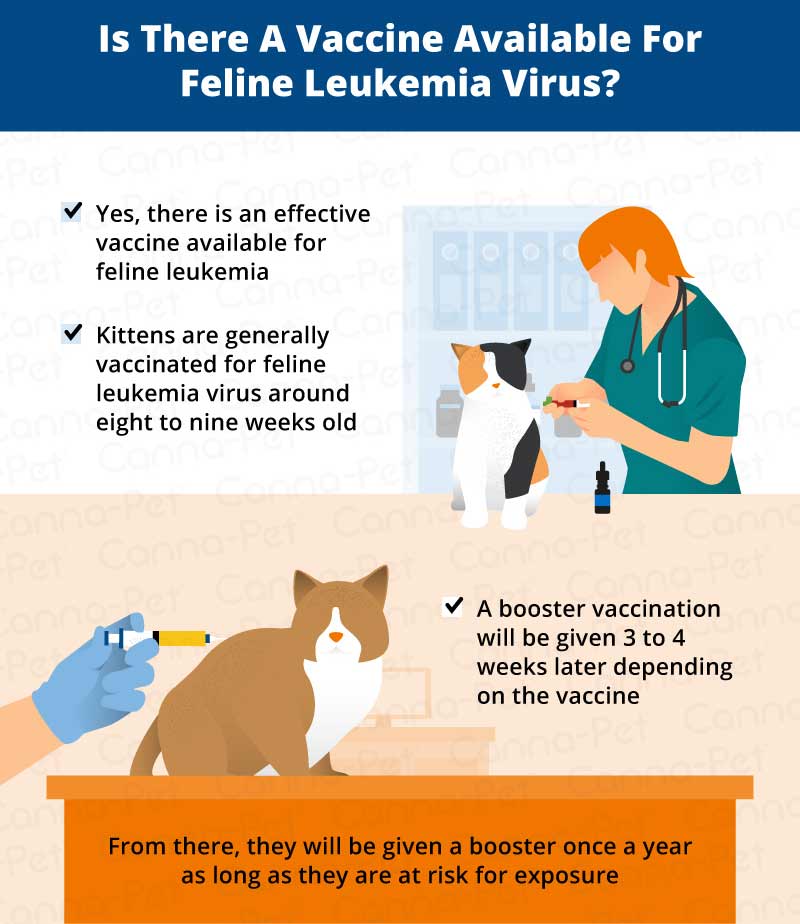
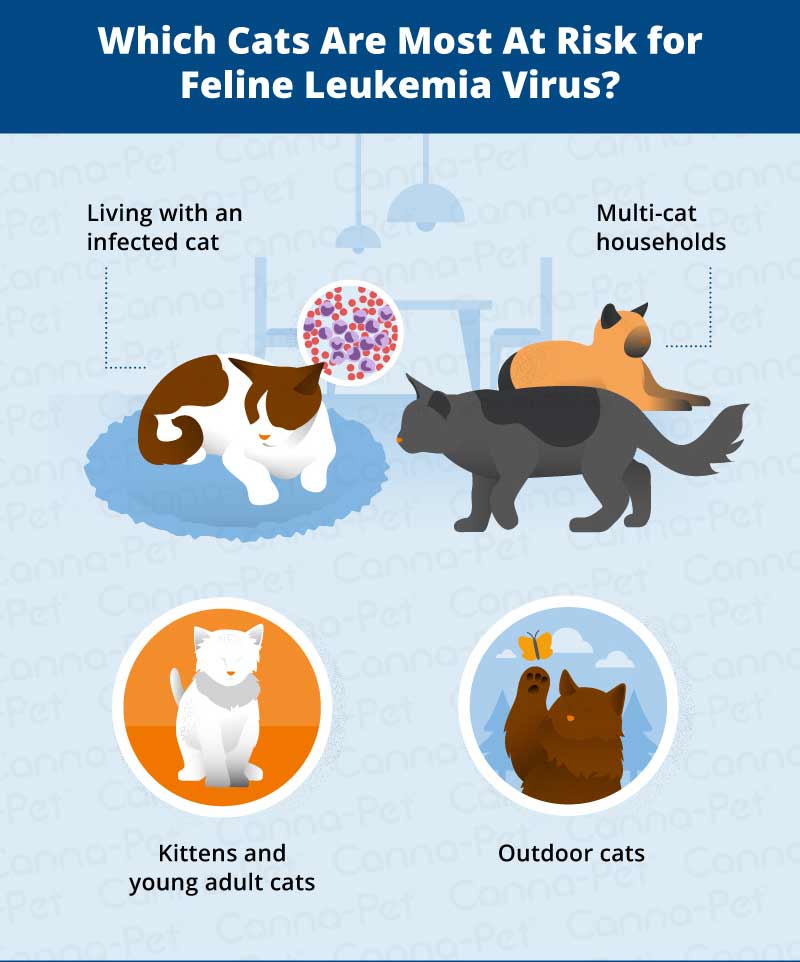
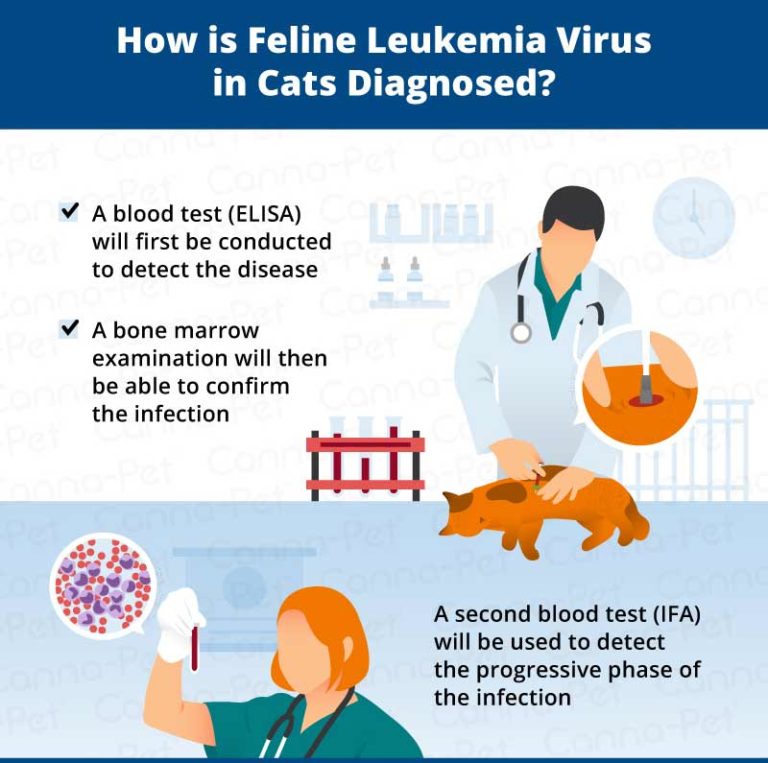
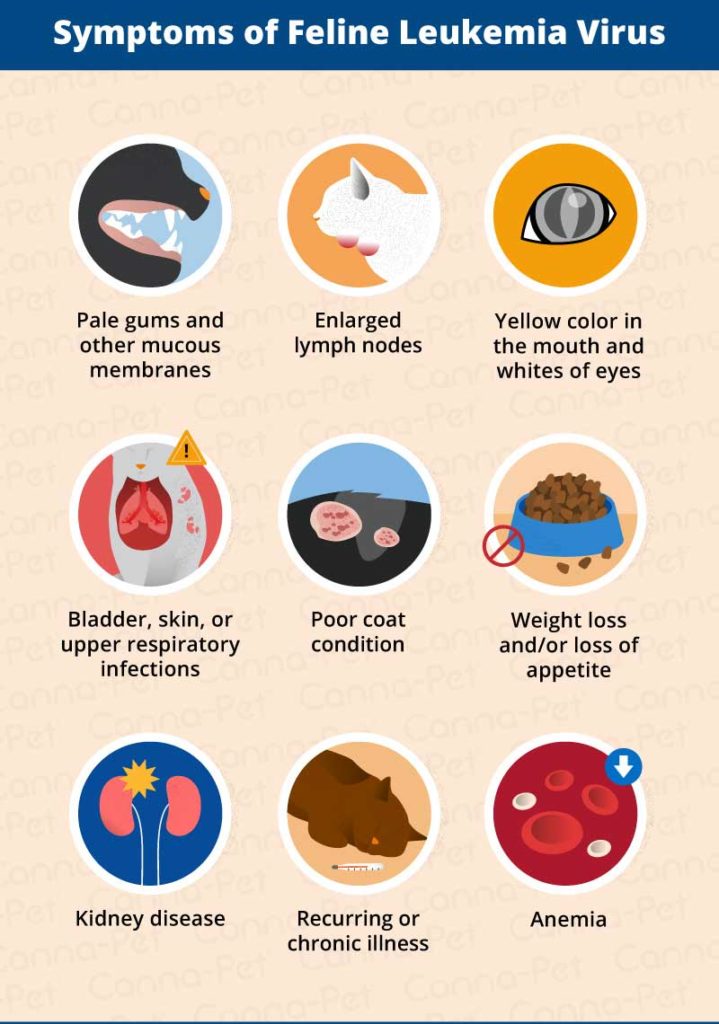
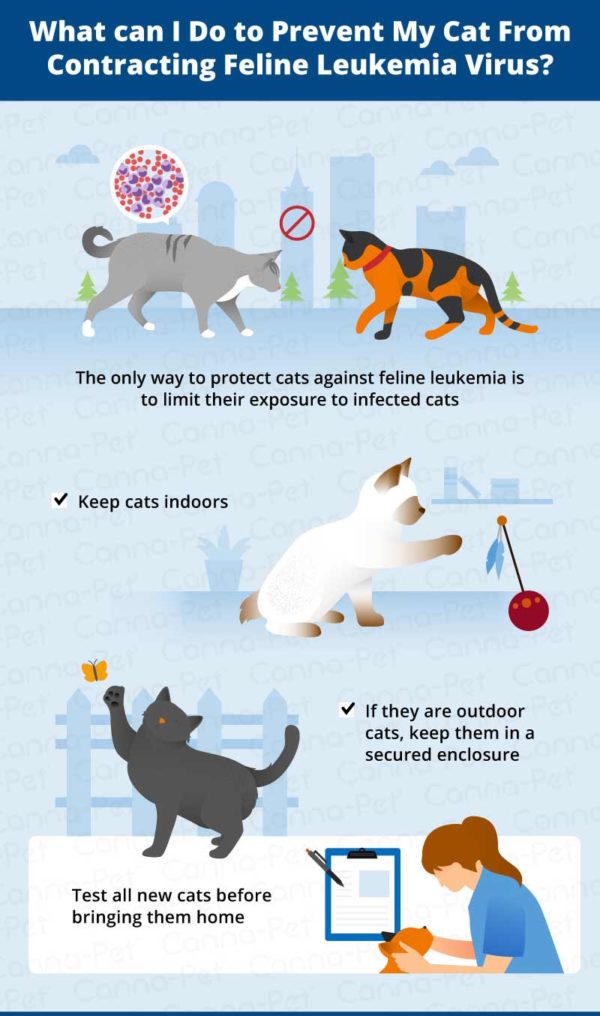
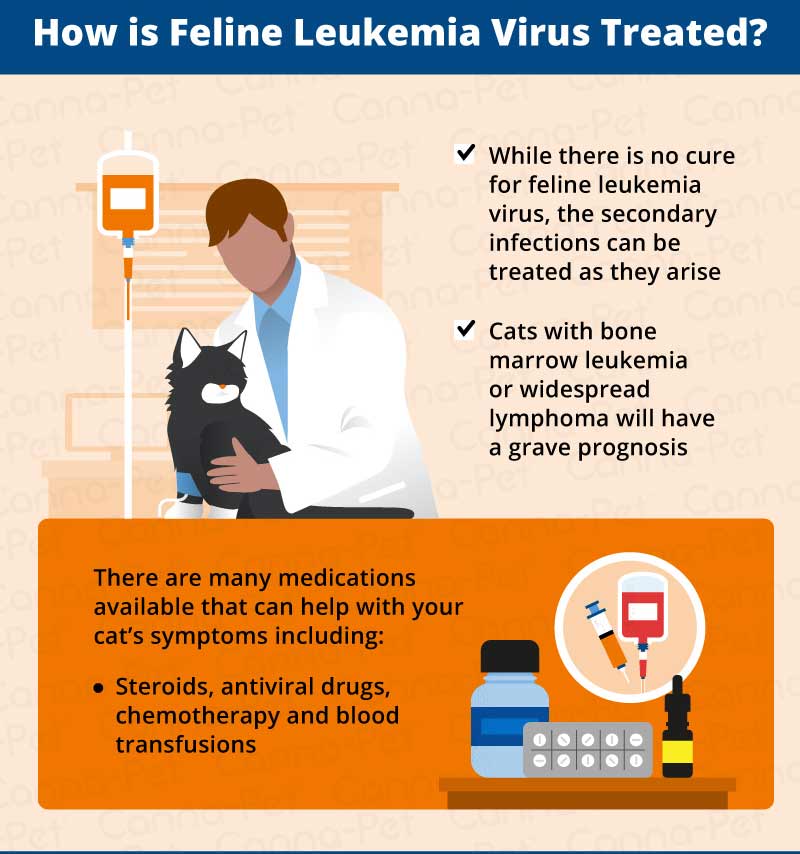
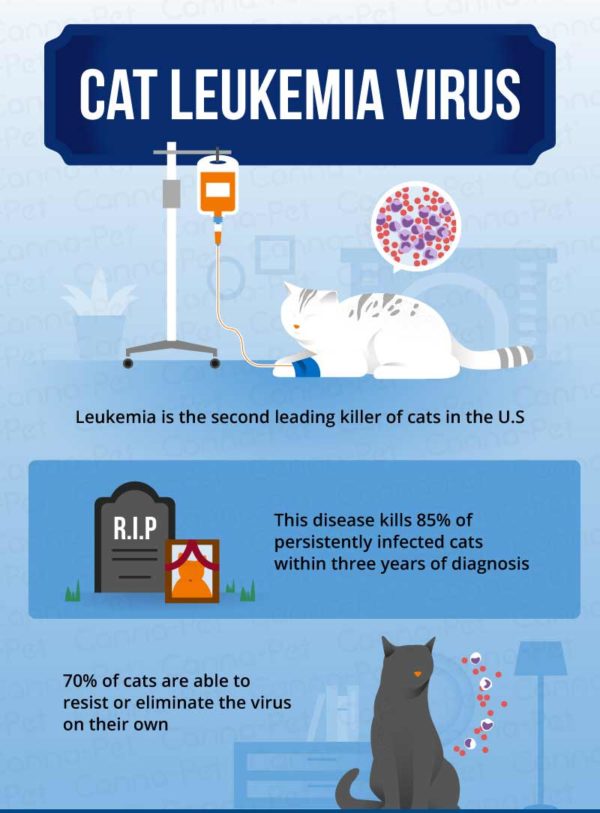
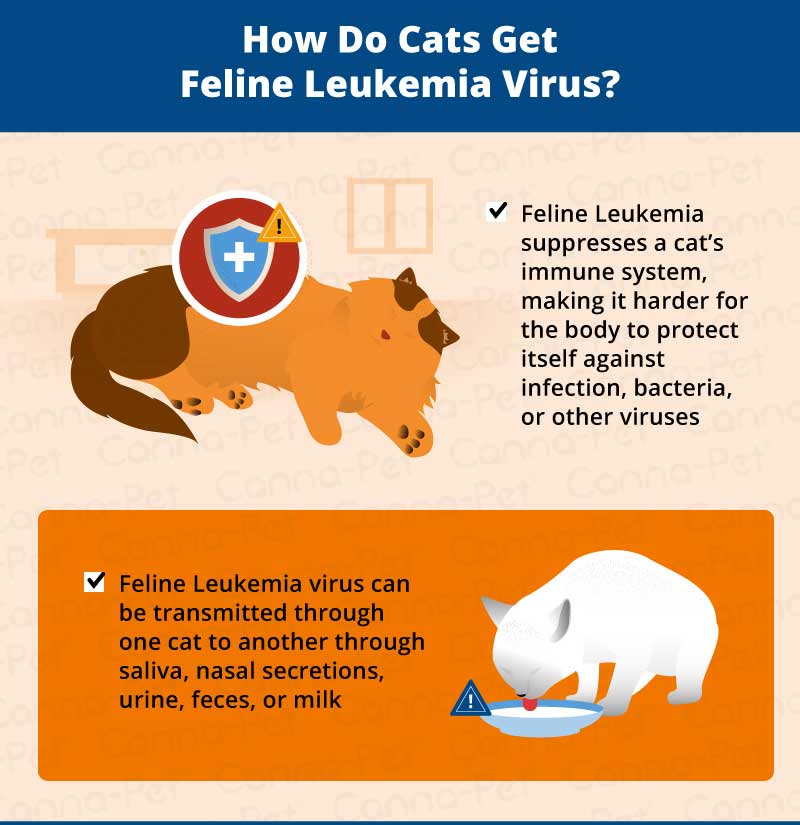
You can spot the warning signs of feline leukemia virus, also known as FeLV, if you know what to look for. When the disease is detected early enough, you may even be able to take steps to lengthen the life of your cat.
Unfortunately, nephroliths often do not show any signs (are asymptomatic) and may only be discovered incidentally while evaluating for other health problems or concerns. If there are any signs,...