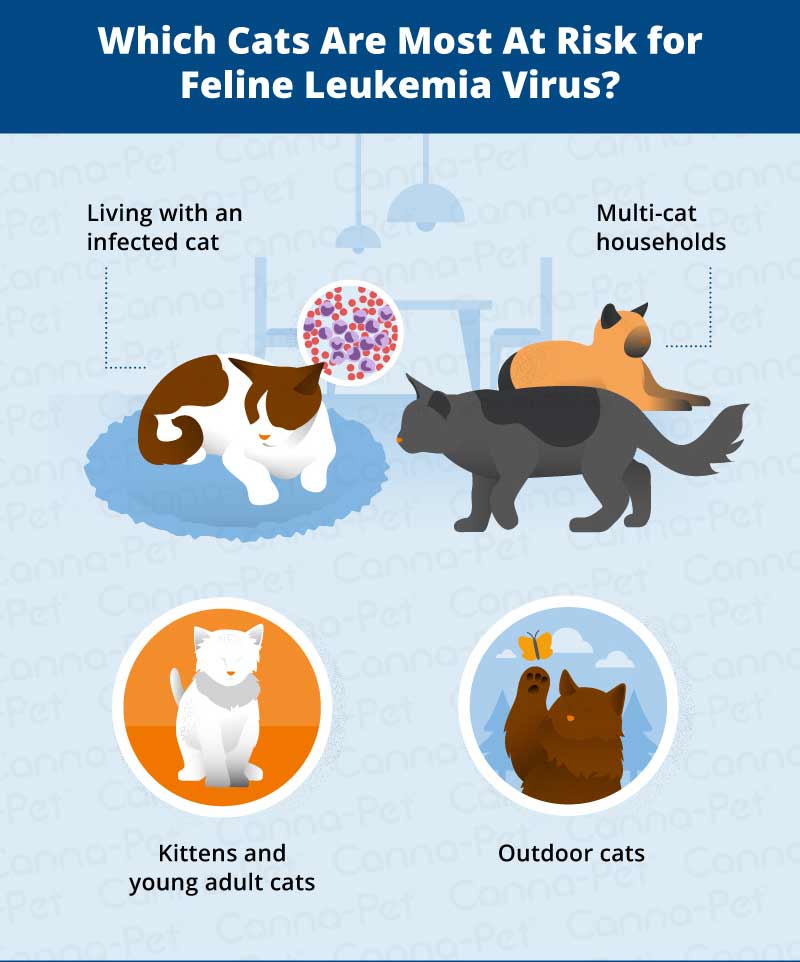
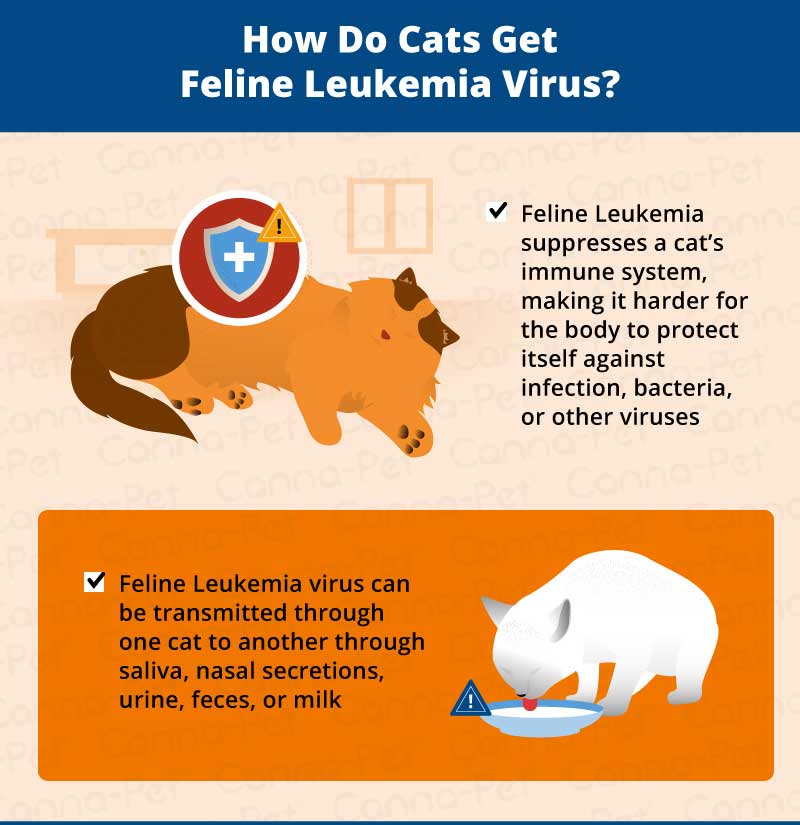
- Cats infected with FeLV can serve as sources of infection of FeLV-A. Cats can pass the virus between themselves through saliva and close contact, by biting another cat, and (rarely) through a litter box or food dish used by an infected cat. Once a cat has been infected with FeLV-A, additional ...
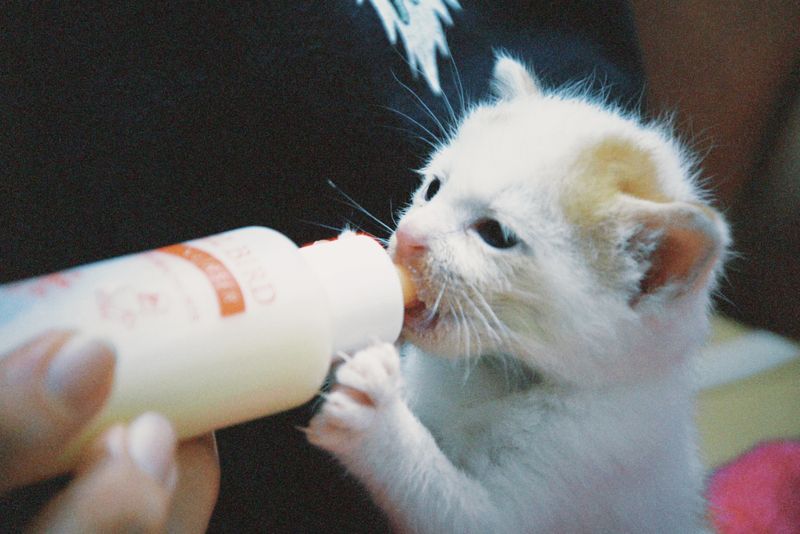
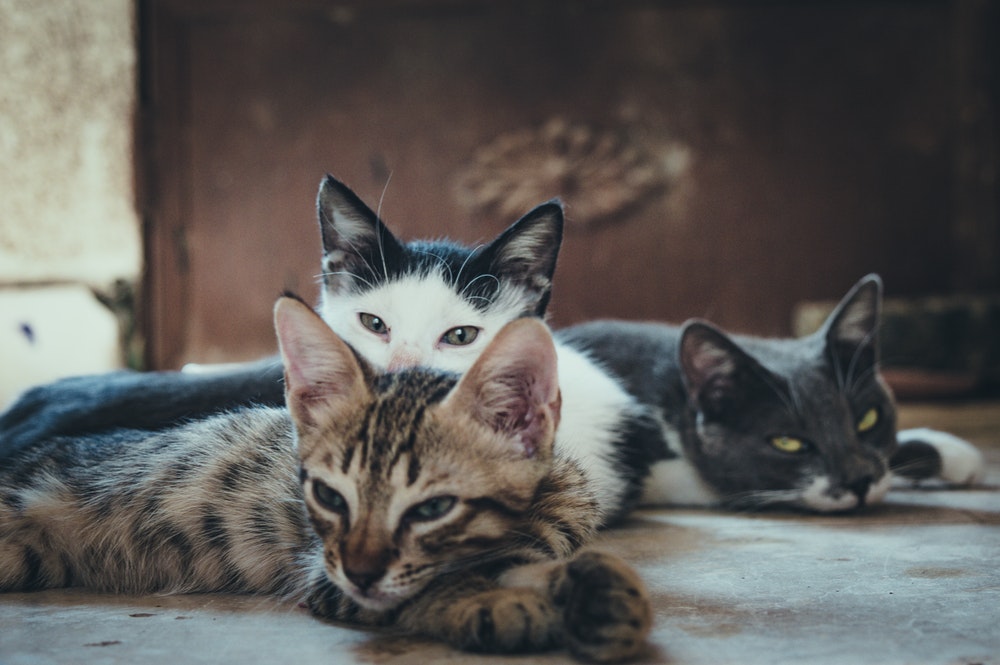
Any close contact among cats can spread FeLV, including bite wounds, mutual grooming, or sharing feeding dishes and litter boxes. Transmission can also take place from an infected mother cat to her kittens, either before they are born or while they are nursing.

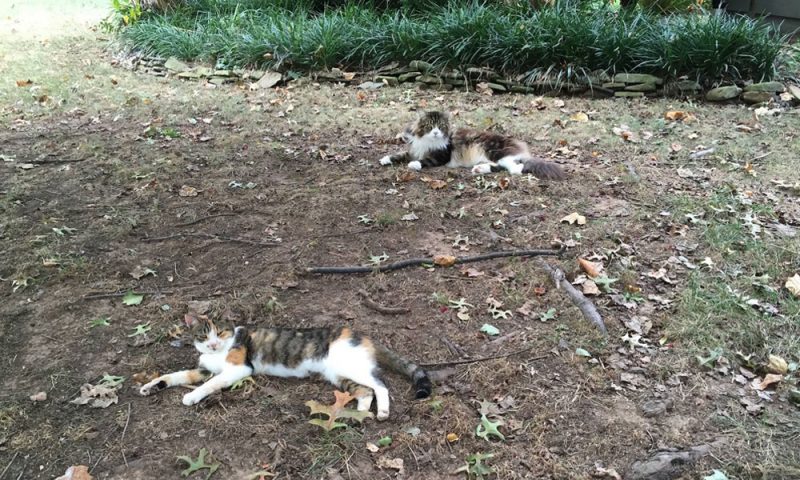
As we can see from the illustration, Transmission Of Leukemia In Cats Through Cat Bites has many fascinating aspects to explore.
- Direct contact with these body fluids, mutual grooming, shared litter boxes and food dishes, and fighting (bite wounds) all expose uninfected cats to the virus. To become infected, cats typically require prolonged, repeated exposure to the virus.
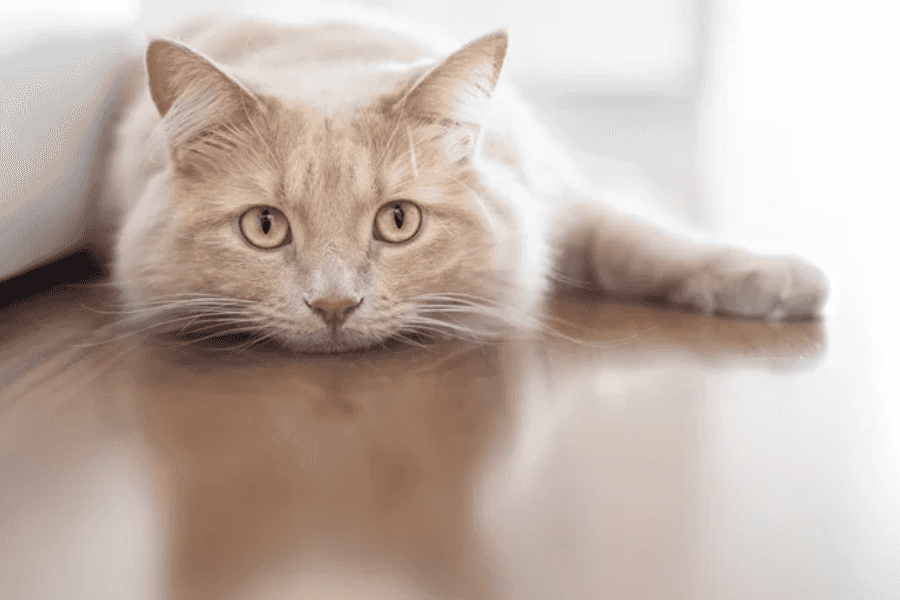
Such details provide a deeper understanding and appreciation for Transmission Of Leukemia In Cats Through Cat Bites.
A heme export protein is required for red blood cell differentiation and iron homeostasis. Science 2008;319(5864):825-828. Transmission of FeLV-A primarily results from close contact with salivary secretions, such as through licking, mutual grooming, and shared food and water dishes.
Cat-to-cat transfer of virus may occur from a bite wound, during mutual grooming, and (though rarely) through the shared use of litter boxes and feeding dishes. Transmission can also take place from an infected mother cat to her kittens, either before they are born or while they are nursing.