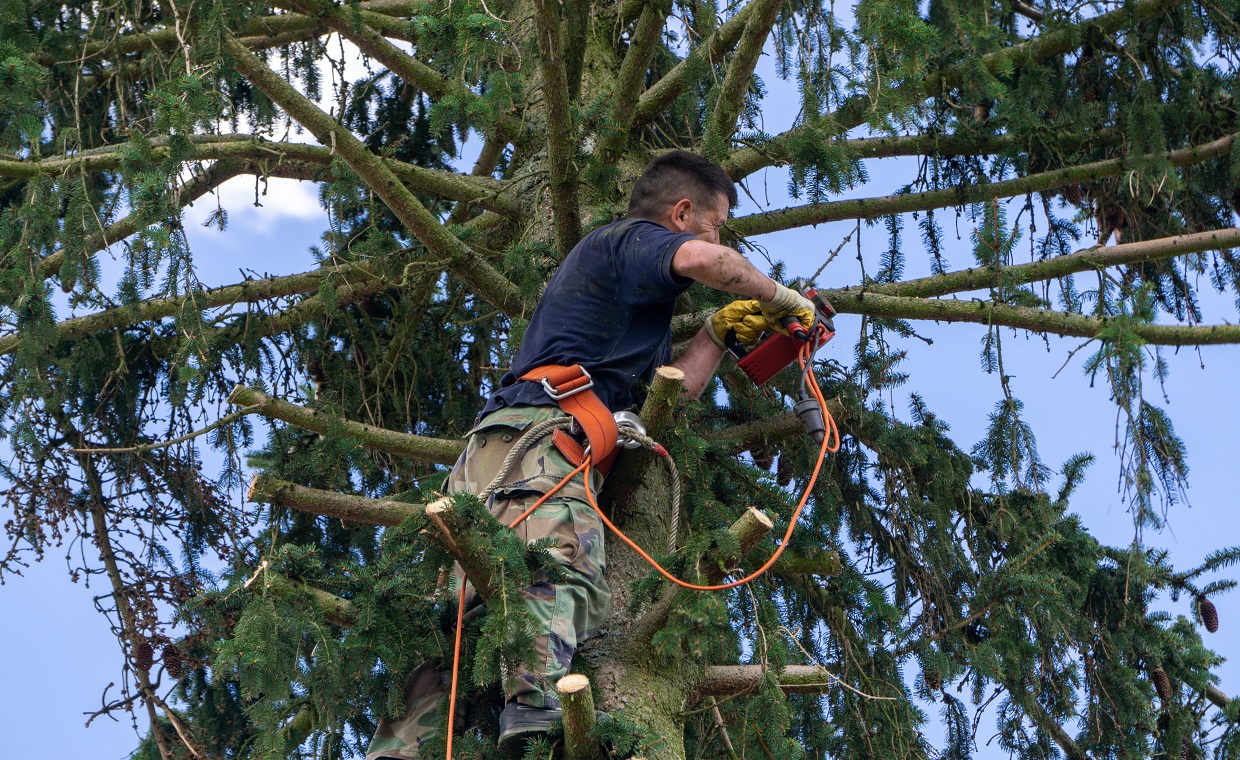
Inspect trees for health conditions and defects during the tree risk assessment. Develop a site policy and care plan: Every property manager should create and implement a policy for tree risk. This includes developing a standard of care, an inspection process and mitigation of property risk.
Effective tree risk management involves understanding the factors contributing to tree failure, assessing potential hazards and consequences, and implementing strategies to reduce risks.

As we can see from the illustration, Tree Maintenance Risks has many fascinating aspects to explore.
In managing these trees, tree owners must recognize the tree benefits and risks. Whether hazards are created by strong winds or ice-storms, or whether construction on the site may or already has negatively affected the tree, tree owners should recognize tree risk and management strategies to help ensure trees are able to provide their full ...

This particular example perfectly highlights why Tree Maintenance Risks is so captivating.
Uncover five hidden risks in routine tree care that every homeowner should know. Learn how comprehensive tree care and risk-based service analysis can protect your property and promote resilient, healthy trees.

Such details provide a deeper understanding and appreciation for Tree Maintenance Risks.
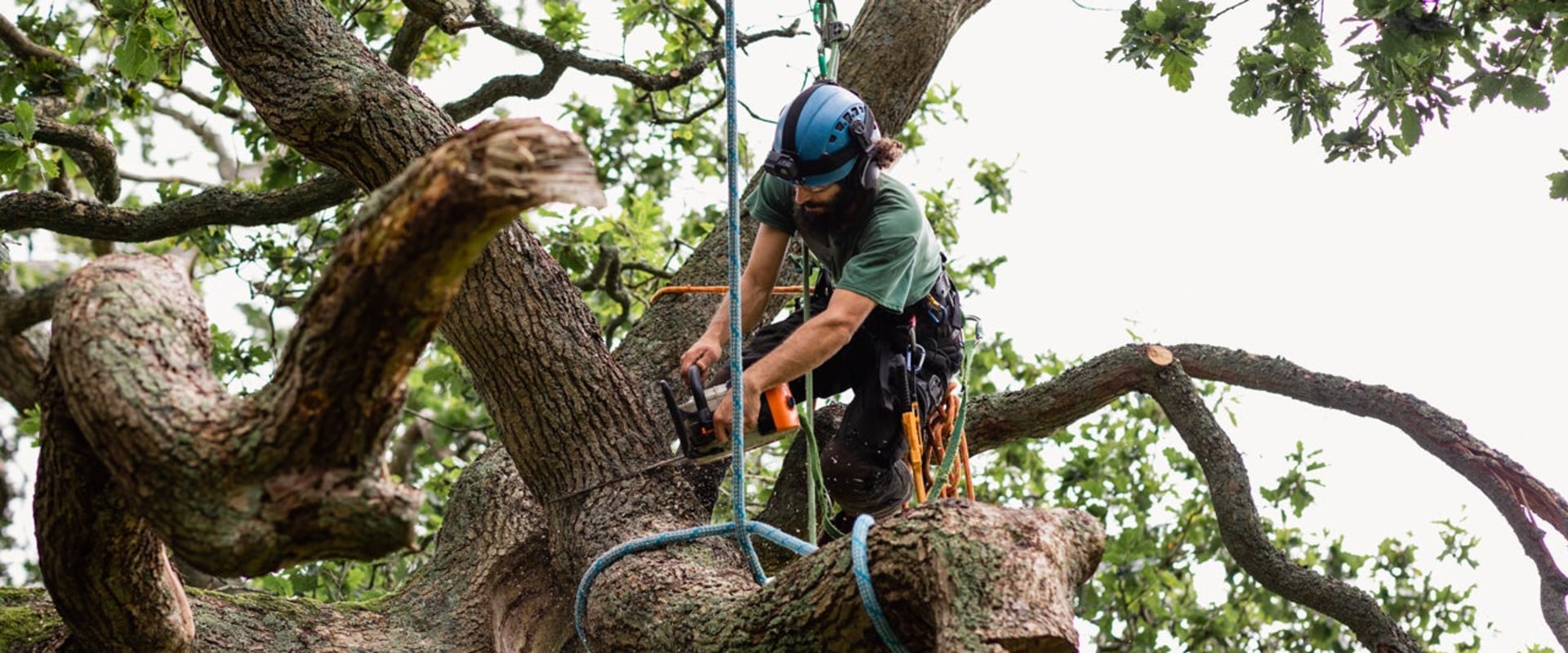
Learning to identify tree defects is paramount to proper tree maintenance and risk management. Tree defects include cracks, decayed wood, weak branch unions, cankers, root problems, poor tree architecture, and dead trees, tops, or branches.
Tree risk assessment is a crucial element of arboriculture, ensuring the safety and well-being of both people and trees. By identifying and mitigating tree hazards, arborists can effectively manage tree-related risks and contribute to the sustainability of our urban forests. ArboStar, an all-in-one business management platform tailored for the tree care and landscaping industry, can be an ...