Mastering the Concepts of Urban Green High-Rise Architecture Visually
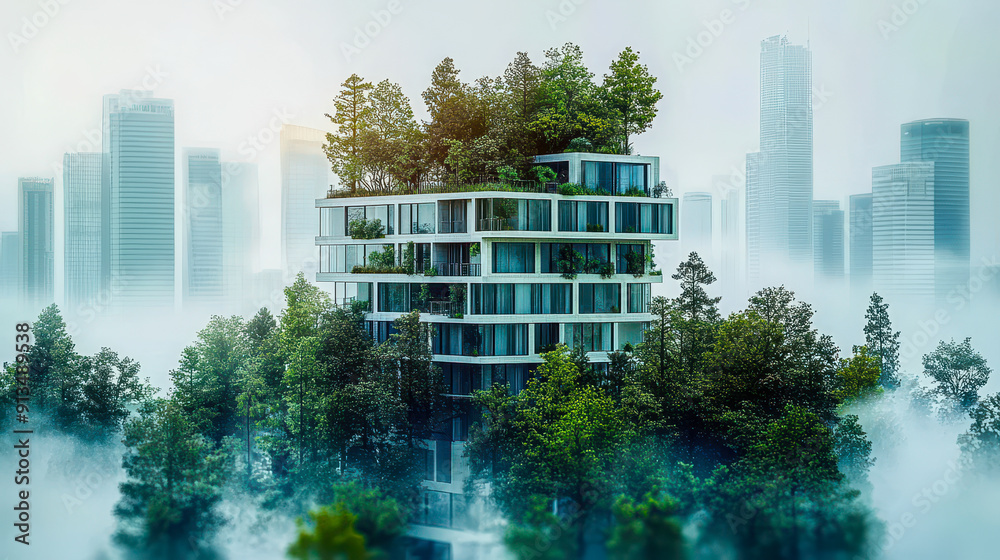
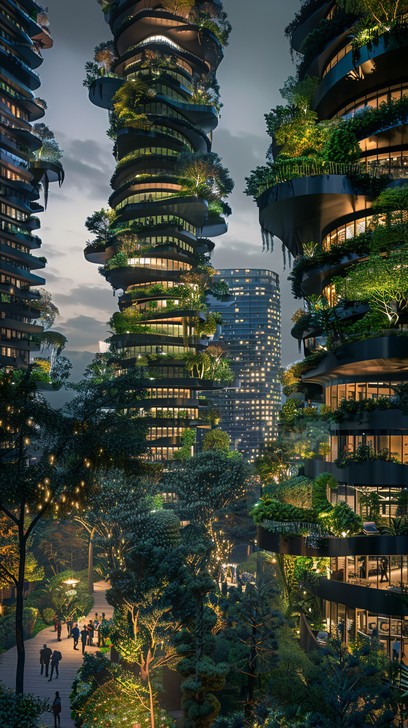
Architects are increasingly turning to green high rises as vertical solutions that use natural vegetation to improve air quality, regulate heat and increase human interaction with nature for healthier lifestyles.
This chapter aims to critically examine the historical evolution and contemporary trajectory of high-rise development through the lens of sustainability, identifying both challenges and opportunities.
Urban Green High-Rise Architecture
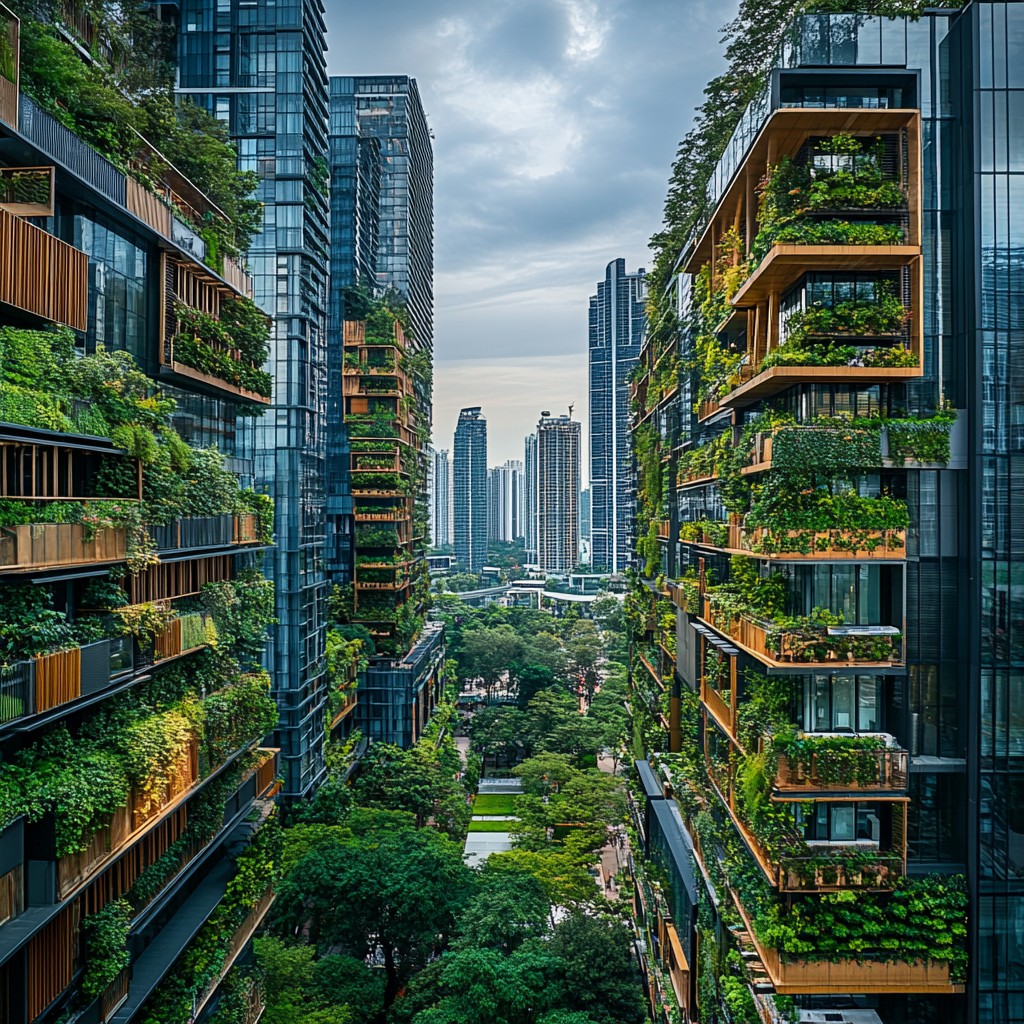
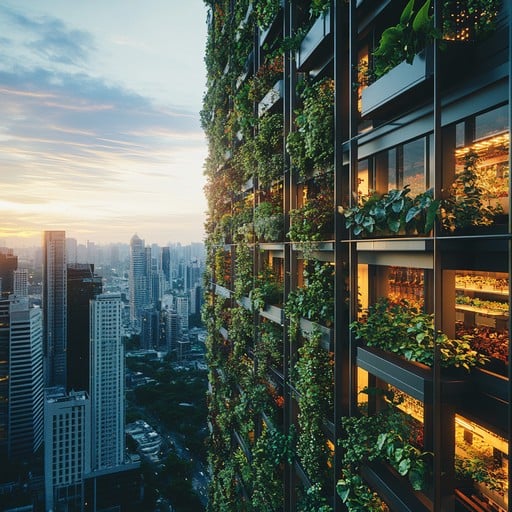
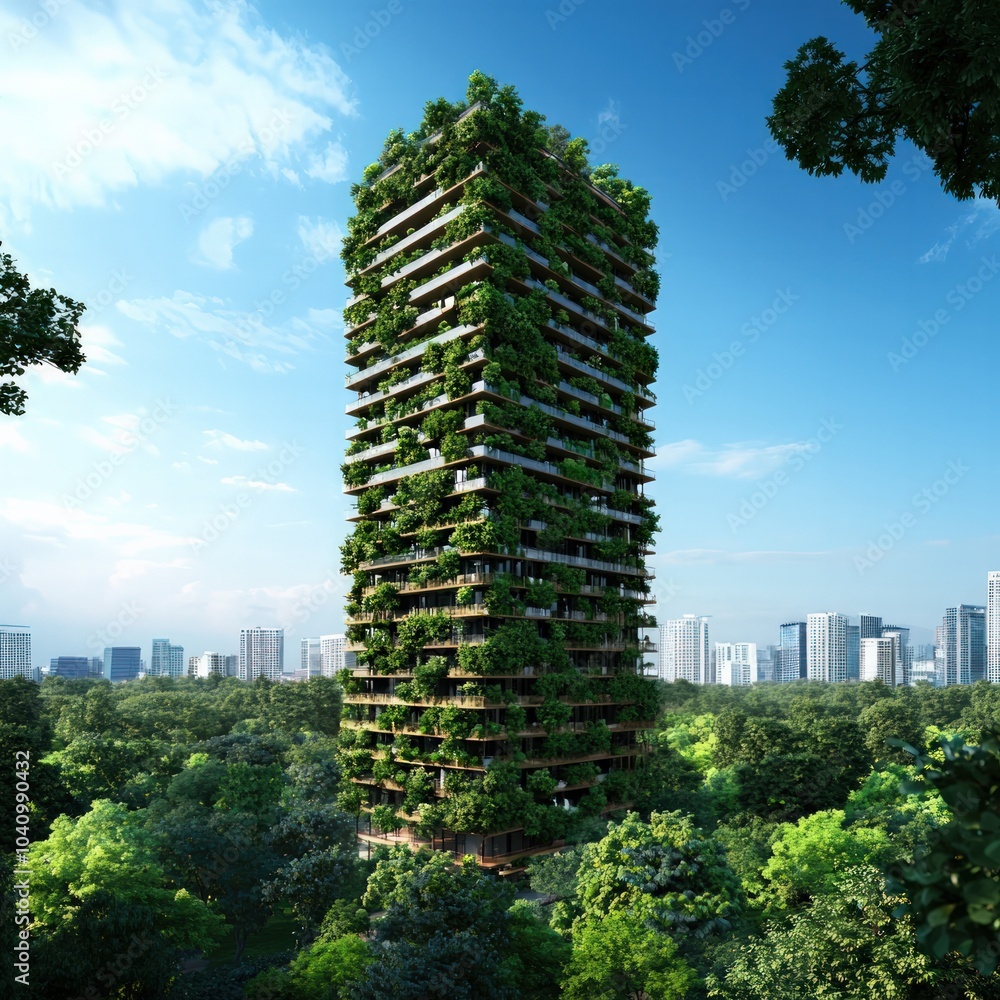
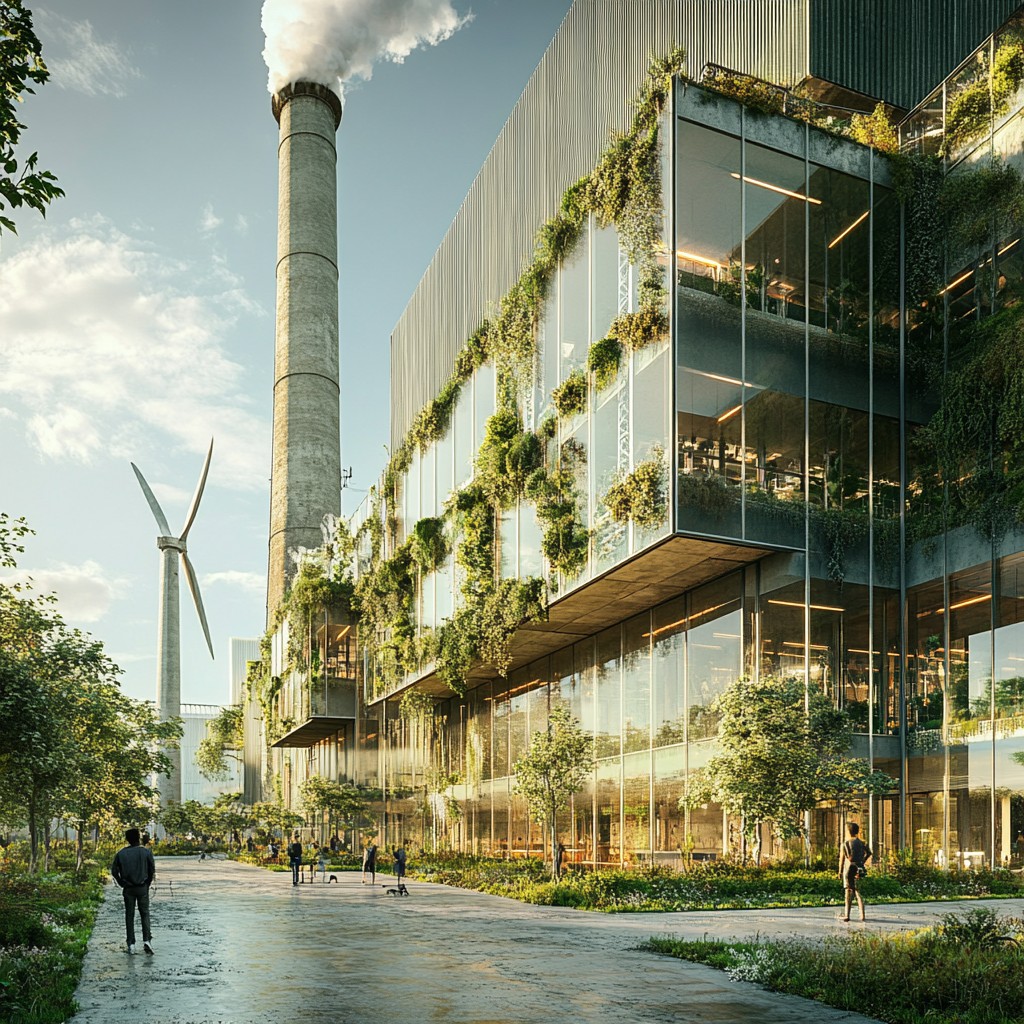
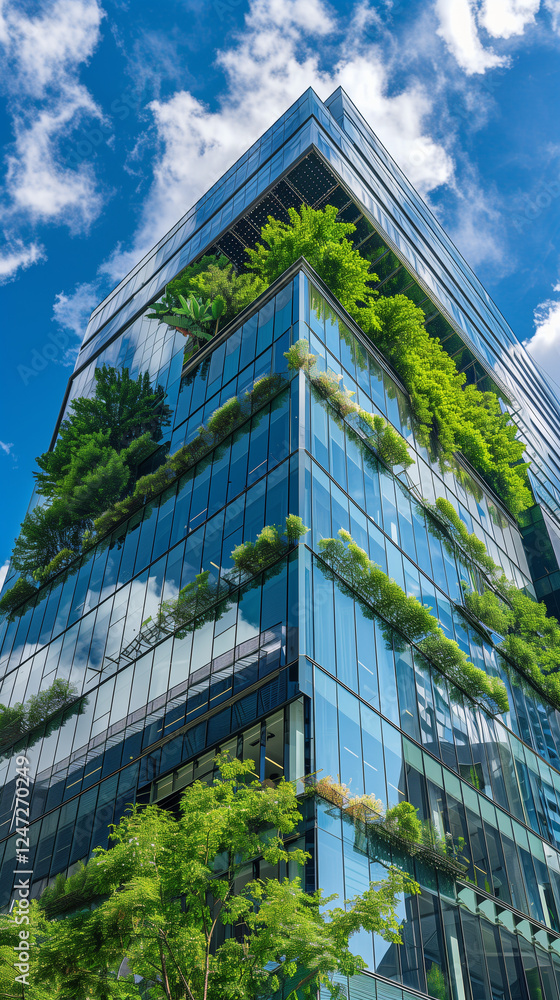
Vertical Forest is a new generation of high-rise urban buildings completely covered by the leaves of trees and plants. It is an architectural device that promotes the coexistence of architecture and nature in urban areas, and the creation of complex urban ecosystems.
Urban Green High-Rise Architecture
Objectives: The study aims to critically analyze green high-rise buildings and their associated challenges based on peer-reviewed journals published between 2020 and 2024, in order to...
Urban Green High-Rise Architecture
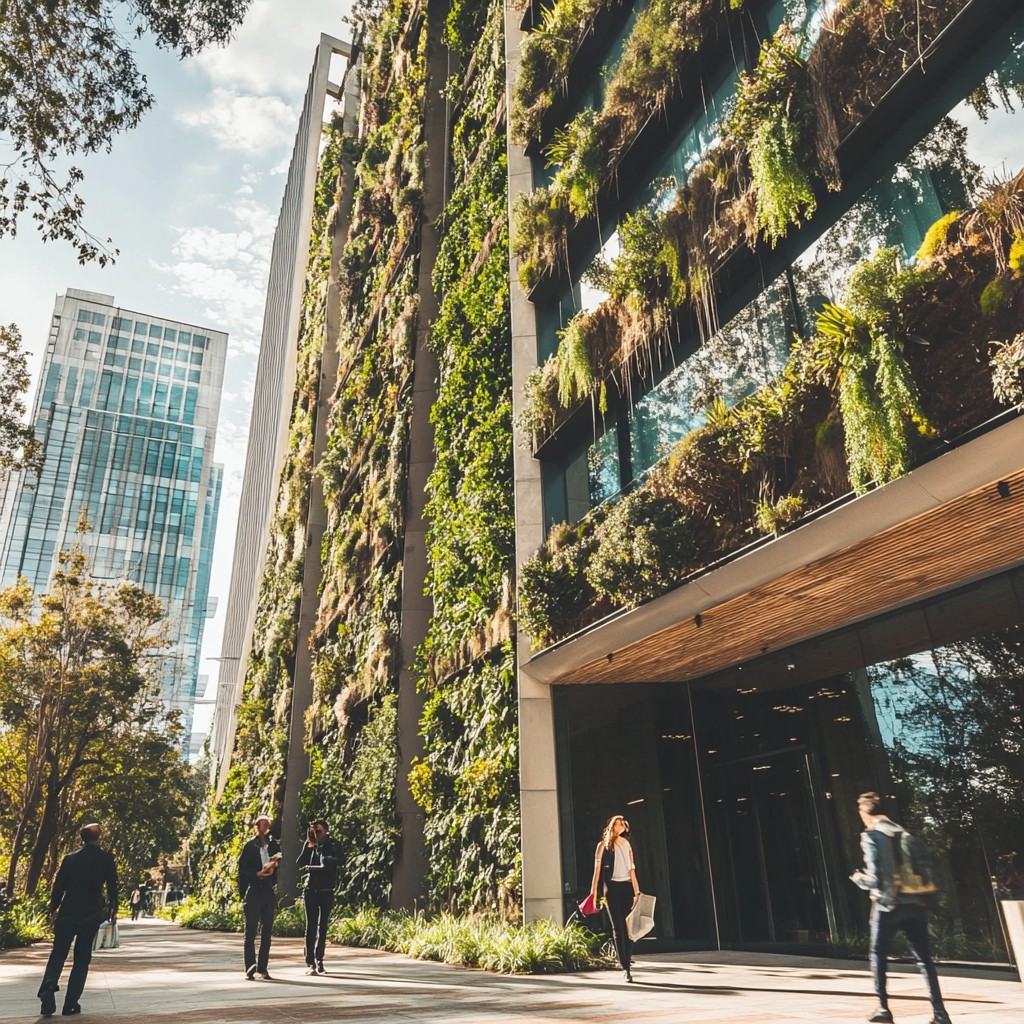
The sponge city model builds on the Green Infrastructure (GI) model that aims to improve water management systems and enhance the ecological wellbeing of urban habitats. Integrating green elements in buildings and their surrounding will surely help to absorb rainwater.